How to Breed the Betta Fish

Breeding betta fish requires patience, the right tank setup, and a healthy male and female pair. This guide walks you through every step, from choosing breeding-age fish to raising betta fry. You will learn proven techniques that make how to breed the betta fish simpler and more rewarding.
Breeding betta fish is one of the most rewarding experiences a fish keeper can enjoy. Watching a male build a bubble nest and then care for his babies is truly fascinating. If you have been wondering how to breed the betta fish, you are in the right place. This guide covers everything from picking the right fish to raising healthy fry. You will find practical tips, clear steps, and honest advice that works.
Betta fish, also known as Siamese fighting fish, are popular for their bright colors and flowing fins. Breeding them in home aquariums is very doable with the right knowledge. Many beginners feel nervous about breeding, but the process becomes easy once you understand the basics. Let us walk through each stage together, step by step.
Key Takeaways
- Pick the right age: Both male and female bettas should be at least 4 to 6 months old before breeding.
- Tank setup matters: A separate breeding tank with warm, clean water and floating plants helps bettas spawn safely.
- Watch for bubble nests: A male building a bubble nest is a clear sign he is ready to breed.
- Remove the female after spawning: Male bettas can become aggressive, so separating the female protects her health.
- Fry need special care: Infusoria or baby brine shrimp are the best first foods for newborn betta fish.
- Avoid common mistakes: Overcrowding, wrong water temperature, and skipping quarantine can ruin your breeding efforts.
📑 Table of Contents
Understanding Betta Fish Breeding Basics
Before you start, it helps to understand what happens during betta breeding. Male and female bettas have very different roles. The male builds a bubble nest, courts the female, and then takes care of the eggs and fry. The female releases the eggs, and the male fertilizes them. Knowing this helps you set expectations and prepare properly.
Betta spawning is the term for the actual breeding act. It usually happens in the early morning hours. The male wraps his body around the female to release and fertilize eggs. This process may repeat several times over a few hours. Keeping the environment calm and stress-free is essential during this time.
How Old Should Betta Fish Be to Breed?
Age is one of the most important factors in successful betta fish breeding. Both the male and female should be at least 4 to 6 months old. Breeding too young can cause health problems and weak fry. If you want to learn more about the right age, check out our article on how old betta fish to breed.
A healthy adult betta has strong colors and active behavior. Fish that are too old may not breed successfully either. Aim for fish between 6 months and 1 year old for the best results. This age range gives you the highest chance of a successful spawn.
What Kind of Betta Fish Breeds Best?
Not all betta varieties breed equally well. Veiltail bettas are the most common and tend to breed easily. Crown tail and halfmoon bettas can also breed successfully with a bit more care. Some breeders focus on specific betta fish colors to produce stunning fry. The key is to choose fish that are active, colorful, and show no signs of illness.
Avoid breeding fish with visible health issues. Fungal infections, fin rot, or lethargy are red flags. Healthy parents produce stronger, more vibrant offspring. Always quarantine new fish for at least two weeks before introducing them to a breeding tank.
Setting Up the Breeding Tank
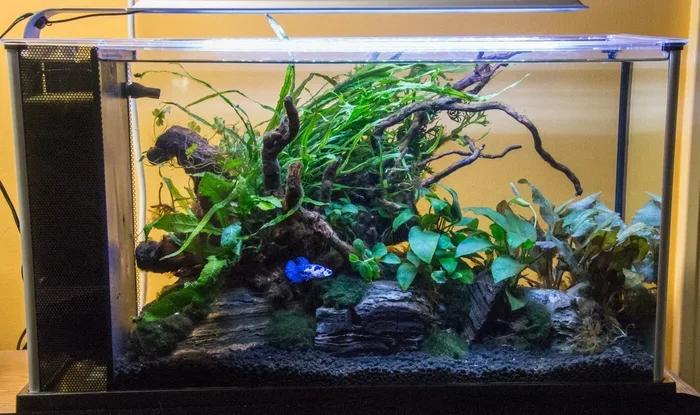
A proper tank setup makes all the difference in how to breed the betta fish successfully. You should never breed bettas in a community tank. The male can become very aggressive during breeding, and the female needs a safe escape route. A dedicated breeding tank keeps everyone safe and stress-free.
Use a tank that holds at least 5 to 10 gallons. This size gives the fish enough room without making the male too territorial. A sponge filter is the best choice because it provides gentle filtration without strong currents. Bettas are labyrinth fish and prefer calm water surfaces.
Keep the water temperature between 78 and 82 degrees Fahrenheit. Warm water encourages bubble nest building and spawning. Add floating plants or a floating styrofoam cup to give the male a place to build his bubble nest. The water level should be about 6 inches deep to make it easier for fry to reach the surface for air.
For a complete guide on setting up the right environment, you can also check our article on how to set up a fish tank for betta fish. The principles are very similar and will help you create the perfect breeding space.
Water Quality and Parameters
Clean water is critical for breeding bettas. Test the water before introducing your fish. The pH should be between 6.5 and 7.0. Ammonia and nitrite levels must be zero. Nitrate should be below 20 parts per million.
Do a 20 to 30 percent water change a few days before introducing the breeding pair. Use a betta fish water conditioner to remove chlorine and chloramine from tap water. Avoid using untreated tap water, as it can harm both the adult fish and the delicate eggs.
| Parameter | Ideal Range |
|---|---|
| Temperature | 78-82°F |
| pH | 6.5-7.0 |
| Ammonia | 0 ppm |
| Nitrite | 0 ppm |
| Nitrate | Below 20 ppm |
Choosing the Right Male and Female
Selecting the right pair is the foundation of successful betta breeding. You need a healthy male and a healthy female who are both ready to breed. But how do you tell them apart? Understanding betta fish gender differences is essential before you begin.
The male betta has longer, more colorful fins and a more vibrant body. He also builds bubble nests when he is ready to breed. The female betta has a shorter dorsal fin and a rounder body. She will show a white egg spot on her underside when she is ready to spawn.
If you are unsure about telling the difference, our guide on how to tell the gender of a betta fish can help you identify males and females with confidence.
Signs That Your Betta Fish Is Ready to Breed
Both male and female bettas show clear signs of readiness. The male will start building a bubble nest at the water surface. This is one of the most exciting signs that breeding is near. The bubble nest looks like a cluster of small bubbles stuck together.
The female will develop a visible egg spot, which looks like a tiny white tube on her belly. Her color may also become slightly brighter. She should have a round, plump belly full of eggs. If the female seems too thin or dull, wait a few more days before introducing her to the male.
Introducing the Male and Female
Place the male and female in the breeding tank using a clear divider or a net. This lets them see each other without direct contact. They should live like this for 1 to 2 days. This period helps them get used to each other and builds excitement for spawning.
Watch for chasing behavior. Some chasing is normal and shows interest. But if the male attacks the female aggressively, separate them immediately. The female should have hiding spots, like plants or a small clay pot, where she can rest.
The Breeding Process Step by Step
Once the pair is comfortable, you can remove the divider and let them interact freely. The actual breeding process is quick but fascinating to watch. Here is what typically happens:
- The male wraps his body around the female to stimulate egg release.
- The female releases 10 to 50 eggs per embrace.
- The male collects the eggs in his mouth and places them in the bubble nest.
- This process repeats until the female releases all her eggs.
- The male carefully tends to the bubble nest throughout.
The entire spawning process can last from a few hours to a full day. Do not disturb the tank during this time. Keep the lights dim and the room quiet. Stress can cause the pair to stop breeding or even harm each other.
After spawning, the female will look tired and may lose some color. This is normal. Remove her from the tank immediately once you see eggs in the bubble nest. The male becomes protective and may chase or even harm the female if she stays too long.
Caring for Betta Fry
Raising betta fry is the most delicate part of the process. The male will guard the bubble nest and the eggs for 24 to 48 hours. During this time, he may repair the nest and catch any eggs that fall. Do not remove the male from the tank yet. He plays a vital role in protecting the eggs.
After about 2 days, the eggs will hatch into tiny fry. The fry are very small and do not swim well at first. They will hang near the water surface and absorb their yolk sacs for nutrition. This takes about 2 to 3 days. Once the yolk sac is fully absorbed, the fry need external food.
What to Feed Betta Fry
Newborn betta fry are extremely tiny. They cannot eat regular fish flakes or pellets. The best first foods are infusoria or liquid fry food. You can also feed them freshly hatched baby brine shrimp. These foods are small enough for their tiny mouths and packed with nutrients.
Feed the fry 3 to 4 times a day in very small amounts. Overfeeding can dirty the water quickly, which is dangerous for delicate fry. Use a turkey baster or pipette to remove uneaten food after each feeding. Clean water is the single most important factor in raising healthy fry.
Growth Stages of Betta Fry
Betta fry grow quickly in the first few weeks. Here is a simple timeline of what to expect:
- Week 1: Fry are tiny, about 2 to 3 millimeters long. They stay near the surface and eat infusoria.
- Week 2: Fry start swimming more actively and grow to about 4 to 5 millimeters. You can introduce baby brine shrimp.
- Week 3: Color begins to show, and fins start to develop. Fry are now about 6 to 8 millimeters long.
- Week 4 to 6: Fry look like tiny versions of adult bettas. They can eat crushed flakes and micro worms.
- Week 8 and beyond: Fry are fully independent and can be moved to individual cups or small containers.
By 8 to 12 weeks, you can start identifying the sex of the fry. Males will develop longer fins and more vibrant colors. Females will have shorter fins and a rounder body. You can then decide which fish to keep for breeding and which to rehome.
Common Problems When Raising Fry
Fry are very sensitive to water quality. Even small amounts of ammonia can be deadly. Do frequent small water changes, replacing about 10 percent of the water every day. Use a turkey baster to siphon debris from the bottom of the tank gently.
Another common issue is fungal infections on eggs. If you see white fuzzy growth on the eggs, the male may be neglecting the nest. In some cases, you may need to remove unfertilized eggs manually to prevent the fungus from spreading.
Common Mistakes to Avoid When Breeding Betta Fish
Even experienced hobbyists make mistakes. Here are the most common errors that can ruin your breeding efforts:
- Breeding fish that are too young or too old. Always wait until both fish are at least 4 to 6 months old.
- Skipping the quarantine period. New fish can carry diseases that spread quickly in a breeding tank.
- Using the wrong water temperature. Cold water prevents bubble nest building and slows the breeding process.
- Leaving the female in the tank too long. The male can become aggressive and injure or kill the female after spawning.
- Overfeeding the fry. Excess food fouls the water rapidly and can kill delicate newborn fish.
- Disturbing the bubble nest. The male needs a calm environment to care for the eggs. Avoid tapping on the tank or making sudden movements.
Avoiding these mistakes will greatly increase your chances of raising healthy betta fry. Patience and consistency are your best tools in the breeding process.
Final Thoughts
How to breed the betta fish is a journey that rewards patience and careful attention. From setting up the perfect breeding tank to raising vibrant fry, every step matters. Start with healthy, properly aged fish and give them a clean, warm environment. Remove the female after spawning, and let the male care for the eggs and fry. Feed the fry the right foods from day one, and keep the water pristine.
Breeding betta fish teaches you a great deal about fish behavior and aquatic life. Each spawn is a learning experience, and every successful batch of fry is a real achievement. Whether you are breeding for fun or looking to develop specific colors and fin types, the skills you build will serve you well. Start your betta breeding journey today, and enjoy the incredible process of bringing new life into your aquarium.
Frequently Asked Questions
How long does it take for betta fish eggs to hatch?
Betta fish eggs typically hatch within 24 to 48 hours after spawning. The male betta guards the bubble nest and keeps the eggs safe during this time. Once hatched, the fry will absorb their yolk sacs for another 2 to 3 days before needing external food.
Can you breed betta fish in a bowl?
Breeding bettas in a bowl is not recommended. Bowls are too small and lack proper filtration and heating. A dedicated breeding tank of at least 5 gallons gives the fish enough space and makes water maintenance much easier. A proper setup leads to healthier eggs and stronger fry.
How many eggs does a female betta fish lay at once?
A female betta can release anywhere from 10 to 50 eggs per spawning session. Some healthy females may release even more. The number depends on her age, size, and overall health. Not all eggs will be fertilized, so expect a lower number of surviving fry.
Do male betta fish eat their own fry?
Yes, male bettas can eat their own fry if they are very hungry or stressed. This is why you should remove the female after spawning and keep the male in a calm environment. Once the fry are free-swimming and large enough to avoid being eaten, the male should also be removed from the tank.
What is the best food for betta fry?
The best first food for betta fry is infusoria or liquid fry food. After the first week, you can introduce freshly hatched baby brine shrimp. These tiny foods are easy for newborn fry to eat and provide excellent nutrition for healthy growth.
At what age can betta fish start breeding?
Betta fish should be at least 4 to 6 months old before breeding. Breeding too young can lead to weak fry and health problems for the parents. For the best results, choose fish that are between 6 months and 1 year old and show strong colors and active behavior.