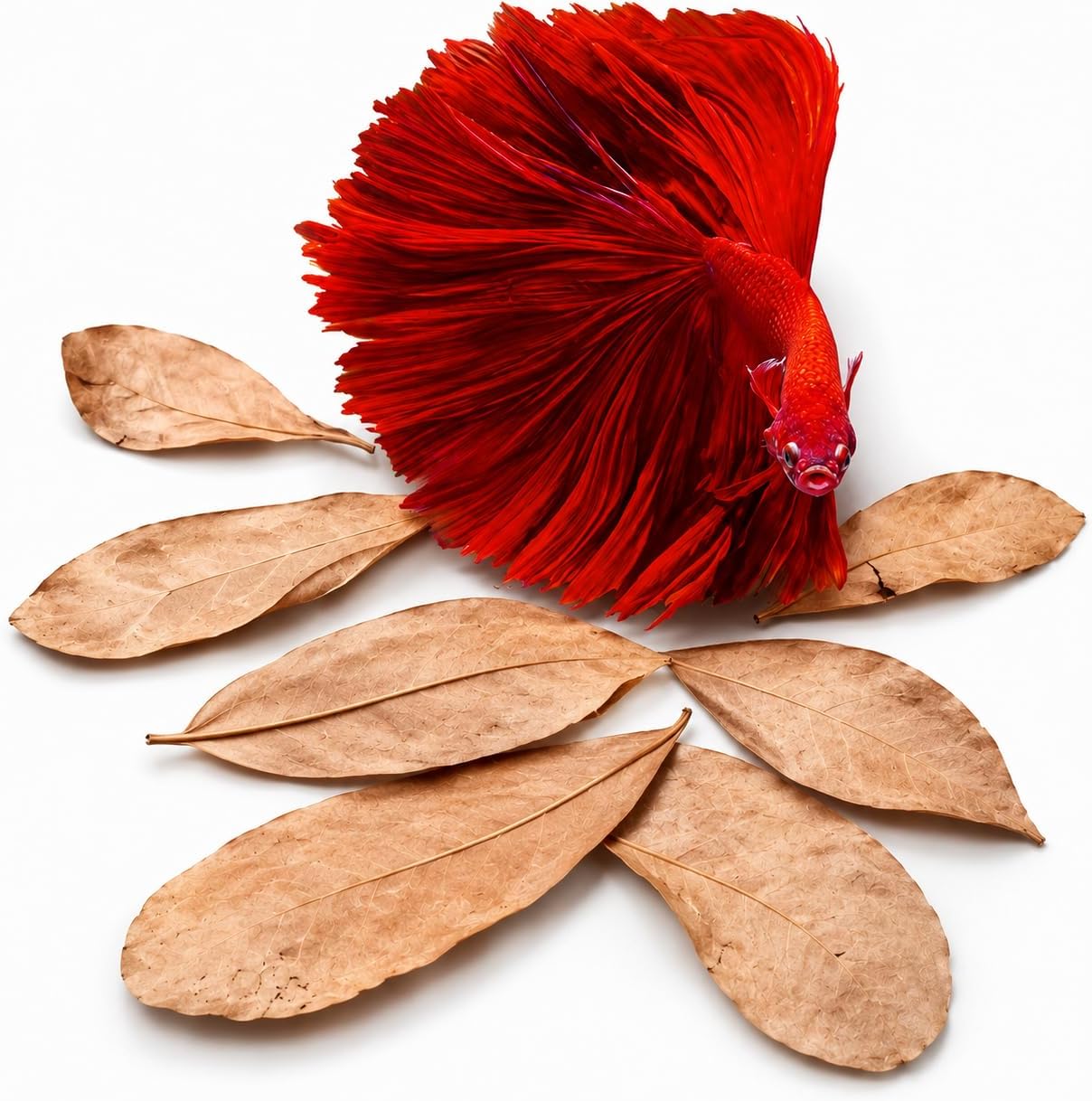
Preparing the right water is the single most important step for a happy betta. Follow our friendly guide to dechlorinate, condition, and balance temperature so your fish thrives from day one.
Key Takeaways
- Test before you add: Always check pH, hardness, and temperature before introducing water to the tank.
- Dechlorinate instantly: Use a water conditioner or let tap water sit for 24 hours to remove chlorine and chloramine.
- Match the tank temperature: Aim for 76‑80 °F (24‑27 °C) to keep bettas comfortable.
- Maintain stable parameters: Small, regular water changes prevent spikes in ammonia and nitrite.
- Use the right container: A clean bucket or pitcher free of soap residues ensures no contaminants enter the water.
- Monitor water chemistry weekly: Consistent testing catches problems before they stress your fish.
- Follow a routine: A repeatable prep process makes caring for bettas simple and stress‑free.
📑 Table of Contents
- Why Proper Water Prep Matters for Betta Fish
- Step 1: Choose the Right Source of Water
- Step 2: Dechlorinate the Water
- Step 3: Adjust Temperature
- Step 4: Balance pH and Hardness
- Step 5: Final Checks Before Adding to the Tank
- Step 6: Adding the Water to the Tank
- Routine Maintenance: Keeping the Water Perfect
- Common Mistakes and How to Avoid Them
- Putting It All Together: A Quick Checklist
- Conclusion
Why Proper Water Prep Matters for Betta Fish
Betta fish, also called Siamese fighting fish, are hardy but surprisingly sensitive to water quality. Their delicate gills can be irritated by chlorine, heavy metals, or sudden temperature changes. When you know how to prep water for betta fish, you give them a stable home where colors shine and fins flutter without stress.
Think of water prep as the foundation of a house. A strong foundation prevents cracks later on. In the same way, properly conditioned water prevents disease, reduces the need for medication, and makes routine maintenance easier.
Step 1: Choose the Right Source of Water
Tap water vs. bottled vs. RO water
Most beginners start with tap water because it’s convenient and cheap. However, tap water often contains chlorine or chloramine, both of which are toxic to bettas. Bottled spring water can be a good alternative, but it may lack the minerals bettas need. Reverse osmosis (RO) water is pure but requires you to re‑add minerals.
Visual guide about How to Prep Water for Betta Fish
Image source: images.enthusiastenterprises.us
For most hobbyists, what water to use for betta fish means filtered tap water that is then conditioned. This gives a balance of safety and essential trace elements.
Testing the source
Before you even think about adding water to the tank, grab a simple test kit. Check for:
- pH (ideal 6.5‑7.5)
- General hardness (GH) – 3‑4 dGH is fine
- Carbonate hardness (KH) – 1‑3 dKH helps buffer pH
- Chlorine/chloramine presence
If any value is off, you’ll adjust it during the conditioning step.
Step 2: Dechlorinate the Water
Why dechlorination is non‑negotiable
Chlorine protects municipal water supplies but it also damages a betta’s delicate gill tissue. Chloramine, a more stable compound, is even trickier because it doesn’t evaporate on its own.
Visual guide about How to Prep Water for Betta Fish
Image source: rmhb.com.cn
The easiest way to remove both is with a water conditioner specifically formulated for bettas. One dose per gallon usually neutralizes up to 5 ppm chlorine and chloramine.
Alternative: Let it sit
If you don’t have a conditioner on hand, you can let tap water sit uncovered for 24‑48 hours. This works for chlorine but **not** for chloramine. That’s why a conditioner is the safest bet.
Quick tip
Keep a small spray bottle of conditioner in your prep area. A few drops per gallon, shaken well, will give you ready‑to‑use water in seconds.
Step 3: Adjust Temperature
Ideal temperature range
Betta fish are tropical and love warm water. Aim for 76‑80 °F (24‑27 °C). Anything below 72 °F can slow metabolism, while temperatures above 84 °F increase stress and shorten lifespan.

Visual guide about How to Prep Water for Betta Fish
Image source: huu2juxr.cdn.imgeng.in
How to heat the water safely
Use an aquarium heater rated for the volume of water you’re preparing. Place the heater in a clean bucket, turn it on, and let the water reach the target temperature. A digital aquarium thermometer is a must‑have.
Never add boiling water to the tank – rapid temperature shifts can cause shock.
Practical example
Suppose you’re setting up a 5‑gallon tank. Fill a clean 5‑gallon bucket with conditioned tap water, add one dose of conditioner, and place a 50‑watt heater in the bucket. After 30 minutes, check the thermometer; when it reads 78 °F, you’re ready to pour.
Step 4: Balance pH and Hardness
When adjustments are needed
If your test kit shows a pH outside the 6.5‑7.5 range, you can use a pH adjuster. Add a small amount, stir, and re‑test after a few minutes. For hardness, crushed coral or a commercial GH booster can raise GH, while peat moss can lower it.
Step‑by‑step pH tweak
- Measure current pH.
- Add 1 ml of pH‑up solution per 10 gallons.
- Stir gently and wait 5 minutes.
- Retest; repeat if necessary.
Remember, small, incremental changes are safer than big jumps.
Step 5: Final Checks Before Adding to the Tank
Visual inspection
Look for floating debris, cloudiness, or unpleasant odors. If anything looks off, discard the batch and start again.
Temperature verification
Place the thermometer in the water for at least one minute. The reading should match the temperature you set on the heater.
Test again
Run a quick pH and hardness test one more time. Consistency is key; you want the same numbers you measured earlier.
Step 6: Adding the Water to the Tank
Slow pour technique
Turn off any filters or pumps for a few minutes to avoid shocking the betta. Place a clean, shallow dish (like a plastic saucer) on the tank’s surface and slowly pour the prepared water onto it. This diffuses the flow and reduces disturbance.
Re‑start filtration
After the water is in, turn the filter back on and let it run for at least 30 minutes. This helps circulate the water and stabilizes temperature.
Observe your betta
Watch for normal swimming behavior. If the fish darts to the surface, gapes, or shows signs of stress, check temperature and water parameters again.
Routine Maintenance: Keeping the Water Perfect
Weekly water changes
Even with perfect initial prep, waste builds up. Change 25‑30 % of the water each week using the same prep steps. For a detailed guide, see our article on how to do a water change for betta fish.
Monthly full clean
Every 4‑6 weeks, empty the tank, scrub surfaces, and refill with freshly prepared water. This prevents algae and keeps the ecosystem healthy.
Testing schedule
Test pH and hardness monthly, and ammonia/nitrite weekly for the first two months of a new tank. Once the cycle is stable, weekly testing of ammonia and nitrite is enough.
Common Mistakes and How to Avoid Them
- Skipping dechlorination: Even “treated” municipal water can still harm bettas.
- Using hot tap water: It may contain minerals that raise temperature too quickly.
- Adding too much conditioner: Over‑conditioning can lead to ammonia spikes.
- Neglecting temperature checks: A 2‑degree difference feels small but can stress a betta.
- Re‑using old water: Stale water can harbor harmful bacteria.
Putting It All Together: A Quick Checklist
- Gather clean bucket, conditioner, heater, thermometer, and test kit.
- Fill bucket with tap water; let sit 24 hrs if no conditioner.
- Add conditioner (per label) and stir.
- Heat water to 76‑80 °F.
- Test pH and hardness; adjust if needed.
- Perform a final visual and temperature check.
- Slowly pour into tank, restart filter, and observe betta.
Conclusion
Knowing how to prep water for betta fish transforms a simple hobby into a thriving underwater world. By following the steps above—selecting the right water source, dechlorinating, heating, balancing chemistry, and performing final checks—you’ll create a safe, stable environment that lets your betta show off its brilliant colors and lively personality. Keep a routine, test regularly, and enjoy the peace of mind that comes with crystal‑clear, perfectly conditioned water.
Frequently Asked Questions
What is the best water conditioner for betta fish?
Any conditioner that removes both chlorine and chloramine works. Look for products labeled “safe for tropical fish” and follow the dosage instructions on the bottle.
Can I use distilled water for my betta?
Distilled water lacks essential minerals, so you must add a mineral supplement to reach proper hardness. Otherwise, plain tap water conditioned properly is easier.
How often should I test my betta’s water?
Test pH and hardness monthly, and check ammonia and nitrite weekly for the first two months. After the tank is stable, weekly testing of ammonia and nitrite is sufficient.
Why does my betta gasp at the surface after a water change?
Surface gasping usually means the temperature is too low or the water is not fully dechlorinated. Re‑check temperature and make sure you used enough conditioner.
Do I need a filter if I change 30% of the water weekly?
A filter helps maintain water clarity and biological filtration, but diligent weekly water changes can keep a small betta bowl healthy without one. However, a gentle sponge filter is recommended for most setups.
Can I add live plants to a betta tank with prepared water?
Yes! Live plants benefit from the same water parameters. Just be sure to rinse plant roots and use a substrate that won’t leach unwanted chemicals.