Betta fish reach breeding maturity between 4‑6 months, but waiting until they’re 6‑12 months old ensures stronger health and better fry survival. Key factors include size, coloration, and temperament, plus proper tank setup and nutrition.
Key Takeaways
- Optimal breeding age: 4‑6 months is the earliest, 6‑12 months is safest.
- Size matters: Males should be at least 2.5 inches, females 2 inches.
- Health first: Clear fins, bright colors, and no signs of disease are must‑haves.
- Proper tank: Use a separate breeding tank with gentle filtration and warm water.
- Nutrition boost: High‑protein foods improve spawning success.
- Patience pays: Wait for stable behavior before attempting a pair.
- Record keeping: Track dates, ages, and fry counts for future breeding plans.
📑 Table of Contents
- Introduction: Why Age Matters When Breeding Betta Fish
- 1. Understanding Betta Development Stages
- 2. The Ideal Age Window: 4‑12 Months
- 3. How to Tell If Your Betta Is Ready
- 4. Setting Up the Perfect Breeding Environment
- 5. Nutrition: Feeding for Successful Spawning
- 6. The Breeding Process Step‑by‑Step
- Conclusion: Patience and Preparation Pay Off
Introduction: Why Age Matters When Breeding Betta Fish
Thinking about starting a betta breeding project? One of the first questions hobbyists ask is, “How old betta fish should I breed?” The answer isn’t a single number—it’s a range that balances growth, health, and genetics. Breeding too early can lead to weak fry, while waiting too long may reduce the male’s vigor. In this friendly guide we’ll walk through the perfect age window, the signs that tell you your fish are ready, and the practical steps to set them up for success.
We’ll keep the tone light, like chatting with a fellow fish‑keeper over coffee. You’ll get clear examples, quick tips, and links to deeper resources on breeding, tank setup, and gender identification.
1. Understanding Betta Development Stages
1.1 Fry to Juvenile (0‑3 months)
Newly hatched fry are tiny, translucent, and dependent on their parents for protection. During the first 3 months they grow rapidly, develop their signature fins, and start showing color patterns.
1.2 Juvenile to Sub‑Adult (3‑6 months)
By the time they hit three months, bettas have a recognizable shape and begin to display gender‑specific traits. Males start building bubble nests, while females become more rounded.
1.3 Adult (6‑12 months and beyond)
Full adult size and vivid coloration usually appear after six months. This is when most breeders consider breeding, provided the fish are healthy and robust.
2. The Ideal Age Window: 4‑12 Months
2.1 Minimum Age: 4 Months
Technically a healthy male can spawn at four months if he’s at least 2.5 inches long and shows strong fin development. However, at this age his immune system is still maturing, so the risk of disease‑related fry loss is higher.
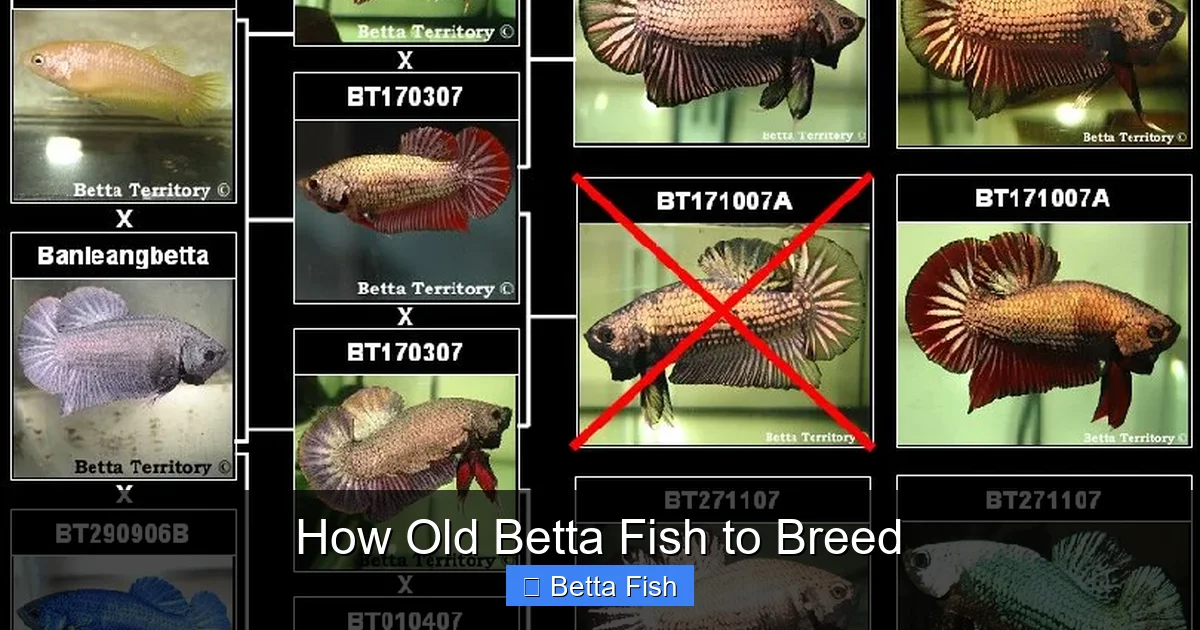
Visual guide about How Old Betta Fish to Breed
Image source: bettaterritory.nl
2.2 Recommended Age: 6‑12 Months
Waiting until the fish is six to twelve months old gives you:
- Fully developed musculature and fins.
- Brighter, stable coloration—an indicator of good genetics.
- Stronger resistance to common ailments like fin rot or dropsy.
Most experienced hobbyists and professionals agree this window yields the healthiest fry.
3. How to Tell If Your Betta Is Ready
3.1 Size Check
Measure your male from the tip of the nose to the end of the tail fin. A breeding‑ready male should be at least 2.5 inches; females should be around 2 inches.

Visual guide about How Old Betta Fish to Breed
Image source: ure.pia.co.jp
3.2 Color and Fin Quality
Vibrant hues and smooth, un‑torn fins signal good health. Dull colors or ragged edges may indicate stress or illness. If you notice any signs of disease, treat them first—see our guide on how to treat dropsy in betta fish.
3.3 Behavior
A ready male will build bubble nests at the water surface and become territorial. A healthy female will be active but not aggressive. If both fish ignore each other, give them a few more weeks to adjust.
4. Setting Up the Perfect Breeding Environment
4.1 Choose the Right Tank
A 5‑gallon breeding tank works well. Use a gentle sponge filter to keep water clean without sucking up fry. Keep the temperature between 78‑80°F (25‑27°C) and maintain a pH of 6.5‑7.5.
4.2 Add Essential Décor
Include fine leaf litter or a small piece of Indian almond leaf to mimic natural conditions. Provide a shallow area for the male to build his nest.
4.3 Water Quality
Perform a small water change (20‑30%) a day before introducing the pair. Consistent water parameters reduce stress and improve spawning success.
5. Nutrition: Feeding for Successful Spawning
5.1 High‑Protein Diet
Two weeks before breeding, feed a mix of live or frozen foods (brine shrimp, daphnia) and high‑quality betta pellets. Protein supports gonad development.
5.2 Feeding Frequency
Offer small meals 3‑4 times daily. Over‑feeding can foul the water, which harms both parents and fry.
5.3 Post‑Spawn Care
After the eggs are laid, continue feeding the male a protein‑rich diet so he can guard the nest effectively.
6. The Breeding Process Step‑by‑Step
6.1 Introducing the Pair
Place the male in the breeding tank first, let him establish a nest, then gently introduce the female using a clear container. Watch for the male’s flaring and the female’s acceptance signals.
6.2 Spawning
When ready, the male will wrap around the female and release milt while she releases eggs. Expect 20‑30 eggs per spawning session.
6.3 Egg Care
The male will tend the eggs, keeping them clean and aerated. After 48‑72 hours, the fry will hatch.
6.4 Raising the Fry
Feed newly hatched fry infusoria for the first 3‑4 days, then transition to microworms and finely powdered fry food. Keep water changes small but frequent.
Conclusion: Patience and Preparation Pay Off
Knowing “how old betta fish to breed” is just the start. By waiting until your fish are 6‑12 months old, ensuring they’re healthy, and providing a proper environment, you set the stage for strong, vibrant fry. Remember to monitor water quality, feed a high‑protein diet, and keep a close eye on behavior. With these steps, breeding bettas can become a rewarding hobby that deepens your connection to these beautiful fish.
Frequently Asked Questions
What is the youngest age a male betta can successfully breed?
Technically a male can spawn at about four months, but most breeders wait until six months to ensure better health and fry survival.
How can I tell if my betta is too old to breed?
Older males (over 2 years) may have reduced vigor and slower healing of fin injuries. Look for faded colors, torn fins, or lethargy as warning signs.
Do I need a separate tank for breeding?
Yes. A dedicated 5‑gallon tank with gentle filtration and stable temperature gives the pair a stress‑free environment.
What should I feed my betta before breeding?
Offer a high‑protein diet of live or frozen foods like brine shrimp and daphnia, supplemented with quality betta pellets for two weeks before spawning.
How long does it take for betta eggs to hatch?
Eggs typically hatch within 48‑72 hours, depending on temperature and water quality.
Where can I learn more about the actual breeding steps?
Check out our detailed guide on how to breed betta fish for step‑by‑step instructions.

