Can Betta Fish Remember You
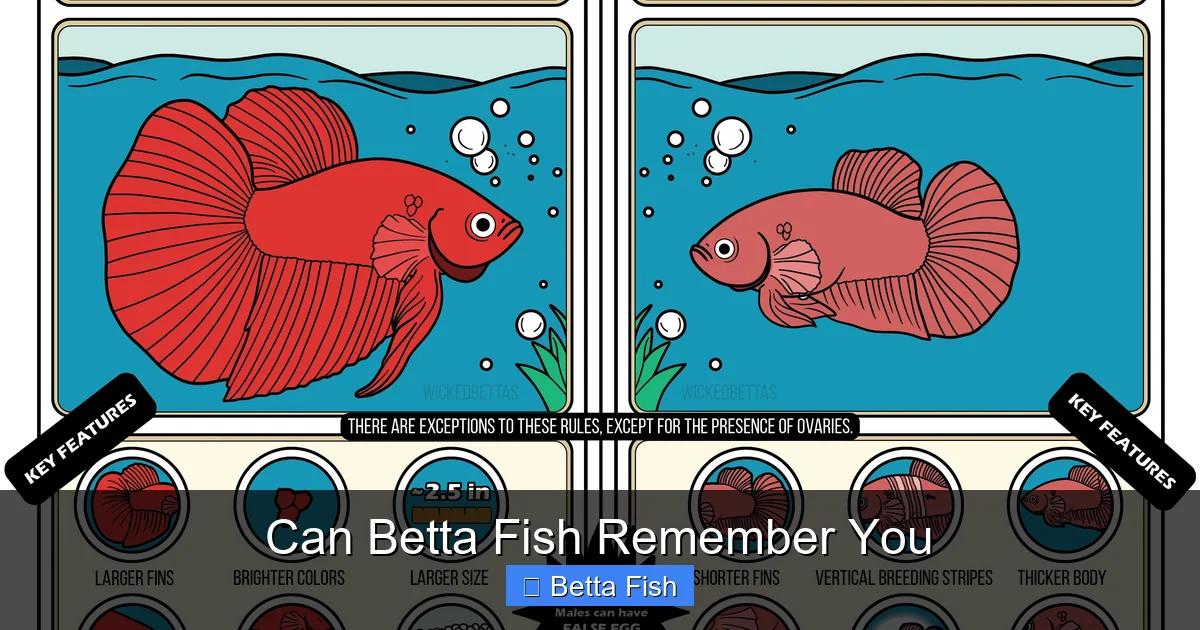
Can betta fish remember you? Yes! Betta fish can recognize their owners and remember routines over time. These intelligent creatures use visual and behavioral cues to identify the person who feeds and cares for them, forming a surprising bond that many aquarists underestimate.
If you have ever stared at your betta fish and wondered whether that little creature staring back at you actually knows who you are, you are not alone. Thousands of betta owners around the world ask the same question every single day. The short answer is a resounding yes. Betta fish can remember you, and the science behind this ability is genuinely fascinating. These small, vibrant fish are far more intelligent than most people give them credit for, and understanding how their minds work can completely change the way you care for them.
For decades, people have dismissed fish as simple creatures with no real cognitive ability. The persistent myth that all fish have only a three-second memory has done enormous damage to how we perceive aquatic pets. Betta fish, also known as Siamese fighting fish, break that stereotype every single day. They learn routines, recognize faces, and even respond to their owners in ways that feel remarkably personal. When your betta swims excitedly to the front of the tank as you walk into the room, that is not random behavior. That is recognition.
In this comprehensive guide, we will explore everything you need to know about betta fish memory and their ability to recognize you. We will dive into the science, debunk common myths, and give you practical tips for building a stronger bond with your finned companion. Whether you are a new betta owner or someone who has kept these fish for years, this article will give you a fresh appreciation for just how smart your betta really is.
Key Takeaways
- Betta fish can recognize their owners: They distinguish between different people using visual cues, scent, and behavioral patterns.
- Their memory lasts longer than commonly believed: While the myth says fish have a three-second memory, betta fish can remember things for weeks or even months.
- Feeding time creates strong associations: Bettas quickly learn who feeds them and will swim to the front of the tank when their owner approaches.
- Environmental enrichment improves memory: A stimulating tank setup with plants and decorations helps keep your betta’s mind sharp.
- Stress affects memory and recognition: Poor water quality or aggressive tank mates can impair your betta’s ability to remember and recognize you.
- Interaction strengthens the bond: Regular interaction, like finger following and training sessions, deepens the connection between you and your betta.
- Each betta has a unique personality: Some bettas are naturally more social and responsive to their owners than others.
📑 Table of Contents
- The Science Behind Betta Fish Memory
- How Betta Fish Recognize Their Owners
- Signs Your Betta Fish Remembers You
- Factors That Affect Betta Fish Memory
- How to Build a Stronger Bond With Your Betta
- Common Misconceptions About Betta Fish Intelligence
- Understanding Your Betta’s Unique Personality
- Conclusion
The Science Behind Betta Fish Memory
Debunking the Three-Second Myth
Let us get this out of the way right now. The idea that fish have a three-second memory is one of the most widespread animal myths in existence, and it is completely false. Scientific research has repeatedly demonstrated that fish, including betta fish, possess memory capabilities that last weeks, months, and in some cases, their entire lives. A study conducted at the University of Plymouth trained fish to recognize specific sounds and respond to them for food rewards. The fish remembered the association for months after the training stopped.
This myth likely originated from a misunderstanding of early animal behavior studies or was simply a case of people underestimating creatures that live in a world so different from our own. The truth is that betta fish have evolved sophisticated memory systems because their survival depends on it. In the wild, they need to remember territory boundaries, recognize predators, identify potential mates, and recall where food sources are located. A three-second memory would be an evolutionary death sentence.
How Betta Fish Brains Work
Betta fish have relatively complex brains for their size. While they lack the neocortex that mammals use for higher-order thinking, they have other brain structures that handle learning and memory. The telencephalon in fish brains is believed to play a role similar to the hippocampus in mammals, which is the region responsible for forming and storing memories.
Research on zebrafish, which are closely related to betta fish, has shown that fish can perform complex spatial learning tasks. They can navigate mazes, remember escape routes, and associate specific colors or shapes with food. Betta fish share many of these cognitive abilities. Their brains are wired to learn from experience, adapt to changing environments, and form lasting associations with stimuli they encounter regularly.
What the Research Says
Multiple peer-reviewed studies have confirmed that fish are capable of impressive feats of memory. One landmark study published in the journal “Animal Cognition” demonstrated that fish could remember the location of food in a tank for up to 12 days. Another study showed that fish could be trained to press a lever for food and would remember how to do it months later.
While specific studies on betta fish memory are less extensive than those on zebrafish or goldfish, the existing evidence strongly supports the conclusion that bettas are capable learners. Veterinarians and aquatic animal specialists who work with bettas regularly report behaviors that are consistent with long-term memory, including owner recognition, routine anticipation, and learned responses to training cues.
How Betta Fish Recognize Their Owners
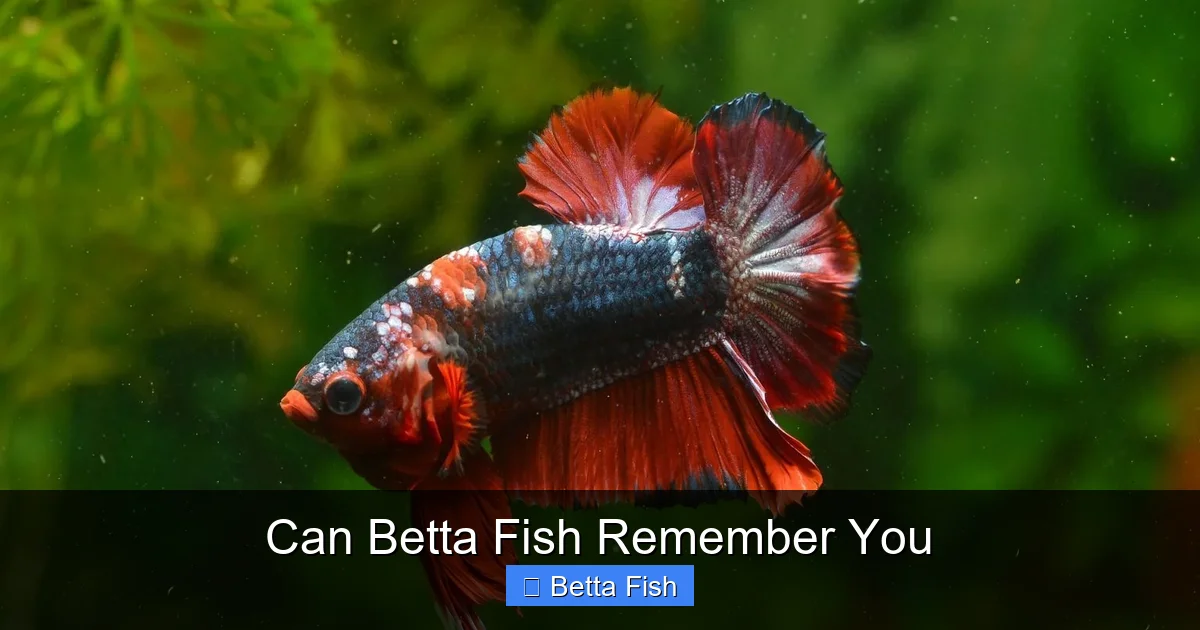
Visual guide about Can Betta Fish Remember You
Image source: fishkeepingadvice.com
Visual Recognition
Betta fish have surprisingly good eyesight. They can distinguish between different colors, shapes, and patterns, and they use this ability to identify the people around them. When you approach your betta’s tank regularly, your fish learns what you look like. They pick up on your facial features, your body shape, your clothing, and even the way you move.
Many betta owners report that their fish react differently to different family members. Some bettas will swim to the front of the tank for one person but ignore another. This differential response is strong evidence that bettas can tell people apart. They are not just reacting to any movement near the tank. They are specifically recognizing the person who has historically provided food and care.
Behavioral Cues and Routine
Beyond visual recognition, betta fish are masters of routine. They quickly learn the patterns of their daily life. If you feed your betta at the same time every day, your fish will start to anticipate feeding time and become more active and alert as that time approaches. This is classical conditioning at work, the same type of learning that Pavlov demonstrated with his famous dogs.
Your betta also picks up on behavioral cues that are unique to you. The sound of your footsteps, the way you open the tank lid, the specific container you use for food, and even the vibrations from your voice can all become signals that your betta associates with positive experiences. Over time, these associations become deeply ingrained, and your betta responds to them automatically.
The Role of Scent
While vision is the primary sense bettas use to recognize their owners, scent may also play a role. Fish have a highly developed sense of smell that they use for everything from finding food to detecting predators. Some researchers believe that bettas can learn to associate their owner’s scent with feeding and safety, adding another layer to the recognition process.
This is one reason why many betta owners notice that their fish become particularly active right after they put their hand near the water surface. The betta may be detecting skin particles or oils in the water and linking them to the person who feeds them. It is a multi-sensory recognition system that is far more sophisticated than most people realize.
Signs Your Betta Fish Remembers You

Visual guide about Can Betta Fish Remember You
Image source: i.pinimg.com
Swimming to the Front of the Tank
One of the most common and obvious signs that your betta remembers you is swimming to the front of the tank when you approach. This behavior is a learned response. Your betta has associated your presence with food, and it is essentially saying, “Hey, I know you, and I am ready to eat.” Many bettas will follow you back and forth across the tank as you move, tracking your movements with clear interest.
Active and Excited Behavior
A betta that remembers and recognizes you will often display increased activity when you are nearby. This might include flaring its gills, wiggling its body, swimming in rapid circles, or displaying its fins. While these behaviors can sometimes indicate aggression, in the context of owner recognition, they are signs of excitement and engagement. Your betta is interacting with you.
Responding to Training
If you have ever tried to train your betta, you already know how smart these fish are. Bettas can learn to follow a finger, swim through hoops, push a ball, and even jump for food. The fact that they can learn these behaviors and remember them over time is powerful evidence of their memory capabilities. A betta that has been trained will remember its training sessions and respond to cues days or weeks later.
Calm Behavior During Maintenance
Bettas that trust their owners tend to remain calm during tank maintenance activities like water changes and gravel cleaning. A betta that has formed a positive association with you will not panic when your hand enters the water. Instead, it may swim curiously around your hand or simply continue its normal activity. This calm behavior is a sign that your betta recognizes you as a safe presence rather than a threat.
Factors That Affect Betta Fish Memory
Water Quality and Tank Environment
The health of your betta’s environment has a direct impact on its cognitive function. Poor water quality, including high levels of ammonia, nitrites, or nitrates, can stress your betta and impair its ability to learn and remember. A stressed or sick betta will be less responsive and less capable of forming the associations that lead to owner recognition.
Keeping your betta in a properly maintained tank with clean water, appropriate temperature (between 76 and 82 degrees Fahrenheit), and a good filtration system is essential for supporting its mental health. If you are wondering about tank setup, you might want to read about whether betta fish can be kept in a bowl, as tank size and setup play a huge role in your betta’s overall wellbeing and cognitive function.
Diet and Nutrition
A well-fed betta is a happy and sharp betta. Proper nutrition supports brain function and memory. Bettas are carnivorous fish that need a diet rich in protein. High-quality betta pellets, supplemented with frozen or live foods like bloodworms, brine shrimp, and daphnia, provide the nutrients your betta needs to maintain optimal cognitive function.
An undernourished or malnourished betta will be lethargic and less responsive. Its brain simply will not have the energy it needs to process and store memories effectively. Feeding your betta a varied and balanced diet is one of the best things you can do to support its memory and intelligence.
Stress and Tank Mates
Stress is one of the biggest enemies of betta fish memory. A betta that is constantly stressed by aggressive tank mates, poor water conditions, or an inadequate environment will have a harder time forming positive associations with its owner. Chronic stress releases hormones that can actually damage the brain’s memory centers over time.
If you are considering adding tank mates to your betta’s aquarium, it is important to choose carefully. Some fish and invertebrates make excellent companions, while others can cause serious stress. For example, keeping betta fish with guppies can be risky because their colorful fins may trigger aggression. Similarly, housing betta fish with goldfish is generally not recommended due to vastly different temperature and water quality requirements. A peaceful, stress-free betta is far more likely to remember and recognize you.
Age and Health
Like all animals, betta fish cognitive abilities can be affected by age and health. Younger bettas tend to be more adaptable and quicker to learn, while older bettas may be a bit slower in their responses. However, older bettas that have been with their owners for a long time often display the strongest recognition because they have had more time to form lasting associations.
Health issues can also temporarily affect your betta’s memory and responsiveness. If your betta suddenly seems less interested in you or stops responding to your presence, it may be worth checking for signs of illness. Common betta diseases like fin rot, ich, and swim bladder disorder can all affect behavior and should be addressed promptly.
How to Build a Stronger Bond With Your Betta
Establish a Consistent Routine
Consistency is key when it comes to building a bond with your betta. Feed your fish at the same times every day, maintain a regular schedule for tank cleaning, and try to interact with your betta at predictable times. Your betta will quickly learn your routine and start to anticipate your interactions. This predictability creates a sense of security and trust that strengthens your bond over time.
Try Finger Training
Finger training is one of the simplest and most effective ways to interact with your betta. Place your finger on the outside of the tank and move it slowly. Many bettas will follow your finger as if it is a moving target. Over time, you can train your betta to follow your finger across the tank, swim through hoops, or even jump for food held above the water surface. These training sessions provide mental stimulation and reinforce the bond between you and your fish.
Some betta owners have even taught their fish to perform specific behaviors on cue, which is a clear sign of learning and memory. The key is patience and consistency. Short, daily training sessions of just a few minutes are more effective than long, infrequent ones.
Provide Environmental Enrichment
A boring tank leads to a bored betta. Providing environmental enrichment keeps your betta’s mind active and engaged. Live or silk plants, caves, floating logs, and decorations give your betta places to explore, hide, and interact with. Rearranging the tank decor every few weeks can also provide novel stimulation that keeps your betta curious and mentally sharp.
Floating plants are particularly popular with bettas because they provide cover near the surface, which is where bettas naturally spend much of their time. Indian almond leaves, betta hammocks, and smooth driftwood are all excellent additions to a betta tank that promote natural behaviors and mental engagement.
Talk to Your Betta
This might sound silly, but talking to your betta can actually help strengthen your bond. While your betta does not understand your words, it can learn to associate the sound of your voice with your presence. Over time, your betta may start to respond to your voice by swimming toward you or displaying increased activity. The vibrations from your voice also create subtle water movements that your betta can detect.
Many experienced betta owners swear that their fish respond more actively to them than to strangers, and vocal interaction is one of the reasons why. So go ahead and tell your betta about your day. It might just be listening.
Common Misconceptions About Betta Fish Intelligence
Fish Have a Three-Second Memory
We have already covered this myth, but it bears repeating because it is so pervasive. No credible scientific evidence supports the claim that fish have a three-second memory. Decades of research have proven otherwise. Betta fish can remember routines, recognize individuals, and learn complex behaviors that they retain for months.
Bettas Are Just Decorative Fish
Some people view betta fish as purely decorative pets that require minimal interaction. This could not be further from the truth. Bettas are intelligent, curious creatures that benefit enormously from interaction with their owners. They can become bored, depressed, and lethargic without adequate stimulation. Treating your betta as a living, thinking animal rather than a decoration will lead to a much healthier and happier fish for both of you.
Bettas Cannot Be Trained
The idea that betta fish cannot be trained is simply wrong. Bettas are capable of learning through positive reinforcement, just like many other pets. They can learn to follow targets, swim through obstacles, and respond to cues. The key is using food as a reward and keeping training sessions short and positive. Many betta owners have successfully taught their fish impressive tricks that demonstrate clear learning and memory.
Understanding Your Betta’s Unique Personality
Not all bettas are created equal when it comes to personality and social behavior. Some bettas are naturally outgoing and eager to interact with their owners, while others are more reserved and take longer to warm up. This variation is normal and is influenced by genetics, early life experiences, and individual temperament.
A betta that was well-socialized as a young fish and has been kept in a stimulating environment is more likely to be responsive and interactive. On the other hand, a betta that came from a poor breeding situation or was kept in a small, barren container may take more time to develop trust and recognition. Patience is essential. Give your betta time to adjust to its environment and your presence, and the bond will develop naturally.
It is also worth noting that bettas can display moods and preferences. Some days your betta might be more active and responsive than others, and that is perfectly normal. Paying attention to your betta’s body language and behavior patterns will help you understand its unique personality and preferences, which in turn will deepen your bond.
Conclusion
So, can betta fish remember you? Absolutely. The evidence from both scientific research and the lived experiences of thousands of betta owners makes it clear that these remarkable little fish are capable of genuine recognition, learning, and memory. Your betta knows who you are. It has learned your face, your voice, your routine, and the way you move. It associates you with food, safety, and interaction, and it responds to your presence in ways that are uniquely personal.
Understanding your betta’s memory and intelligence opens up a whole new dimension of pet ownership. By providing a clean, enriched environment, maintaining a consistent routine, and spending time interacting with your fish, you can build a bond that is surprisingly deep and rewarding. Your betta is not just a pretty fish in a tank. It is a living, thinking creature that is capable of knowing and remembering you.
The next time your betta swims to the front of the tank when you walk into the room, know that it is not just looking for food. It is recognizing you. And that is a pretty amazing thing.
Frequently Asked Questions
How long do betta fish remember things?
Betta fish can remember routines, associations, and their owners for weeks to months. Scientific research on related fish species shows memory retention lasting several months, and betta owners consistently report recognition behaviors that persist over long periods.
Can betta fish recognize their owners?
Yes, betta fish can recognize their owners through a combination of visual cues, behavioral patterns, and routine associations. Many bettas swim to the front of the tank specifically for their owner while ignoring strangers.
Do betta fish have feelings toward their owners?
While betta fish do not experience emotions in the same way humans do, they can form positive associations with their owners. They learn to trust the person who feeds and cares for them, which results in calm, excited, and interactive behavior.
Can you train a betta fish?
Absolutely. Betta fish can be trained to follow a finger, swim through hoops, jump for food, and respond to various cues. Short, positive daily training sessions using food rewards are the most effective approach.
Why does my betta swim to the front of the tank when I approach?
This behavior is a learned response. Your betta has associated your presence with feeding time and positive interaction. It is a clear sign that your betta recognizes you and is anticipating food or engagement.
Does tank size affect a betta fish memory?
Yes, tank size and environment can indirectly affect memory. A betta kept in a small, barren bowl may become stressed and lethargic, which impairs cognitive function. A properly sized, enriched tank supports better mental health and memory.