How to Treat Betta Fish Fin Loss

Fin loss in bettas can be scary, but it’s often fixable with the right water care, nutrition, and treatment. Follow these simple, step‑by‑step guidelines to stop the damage, promote regrowth, and keep your fish happy and healthy.
Key Takeaways
- Identify the cause: Poor water quality, fin rot, aggression, or injury are the main triggers.
- Quarantine first: Moving the affected betta to a hospital tank prevents spread to tank mates.
- Improve water parameters: Keep temperature, pH, and ammonia at optimal levels.
- Use proper medication: Antibiotics or antifungal treatments work best when matched to the problem.
- Boost nutrition: High‑quality protein and vitamins support fin regeneration.
- Monitor progress: Daily checks help you adjust treatment before the condition worsens.
- Prevent future loss: Regular tank maintenance and stress reduction are key.
📑 Table of Contents
Introduction: Why Fin Loss Happens and Why It Matters
Seeing a betta’s beautiful tail frayed or missing can feel like a heartbreak. Those flowing fins are not just for show; they help the fish swim, display health, and even communicate. When a fin starts to shrink, turn white, or develop holes, it’s a clear SOS signal that something in the environment or the fish’s body is out of balance.
Good news: most cases of fin loss are treatable. By understanding the root cause, cleaning up the tank, and giving your betta the right support, you can often see new fin growth within a few weeks. This guide walks you through every step, from spotting the early signs to long‑term prevention.
1. Spotting the Symptoms Early
What fin loss looks like
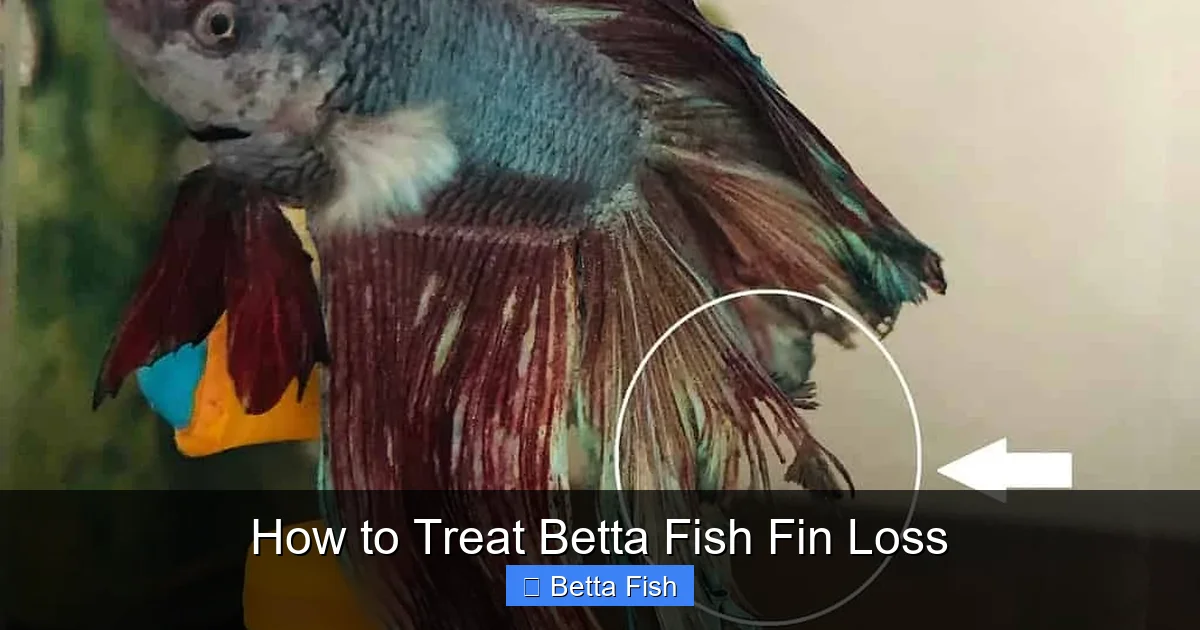
Fin loss can appear in several ways:

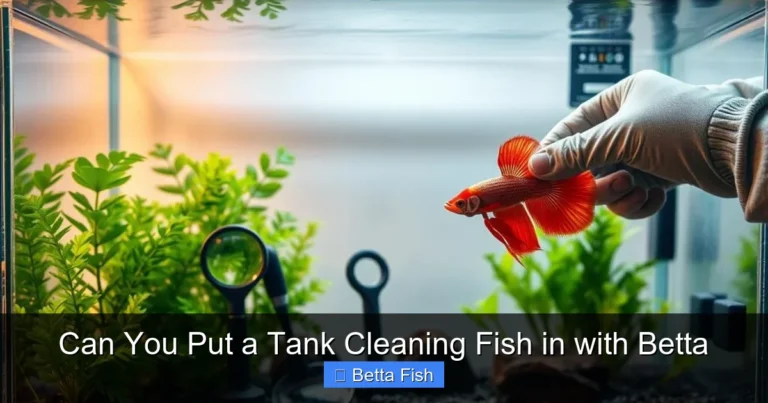
Visual guide about How to Treat Betta Fish Fin Loss
Image source: pbs.twimg.com
- Frayed edges: The tips look ragged or torn.
- White or cloudy patches: Often a sign of infection.
- Holes or missing sections: May indicate fin rot or injury.
- Bleeding or raw tissue: A serious sign that needs immediate care.
When to act
If you notice any of these changes, start treatment within 24‑48 hours. The faster you act, the less likely the damage will spread to the rest of the fin or to other fish.
2. Finding the Root Cause
Common culprits
Fin loss rarely happens for no reason. Look at these typical triggers:
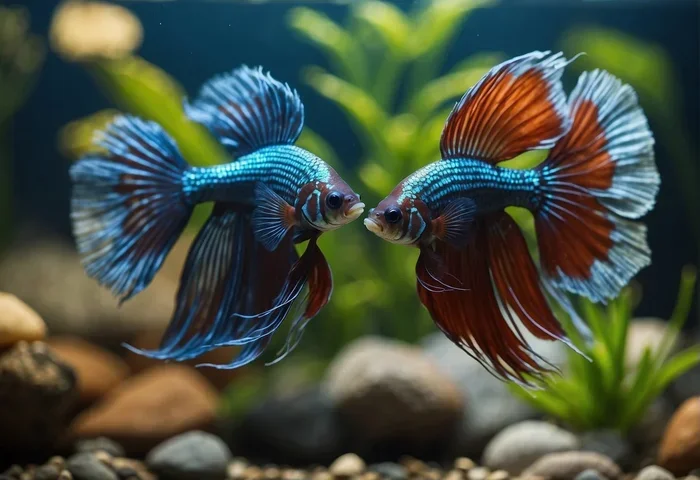
Visual guide about How to Treat Betta Fish Fin Loss
Image source: a-z-animals.com
- Fin rot: A bacterial or fungal infection that eats away at fin tissue. Learn how to cure fin rot in betta fish here.
- Poor water quality: High ammonia, nitrite, or incorrect pH can stress the fish.
- Stress from aggression: Other fish or a cramped tank can cause fighting.
- Physical injury: Sharp decorations or rough handling.
- Parasites: Some external parasites nibble at fin edges.
Testing your water
Grab a reliable test kit and check:
- Ammonia – should be 0 ppm.
- Nitrite – 0 ppm.
- Nitrate – under 20 ppm.
- pH – between 6.5 and 7.5 for bettas.
- Temperature – 78‑80 °F (25‑27 °C).
If any value is off, correct it before moving on to medication.
3. Setting Up a Quarantine (Hospital) Tank
Why quarantine works
A separate, clean tank gives you control over water parameters and prevents the disease from spreading. It also reduces stress for the sick betta, giving it a quiet space to heal.

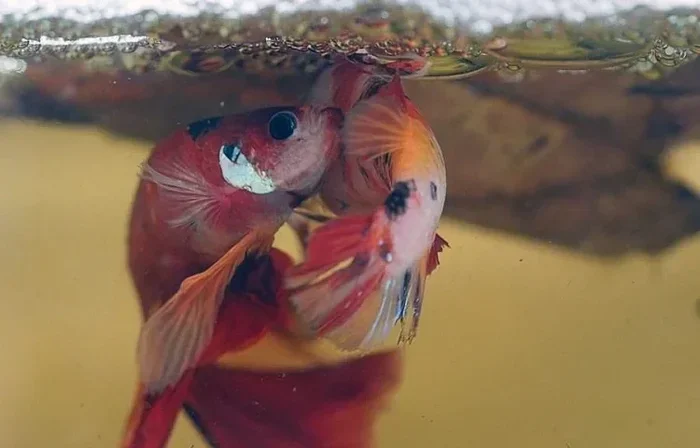
Visual guide about How to Treat Betta Fish Fin Loss
Image source: cdn.pixabay.com
Step‑by‑step setup
- Choose a small tank: 2‑5 gallon is enough.
- Use a sponge filter: Gentle flow, no suction that could damage delicate fins.
- Condition the water: Dechlorinate and bring temperature to the same range as the main tank.
- Add hiding spots: A small piece of smooth rock or a plant provides comfort.
- Do a partial water change (25‑30%): Fresh water helps dilute any lingering pathogens.
4. Treating the Fin Loss
Cleaning the tank water
Good water is the foundation of any treatment. Perform a 25 % water change daily for the first three days, then every other day until the fin looks stable.
Medication options
Choose a treatment based on the suspected cause:
- Bacterial fin rot: Broad‑spectrum antibiotics like Maracyn 2 (oxytetracycline) at 5 ml per 10 g of fish weight, dissolved in the water.
- Fungal infection: Antifungal agents such as Mardel (malachite green) or a 1 % hydrogen peroxide dip for 2‑3 minutes.
- Parasites: Copper‑based treatments (e.g., Cupramine) at 0.15 ppm, but only after confirming the fish is not a livebearer.
Always follow the product label and never exceed the recommended dosage.
Topical care
If the fin has raw edges, you can dip the fish for a short period:
- Fill a clean container with water matching tank temperature.
- Add 1 % (10 ml per liter) of aquarium‑safe hydrogen peroxide.
- Gently place the betta in the solution for 2‑3 minutes.
- Rinse with clean, treated water before returning to the quarantine tank.
Nutrition for regrowth
Healing tissue needs protein and vitamins. Offer high‑quality betta pellets, frozen or live brine shrimp, and a few daphnia a few times a week. Adding a vitamin supplement (e.g., a B‑complex liquid) once a week can speed up fin regeneration.
5. Monitoring Progress and Adjusting Care
Daily checks
Look for these signs each day:
- Fin edges becoming less ragged.
- No new white spots or bleeding.
- Normal swimming and appetite.
If the condition worsens after 48 hours, increase the medication dose slightly (never more than double) or switch to a different antibiotic. Persistent decline may mean a secondary infection; consult a vet if possible.
When to re‑introduce to the main tank
Only move the betta back when:
- Fin loss has stopped progressing for at least 5 days.
- Water parameters in both tanks are stable.
- All medication has been cleared (usually after a 7‑day course).
Do a final 20 % water change in the main tank before re‑introduction to keep the environment fresh.
6. Preventing Future Fin Loss
Regular tank maintenance
Consistent cleaning is the best defense. Change 20‑30 % of water weekly, scrub algae, and vacuum substrate. Use a reliable filter sized for at least twice the tank volume.
Stress reduction tips
- Provide plenty of hiding spots and plants.
- Avoid housing aggressive species with bettas.
- Maintain a stable temperature; sudden drops cause stress.
- Limit handling – use a soft net and avoid squeezing.
Nutrition and health checks
Feed a varied diet and watch for appetite changes. A healthy betta will eat twice a day, taking only what it can finish in 2‑3 minutes.
For a deeper dive into overall betta health, check out our guide on how to keep a betta fish alive.
Conclusion: Your Betta’s Fins Can Grow Back
Fin loss is a common alarm bell, but with quick action, clean water, proper medication, and good nutrition, most bettas will regrow their spectacular tails. Treat the problem as a puzzle: identify the cause, isolate the fish, clean the environment, apply the right medicine, and feed for recovery. By staying vigilant and keeping the tank pristine, you’ll give your betta the best chance to flaunt those gorgeous fins for years to come.
Frequently Asked Questions
What is the most common cause of fin loss in betta fish?
Fin rot, caused by bacterial or fungal infection, is the leading cause, often triggered by poor water quality or stress.
Should I use medication in the main tank or a quarantine tank?
It’s safest to treat in a separate quarantine (hospital) tank to prevent spreading the disease to any tank mates.
How long does it take for a betta’s fin to regrow?
With proper care, new fin tissue can start appearing within 1‑2 weeks, and full regrowth may take 4‑6 weeks.
Can I treat fin loss with home remedies like vinegar?
Vinegar is too harsh for bettas. Use aquarium‑safe treatments such as hydrogen peroxide dips or approved antibiotics.
Is fin loss ever a sign of a more serious disease?
Yes, it can indicate dropsy or internal infections. If you see bloating, lethargy, or white spots on the body, see the guide on how to treat dropsy in betta fish.
How often should I clean my betta’s tank to prevent fin problems?
Perform a 20‑30 % water change weekly and clean the substrate and filter monthly to keep water parameters stable.