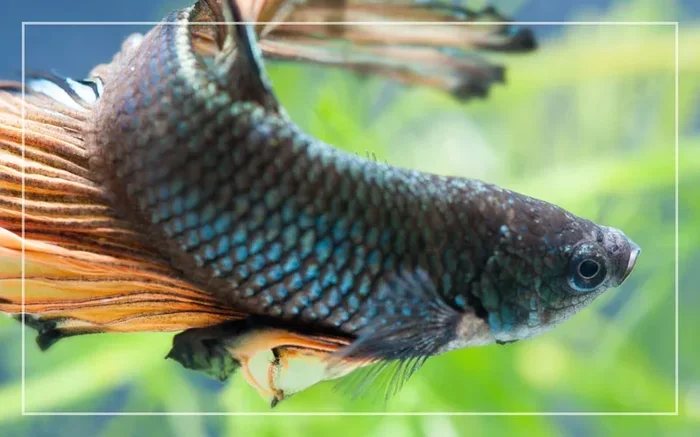
How Often Should You Change a Betta Fish& 39

Knowing how often should you change a betta fish water is one of the most important parts of betta care. Most experts recommend doing a 20-30% water change every week for a standard tank. The exact frequency depends on tank size, filtration, and whether you keep your betta in a bowl or a larger aquarium. This guide walks you through everything you need to know about maintaining clean, safe water for your betta fish.
Key Takeaways
- Weekly water changes are essential: A 20-30% water change every week keeps ammonia and nitrite levels safe for your betta.
- Tank size matters: Smaller bowls need more frequent changes, while larger tanks with filters can stretch the schedule slightly.
- Always treat new water: Tap water contains chlorine and chloramine that harm bettas. Use a water conditioner before adding it to the tank.
- Watch for warning signs: Cloudy water, strong odors, or a stressed betta all signal that a water change is overdue.
- Match the temperature: New water should be close to the tank temperature to avoid shocking your fish.
- Gravel vacuuming helps: Removing debris from the substrate during water changes keeps the environment cleaner longer.
- Consistency beats perfection: Sticking to a regular schedule matters more than doing a massive all-at-once change.
📑 Table of Contents
- How Often Should You Change a Betta Fish Water
- How Often to Change Water for Betta Fish
- Signs Your Betta Needs a Water Change Sooner
- How to Change Betta Fish Water the Right Way
- Common Mistakes People Make When Changing Betta Water
- How Water Changes Affect Your Betta’s Health
- Creating a Water Change Schedule That Works
- Final Thoughts
How Often Should You Change a Betta Fish Water
If you own a betta fish, you have probably asked yourself this question at some point. how often should you change a betta fish water is one of the most common concerns among new and experienced fish keepers alike. The answer is not as simple as a single number, but I will walk you through everything you need to know.
Betta fish are native to warm, slow-moving waters in Southeast Asia. They are resilient creatures, but that does not mean they can thrive in dirty water. Regular water changes remove harmful toxins, replenish essential minerals, and keep your betta feeling comfortable. Without consistent maintenance, ammonia and nitrite can build up quickly and cause serious health problems.
The general rule of thumb is to perform a partial water change every week. But the exact amount and frequency depend on several factors. Let us break down what those factors are and how they affect your betta’s environment.
Why Water Changes Matter for Betta Fish
Fish waste, leftover food, and decaying plant matter all release ammonia into the water. Even small amounts of ammonia are toxic to bettas. A good filter helps break down ammonia, but it cannot remove it entirely. That is where regular water changes come in.
When you replace a portion of the water, you dilute the toxins and add fresh, oxygen-rich water back into the tank. This keeps the nitrogen cycle balanced and your betta healthy. Skipping water changes, even for a short time, can lead to stress, disease, and a shorter lifespan for your fish.
If you want to learn more about the broader care routine, check out our guide on how do you care for a betta fish. It covers feeding, tank setup, and water maintenance in one place.
How Often to Change Water for Betta Fish
The frequency of water changes depends mainly on your setup. A small bowl without a filter needs more attention than a larger tank with a good filtration system. Here is a breakdown based on common setups.
Betta Bowls and Small Tanks (Under 5 Gallons)
For tanks under 5 gallons, you should do a 50% water change every week. These small volumes accumulate toxins fast. Without enough water volume to dilute waste, the water quality drops quickly. If your betta lives in a bowl, consider upgrading to a small tank with a filter. A filter makes a big difference in maintaining stable water conditions.
Medium Tanks (5-10 Gallons)
A 5 to 10 gallon tank with a filter can handle a 25-30% water change every week. The filter provides more biological filtration, which means beneficial bacteria can break down waste more effectively. You still need to do regular changes, but the schedule is a bit more forgiving than with a small bowl.
Larger Tanks (10+ Gallons)
In tanks over 10 gallons, a 20% water change every week or a 30% change every two weeks works well. The larger water volume dilutes toxins more effectively. Just make sure your filter is appropriate for the tank size and that you are not overfeeding your fish.
Signs Your Betta Needs a Water Change Sooner
Sometimes the schedule alone is not enough. You need to pay attention to what is happening in the tank. Here are clear signs that your betta needs fresh water right away.
- Cloudy water: This often signals a bacterial bloom or excess waste. A water change will help clear it up.
- Strong ammonia smell: If you can smell ammonia near the tank, the water is overdue for a change.
- Lethargic betta: A fish that stays at the bottom or hides frequently may be stressed by poor water quality.
- Loss of color: Bettas that look faded or dull might be dealing with toxin buildup in the water.
- Frequent gasping at the surface: This can indicate low oxygen levels or high ammonia.
If you notice any of these signs, do a water change immediately. For more information on recognizing distress signals, read our article on how do you know a betta fish is dying. Catching water quality issues early can prevent serious health problems.
How to Change Betta Fish Water the Right Way
Changing the water is not just about pouring out old water and adding new water. There is a proper method to follow that keeps your betta safe and stress-free.
Step 1: Prepare the New Water
Start by filling a bucket or container with tap water. Add a water conditioner to remove chlorine, chloramine, and heavy metals. Let the water sit for a few minutes so it reaches room temperature or matches the tank temperature. Sudden temperature changes can shock your betta.
Step 2: Remove the Old Water
Use a gravel vacuum or a siphon to remove the recommended percentage of water. This also pulls out debris from the substrate. Focus on areas near your betta’s favorite spots and around any decorations where waste tends to collect.
Step 3: Add the Fresh Water
Slowly pour the new water into the tank. Avoid pouring directly on your betta or disturbing the gravel too much. If the water is slightly cooler or warmer than the tank, it should be close enough not to cause stress.
For a detailed walkthrough of this process, visit our guide on how to do a water change for betta fish. It includes extra tips for beginners who want to get it right the first time.
Quick Tips for Stress-Free Water Changes
- Always use a water conditioner. Never add untreated tap water directly to the tank.
- Match the temperature of the new water to the tank water as closely as possible.
- Do not remove more than 50% of the water at once. Large water swings destabilize the nitrogen cycle.
- Clean the tank glass while you are at it. Algae buildup can affect water quality.
- Wash your hands before handling any tank equipment to avoid introducing contaminants.
Common Mistakes People Make When Changing Betta Water
Even well-meaning betta owners make mistakes during water changes. Here are the most common ones and how to avoid them.
Using Untreated Tap Water
This is the number one mistake. Tap water contains chemicals that are safe for humans but deadly for fish. Always use a conditioner. It takes just a few drops and makes a huge difference.
Changing All the Water at Once
Some beginners think a full water change is better. It is not. Replacing 100% of the water wipes out beneficial bacteria and causes major parameter swings. Stick to partial changes of 20-50% depending on your tank size.
Ignoring Temperature Matching
Betta fish are tropical fish and prefer warm, stable water. Adding cold water can cause temperature shock. Use a thermometer if you are unsure. For more on maintaining the right environment, check out how often to change a betta fish water for schedule tips.
Forgetting to Clean the Substrate
Waste builds up in the gravel and sand at the bottom of the tank. A gravel vacuum during water changes removes this debris and keeps the tank cleaner between changes.
Overfeeding Before a Water Change
Uneaten food decays quickly and spikes ammonia levels. Feed your betta lightly before a water change, and remove any leftover food within a few minutes.
How Water Changes Affect Your Betta’s Health
Regular water changes do more than just keep the water clear. They directly impact your betta’s overall health and longevity. Clean water reduces the risk of fin rot, bacterial infections, and parasitic outbreaks. A well-maintained tank also helps your betta display its vibrant colors and natural behaviors.
Bettas in clean water tend to be more active and curious. They build bubble nests more frequently, which is a sign of a happy, healthy male betta. On the other hand, fish kept in dirty water often become withdrawn, lose their appetite, and develop health issues over time.
If you are noticing that your betta seems less active than usual, the water quality might be the culprit. Performing a water test with an aquarium test kit can reveal hidden ammonia or nitrite spikes. Catching these problems early through regular water changes is much easier than treating diseases after they take hold.
For information on how to spot serious health decline, read our article on how can you tell if a betta fish is dying. Prevention through good water maintenance is always better than treatment.
Creating a Water Change Schedule That Works
Consistency is key when it comes to betta care. Setting up a simple schedule helps you stay on track and never miss a water change. Here is how to build a routine that fits your lifestyle.
- Pick a specific day of the week. Sunday or Saturday works well for most people.
- Set a reminder on your phone or put a note on your fridge.
- Keep your water conditioner, bucket, and gravel vacuum in one easy-to-reach spot.
- Do a quick water test before each change to track trends over time.
- Adjust the percentage of water changed based on your test results and tank conditions.
Sticking to a schedule takes a few weeks to build into a habit. Once it becomes routine, it only takes about 15-20 minutes per week. Your betta will thank you with vibrant colors, steady appetite, and energetic swimming.
Want to dive deeper into feeding schedules that complement your water change routine? Read our article on how often do you feed a betta fish. Proper feeding reduces waste and keeps the water cleaner between changes.
Final Thoughts
So how often should you change a betta fish water? The answer is clear: at least once a week, with 20-30% of the water replaced in most setups. Smaller tanks need more frequent changes, while larger tanks with good filters can stretch things out slightly. The most important thing is to stay consistent and watch your fish for any signs of stress.
Clean water is the foundation of a healthy betta fish tank. Combine regular water changes with proper feeding, good filtration, and a stable temperature, and your betta will thrive for years to come. Start building your water change routine today and give your betta the best possible home.
Frequently Asked Questions
How often should I change betta fish water in a 3 gallon bowl?
In a 3 gallon bowl without a filter, you should do a 50% water change every week. Small bowls accumulate toxins quickly because there is less water to dilute waste. Consider upgrading to a larger tank with a filter if possible.
Can I use tap water directly for my betta fish?
No, always use a water conditioner to treat tap water before adding it to your tank. Tap water contains chlorine and chloramine that are harmful to bettas. A conditioner removes these chemicals in seconds.
What happens if I do not change my betta fish water regularly?
Without regular water changes, ammonia and nitrite levels rise in the tank. This causes stress, disease, and can eventually lead to death. Bettas in dirty water lose their color, become lethargic, and are more susceptible to infections.
How long can a betta fish go without a water change?
A betta should not go more than one week without a water change. In a small unfiltered bowl, even a few days without a change can cause harmful toxin buildup. Stick to a weekly schedule for the best results.
Should I change all the water at once during a water change?
Never change all the water at once. Removing 100% of the water eliminates beneficial bacteria and causes dangerous parameter swings. Stick to partial changes of 20-50% depending on your tank size.
Does a filter eliminate the need for water changes?
No, a filter helps but does not replace water changes. Filters remove debris and host beneficial bacteria, but they cannot remove dissolved toxins or replenish minerals. Water changes are still essential even with a filter running.