How Can You Tell If a Betta Fish Is Dying
Notice the subtle cues—loss of color, erratic swimming, and unusual breathing—that signal a betta may be dying. Quickly checking water quality, diet, and behavior can often turn a crisis into a recovery.
Key Takeaways
- Watch the fins: Ragged or clamped fins often mean stress or disease.
- Check breathing: Labored or surface‑only breathing signals poor water or illness.
- Observe color: Faded or blotchy color is an early warning sign.
- Test water: Ammonia, nitrite, and pH spikes are common culprits.
- Notice behavior: Lethargy, loss of appetite, or frantic swimming indicate trouble.
- Act fast: Prompt water changes and vet‑approved treatments can save a dying betta.
- Prevention works: Consistent tank maintenance reduces the chance of a fatal decline.
📑 Table of Contents
Introduction
Betta fish are tiny, vibrant companions that bring a splash of color to any room. Because they’re so eye‑catching, it’s heartbreaking when they start to look sick or, worse, seem to be dying. Knowing how can you tell if a betta fish is dying is more than just a curious question—it’s a lifesaver.
In this guide we’ll walk through the most common signs that a betta is in trouble, break down the science behind each symptom, and give you practical steps to intervene. Think of it as a friendly chat over a cup of tea, with plenty of real‑world examples you can try today.
1. Physical Appearance: The First Red Flag
Faded or Patchy Color
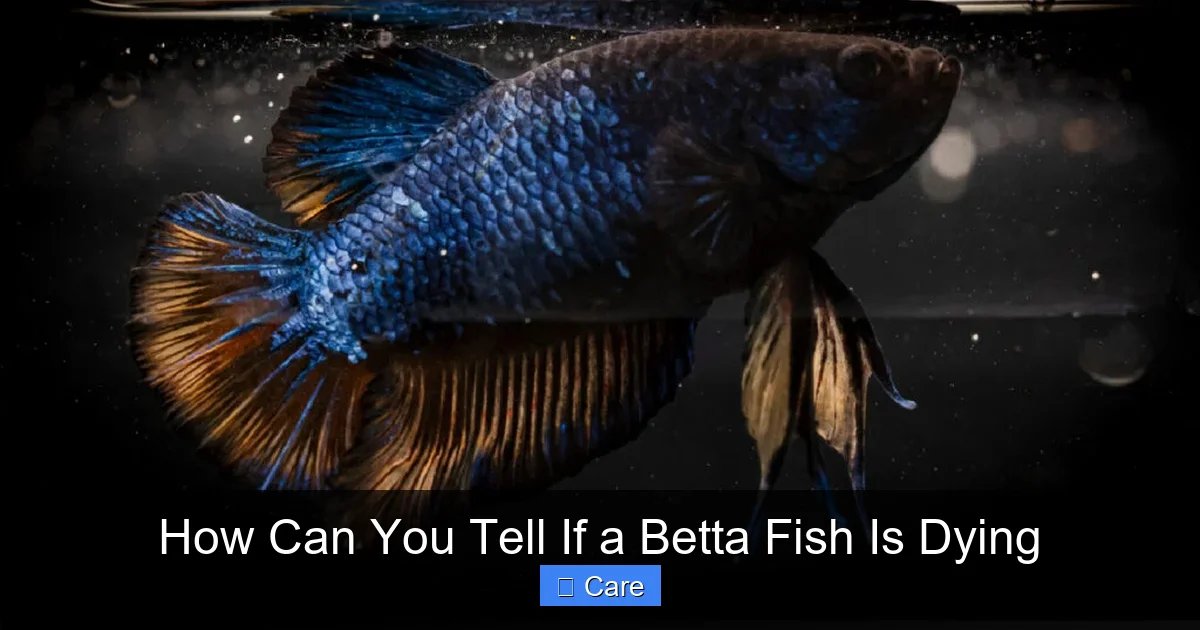
A healthy betta shines with bright blues, reds, or purples. When the pigment starts to wash out, it’s often the first hint that something’s wrong. Color loss can be caused by stress, poor water, or an underlying infection.
Visual guide about How Can You Tell If a Betta Fish Is Dying
Image source: buildyouraquarium.com
Clamped or Torn Fins
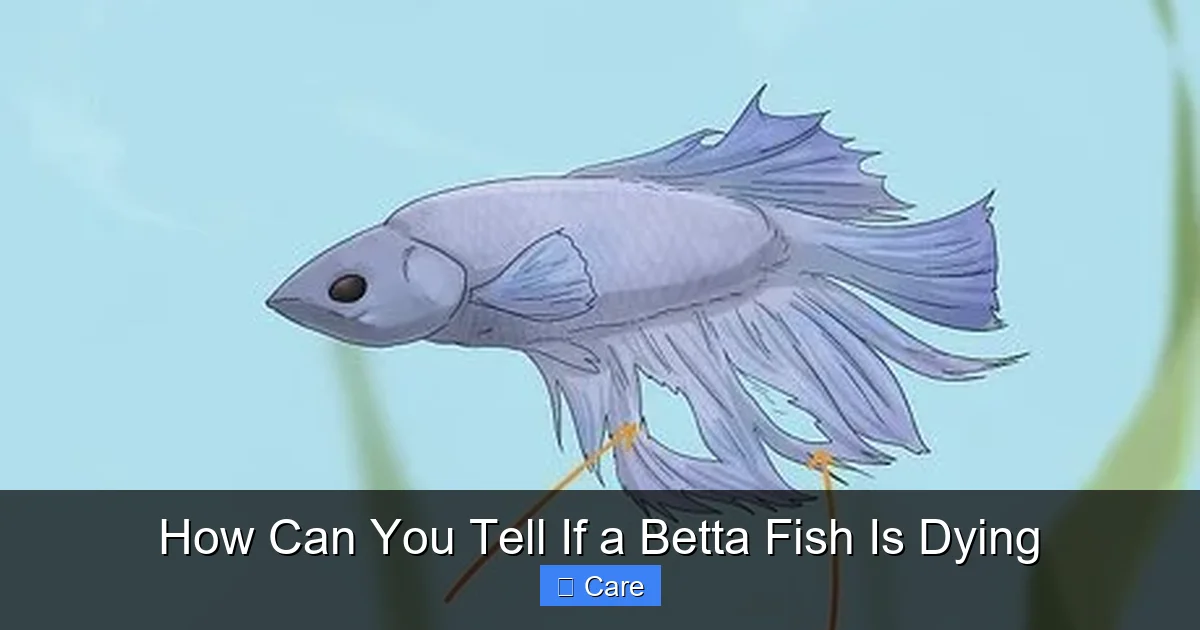
Watch the fins when your betta is at rest. If they’re held close to the body (clamped) or you see ragged edges, it usually means the fish is fighting a disease or dealing with water quality problems.
Bloated Abdomen
Swelling around the belly can indicate constipation, internal parasites, or a bacterial infection. Gently feel the abdomen—if it feels firm and the fish is not eating, act quickly.
2. Breathing Patterns: When the Gills Tell a Story
Labored Breathing
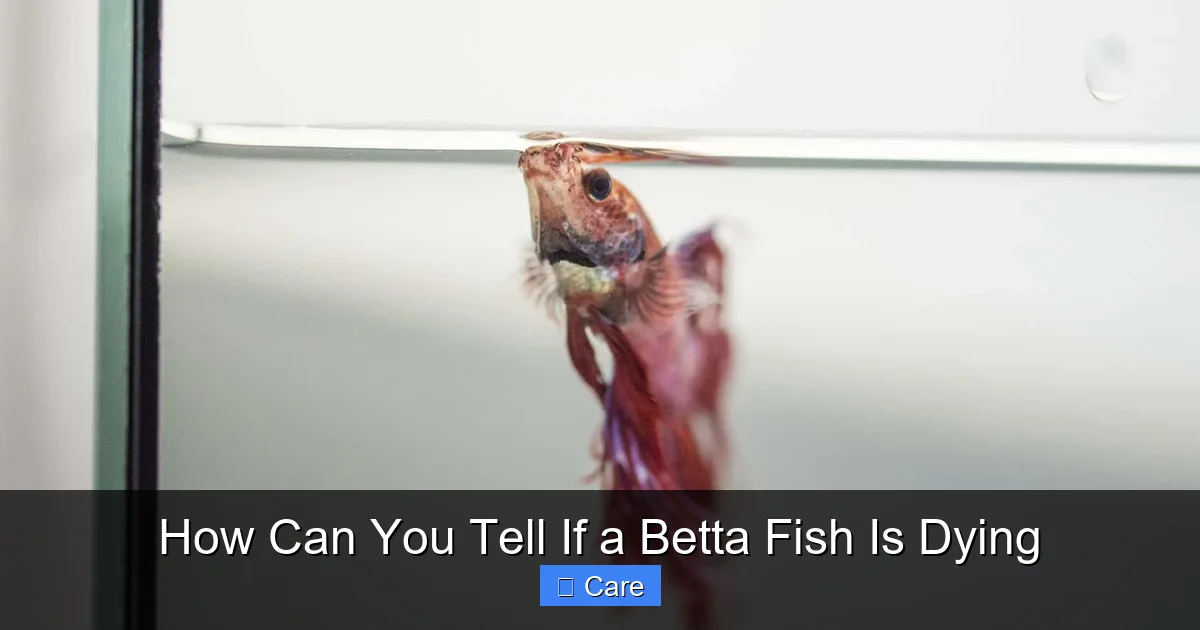
Betta fish breathe through a labyrinth organ that allows them to gulp air from the surface. If you see rapid, shallow gulps or the fish is constantly at the top, the water may be low in oxygen or high in toxins.
Visual guide about How Can You Tell If a Betta Fish Is Dying
Image source: aquariadise.com
Gasping at the Surface
Occasional surface trips are normal, but constant gasping is a red flag. Check ammonia and nitrite levels immediately.
3. Behavior Changes: The Subtle Signals
Lethargy and Hiding
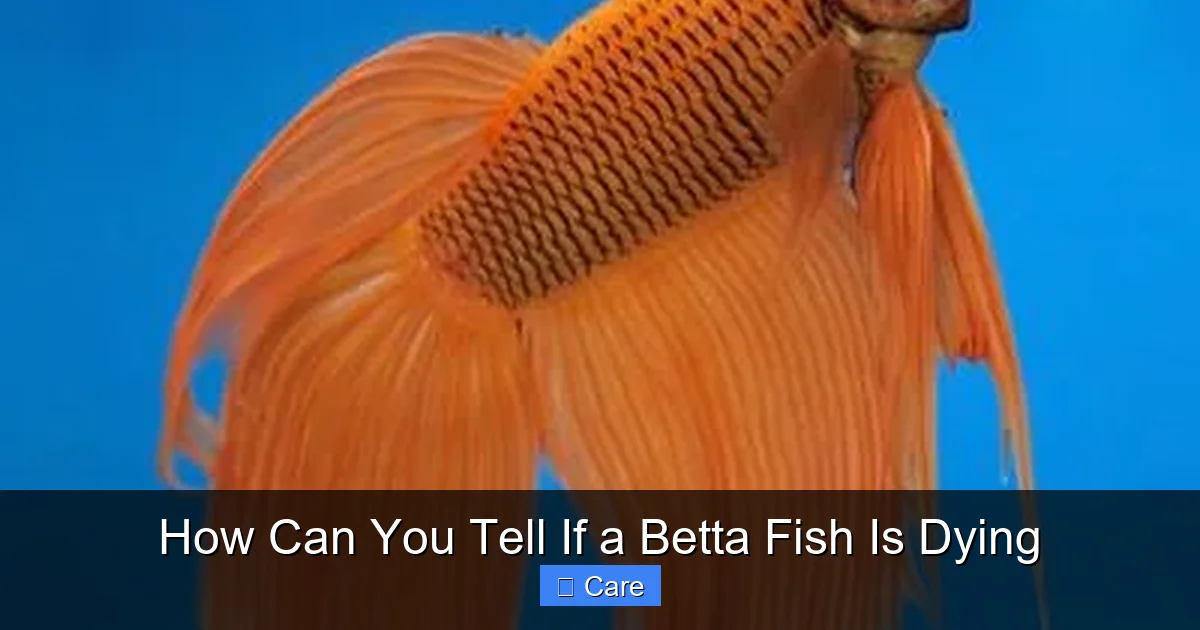
A normally active betta that spends most of the day floating motionless or hiding under decorations is likely unwell.
Visual guide about How Can You Tell If a Betta Fish Is Dying
Image source: infishtank.com
Loss of Appetite
If your betta refuses food for more than 24‑48 hours, it could be a sign of stress, disease, or water issues.
Erratic Swimming
Spinning, crashing into the glass, or swimming upside‑down are classic signs of swim‑bladder problems or neurological issues.
4. Water Quality: The Hidden Enemy
Testing Basics
Invest in a simple test kit. Measure ammonia, nitrite, nitrate, and pH. Ideal ranges for bettas are:
- Ammonia: 0 ppm
- Nitrite: 0 ppm
- Nitrate: < 20 ppm
- pH: 6.5 – 7.5
Common Water Problems
High ammonia or nitrite is toxic and can cause breathing distress. A sudden pH swing can stress the fish’s gills, leading to a rapid decline.
How to Fix Bad Water
Perform a 25‑30 % water change with conditioned water. Use a gravel vacuum to remove debris, and consider a small filter if you don’t already have one. For more detailed steps, see our guide on how do you change a betta fish water.
5. Nutrition and Feeding Mistakes
Overfeeding
Too much food leads to excess waste, which spikes ammonia. Feed 2‑3 small pellets once or twice a day, and remove uneaten food after five minutes.
Poor Diet
Betas need high‑protein foods. Low‑quality flakes can cause digestive issues and a weakened immune system, making the fish more vulnerable to disease.
When to Fast
If your betta looks ill, a short fast (24 hours) can clear the digestive tract. Resume feeding with a high‑quality, easily digestible diet once appetite returns.
6. When to Seek Professional Help
Identifying Serious Illness
If you notice white spots (ich), cotton‑like growths (fungus), or a slime coat loss, it’s time to treat with appropriate medication. Always follow dosage instructions carefully.
Veterinary Care
For persistent issues—especially if water parameters are stable—consult a fish‑savvy veterinarian. Early intervention can be the difference between recovery and loss.
Conclusion
Understanding how can you tell if a betta fish is dying equips you to act before it’s too late. By keeping an eye on color, fins, breathing, behavior, and water quality, you can catch problems early and provide the right care. Remember, prevention is always easier than cure: maintain clean water, feed a balanced diet, and observe your betta daily. With a little vigilance, your vibrant companion will thrive for years to come.
Frequently Asked Questions
What are the first signs that my betta is dying?
Faded color, clamped or torn fins, labored breathing, loss of appetite, and constant hiding are common early warnings.
Can water temperature affect a betta’s health?
Yes. Betta fish prefer 76‑82 °F (24‑28 °C). Temperatures outside this range can stress the fish and accelerate disease.
How often should I change my betta’s water?
A 25‑30 % water change weekly is ideal. If you notice any signs of distress, perform a partial change immediately.
Is it normal for a betta to gasp at the surface?
Occasional surface trips are normal, but constant gasping indicates low oxygen or poor water quality and needs attention.
When should I consider medication?
If you see visible parasites, fungal growth, or a sudden loss of the slime coat, start treatment with a medication designed for bettas.
How can I prevent my betta from getting sick?
Maintain stable water parameters, feed a high‑quality diet, avoid overfeeding, and keep the tank clean. Regular observation helps catch issues early.