Where Can I Buy a Purple Betta Fish
Purple betta fish are a rare and stunning variation, not a distinct breed. You can find them through specialized local fish stores, reputable online breeders, and select online marketplaces, but extreme caution is needed to avoid scams. Always prioritize fish health and seller reputation over color intensity, as many fish sold as “purple” are actually dark blue or have iridescent hues. Proper tank setup and care are crucial for maintaining their beautiful coloration.
So, you’ve fallen in love with the dreamy, regal look of a purple betta fish. That shimmering lavender, deep violet, or royal amethyst hue is undoubtedly one of the most sought-after colors in the betta world. But here’s the first, crucial truth you need to know: finding a genuinely purple betta fish is a real treasure hunt. True, solid purple (like a grape) is an extremely rare genetic expression. What is often marketed and photographed as “purple” is typically a very deep, dark blue, a steel blue with purple iridescence, or a fish whose scales reflect light in a way that creates a purple sheen. This distinction is vital as you begin your search, because it sets realistic expectations and helps you navigate a market full of stunning but often mislabeled fish. Your goal isn’t just to buy *a* purple betta; it’s to buy a healthy, well-bred fish from an ethical source that will thrive in your care for years to come.
The journey to finding your perfect purple companion splits into two main paths: the tangible, local hunt and the vast, digital landscape. Each has its own set of advantages, pitfalls, and strategies. The local route allows you to see the fish’s current health and activity in person, while the online world opens up a national or even international selection of specialized breeders. However, the online realm is also rife with misleading photos, poor shipping practices, and outright scams. This guide will walk you through every credible option, arming you with the questions to ask, the red flags to spot, and the knowledge to make a purchase you can feel confident about. We’ll cover everything from the neighborhood aquarium shop to the curated online marketplace, ensuring your investment in that beautiful purple hue goes to a fish that will actually display it, healthily, in your tank.
Key Takeaways
- True purple is exceptionally rare: Most “purple” bettas are actually deep blues or have iridescent scales that appear purple under certain lights. Genuine, solid purple bettas are a genetic anomaly.
- Reputable sources are non-negotiable: Buy from specialized local fish stores, established online betta breeders, or curated online marketplaces with strict seller vetting. Avoid generic big-box pet stores and random social media sellers.
- Health trumps color: A vibrant but unhealthy fish will lose its color and die. Prioritize clear eyes, intact fins, active behavior, and clean store conditions over an intense purple hue.
- Online buying requires diligence: Research breeders thoroughly, read reviews, understand shipping policies (live arrival guarantees), and request recent, clear photos/videos of the specific fish you’ll receive.
- Pricing reflects rarity and quality: Expect to pay significantly more for a true purple betta from a quality source ($50-$200+) compared to common varieties ($5-$15). High price doesn’t always guarantee health or true color.
- Your tank setup preserves color: Proper water parameters, a balanced diet (including color-enhancing foods), low stress, and appropriate lighting are essential to maintain and potentially enhance your betta’s purple hues.
- Beware of photo manipulation: Online photos are often heavily edited or taken with special lighting to enhance color. Request an unedited video in natural light before purchasing.
📑 Table of Contents
- Understanding the Rarity and Genetics of the “Purple” Betta
- Reputable Local Sources: Your Neighborhood Fish Store
- Online Breeders and Marketplaces: The Digital Deep Dive
- What to Look For: Verifying Health and True Color Online
- Pricing Factors: Why Purple Betta Fish Cost More
- After the Purchase: Setting Up for Success and Color
- Conclusion: The Reward of a Thoughtful Purchase
Understanding the Rarity and Genetics of the “Purple” Betta
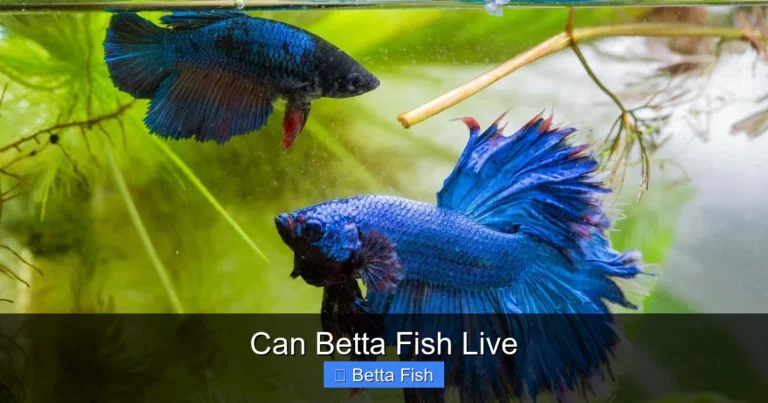
Before you even start looking, you must understand what you’re actually looking for. The brilliant colors of betta fish come from layers of pigment cells (chromatophores) in their skin. The primary layers are yellow (xanthophores), black (melanophores), and red/orange (erythrophores). The magical iridescent blues and greens—and the purples you’re after—come from a different mechanism. These are not pigments but are caused by structural coloration. Light refracts through guanine crystals in specialized cells called iridophores, creating that metallic, shimmering effect that can look blue, green, turquoise, or violet depending on the angle and lighting.
The Myth of Solid Purple
A truly solid, matte purple betta, like a plush toy, is almost unheard of in the commercial market. The genetic combination to produce a dense, uniform purple pigment (without blue or red undertones) is incredibly complex and unstable. Most fish advertised as purple will fall into one of these categories:
- Dark Blue with Purple Iridescence: This is the most common. Under tank lighting, especially LED or certain bulbs, the blue iridescence can read as a deep violet or eggplant purple.
- Steel Blue/Grey with Lavender Sheen: A lighter base color with a purple metallic overlay.
- Multicolored/Butterfly with Purple: A pattern where purple is one of the dominant colors, often mixed with blue or red.
- True Iridescent Purple: A rare but possible outcome where the guanine crystals are arranged to primarily reflect purple wavelengths. This is highly prized.
When you search, look for terms like “purple iridescent,” “lavender,” “violet,” or “amethyst.” Reputable breeders will use precise color descriptors, not just the catch-all “purple.”
Why Rarity Affects Where You Buy
Because this color variation is so rare and not consistently bred for, you won’t find it at just any pet store. The supply chain for specialty colors flows from dedicated hobbyist breeders who work for generations to stabilize color lines. Therefore, your search must focus on outlets that connect directly with these breeders or stock from them. This immediately filters out large chain pet stores, which typically source from commercial wholesalers breeding for hardiness and common colors (red, blue, veiltail), not rare hues. Understanding this genetics lesson saves you from wasting time at the wrong places and helps you identify a seller who knows their stuff—a good sign they’re sourcing from knowledgeable breeders.
Reputable Local Sources: Your Neighborhood Fish Store
The first place many people look is their local pet store, but a strategic approach is needed. Forget the large corporate chains for this specific search. Your target is the specialized, independently-owned aquarium shop. These stores often have relationships with local breeders or importers who deal in higher-quality, show-grade bettas.
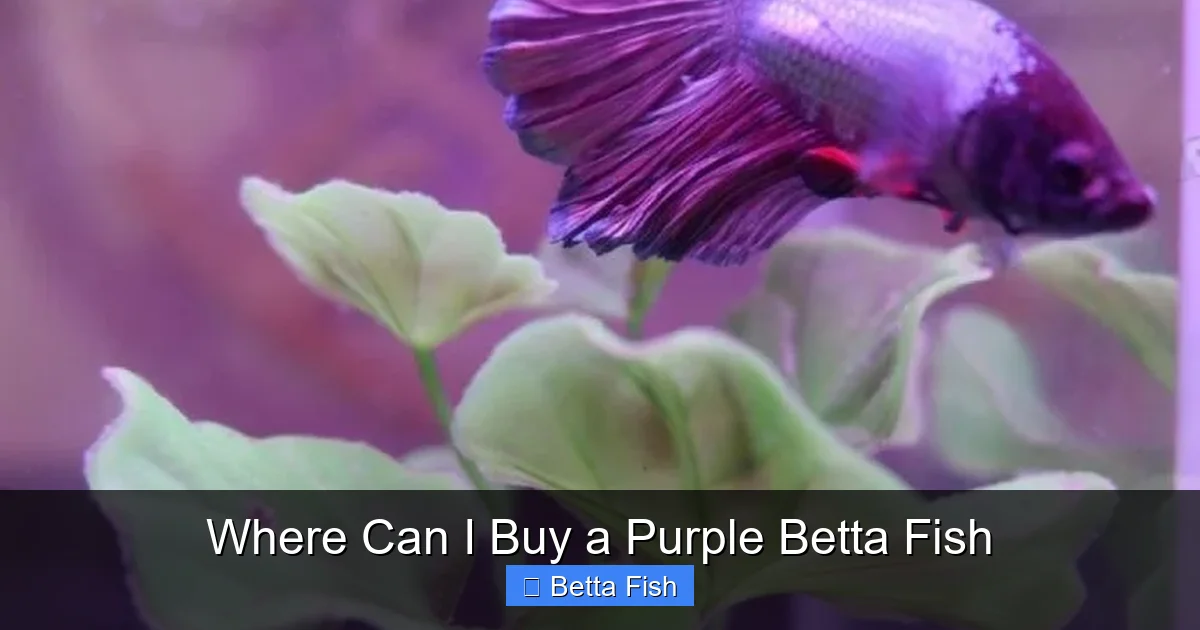
Visual guide about Where Can I Buy a Purple Betta Fish
Image source: keepafish.com
Finding the Right Local Shop
How do you spot a good one? Look for stores where the bettas are not in tiny, dirty cups, but in filtered, heated tanks or at least clean, spacious containers with pristine water. The staff should be knowledgeable, able to answer questions about water parameters, diet, and betta behavior. They should also be transparent about the fish’s source. Walk in and ask: “Do you ever get purple or lavender-colored bettas? Can you tell me who you source them from?” Their answer is a immediate test. A good store will either say they occasionally get them from a specific local breeder or a trusted importer, or they’ll explain why they’re rare. A vague or dismissive answer is a red flag.
The In-Person Advantage: Health Assessment
This is the biggest plus of buying locally. You can assess the fish’s health firsthand. Look for these signs of a vibrant, healthy betta:
- Active and Curious: It should be swimming, flaring at you or its reflection, and exploring. Lethargy or constant hiding is a bad sign.
- Fin Condition: Fins should be full, undamaged, and without tears, rot (blackened or fuzzy edges), or clamped posture (held tightly against the body).
- Eyes: Clear and protruding. Cloudy or sunken eyes indicate illness.
- Body: No spots, ulcers, fuzzy growths (fungus), or excessive slime coat. Scales should be flat.
- Gills: Should open and close smoothly without rapid, labored breathing.
Now, for the color. Ask the store if you can see the fish under different lighting. Move it near a window or ask them to turn on a bright, white light. Observe how the color shifts. Does it have a consistent purple sheen, or is it mostly blue? Be realistic. If the fish looks stunning under their tank light but dull under white light, that’s normal for iridescent colors. The key is that it should still look beautiful and vibrant, not muddy or brown.
Building a Relationship
Become a regular at the shop. Tell them specifically you’re looking for a purple/lavender betta and ask if they can notify you when one comes in. A store that values your business will often do this. They may also be willing to special order from their distributor if you’re willing to wait. This relationship is invaluable for future advice on care and troubleshooting.
Online Breeders and Marketplaces: The Digital Deep Dive
For the best selection of high-quality, color-focused bettas, you must go online. But “online” is a broad term, and not all websites are created equal. There is a spectrum from fantastic to fraudulent.
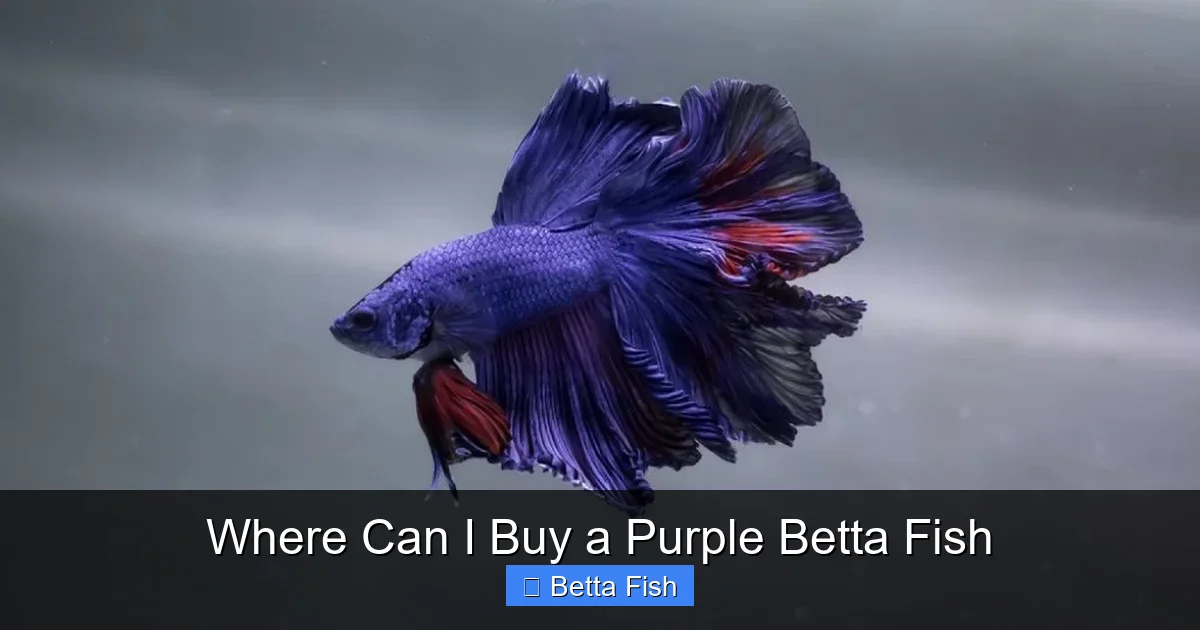
Visual guide about Where Can I Buy a Purple Betta Fish
Image source: keepafish.com
Tier 1: Dedicated Betta Breeder Websites
This is the gold standard. These are serious hobbyists who maintain breeding websites or online stores. They focus on specific varieties (like Halfmoon, Plakat) and colors, often participating in betta shows. They photograph their fish meticulously, often in individual, well-lit photos against a neutral background. They provide detailed pedigree information, health histories, and have very clear policies on shipping and live arrival guarantees.
How to Find Them: Search for terms like “halfmoon purple betta breeder” or “lavender plakat betta for sale.” Look for websites that look professional, have an “About” page telling their story, and a blog or care guide section. They will have a limited number of fish available at any one time because they breed in small batches. Examples of reputable operations (do your own current research) include breeders like AquaBid all-stars, specialized operations like “Betta Fish Center” or “Thai Betta World” (for importers), and many small-scale breeders with Etsy or dedicated sites. Expect prices from $50 to $200+ for a show-quality purple specimen.
Tier 2: Curated Online Marketplaces
Platforms like AquaBid.com are auction sites specifically for aquarium fish, run by and for hobbyists. This is a fantastic resource. Sellers are typically experienced breeders. You can see a huge variety, often at better prices than direct breeder sites. However, you must vet the individual seller. Check their feedback rating religiously. Read comments from previous buyers about fish health, communication, and shipping. Look at their past auction listings to see the quality of their photos and descriptions. A good seller on AquaBid will have clear, honest photos, detailed descriptions, and a history of positive transactions. This is also where you might find that elusive, true purple betta from a niche breeder.
Tier 3: General Marketplaces (Proceed with Extreme Caution)
Sites like eBay, Etsy (from non-specialist sellers), and Facebook Marketplace have bettas for sale. The risk here is highest. You’ll encounter:
- Photo Theft/Scams: Sellers using stolen photos from real breeders. The fish you receive will be a common, poor-quality fish, or nothing at all.
- Hobbyist “Flippers”: People who buy cheap bettas and resell them at a markup with fancy photos, knowing nothing about their health or genetics.
- Poor Shipping Practices: No insulation, no heat/cold packs, shipping on weekends leading to dead-on-arrival (DOA) disasters with no recourse.
If you venture here: Demand a recent, unedited video of the specific fish in their facility. Ask for their health guarantee and live arrival policy in writing. Check their seller profile for a long history and *specific* positive reviews about bettas. If they refuse to provide a video or are vague, walk away. The low price is rarely worth the high risk of a dead or diseased fish.
What to Look For: Verifying Health and True Color Online
Buying online is a leap of faith, but you can build a safety net with due diligence. Your primary tools are communication and evidence.
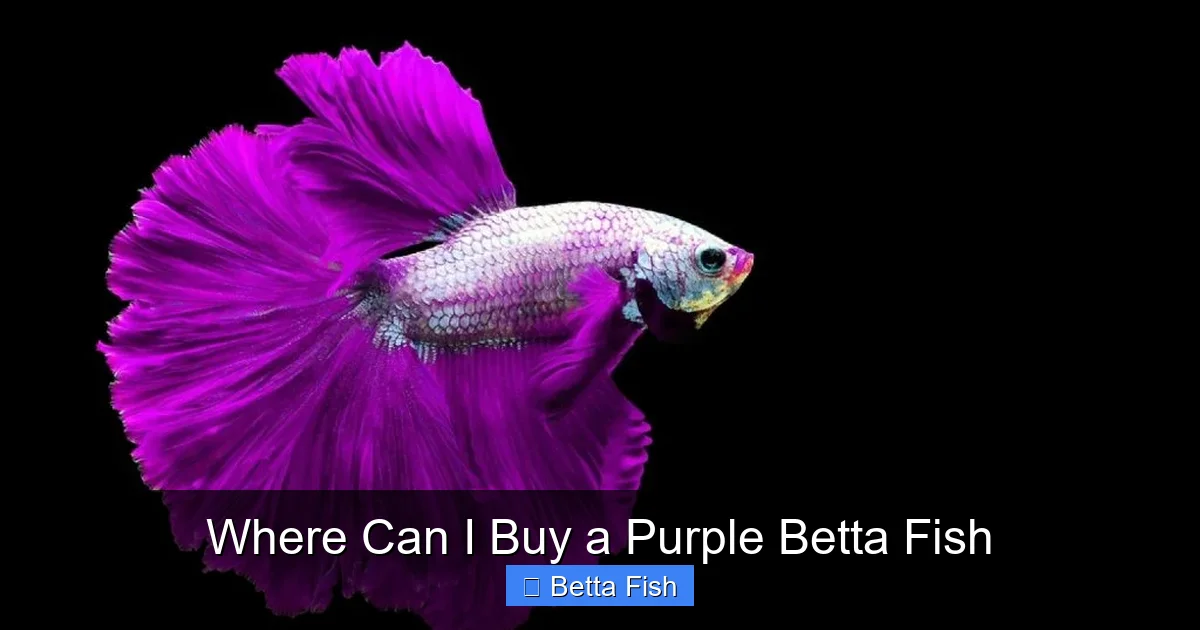
Visual guide about Where Can I Buy a Purple Betta Fish
Image source: keepafish.com
The Non-Negotiable: Recent, Unedited Video
A photo is static and easy to manipulate. A video, especially one where the seller moves their hand or a net near the fish, proves the animal is real, alive, and in their possession. Ask for a short clip (10-15 seconds) of the fish swimming freely in its container in natural, bright light. Watch for:
- Smooth, confident swimming (no struggling or floating sideways).
- Fins fully extended and moving gracefully (for long-finned varieties).
- Clear, alert eyes.
- The color shifting naturally as it moves. Does the purple hue hold up? Or does it disappear when not angled perfectly?
If the seller only provides professional photos, that’s a major red flag. A legitimate breeder or seller will have no problem providing a quick video clip on request.
Interpreting Photographs: The Lighting Test
When you do look at photos, analyze the lighting. Is the fish shot against a black background with a single spotlight? That’s classic “beauty shot” lighting designed to make colors pop and hide imperfections. It’s not dishonest, but it’s not the full truth. Ask yourself: would this fish look as good under the even, bright fluorescent lighting of a typical aquarium hood? The best sellers will provide photos under multiple light sources, including a standard “tank shot” to show how the fish looks in a more natural setting.
Health Guarantees and Shipping Policies: Your Contract
Never buy without a clear, written policy. A reputable seller will offer a:
- Live Arrival Guarantee (LAG): This states what happens if the fish arrives dead or dying. It usually requires you to notify them with photos within a few hours of delivery. They should offer a refund or replacement.
- Health Guarantee: A period (e.g., 7-14 days) where if the fish shows signs of pre-existing illness, they will work with you, often offering a partial refund or replacement.
- Shipping Method: They should use overnight or 1-2 day shipping, with proper insulation (foam box), heat or cold packs as needed, and delivery on a weekday (never a Friday for a weekend delivery). They should also have a “Hold for Pickup” option at your local FedEx/UPS facility if you’re not home.
Read these policies carefully. Some sellers have loopholes or require you to jump through too many hoops to make a claim. Choose the seller with the fairest, most straightforward policy.
Pricing Factors: Why Purple Betta Fish Cost More
You might see a “purple betta” listed for $12.99 online and another for $150. Why the vast difference? The price is a direct reflection of the fish’s genetics, quality, and source.
The Breeder’s Investment
A serious betta breeder invests thousands in high-quality parent fish (often imported from Thailand), specialized breeding equipment, live food cultures (like mosquito larvae and brine shrimp) for optimal fry growth, and countless hours of meticulous care—grading fry, separating males, raising live food. A single, beautiful purple male from a proven color line is the result of potentially dozens of spawns and hundreds of hours of work. The $150 price tag reflects that investment and the fish’s status as a finished, show-quality specimen.
The Price Spectrum Explained
- $5 – $25: Common colors (red, blue) from commercial breeders. Sold in most pet stores. “Purple” fish in this range are almost always dark blue or very poorly developed color. High risk of being mislabeled or unhealthy.
- $25 – $75: Better quality, often from small online breeders or specialty stores. You might find a nice dark blue with strong purple iridescence here. Health and fin quality should be good.
- $75 – $200+: This is the realm of dedicated breeders and show fish. Here you’ll find fish with superior, symmetrical finnage (like Halfmoon or Rosetail), intense and stable color, and strong genetics. A true, vibrant purple betta with perfect fins will be in this bracket.
Remember: A high price does not automatically mean a healthy fish or a true purple color. Always apply the health checks from previous sections. Conversely, a $20 fish from a reputable local breeder who you trust could be a better buy than a $100 fish from an anonymous online seller with no health guarantee.
The Hidden Costs: Setup and Care
Your budget must include more than the fish price. A proper betta setup is an investment:
- Tank: Minimum 5 gallons (not a tiny bowl).
- Heater & Filter: Essential for stable water temperature (78-80°F) and clean water.
- Water Test Kit: To monitor ammonia, nitrite, nitrate, and pH.
- Decor & Substrate: Soft substrate, plants (live or silk), hiding spots.
- Food: High-quality pellets, frozen or live foods like daphnia or bloodworms.
Factor in another $100-$200 for this initial setup. Buying a beautiful purple betta only to put it in a cold, dirty bowl is a recipe for a quick death and faded colors.
After the Purchase: Setting Up for Success and Color
You’ve found your fish, it’s arrived healthy and active (cross your fingers!), and it’s in its new tank. Your work isn’t done. The environment you provide will determine whether that purple hue stays vibrant or fades to a dull grey.
The Nitrogen Cycle: The Absolute First Step
Before you even add the fish, your tank must be fully cycled. This is a 4-6 week process where beneficial bacteria colonize the filter and substrate, converting toxic fish waste (ammonia) into less harmful nitrates. Adding a betta to an uncycled tank is a death sentence from ammonia poisoning, which will stress the fish and cause immediate color loss. Use a water test kit to confirm ammonia and nitrite are at 0ppm before introducing your purple betta.
Water Parameters and Maintenance
Betttas are tropical fish. Keep the water temperature consistently between 78-80°F (25.5-26.5°C) with a reliable aquarium heater. Perform weekly water changes of 25-50% to keep nitrate levels low (<20ppm). Use a water conditioner to dechlorinate tap water. Stable, clean water is the single most important factor for overall health and color vibrancy.
Diet for Color Enhancement
A high-quality pellet should be the staple, but supplement 2-3 times a week with foods known to enhance color:
- Frozen or Freeze-Dried Daphnia: A natural color enhancer and excellent source of protein.
- Bloodworms (frozen): A treat that can boost reds and oranges, which can deepen purple undertones.
- Brine Shrimp (frozen): Great for general nutrition.
Avoid overfeeding. A betta’s stomach is roughly the size of its eye. One or two pellets per feeding, once or twice a day, is sufficient.
Stress Reduction is Key
Stress causes color loss. Ensure your tank has:
- No Sharp Decor: Soft plants, no plastic plants with rough edges that can tear fins.
- Cover: A floating betta leaf or plant on the surface gives them a sense of security and a place to rest.
- Peaceful Tankmates (if any): Betta fish are generally solitary. If you add tankmates, choose very peaceful, fast, and non-flaring species like neon tetras (in a large enough tank) or Kuhli loaches. Never put two male bettas together.
- Gentle Filtration: A filter with a low flow or a sponge filter is best. Strong currents stress bettas and can hinder their swimming.
With pristine water, a stress-free environment, and a nutritious diet, your purple betta’s color will not only be maintained but may actually intensify over the first few months in your care.
Conclusion: The Reward of a Thoughtful Purchase
The search for a purple betta fish is more than a transaction; it’s the first step in a rewarding hobby. By focusing on reputable sources—whether that’s a knowledgeable local shop owner or a transparent, dedicated online breeder—you are investing in an animal’s welfare. You are rejecting the cycle of poor breeding, bad shipping, and disposable pet culture. The extra time spent researching, the extra money spent on a quality fish and proper setup, pays dividends in the form of a healthy, interactive pet that displays its magnificent purple hues for years.
Start locally. Build connections. If you go online, become a detective. Demand videos, read reviews, and understand guarantees. When you finally see that purple beauty flare at you from its new, well-planted home, you’ll know every bit of effort was worth it. You haven’t just bought a fish; you’ve welcomed a living piece of art into your life, and you’ve done it the right way. Now, go forth with this knowledge, and may your search be successful and your new purple companion thrive.
Frequently Asked Questions
Are purple betta fish real, or is it just a marketing gimmick?
Yes, they are real, but true solid purple is exceptionally rare. Most “purple” bettas are deep blues with purple iridescence or have a lavender sheen. Reputable sellers will use accurate descriptors like “lavender” or “violet iridescent” rather than just “purple.”
How much should I expect to pay for a genuine purple betta fish?
For a healthy, well-bred purple betta from a reputable source, expect to pay between $50 and $200 or more. Fish priced under $25 are almost certainly common dark blue bettas mislabeled as purple, and their health and genetics are often poor.
What is the single most important thing to check when buying a betta fish online?
The most critical step is to insist on a recent, unedited video of the specific fish in the seller’s facility under normal lighting. This verifies the fish is real, alive, and gives a true indication of its color and health, protecting you from photo theft scams.
What are the biggest red flags when considering an online seller?
Major red flags include: only professional photos with no video available, refusal to provide a clear live arrival guarantee, suspiciously low prices, poor communication, no verifiable reviews, and shipping policies that involve weekend delivery or no insulation.
Can I breed my purple betta to get more purple offspring?
Probably not reliably. Since purple is not a stable, homozygous trait but often an expression of iridescence combined with dark base colors, breeding two “purple” bettas will produce a wide variety of colors. Only consistent, multi-generational breeding by experts can begin to stabilize such a line.
Why did my new “purple” betta lose its color and turn grey after a week?
Color loss is a classic sign of stress or poor water quality. Common causes include: an uncycled tank causing ammonia/nitrite spikes, incorrect water temperature, poor diet, aggressive tankmates, or underlying illness. Test your water parameters immediately and ensure all tank conditions are optimal.