Should You Use a Filter with a Betta Fish

Using a filter for a betta fish can improve water quality and reduce maintenance, but it’s not always necessary if you manage water changes well. Choose the right type of filter, set proper flow, and combine it with regular care to keep your betta thriving.
Key Takeaways
- Filters improve water quality: They remove waste, keep ammonia low, and create a stable environment.
- Flow must be gentle: Betta fish prefer low‑current water; use sponge or hang‑on‑back filters with flow control.
- Regular water changes are still essential: Even with a filter, weekly 25‑30% water changes keep parameters ideal.
- Size matters: A 2‑5 gallon tank with a small filter is enough; larger setups benefit more from filtration.
- Filter choice depends on your setup: Sponge, internal, or hang‑on‑back filters each have pros for bettas.
- Maintenance is simple: Rinse filter media in tank water, not tap water, to preserve beneficial bacteria.
- Combine with other good practices: Proper temperature, feeding, and décor complete a healthy betta habitat.
📑 Table of Contents
- Introduction: Why the Filter Question Matters
- 1. Understanding Betta Needs: Water Quality Basics
- 2. Pros of Using a Filter with a Betta Fish
- 3. Cons and Common Misconceptions
- 4. Choosing the Right Filter for Your Betta
- 5. Setting Up and Maintaining Your Filter
- 6. When a Filter Might Not Be Necessary
- Conclusion: Make an Informed Choice
- Additional Resources
Introduction: Why the Filter Question Matters
Betta fish are famous for their dazzling fins and feisty personalities. Many new owners wonder if a filter is needed because bettas can survive in tiny bowls. The truth is a little more nuanced. While bettas can live without a filter, using one often leads to better water quality, less frequent large water changes, and a healthier fish.
In this article we’ll explore the science behind filtration, the types of filters that work best for bettas, how to set the right flow, and practical tips for maintenance. By the end you’ll know exactly whether you should use a filter with a betta fish and how to choose the perfect system for your situation.
1. Understanding Betta Needs: Water Quality Basics
Ammonia, Nitrite, and Nitrate
All fish produce waste that breaks down into ammonia, then nitrite, and finally nitrate. High ammonia or nitrite levels are toxic and can cause stress, loss of color, and even death. A filter helps convert these compounds by housing beneficial bacteria that perform the nitrogen cycle.

Visual guide about Should You Use a Filter with a Betta Fish
Image source: 2025.dailybing.com
Oxygen and Flow
Bettas are labyrinth fish—they breathe air from the surface using a special organ. Still, they still need oxygenated water. Too much current, however, can exhaust a betta. The key is a gentle, surface‑agitating flow that keeps water moving without sweeping the fish around.
Temperature Stability
Bettas thrive at 76‑82°F (24‑28°C). Stable temperature reduces stress and supports the bacteria in the filter. Sudden drops or spikes can kill both fish and the helpful microbes.
2. Pros of Using a Filter with a Betta Fish
Cleaner Water, Fewer Algae Blooms
Filters continuously remove suspended particles and excess nutrients that fuel algae. A clearer tank not only looks better but also reduces the risk of harmful algae overgrowth.

Visual guide about Should You Use a Filter with a Betta Fish
Image source: cc.tvbs.com.tw
Reduced Frequency of Large Water Changes
With a well‑maintained filter, you can limit water changes to 25‑30% each week instead of full tank swaps. This is less stressful for the fish and saves you time.
Biological Support
Beneficial bacteria colonize filter media, providing a natural, ongoing method of breaking down waste. This biological filtration is especially valuable in smaller tanks where the water volume is limited.
Better Odor Control
Stagnant water can develop unpleasant smells. A filter keeps water moving, dispersing odors and keeping the room fresh.
3. Cons and Common Misconceptions
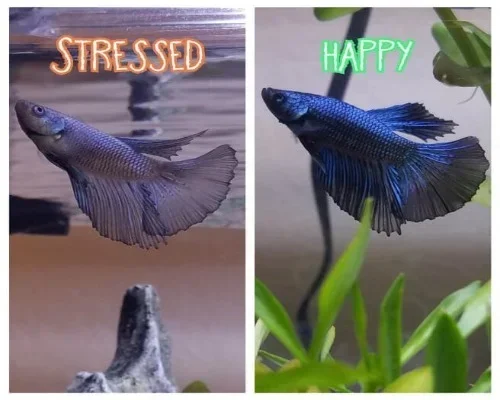
Too Much Flow Can Stress a Betta
Many beginners choose a powerful aquarium filter that creates a strong current. Bettas are not built for fast‑moving water; they can become exhausted, hide, or develop fin damage.

Visual guide about Should You Use a Filter with a Betta Fish
Image source: i.pinimg.com
Cost and Maintenance
Filters require an upfront investment and regular cleaning. However, the cost is modest compared to the benefits of a healthier fish.
False Sense of Security
Even with a filter, you still need to test water parameters and perform partial water changes. A filter is a tool, not a replacement for good husbandry.
4. Choosing the Right Filter for Your Betta
Sponge Filters
Sponge filters are perfect for bettas because they provide gentle flow and excellent biological filtration. They are inexpensive, easy to clean, and can be powered by an air pump.
Hang‑On‑Back (HOB) Filters
HOB filters work well if they have a flow‑adjustment knob. Position the output near the tank’s top and direct the stream toward the surface, not across the tank.
Internal Power Filters
Small internal filters designed for nano tanks can be used, but always set the flow to the lowest setting. A spray bar or diffuser can further soften the current.
DIY Options
Some hobbyists use a simple air stone with a sponge to create a low‑tech filtration system. This can be a great starter solution for a 2‑gallon betta tank.
5. Setting Up and Maintaining Your Filter
Initial Setup
- Rinse all filter media in dechlorinated tank water before installation.
- Place the filter so the outflow is aimed at the water surface.
- Start the flow on the lowest setting and observe your betta’s behavior.
Weekly Maintenance
- Perform a 25‑30% water change.
- Rinse the sponge or filter media in the water you just removed (not tap water) to keep the beneficial bacteria alive.
- Check the flow rate; adjust if debris builds up or if the betta seems stressed.
Monthly Deep Clean
Every 4‑6 weeks, replace or thoroughly clean the filter cartridge according to the manufacturer’s instructions. This prevents clogging and maintains optimal flow.
6. When a Filter Might Not Be Necessary
Very Small Setups
If you have a 2‑gallon tank and commit to changing 50% of the water twice a week, a filter may be optional. However, this regimen is labor‑intensive and leaves little margin for error.
Temporary or Quarantine Tanks
For short‑term holds (e.g., treating a sick fish), a filter can be omitted if you monitor water quality closely.
Budget Constraints
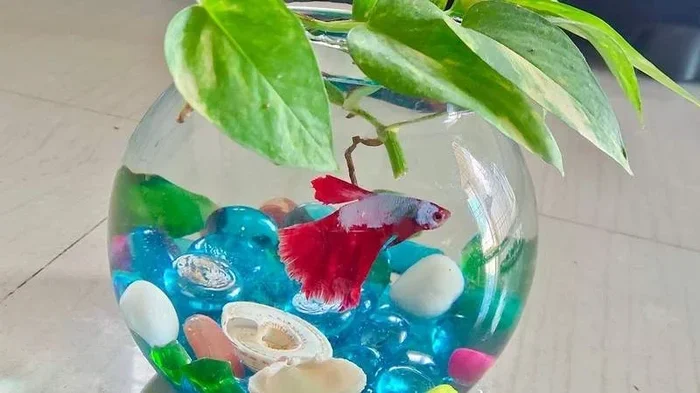
While a filter is a worthwhile investment, a well‑maintained bowl with frequent water changes can work for a short period. Plan to upgrade to a filtered tank as soon as possible.
Conclusion: Make an Informed Choice
So, should you use a filter with a betta fish? The answer is a confident “yes” for most permanent homes. A gentle, low‑flow filter provides cleaner water, supports beneficial bacteria, and eases your maintenance routine. Choose a sponge, HOB, or internal filter with adjustable flow, and pair it with regular water changes and proper temperature control. Your betta will reward you with vibrant colors, active behavior, and a longer, healthier life.
Additional Resources
Looking to expand your betta’s community? Check out Can You Keep Other Fish With A Betta for tips on compatible tank mates. For detailed cleaning routines, see How To Clean A Betta Fish Tank With Filter. And don’t forget to read about the ideal water temperature at What Temperature Should Water Be For A Betta Fish.
Frequently Asked Questions
Do bettas need a filter at all?
They can survive without one, but a filter makes water quality easier to maintain and reduces the risk of harmful spikes in ammonia.
What type of filter is safest for a betta?
Sponge filters are the safest because they provide gentle flow and excellent biological filtration. Hang‑on‑back filters with adjustable flow are also suitable.
How strong should the water flow be?
The flow should be gentle—just enough to create surface agitation. Aim for a flow rate of 1–2 gallons per hour in a 2‑gallon tank.
Can I use a filter and still do weekly water changes?
Yes, and it’s recommended. Even with filtration, a 25‑30% weekly water change helps keep nitrate levels low and removes dissolved waste.
Will a filter affect my betta’s breeding?
Gentle filtration is fine for breeding tanks. Just ensure the flow does not disturb the bubble nest or fry.
Is it okay to clean the filter with tap water?
No. Rinse filter media in the water you’re changing so you don’t kill the beneficial bacteria that help break down waste.