How Many Times a Day You Feed a Betta Fish
Feeding your betta fish the right number of times each day is crucial for their health and longevity. Most experts recommend feeding a betta fish 2 times a day, with some keepers opting for once daily feeding days to prevent overfeeding. This article covers everything you need about how many times a day you feed a betta fish, including portion control, feeding schedules, and signs of overfeeding.
Key Takeaways
- Feed 2 times a day: Most betta fish thrive on a twice-daily feeding routine with small portions each time.
- Portion size matters: A betta’s stomach is tiny, roughly the size of their eye, so less is always more.
- Skip feeding once a week: Many experienced keepers recommend one fasting day per week to aid digestion.
- Overfeeding is dangerous: Feeding too much or too often leads to bloating, swim bladder issues, and poor water quality.
- Variety is key: Rotate between pellets, freeze-dried, and frozen foods for a balanced diet.
- Feeding time affects behavior: Bettas anticipate meals and may beg constantly, but this does not mean they are truly hungry.
📑 Table of Contents
- How Many Times a Day You Feed a Betta Fish
- Why Feeding Frequency Matters for Your Betta
- How Many Times a Day Should You Feed a Betta Fish?
- How Much Should You Feed Each Time?
- Creating the Perfect Betta Feeding Schedule
- Best Foods for Your Betta Fish
- Common Mistakes When Feeding Bettas
- Expert Insights on Betta Feeding Frequency
- Signs Your Betta Is Being Overfed
- Quick Tips for a Healthy Feeding Routine
- Conclusion
How Many Times a Day You Feed a Betta Fish
Feeding your betta fish might seem simple, but getting the how many times a day you feed a betta fish question right is one of the biggest challenges new keepers face. Too much food leads to serious health problems. Too little, and your fish may become weak and sluggish. The good news is that once you understand your betta’s dietary needs, the routine becomes second nature.
In this guide, you will learn the ideal betta fish feeding schedule, how much to offer each time, and how to spot the signs of overfeeding. We will also cover fasting days, food types, and expert-backed tips to keep your betta happy and healthy for years to come.
Why Feeding Frequency Matters for Your Betta
Your betta fish has a very small digestive system. In fact, their stomach is about the size of their eye. This tiny gut means they cannot process large amounts of food at once. When you overfeed or feed too frequently, the food has nowhere to go. It sits in the tank and rots, polluting the water.
Poor water quality from leftover food causes harmful ammonia and nitrite spikes. These toxins stress your betta and can lead to disease. On the other hand, feeding too little can cause malnutrition. Your betta may lose color, become lethargic, and develop a weakened immune system. Finding the sweet spot with how often should you feed a betta fish keeps both problems at bay.
The Connection Between Feeding and Water Quality
Every uneaten pellet that sinks to the bottom slowly breaks down. This process releases ammonia into the water. Even a small overfeeding incident can spike toxin levels in a small tank. This is why how many times to feed a betta fish is not just about the fish. It is about maintaining a healthy entire ecosystem.
Regular partial water changes combined with proper feeding go hand in hand. If you notice your water clouding quickly after feeding, you are likely giving too much food. Adjust the amount before adjusting the filter.
How Many Times a Day Should You Feed a Betta Fish?
The short answer is 2 times per day. Most experienced betta keepers agree that morning and evening feedings work best. This schedule mimics when bettas would naturally hunt for small insects and larvae in the wild. It also keeps their metabolism steady throughout the day.
Some keepers choose to feed once in the morning and once at night, spacing the meals about 12 hours apart. Others prefer morning and afternoon sessions. The exact timing is flexible, but consistency is key. Try to feed at roughly the same times daily so your betta builds a reliable routine.
Once a Day vs. Twice a Day
Feeding how many times a day to feed a betta fish depends on your situation. Here is a quick comparison:
- Twice a day: Best for most bettas. Smaller portions at each feeding aid digestion and reduce waste.
- Once a day: Acceptable for some adult bettas, especially if you include a fasting day once a week. However, younger bettas may need the extra meal.
For most hobbyists, twice daily offers the best balance. It allows you to observe your fish during both feedings and notice any appetite changes early. If you are ever unsure, how many times should i feed my betta fish is a question that almost always points to twice a day.
How Much Should You Feed Each Time?
Now that you know how often do you feed a betta fish, the next question is always about portion size. A good rule of thumb is to offer only what your betta can finish within 2 minutes. Any food left uneaten after that should be removed immediately.
Another helpful guideline is the “eye rule.” A betta’s stomach roughly equals the size of their eye. Two to three pellets per feeding is usually sufficient for an adult betta. If you use freeze-dried or frozen foods, adjust accordingly since these expand inside the stomach.
Portion Sizes by Food Type
- Pellets: 2 to 3 high-quality pellets per feeding.
- Freeze-dried bloodworms: 1 to 2 worms per feeding.
- Frozen brine shrimp: 2 to 3 pieces per feeding.
- Flakes: A small pinch, no more than what settles in 1 minute.
Always remember that how many pellets to feed a betta fish matters more than total food volume. Bettas love to beg. They will always act hungry even when their belly is full. Resist the urge to give extra. Your fish will thank you for the restraint.
Creating the Perfect Betta Feeding Schedule
Building a consistent betta feeding schedule is easier than you think. Start by picking two fixed times each day. Many keepers choose early morning around 8 AM and early evening around 6 PM. This leaves a comfortable gap between meals for digestion.
Here is a sample weekly plan that answers how often do you need to feed a betta fish:
- Monday, Tuesday, Wednesday, Friday, Saturday: Feed twice daily with pellets or a mix of high-quality betta food.
- Thursday: Feed once daily with a small portion of treat food like a thawed pea or bloodworm.
- Sunday: Fast day. No food at all. This gives the digestive system a complete break.
Why Include a Fasting Day?
A fasting day once a week works wonders for your betta. It clears out any undigested food stuck in the gut. It also helps prevent can you feed a betta fish too much situations from building up over time. Many owners report improved color and energy levels after starting a weekly fast.
Do not worry about your betta going hungry. They can easily go several days without food in healthy conditions. A single fasting day per week is perfectly safe and highly beneficial. Think of it as a reset button for their system.
Adjusting the Schedule for Baby Bettas
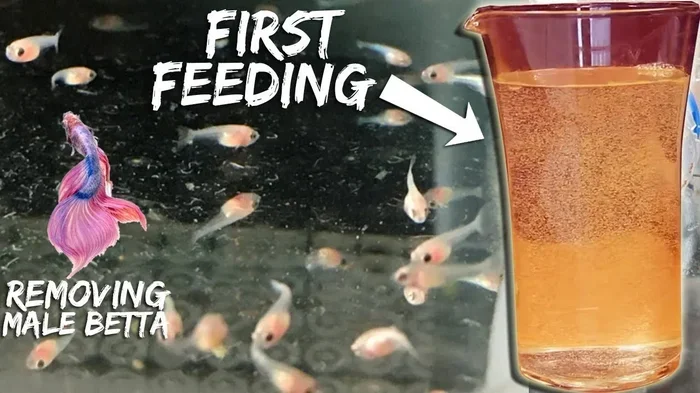
Baby betta fish, also known as fry, need more frequent feedings. Young bettas grow quickly and require small meals 3 to 4 times a day. They also benefit from live food like baby brine shrimp. As they mature, slowly reduce feedings to twice daily. This transition should happen gradually over several weeks.
Best Foods for Your Betta Fish
Not all fish foods are created equal. When deciding how do you feed a betta fish properly, food quality plays a massive role. Bettas are carnivores by nature. They need a protein-rich diet with minimal fillers like wheat or corn.
Top Food Choices
- High-quality pellets: Look for brands where fish meal or shrimp meal is the first ingredient. Avoid pellets with excessive filler ingredients.
- Freeze-dried bloodworms: A protein-packed treat that most bettas absolutely love. Use sparingly since they are calorie-dense.
- Frozen brine shrimp: Excellent for adding variety and boosting color. Thaw a small amount before dropping it in.
- Live foods: Blackworms and daphnia are great options. They encourage natural hunting behavior and are highly nutritious.
- Peas: A thawed, shelled pea makes a great occasional treat. It aids digestion and helps prevent swim bladder problems.
Foods to Avoid
Never feed your betta bread, crackers, or human snacks. These offer no nutritional value and can seriously harm your fish. Many people ask could you feed a betta fish bread or can you feed a betta fish rice. The answer is no. Stick to foods designed for bettas or similar tropical fish. Goldfish food is also a poor choice since it lacks the protein bettas require.
Common Mistakes When Feeding Bettas
Even experienced keepers make feeding mistakes. Here are the most common errors to watch out for when learning how many times a day you feed a betta fish:
Overfeeding
This is the number one killer of pet bettas. It happens when keepers give too much food at each session. Signs of overfeeding include a bloated belly, uneaten food after 5 minutes, and murky water. If you notice these signs, immediately cut the portion size in half.
Feeding Only One Type of Food
Even the best pellets do not provide every nutrient a betta needs. Rotating between pellets, freeze-dried worms, and frozen shrimp ensures a well-rounded diet. A varied diet also keeps your betta engaged and interested during feeding time.
Ignoring Hunger Cues
Bettas are notorious beggars. They will hover near the surface and open their mouths every time you walk by. This behavior does not mean they are starving. It means they have learned that you equal food. Feed on schedule, not on demand.
Skipping Fasting Days
Some keepers feel guilty about not feeding their fish every single day. This mindset leads to constant overfeeding. Remember that a weekly fast is an act of care, not neglect. Your betta will be healthier and happier with that one day of rest.
Expert Insights on Betta Feeding Frequency
Professional aquarists and veterinarians consistently emphasize moderation when it comes to how often should u feed a betta fish. Dr. Jessie Sanders, a well-known aquatic veterinarian, recommends treating feeding as a tool for bonding rather than simply filling a belly. She notes that bettas in captivity live longer when kept on structured feeding routines with occasional fasting.
Another expert tip involves observing your betta during feeding. A healthy betta will eat eagerly but stop after a few bites. If your fish continues to search for more food long after the meal is over, something may be off. Check water parameters and consider whether the diet needs more variety or better nutrition.
The best how often to feed a betta fish strategy combines quality food, controlled portions, and a predictable schedule. This approach keeps your fish active, colorful, and disease-free.
Signs Your Betta Is Being Overfed
Catching overfeeding early can save your betta from serious harm. Watch for these warning signs:
- Constant bloating: A round, distended belly that does not go away between meals.
- Swim bladder problems: Your betta struggles to swim upright or floats at the top of the tank.
- Lethargy: Reduced activity and little interest in exploring the tank.
- Discolored or stringy feces: Healthy betta waste is compact and dark. Loose or pale stools signal digestive trouble.
- Cloudy water: Frequent ammonia spikes often trace back to excess food decomposition.
If you notice any combination of these signs, take action immediately. Skip a feeding day, reduce portions, and remove all uneaten food. Within a few days, your betta should bounce back. For persistent issues, consult a fish health specialist.
Quick Tips for a Healthy Feeding Routine
- Feed 2 times a day with small, measured portions.
- Remove any uneaten food after 2 minutes.
- Include one fasting day per week.
- Rotate between pellets, freeze-dried, and frozen foods.
- Use high-quality betta-specific food as the staple diet.
- Never feed human foods like bread, crackers, or rice.
- Watch for begging behavior and do not give in to it.
- Monitor water quality weekly to catch overfeeding problems early.
Conclusion
Knowing how many times a day you feed a betta fish is one of the most important skills you can develop as a betta owner. The standard recommendation of twice daily feeding with controlled portions gives your fish everything it needs without overwhelming its tiny digestive system. Add in a weekly fasting day, high-quality food choices, and careful observation, and you will set your betta up for a long, vibrant life.
Remember that every betta is unique. Some may need slight adjustments to the schedule based on age, activity level, or water temperature. Pay close attention to your fish, and you will naturally find the perfect rhythm. Do not let begging trick you into overfeeding. Trust the process, stick to the plan, and enjoy watching your betta thrive.
Frequently Asked Questions
How many times a day should I feed my betta fish?
You should feed your betta fish 2 times a day, spaced roughly 12 hours apart. This schedule supports healthy digestion and keeps waste production low. Some keepers feed once a day, but twice daily is the most widely recommended routine for optimal health.
Can I feed my betta fish 3 times a day?
Feeding 3 times a day is generally unnecessary for adult bettas and increases the risk of overfeeding. Their stomachs are very small and cannot handle frequent large meals. Baby bettas may benefit from 3 to 4 smaller feedings, but adults do best on a strict twice-daily routine.
What happens if I feed my betta fish too much?
Overfeeding leads to bloating, swim bladder disorder, lethargy, and poor water quality from uneaten food rotting in the tank. It is the most common mistake new betta owners make. Always measure portions and remove leftovers after 2 minutes to prevent these problems.
Should I fast my betta fish once a week?
Yes, one fasting day per week is highly recommended. It helps clear the digestive system and prevents constipation. Many experienced keepers report that their bettas show improved energy and brighter colors after incorporating a weekly fast into their schedule.
What is the best food for a betta fish?
The best staple food is a high-quality betta pellet with animal-based protein as the first ingredient. Supplement this with freeze-dried bloodworms, frozen brine shrimp, and occasional thawed peas. Avoid flake, bread, and any food not specifically formulated for bettas or similar carnivorous fish.
How do I know if my betta fish is hungry?
Bettas often appear hungry even when they are not. They will swim to the top and open their mouths when you approach. True hunger signs include significant weight loss, faded color, and prolonged lethargy. Stick to your scheduled feeding times rather than responding to begging behavior.