When a Betta Fish Dies Does It Float
Not all betta fish float immediately after death. Whether a betta sinks or floats depends on the cause of death and the stage of decomposition. Gas buildup from bacterial activity typically causes floating hours later. Understanding this process helps you confirm death and handle the situation with care.
Key Takeaways
- Floating is not instant: A betta usually sinks first and may float hours later as gases form.
- Cause of death matters: Diseases affecting the swim bladder can cause floating before death.
- Temperature speeds up decomposition: Warmer water accelerates gas production and floating.
- Always confirm death: Check for gill movement, eye response, and body rigidity before disposal.
- Proper disposal is key: Never flush a fish; use biodegradable bags or burial.
- Emotional response is normal: Betta fish bonds are real; allow yourself to grieve.
- Prevention focuses on water quality: Clean, stable water is the #1 factor in betta longevity.
📑 Table of Contents
- The Moment of Truth: What Happens to a Betta’s Body?
- The Decomposition Dance: Why Gas Makes Them Float
- It’s Not Always Decomposition: Pre-Death Floating
- What To Do When You Find Your Betta: A Practical Guide
- The Emotional Side: Grieving Your Betta
- Prevention: The Best Way to Avoid the Question
- Conclusion: Knowledge is Compassion
The Moment of Truth: What Happens to a Betta’s Body?
You walk over to your betta’s tank for the morning feeding, and your heart sinks. Your usually active, flaring fish is motionless, resting on the bottom or, perhaps, floating upside down near the surface. The immediate question that floods your mind is a stark one: “Is he gone?” And the follow-up, rooted in a strange mix of biology and practicality: “When a betta fish dies, does it float?”
This question is more profound than it first appears. It touches on physics, biology, and the emotional weight of pet ownership. The short answer is: it depends. A betta fish does not always float immediately upon death. In fact, the journey from a living, swimming creature to a floating or sinking remnant is a process dictated by the silent, relentless work of decomposition. Understanding this process is crucial for any betta owner. It helps you distinguish between a merely sick fish and one that has truly passed, and it guides you on the respectful and correct way to handle the situation. Let’s dive into the science, the variables, and the practical steps you need to know.
The Science of Buoyancy: Life vs. Death
While alive, a fish maintains its position in the water column through constant effort. It uses its fins and, most importantly, its swim bladder—a gas-filled organ that acts like a biological buoyancy control device. The fish actively adjusts the amount of gas in this bladder to rise or sink. Muscles are engaged, the body is tense, and the gills are rhythmically pulling oxygen from the water.
The moment life ceases, all that active control stops. The muscles, including those holding the swim bladder’s gas in check, relax completely. What happens next is a battle between two forces: the fish’s natural density and the gases produced by decomposition.
The Decomposition Dance: Why Gas Makes Them Float
Here is the core biological process that answers our main question. After death, the fish’s body becomes a feast for bacteria—both the bacteria naturally present in its gut and environmental bacteria from the water. These bacteria begin breaking down the fish’s tissues in a process called putrefaction.

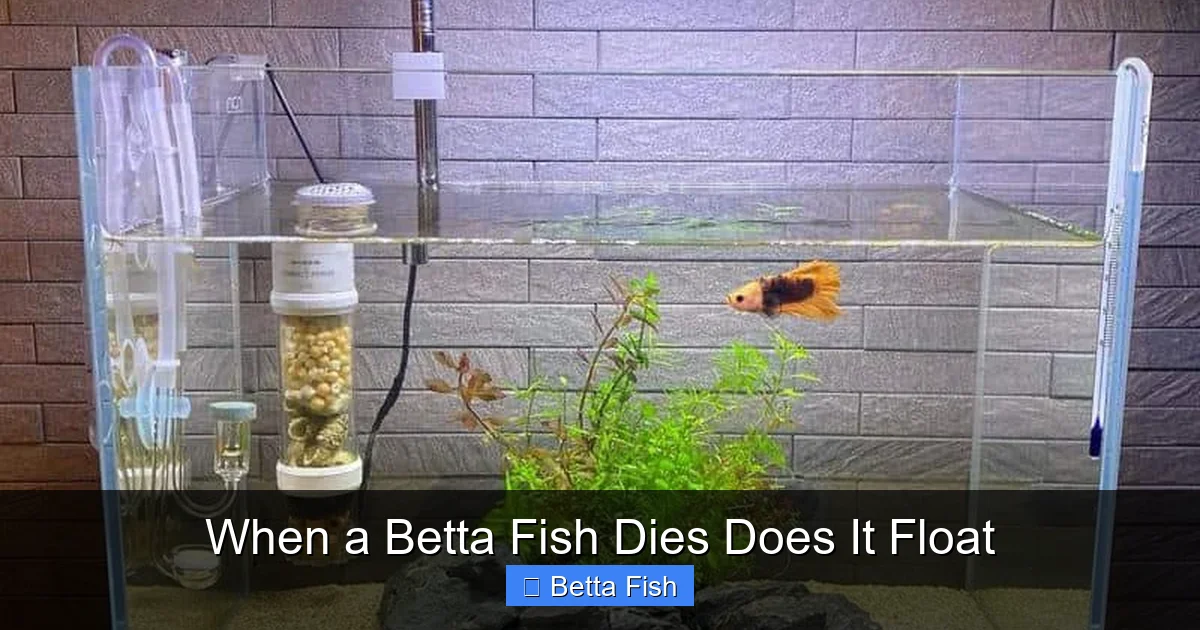
Visual guide about When a Betta Fish Dies Does It Float
Image source: infishtank.com
As they consume proteins and other organic matter, they produce gases as metabolic byproducts. The primary gases are methane, hydrogen sulfide, carbon dioxide, and nitrogen. These gases accumulate inside the body cavity and within the tissues themselves. Think of it like a natural, post-mortem inflation. This gas buildup drastically reduces the overall density of the fish’s body. While a live, muscle-and-bone betta is slightly denser than water and will sink without effort, a gas-filled corpse becomes less dense than water and therefore floats.
The Timeline: This is not an instant switch. For the first few hours after death, the fish will typically sink to the bottom because no significant gas has built up yet. The “floating” stage usually begins anywhere from 12 to 72 hours post-mortem, depending heavily on water temperature. This is why finding your betta floating does not necessarily mean it just died; it could have passed some time ago.
Temperature: The Master Clock
Water temperature is the single biggest factor controlling the speed of this decomposition dance. Bacteria are living organisms; they thrive in warmth. In a tropical betta tank kept at a steady 78-80°F (25.5-26.7°C), bacterial activity is optimal. The gas production will be rapid, and floating may occur within 12-24 hours. In a cooler tank, say 70°F (21°C), the process slows dramatically. It might take two or three days for enough gas to accumulate for the fish to become buoyant.
Not All Fish Float: The Sinkers
What about bettas that are found on the tank bottom days later, not floating? Several scenarios explain this:
- Very Cold Water: If the tank temperature drops significantly (e.g., during a power outage in winter), bacterial activity can slow to a near halt, delaying gas production indefinitely or for a very long time.
- Heavy Body or Disease: A very large, muscular betta or one with significant internal calcification (from old age or certain diseases) might be dense enough that even with gas, it remains negatively buoyant and sinks.
- External Entrapment: The fish may be caught on a decoration, filter intake, or plant, physically holding it down even if it becomes buoyant.
- Advanced Decomposition: Eventually, the gas can escape through ruptured tissues as the body breaks down further. At this late, liquefying stage, the fish may sink again as it loses its internal “raft” of gas.
It’s Not Always Decomposition: Pre-Death Floating
This is a critical distinction for a concerned owner. Sometimes, a betta will start floating while still alive. This is a sign of a severe, often painful, medical emergency and is not related to post-death gas. The primary culprit is a compromised swim bladder.
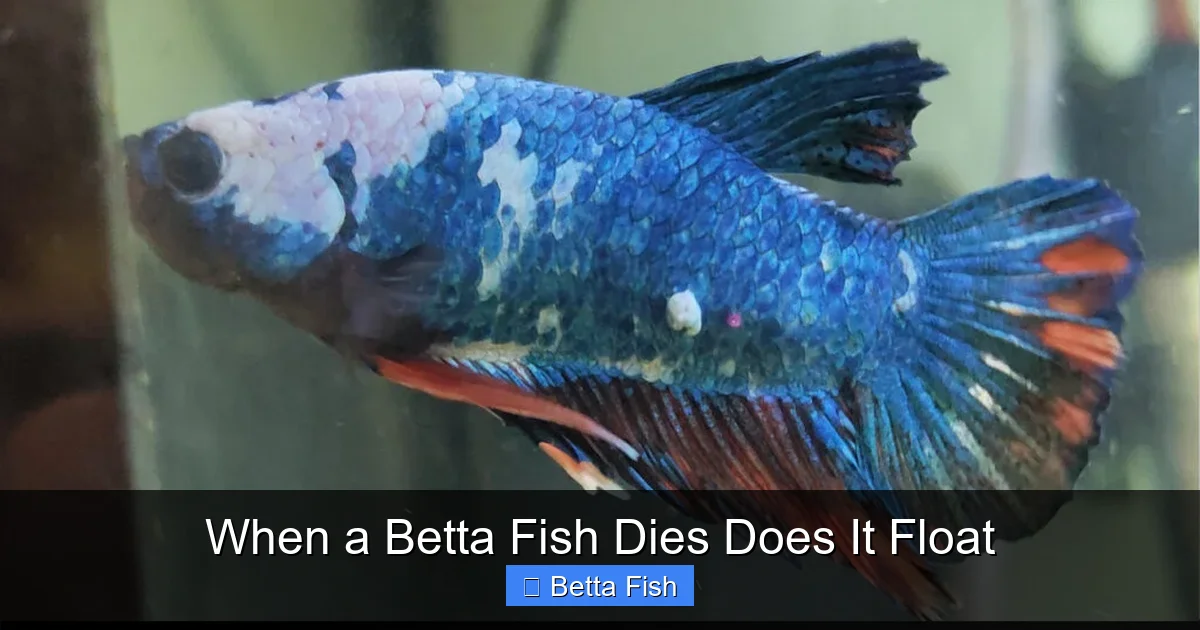
Visual guide about When a Betta Fish Dies Does It Float
Image source: buildyouraquarium.com
Swim Bladder Disorder (SBD)
The swim bladder is a delicate organ. It can become inflamed, infected, compressed, or damaged due to:
- Constipation: A swollen gut from overfeeding or poor diet can physically press against the bladder.
- Bacterial or Parasitic Infection: Direct infection of the bladder or surrounding organs.
- Physical Injury: From tank mates, a sharp decoration, or being sucked against a filter intake.
- Congenital Defects: Some bettas, especially those with severe “dumbo” ear mutations, have anatomically compromised swim bladders.
When the swim bladder fails, the fish loses all buoyancy control. It may float helplessly to the top and be unable to dive, or it may sink and be unable to rise. It often floats at a strange angle, upside down or tail-first. This is a living fish in distress. You may see it still breathing (gill movement), its eyes may track you, and it might twitch if gently prodded with a net. This is a medical situation requiring immediate quarantine and treatment (often with fasting, antibiotics, or water changes), not a sign of death.
How to Tell the Difference: A 3-Point Check
When you find your betta not moving, perform this quick assessment before assuming the worst:
- Observe the Gills: Watch the area just behind the betta’s head for at least 60 seconds. Are the gill covers (operculum) moving in a slow, regular rhythm? Even a very sick betta will have subtle gill movement. No movement for two minutes is a strong indicator of death.
- The Net Test (Gentle): Using a soft fish net, gently nudge the betta’s body. A live fish, even a very lethargic one, will react—it might flinch, try to swim away, or at least tense its muscles. A dead fish will be completely limp and will move passively with the water current from the net.
- Eye and Body Check: Look at the eyes. A live betta’s eyes are clear and may follow movement. A dead betta’s eyes often become cloudy or sunken within hours. Also, feel for muscle tone. A live fish has some firmness; a dead fish is completely flaccid.
What To Do When You Find Your Betta: A Practical Guide
So, you’ve confirmed your betta has passed away. The floating or sinking body is now a responsibility. Here is the respectful and safe protocol.

Visual guide about When a Betta Fish Dies Does It Float
Image source: ekk4j69ebaa.exactdn.com
Step 1: Immediate Removal
Using a net, carefully remove the fish from the tank. This is important for two reasons: it prevents the decaying body from fouling the water quality for any other inhabitants (though bettas are often alone), and it allows you to properly handle the remains. Do not reach in with your hands; use a tool.
Step 2: Confirmation & Reflection
Take a moment on the bank or in a separate bowl to be absolutely certain. Perform the 3-point check again. This moment, while sad, is part of acknowledging the life that was there. It’s okay to feel sad.
Step 3: Proper Disposal (Do NOT Flush)
This is a crucial environmental and plumbing point. Never flush a fish down the toilet. Fish can carry diseases and parasites that may survive water treatment and potentially harm local ecosystems if they make it to natural waterways. Furthermore, fish bodies do not decompose well in septic systems and can cause clogs.
The recommended methods are:
- Biodegradable Bag & Trash: Place the fish in a small, sealable biodegradable bag (like those for dog waste). You can wrap it in a paper towel first. Seal it and dispose of it with your regular household trash. This is the most common and acceptable method.
- Burial: If you have a garden or yard, you can bury the fish. Dig a hole at least 12-18 inches deep to prevent scavengers from digging it up. Place the fish in a small, biodegradable container or wrap it in a cloth. Bury it and mark the spot if you wish. This can be a meaningful ritual.
- Municipal Green Waste: Some areas have composting programs that accept pet remains. Check your local regulations.
Step 4: Tank Cleanout & Reset
Do not immediately reuse the tank for a new fish. You must perform a full, thorough reset to eliminate any lingering pathogens that may have contributed to the death.
- Dispose of all old water. Do not pour it down a sink if you have a septic system; pour it outside or into a utility sink if possible.
- Remove all decorations, substrate, and filter media. Dispose of the substrate (gravel/sand) and any artificial plants. They are nearly impossible to fully disinfect.
- Scrub everything. Use hot water and a dedicated scrubber. Do not use soap or chemicals. A 10% bleach solution can be used for a 10-minute soak on hard decorations and the tank itself, but it must be rinsed extremely thoroughly (multiple rinses with dechlorinated water) to remove all traces, which is difficult. Often, starting fresh with new items is safer and less stressful.
- Clean the filter housing with hot water.
- Let the empty tank air dry completely for at least 24 hours. UV light from the sun can help kill pathogens.
- Set up the tank anew with fresh substrate, dechlorinated water, and a new filtration cycle (you must cycle the tank for 4-6 weeks before adding a new fish).
The Emotional Side: Grieving Your Betta
It might seem silly to some, but the bond with a betta fish is real. They recognize their feeders. They react to your presence. Their vibrant personalities fill a small space in your home and heart. When they die, that absence is palpable. It’s important to acknowledge that grief.
Why This Hurts
Betta owners invest daily care: feeding, water changes, observing, and interacting. This routine creates attachment. The fish’s death can trigger feelings of failure (“Did I do something wrong?”), sadness for the lost companionship, and even guilt. It’s a valid emotional experience.
Coping Strategies
- Acknowledge it: Tell yourself, “I am sad because I lost a pet I cared for.” That’s okay.
- Create a small ritual: Saying a few words when you bury or dispose of the fish can provide closure.
- Reflect on the good times: Remember the flare displays, the curious exploration, the peaceful resting spots.
- Don’t rush to replace: Give yourself time to grieve and process before deciding on a new fish. A new betta should be a choice for a new companion, not a replacement for the old one.
- Talk about it: Share with fellow betta keepers online or with understanding friends. They will understand.
Prevention: The Best Way to Avoid the Question
While death is a natural part of life, many bettas die prematurely due to preventable husbandry errors. The single most effective way to avoid the floating-or-sinking dilemma is to keep your betta healthy and thriving for its potential 3-5 year lifespan.
The Pillars of Betta Health
- Water Quality is Everything: Betta fish are not “low-maintenance.” They are highly susceptible to poor water quality. A filtered, heated tank (minimum 5 gallons) with weekly 25-50% water changes is non-negotiable. Ammonia and nitrite must always be at 0 ppm. Test your water regularly.
- Proper Diet: Overfeeding is a leading cause of constipation and swim bladder issues, which can lead to death. Feed a high-quality pellet or frozen food once a day, only what they can eat in 2-3 minutes. Occasional fasting (one day a week) is beneficial.
- Temperature Stability: Maintain a constant temperature between 78-80°F (25.5-26.7°C) with a reliable aquarium heater. Cold water slows metabolism and immune function, making fish vulnerable to disease.
- Peaceful Environment: Avoid aggressive tank mates. Provide plenty of hiding spots (live or silk plants, caves) to reduce stress. A stressed betta is a sick betta.
- Quarantine New Arrivals: Always quarantine any new fish for at least 4 weeks in a separate tank before introducing them to your main display tank to prevent introducing disease.
Conclusion: Knowledge is Compassion
The question “when a betta fish dies does it float” opens a window into the practical and emotional reality of being a pet owner. The biological answer is clear: floating is a result of post-mortem gas buildup from decomposition, not an immediate event, and is influenced by temperature and the fish’s own density. But the deeper answer is about responsibility. Knowing the signs of true death versus illness, understanding the correct and respectful disposal methods, and committing to the preventive care that gives your betta the longest, healthiest life—this is the full picture.
Your betta’s passing, whether it floats or sinks, is a moment to honor the life you cared for. Handle it with the same patience and diligence you applied to its care. By learning these processes now, you equip yourself to face this inevitable moment with clarity, respect, and a calm heart. And by focusing on prevention, you honor your current or future betta by providing the pristine, stable environment it deserves to flourish, flare, and live a full, beautiful life at the bottom of its tank.
Frequently Asked Questions
How long after death does a betta fish float?
A betta fish typically begins to float 12 to 72 hours after death, as gases from decomposition build up. The exact time depends heavily on water temperature, with warmer water accelerating the process.
What should I do if I find my betta floating?
First, confirm it is dead by checking for gill movement for 60 seconds and gently prodding its body with a net to check for any reaction. If confirmed dead, remove it with a net, place it in a biodegradable bag, and dispose of it in the trash. Do not flush it. Then, perform a full tank reset before considering a new fish.
Why is my betta fish floating but still alive?
If your betta is floating while showing signs of life (gill movement, eye tracking), it is suffering from a Swim Bladder Disorder (SBD). This is a medical emergency often caused by constipation, infection, or injury. Isolate the fish, fast it for 24-48 hours, and consider treatment with aquarium salt or medication after identifying the cause.
Do all fish float when they die?
No. While many fish float due to decomposition gases, some sink. Factors that cause sinking include very cold water (slowing decomposition), high body density, physical entrapment on decorations, or very advanced decomposition where gases have escaped.
Can a betta fish die and sink and then float later?
Yes, this is very common. A betta will almost always sink immediately after death because no gas has built up yet. It will then float hours or days later as bacterial decomposition produces gases inside its body.
What are the signs a betta is dying before it floats or sinks?
Signs of a dying betta include extreme lethargy (not moving for hours), loss of appetite, clamped fins, fading or darkening color, labored breathing (rapid gill movement), lying on its side at the bottom or top of the tank, and a visible loss of muscle tone. Floating while alive is a specific sign of swim bladder failure.