How Often Do You Feed Baby Betta Fish

Feeding baby betta fish the right way is one of the most important parts of raising healthy fry. You should feed baby betta fish 3 to 5 times a day in tiny amounts. This guide covers the full feeding schedule, best foods, portion sizes, and common mistakes so your baby betta grows strong and stays healthy.
Raising baby betta fish is one of the most rewarding experiences for a fish keeper. But it also comes with a lot of questions. One of the biggest ones is how often do you feed baby betta fish. The answer might surprise you. Baby bettas need to eat much more often than adult bettas. Their tiny bodies burn energy fast, and they have very small stomachs. Getting the feeding schedule right can mean the difference between a thriving fry and a struggling one.
If you are new to raising betta fry, do not worry. This guide walks you through everything you need to know. We will cover the ideal feeding frequency, the best foods to use, portion sizes, and the mistakes most beginners make. By the end, you will feel confident about your baby betta fish feeding schedule and ready to give your fry the best start in life.
Key Takeaways
- Feed baby betta fish 3 to 5 times a day in very small portions to match their tiny stomachs and high energy needs.
- Use specialized betta fry food like baby brine shrimp, infusoria, or crushed flakes for the best nutrition.
- Overfeeding is the biggest danger for baby betta fish and can lead to water quality problems and health issues.
- Watch for hunger cues like swimming near the surface and adjust your feeding frequency as they grow.
- Maintain clean water since baby bettas are very sensitive to ammonia buildup from uneaten food.
- Gradually reduce feedings as your betta matures, transitioning to an adult schedule of 2 meals per day.
📑 Table of Contents
- Why Feeding Frequency Matters for Baby Betta Fish
- Best Foods for Baby Betta Fish
- Common Mistakes When Feeding Baby Betta Fish
- Water Quality and Its Role in Baby Betta Feeding
- How to Tell If Your Baby Betta Fish Is Getting Enough Food
- Transitioning from Fry to Adult Feeding
- Expert Tips for Raising Healthy Betta Fry
- Key Takeaways
Why Feeding Frequency Matters for Baby Betta Fish
Baby betta fish grow incredibly fast. In the first few weeks of life, they are building their bodies at an amazing rate. To support this rapid betta fry growth, they need a steady supply of nutrients. Unlike adult bettas, baby bettas cannot go long between meals. Their stomachs are roughly the size of their eye, which means they can only handle tiny amounts of food at a time.
Feeding baby betta fish too little can slow their growth and weaken their immune system. On the other hand, overfeeding baby betta fish can be just as dangerous. Excess food rots in the water and raises ammonia levels. For baby bettas, even small spikes in ammonia can be deadly. This is why finding the right balance is so important.
Most experts agree that a feeding schedule for betta fish fry should involve multiple small meals throughout the day. This mimics how they would eat in the wild, where food is available in small, frequent amounts. Let us look at the recommended schedule in detail.
The Recommended Feeding Schedule for Betta Fry
For the first two to four weeks of life, you should feed your baby betta fish four to five times a day. Each feeding should be very small. Think about a few crushed flakes or a couple of baby brine shrimp per fish. The goal is to give them just enough food that they can eat within two to three minutes.
As your betta fry grows past the one-month mark, you can start reducing the number of feedings. Around six to eight weeks old, you can drop down to three meals a day. By the time your betta reaches adulthood at about three to four months, you can transition to the standard adult schedule of two feedings per day. If you want a detailed look at adult feeding routines, check out our guide on how often do you feed a betta fish.
Here is a simple breakdown of the feeding stages:
- Newborn to 2 weeks: Feed 4 to 5 times daily with very small portions.
- 2 to 4 weeks: Feed 3 to 4 times daily as they grow bigger.
- 4 to 8 weeks: Feed 2 to 3 times daily with slightly larger portions.
- 8 weeks and older: Feed 2 times daily as they reach adult size.
Best Foods for Baby Betta Fish
Not all fish food is created equal when it comes to raising betta fry. Baby bettas need protein-rich foods that are small enough for them to eat. Their mouths are tiny, so you need to choose foods that match their size. Using the wrong food can lead to wasted meals and poor growth.
The best options for baby betta fish diet include:
- Baby brine shrimp: This is the gold standard for betta fry food. It is packed with protein and is the perfect size for tiny mouths.
- Infusoria: These are microscopic organisms that make an excellent first food for newborn bettas. You can culture them at home or buy them online.
- Crushed betta flakes: Regular betta flakes work well, but you should crush them into a fine powder before feeding.
- Microworms: These small worms are easy to culture and provide great nutrition for growing fry.
- Commercial betta fry food: Some brands make specially formulated food for betta fry. These are convenient and nutritionally balanced.
If you are wondering whether you can use regular betta flakes, the answer is yes, but you need to crush them into very small pieces. Large flakes will just sink to the bottom and go to waste. For more tips on feeding flakes specifically, read our article on how often do you feed betta fish flakes.
How Much Food Should You Give Each Feeding?
This is where many beginners go wrong. The portion size for baby bettas should be incredibly small. A good rule of thumb is to offer only what your fry can consume within two to three minutes. If there is leftover food after that time, you have given too much.
For newborn bettas, this might mean just two or three baby brine shrimp per fish per feeding. For slightly older fry, a small pinch of crushed flakes might be enough. The key is to start small and observe how your fish respond. If they seem hungry and are actively searching for food, you can slightly increase the amount at the next feeding.
Remember that how much do you feed a betta fish changes as they grow. What works for a one-week-old fry will not work for a one-month-old fry. Always adjust based on their size and appetite.
Common Mistakes When Feeding Baby Betta Fish
Raising betta fry comes with its challenges. Many new breeders make avoidable mistakes that can harm their fish. Let us look at the most common ones and how to prevent them.
Overfeeding
This is the number one mistake people make with baby bettas. It is easy to think that more food equals faster growth. But that is not how it works. Baby bettas have very limited stomach capacity. When you give them too much food, they cannot eat it all. The leftover food decays in the water and creates a toxic environment.
Signs of overfeeding include:
- Food floating on the surface for more than a few minutes.
- Cloudy or dirty water shortly after feeding.
- Betta fry appearing lethargic or uninterested in food.
- A strong ammonia smell coming from the tank.
If you notice any of these signs, reduce the portion size immediately. Clean the tank if needed and give your fry a small fasting period before resuming feedings.
Underfeeding
While overfeeding is more common, underfeeding can also be a problem. If your baby bettas are not getting enough food, they will grow slowly and may become weak. You can tell if your fry are underfed if they are not actively swimming and searching for food during feeding times.
The trick is to find the sweet spot. Feed small amounts frequently and watch your fry closely. They will tell you if they are hungry or satisfied through their behavior and activity levels.
Using Food That Is Too Large
Baby bettas cannot eat regular-sized fish food. Their mouths are simply too small. If you feed them flakes or pellets that are too big, they will spit them out or ignore them entirely. This wastes food and can lead to hunger and stunted growth. Always crush flakes into a fine powder and use appropriately sized live or frozen foods for fry.
Water Quality and Its Role in Baby Betta Feeding
Water quality plays a huge role in the health of your baby betta fish. When you feed fry multiple times a day, there is more opportunity for uneaten food to pollute the water. This is why maintaining clean water is so critical. Ammonia and nitrite levels can spike quickly in a fry tank, and baby bettas are extremely sensitive to these toxins.
Here are some water quality tips for your betta fry tank:
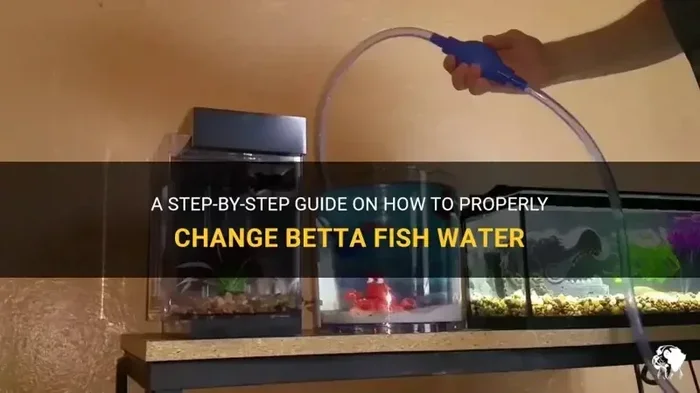
- Perform small water changes daily: Replace about 10 to 20 percent of the water every day to keep ammonia levels low.
- Use a sponge filter: A gentle sponge filter will keep the water clean without creating a strong current that can overwhelm tiny fry.
- Remove uneaten food promptly: Use a turkey baster or small siphon to suck up any food that is left after feeding.
- Monitor water parameters: Test for ammonia, nitrite, and nitrate regularly to catch problems early.
Clean water and good filtration work hand in hand with a proper feeding routine. If your water quality is poor, even the best baby betta fish feeding schedule will not save your fry. For more tips on keeping your betta’s environment clean, check out our guide on how often should you clean your betta fish bowl.
How to Tell If Your Baby Betta Fish Is Getting Enough Food
Knowing whether your fry are eating enough can be tricky. Unlike adult bettas, baby bettas do not show obvious signs of hunger or fullness. You need to observe them closely and look for specific indicators.
Signs that your baby bettas are well-fed include:
- Active and energetic swimming behavior.
- Steady growth and increasing size week over week.
- Bright, vibrant colors developing as they mature.
- Good appetite and eagerness to eat at feeding times.
- Healthy, clear bodies without visible signs of malnutrition.
On the other hand, signs of inadequate feeding include slow growth, pale coloring, lethargy, and a tendency to stay hidden. If you notice these signs, try increasing the frequency or slightly enlarging the portion sizes at each feeding.
Every batch of fry is different. Some are naturally more aggressive eaters and will grow faster. Others may be smaller and need extra attention. The important thing is to stay consistent with your feeding routine and make adjustments based on what you observe.
Transitioning from Fry to Adult Feeding
As your baby betta fish grow, their nutritional needs change. The transition from a fry feeding schedule to an adult one should be gradual. Sudden changes in feeding frequency or food type can stress your fish and disrupt their growth.
Here is how to make the transition smoothly:
- At 4 to 6 weeks old: Start reducing feedings from 4 to 5 times a day down to 3 times a day.
- At 6 to 8 weeks old: Move to 2 to 3 feedings per day and introduce slightly larger food pieces.
- At 8 to 12 weeks old: Transition to 2 feedings per day, which is the standard adult schedule.
- At 3 to 4 months old: Your betta is now fully adult and should be on a consistent 2-meal-per-day routine.
During this transition period, keep an eye on your betta’s appetite and body condition. If your fish seems hungry between feedings, you can add a small extra feeding. If they are leaving food behind, reduce the portion size.
For a comprehensive look at adult betta care and feeding, visit our guide on how do you care for a betta fish.
Expert Tips for Raising Healthy Betta Fry
Beyond the feeding schedule, there are a few extra tips that experienced breeders swear by. These small adjustments can make a big difference in the health and growth of your baby bettas.
Feed a varied diet. Just like adult bettas, baby bettas benefit from a mix of different foods. Rotate between baby brine shrimp, crushed flakes, and microworms to ensure they get a full range of nutrients. A varied diet supports better color development and stronger immune systems.
Feed at the same times each day. Consistency helps your fry develop a routine. They will learn to expect food at certain times and become more active and eager during feeding windows.
Do not skip water changes. Even if you are very careful with feeding, some waste is inevitable. Regular water changes keep the tank clean and your fry healthy. For guidance on tank maintenance, see our article on how often do I clean a betta fish bowl.
Watch for signs of illness. Baby bettas are vulnerable to diseases, especially in their first few weeks. If you notice any fry acting strangely, isolating them in a quarantine container can help prevent the spread of illness. For more on identifying health issues, read our guide on how do you know if your betta fish is sick.
Key Takeaways
- Feed baby betta fish 3 to 5 times a day in very small portions to match their tiny stomachs and high energy needs.
- Use specialized betta fry food like baby brine shrimp, infusoria, or crushed flakes for the best nutrition.
- Overfeeding is the biggest danger for baby betta fish and can lead to water quality problems and health issues.
- Watch for hunger cues like swimming near the surface and adjust your feeding frequency as they grow.
- Maintain clean water since baby bettas are very sensitive to ammonia buildup from uneaten food.
- Gradually reduce feedings as your betta matures, transitioning to an adult schedule of 2 meals per day.
Frequently Asked Questions
Can you overfeed a baby betta fish?
Yes, overfeeding is one of the most common and dangerous mistakes with baby bettas. Their tiny stomachs can only handle small amounts of food. Excess food decays in the water and raises ammonia levels, which can be fatal for fry. Always feed small portions and remove any uneaten food after a few minutes.
What is the best food for newborn betta fish?
The best food for newborn betta fish is baby brine shrimp or infusoria. These are tiny, protein-rich foods that are easy for fry to eat. You can also use crushed betta flakes, but make sure they are ground into a very fine powder so the fry can consume them easily.
How many times a day should you feed betta fry?
Betta fry should be fed 4 to 5 times a day during their first two weeks of life. As they grow, you can gradually reduce the frequency to 3 times a day at 2 to 4 weeks, and then to 2 times a day by 8 weeks old. The key is to offer small portions at each feeding.
Do baby betta fish need to eat every day?
Yes, baby betta fish need to eat every day multiple times. Unlike adult bettas who can skip a day or two, fry have very fast metabolisms and need a constant supply of nutrients to support their rapid growth. Skipping feedings can slow their development and weaken their immune system.
How do you know if your baby betta fish is hungry?
Hungry baby bettas will swim actively near the surface and search for food. They may also appear more restless or gather around the area where they are usually fed. If your fry are not showing these behaviors during feeding times, they may have been fed enough. Adjust portion sizes based on their response.
When can baby betta fish start eating regular betta food?
Baby bettas can start eating crushed regular betta flakes around 3 to 4 weeks old. By 8 weeks, they can usually handle small pellet food. Always crush the food into tiny pieces at first and gradually increase the size as your betta grows. For more on feeding schedules, see our guide on how often do you need to feed a betta fish.
=== CONCLUSION ===
Feeding your baby betta fish the right way does not have to be complicated. The secret is consistency, small portions, and frequent feedings. Stick to a schedule of 3 to 5 meals a day for young fry, and gradually reduce the frequency as they grow into adults. Choose high-quality, appropriately sized foods, and always keep the water clean to protect their sensitive systems.
Every feeding session is a chance to check on your fry and make sure they are thriving. Pay attention to their behavior, adjust portions as needed, and do not be afraid to seek advice from experienced breeders. With the right baby betta fish feeding schedule and a little patience, you will be rewarded with healthy, vibrant bettas that bring joy to your aquarium for years to come.