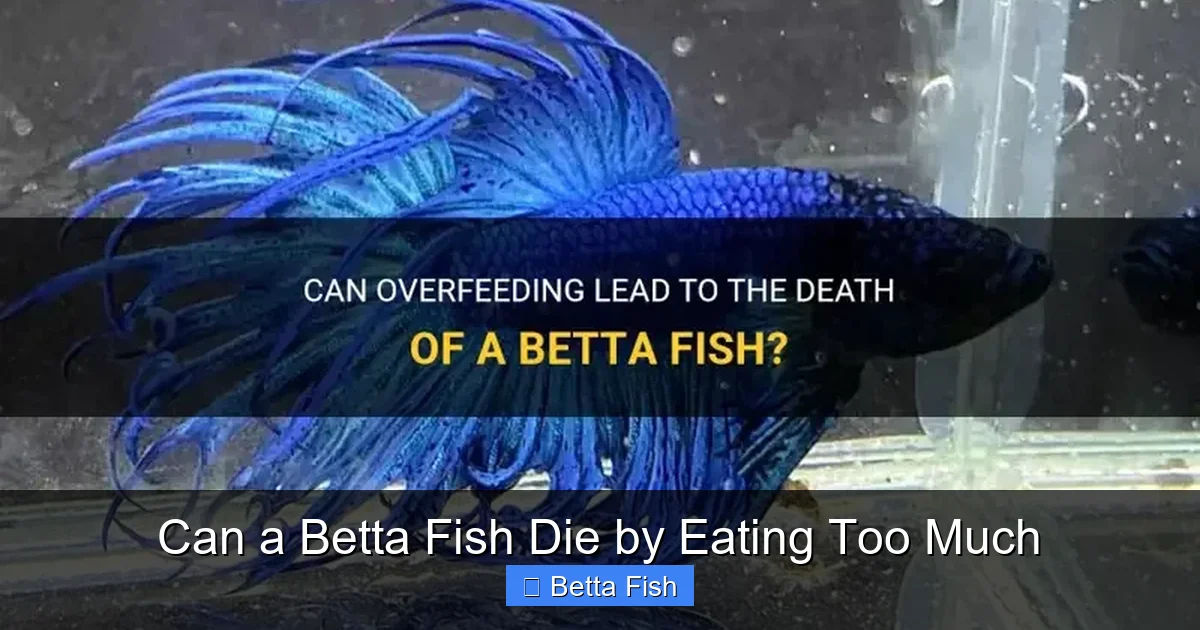
Can a Betta Fish Die by Eating Too Much

Over‑feeding a betta can lead to serious health issues, including fatal gut blockages and poor water quality. By understanding proper portion sizes, feeding frequency, and spotting warning signs, you can keep your finned friend thriving.
Key Takeaways
- Portion control matters: Betta fish need only a few small bites once or twice daily.
- Over‑eating risks: Too much food can cause constipation, bloating, and fatal swim‑bladder problems.
- Water quality link: Uneaten food pollutes the tank, stressing the fish and increasing disease risk.
- Watch for signs: Lethargy, floating upside‑down, or a swollen abdomen signal a problem.
- Feed a varied diet: Combine high‑quality pellets, frozen foods, and occasional live treats.
- Adjust for life stage: Fry need more frequent feeding than adult bettas.
- Seek help early: If you suspect over‑feeding, fast the fish and consult a vet.
📑 Table of Contents
- Introduction: Why Feeding Matters More Than You Think
- 1. How a Betta’s Tiny Stomach Works
- 2. Recognizing the Signs That Your Betta Is Over‑Fed
- 3. How Much Should a Betta Eat? (Practical Feeding Guidelines)
- 4. Common Mistakes That Lead to Over‑Feeding
- 5. What to Do If You Suspect Over‑Feeding
- 6. Creating a Healthy Feeding Environment
- Conclusion: A Little Food Goes a Long Way
Introduction: Why Feeding Matters More Than You Think
Betta fish are tiny, flamboyant creatures that love to show off their bright fins. Because they’re so cute, many owners treat them like a snack‑machine—dropping a handful of flakes in the water and calling it a day. But just like us, bettas can suffer if they eat more than their tiny stomachs can handle. The question “can a betta fish die by eating too much?” isn’t just a curiosity; it’s a real risk that can turn a happy hobby into a heartbreaking loss.
In this guide we’ll walk through the science of betta digestion, the warning signs of over‑feeding, and practical steps to keep your fish healthy. You’ll learn how to feed the right amount, how often, and what to do if you suspect a problem. By the end, you’ll feel confident that you’re giving your betta the perfect portion—no more, no less.
1. How a Betta’s Tiny Stomach Works
The anatomy of a betta’s gut
Betta fish have a very short digestive tract. Food passes through their stomach and intestine in just a few minutes, which is why they can eat multiple small meals a day in the wild. Their stomach can hold roughly the size of a pea. Anything larger, and the fish can’t push it through, leading to blockages.
Visual guide about Can a Betta Fish Die by Eating Too Much
Image source: petshun.com
What they naturally eat
In nature, bettas hunt insects that fall onto the water’s surface—mosquito larvae, small flies, and tiny crustaceans. These prey items are high in protein but low in bulk, which is why a betta’s stomach is adapted for small, frequent bites.
Why over‑feeding is different from a human binge
Humans have a large, flexible stomach that can stretch. A betta’s stomach is rigid; it cannot expand much beyond its natural size. Giving a betta a large pellet or too many flakes at once can fill the stomach to capacity, leaving no room for water to flow over the gills, which can cause suffocation.
2. Recognizing the Signs That Your Betta Is Over‑Fed
Physical symptoms to watch
- Bloated abdomen: A round, puffed‑up belly is a classic sign of constipation or a blocked gut.
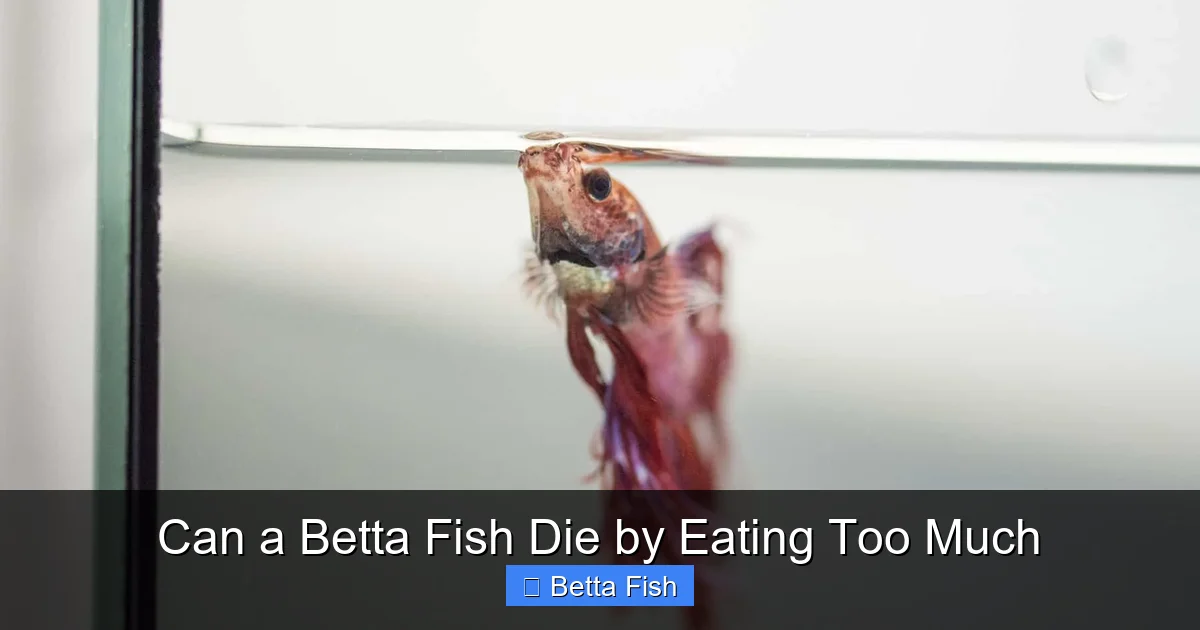
- Floating or sinking oddly: Over‑fed bettas may have trouble controlling their swim bladder, causing them to drift upside‑down or hover at the surface.
- Lethargy: A normally active fish becomes sluggish, hides, or stops flashing its fins.
- Loss of appetite: After an over‑feeding episode, the betta may refuse food for several days.
Water quality clues
Uneaten food quickly dissolves and releases ammonia, nitrite, and nitrate. If you notice cloudy water, a strong fishy odor, or algae blooming faster than usual, your tank’s water quality may be suffering from over‑feeding.
Visual guide about Can a Betta Fish Die by Eating Too Much
Image source: aquariadise.com
When “can a betta fish die by eating too much” becomes a reality
If a betta’s gut is completely blocked, the fish can’t digest any food or expel waste. The blockage can lead to severe internal pressure, organ failure, and ultimately death within a few days if not treated.
3. How Much Should a Betta Eat? (Practical Feeding Guidelines)
General rule of thumb
Most experts agree that an adult betta should receive an amount of food that it can fully consume within 2–3 minutes, twice a day. This usually translates to 2–3 small pellets or a tiny pinch of frozen food.
Visual guide about Can a Betta Fish Die by Eating Too Much
Image source: buildyouraquarium.com
Feeding schedule
- Morning: Offer a small portion of high‑quality betta pellets.
- Evening: Give a tiny amount of frozen or live food (brine shrimp, daphnia).
- Fasting day: Once a week, skip feeding entirely to let the digestive system reset.
Life‑stage adjustments
Fry (baby bettas) need to eat more often—about 4–6 small meals per day—because they grow quickly. As they mature, you can gradually reduce the frequency to the adult schedule.
Reference guide
For a detailed breakdown of portion sizes, see our article How Much Should A Betta Fish Eat. It provides a visual chart that makes measuring pellets a breeze.
4. Common Mistakes That Lead to Over‑Feeding
Using “fill the tank” mindset
Many new owners think that a full tank of food equals a happy fish. In reality, bettas prefer a few bites, not a buffet. Over‑filling the tank also clouds the water faster.
Feeding treats too often
Live or frozen treats are nutritious, but they’re also higher in calories. Giving them daily can quickly add up. Reserve treats for once or twice a week.
Ignoring leftover food
If you see food floating after a feeding, scoop it out with a net. Leaving it in the water accelerates ammonia buildup.
Not adjusting for temperature
At higher water temperatures, a betta’s metabolism speeds up, so it may need a slightly larger portion. Conversely, in cooler water, appetite drops, and you should reduce the amount.
5. What to Do If You Suspect Over‑Feeding
Immediate steps
- Fast the fish: Stop feeding for 24–48 hours to let the gut clear.
- Perform a water change: Replace 25–30% of the water to reduce ammonia levels.
- Monitor behavior: Watch for improvement in swimming and appetite.
When to seek veterinary help
If the betta shows no improvement after 48 hours, or if the abdomen remains swollen, contact an aquatic veterinarian. They may recommend a gentle saline bath or, in severe cases, a veterinary‑prescribed laxative.
Long‑term prevention plan
- Keep a feeding log to track how much you give each day.
- Use a calibrated spoon or a pellet dispenser for consistency.
- Test water parameters weekly (ammonia, nitrite, nitrate) to catch early signs of over‑feeding.
6. Creating a Healthy Feeding Environment
Choosing the right tank size
A larger tank dilutes waste, making it harder for over‑feeding to poison the water. For a single betta, a 5‑gal tank is ideal. Learn more about space requirements in our guide How Much Space Does A Betta Fish Need.
Water conditioner caution
While water conditioner is essential, using too much can mask ammonia spikes, giving a false sense of safety. Read our article on Can Too Much Water Conditioner Kill Betta Fish for dosage tips.
Balanced diet for optimal health
Mix high‑quality betta pellets (about 30% protein) with occasional frozen brine shrimp or bloodworms. Avoid cheap flakes that contain fillers, as they digest slowly and increase waste.
Regular maintenance routine
- Weekly 20% water change.
- Gravel vacuum to remove settled food.
- Test kits for ammonia, nitrite, nitrate.
Conclusion: A Little Food Goes a Long Way
The short answer to “can a betta fish die by eating too much?” is yes—if you consistently over‑feed, the risk of fatal gut blockage and water‑quality related disease rises sharply. However, with a simple feeding schedule, careful portion control, and vigilant observation, you can avoid the pitfalls and enjoy a vibrant, active betta for years.
Remember, your betta trusts you to provide just enough nourishment to keep it thriving. Treat feeding like a daily check‑in rather than a bulk delivery, keep the tank clean, and you’ll see those gorgeous fins flash with health and happiness.
Frequently Asked Questions
Can a betta fish die from a single over‑feeding incident?
One occasional over‑feed is unlikely to be fatal, but it can cause temporary bloating or stress. Repeated over‑feeding increases the risk of serious health issues.
How long does it take for a betta to recover after overeating?
Most bettas bounce back within 24–48 hours if you fast them and improve water quality. Persistent symptoms may need veterinary attention.
Is it better to feed bettas live food or pellets?
Both have benefits. Pellets are convenient and nutritionally balanced, while live or frozen foods provide enrichment and higher protein. Use a mix for the best results.
What should I do if my betta refuses food after over‑feeding?
Stop feeding for a day, perform a partial water change, and monitor. If appetite returns, resume with a smaller portion. If not, seek a vet.
Can poor water quality from excess food kill a betta?
Yes. Uneaten food raises ammonia and nitrite levels, which can stress or kill a betta quickly. Regular water changes prevent this.
How often should I clean my betta’s tank to avoid over‑feeding problems?
A 20% water change weekly, plus spot‑cleaning of any leftover food after each feeding, keeps the environment safe and healthy.