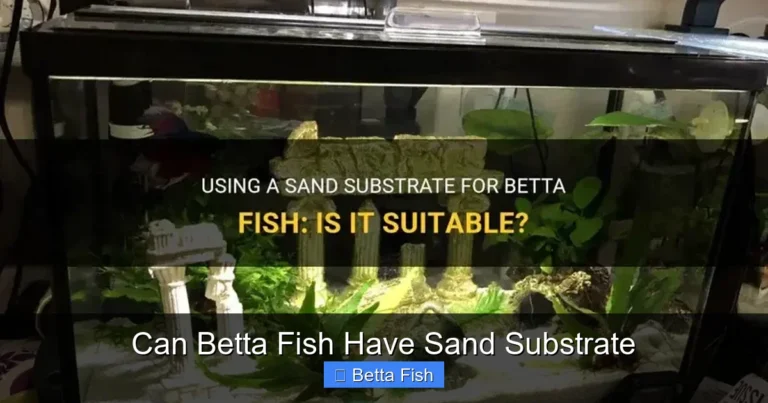
How Often Do I Clean a Betta Fish Bowl

Keeping a betta bowl clean is essential for a thriving fish. Most owners should do a partial water change every 2‑3 days and a full clean once a month, but factors like bowl size, feeding, and filtration can shift that schedule. Follow these friendly guidelines to avoid cloudy water, bad smells, and sick fish.
Key Takeaways
- Partial water changes: Swap 25‑30% of the water every 2‑3 days.
- Full clean frequency: Perform a thorough bowl cleaning about once a month.
- Size matters: Smaller bowls need more frequent changes than larger tanks.
- Filtration & décor: Using a filter or rocks slows algae growth, extending cleaning intervals.
- Watch the water: Cloudiness, foul odor, or excess algae are signals to clean sooner.
- Feed wisely: Over‑feeding creates waste, forcing more frequent water changes.
- Routine checks: Test temperature and pH weekly to keep the environment stable.
📑 Table of Contents
- Why Cleaning Your Betta Bowl Is Not Optional
- Understanding the Basics: How Often Do I Clean a Betta Fish Bowl?
- Step‑by‑Step: The Perfect Cleaning Routine
- Signs It’s Time to Clean Sooner
- How to Make Cleaning Easier (Tips & Tricks)
- Putting It All Together: A Sample Monthly Calendar
- Conclusion: Consistency Is the Key to a Happy Betta
Why Cleaning Your Betta Bowl Is Not Optional
Betta fish (Betta splendens) are hardy, but they are also sensitive to water quality. In a tiny bowl, waste builds up fast, ammonia spikes, and oxygen drops. If the water becomes cloudy or smelly, your betta will show stress: dull colors, clamped fins, or loss of appetite. Regular cleaning prevents these problems and mimics the clean, flowing streams bettas call home.
Think of the bowl as a tiny apartment. Just like you wouldn’t live in a room that never gets aired out, a betta needs fresh water to breathe and thrive. The good news? You don’t need an elaborate system—just a simple routine that fits into your weekly schedule.
Understanding the Basics: How Often Do I Clean a Betta Fish Bowl?
The short answer is: partial water changes every 2‑3 days and a full clean about once a month. However, the exact timing depends on three key factors:

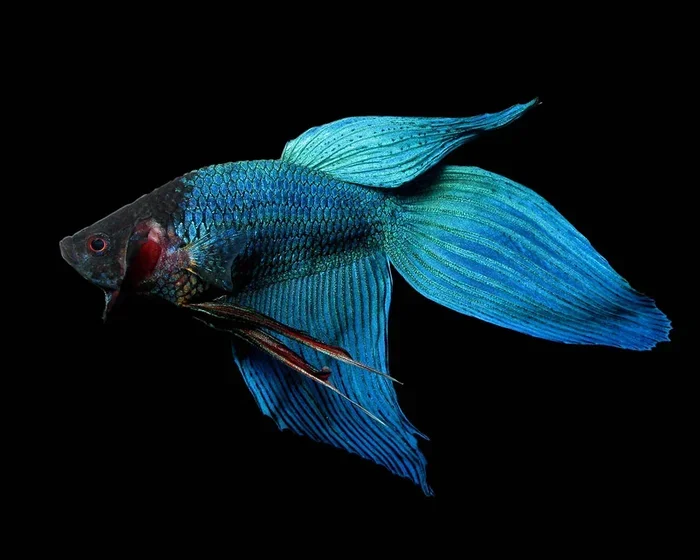
Visual guide about How Often Do I Clean a Betta Fish Bowl
Image source: phantom-marca-mx.unidadeditorial.es
1. Bowl Size
Smaller bowls (under 2 gallons) hold less water, so waste concentration rises quickly. In a 1‑gallon bowl, you may need to change 30% of the water every day during warm months. Larger bowls (3‑5 gallons) give you a bit more leeway—2‑3 days is usually fine.
2. Feeding Habits
Over‑feeding is the #1 cause of rapid water fouling. Betta fish only need about 2‑3 tiny pellets once or twice a day. If you see leftover food sinking, you’re feeding too much, and you’ll have to clean sooner. For more on feeding, see our guide on how often do i feed a betta fish.
3. Filtration & Decorations
A bowl with a small sponge filter or live plants can keep ammonia lower, extending the time between deep cleans. Rocks, driftwood, and plants also provide surface area for beneficial bacteria, but they can trap debris, so they need occasional rinsing.
Step‑by‑Step: The Perfect Cleaning Routine
Partial Water Change (Every 2‑3 Days)
- Gather supplies: a clean bucket (dedicated for aquarium use), a siphon or turkey baster, a water conditioner, and a thermometer.
- Check temperature: Aim for 76‑80 °F (24‑27 °C). Warm water reduces stress.
- Remove 25‑30% of water: Use the siphon to pull water from the bottom, where waste settles.
- Condition the new water: Add water conditioner to neutralize chlorine and chloramines.
- Replace water slowly: Pour the treated water back, letting it flow over a leaf or a small piece of plastic to avoid shocking the fish.
- Observe: Watch your betta for a few minutes; if it darts around happily, you’re good.
Full Bowl Clean (Once a Month)
- Prepare a clean workspace: Lay out a towel, have a bucket of treated water ready, and keep a net handy.
- Remove the fish: Gently net your betta and place it in the bucket of treated water.
- Take out décor: Lift rocks, plants, and any ornaments. Rinse them in the bucket water—don’t use soap.
- Scrape the sides: Use a soft algae scraper or a clean sponge to remove any film.
- Empty the bowl: Discard the old water completely.
- Rinse the bowl: Rinse with warm (not hot) water; avoid any detergents.
- Re‑assemble: Put décor back, add fresh conditioned water, and let the temperature stabilize.
- Return the betta: Gently slide the net into the bowl and release your fish.
Need a visual guide? Check out how to clean out a betta fish bowl for photos and video tips.
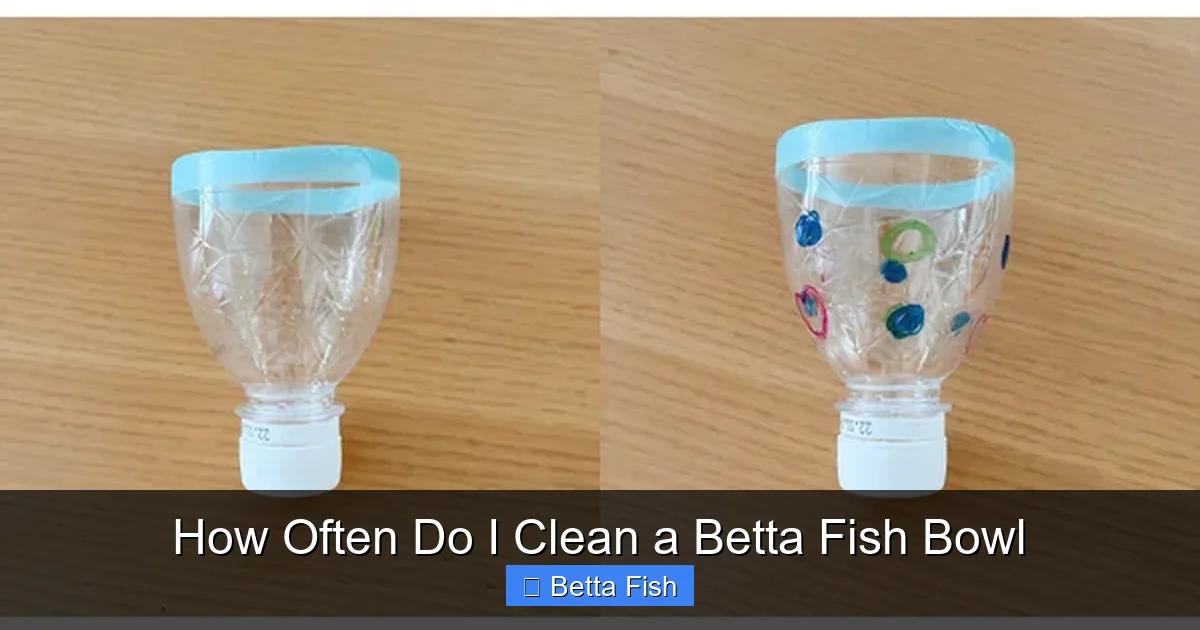
Visual guide about How Often Do I Clean a Betta Fish Bowl
Image source: coco-cari-egg.jp
Signs It’s Time to Clean Sooner
Even with a schedule, life can throw curveballs—temperature spikes, a sudden feeding mishap, or a new plant that releases tannins. Keep an eye out for these red flags:

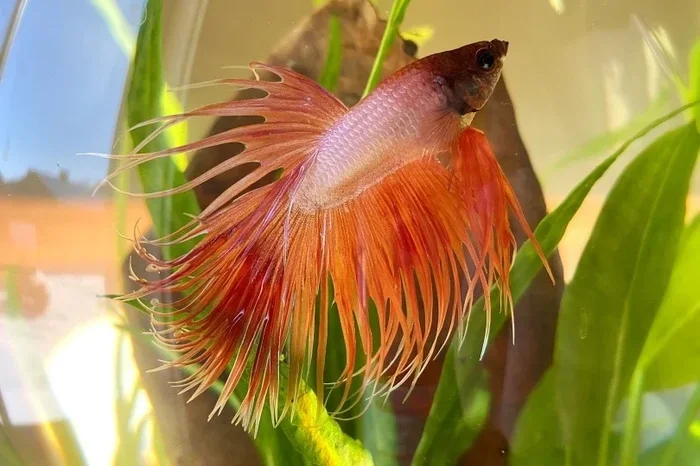
Visual guide about How Often Do I Clean a Betta Fish Bowl
Image source: images.augustman.com
- Cloudy water: Indicates excess waste or a bacterial bloom.
- Foul odor: A sour smell means ammonia is building.
- Algae overgrowth: Green film on the glass or décor suggests too much light or nutrients.
- Betta acting lethargic: Low energy can be a stress response to poor water quality.
- Visible waste: Un‑eaten pellets or feces floating on the surface.
If you notice any of these, perform a partial water change right away and consider moving the next full clean up a few days.
How to Make Cleaning Easier (Tips & Tricks)
Use a Dedicated Cleaning Bucket
Never reuse a bucket that has held chemicals or food. A dedicated aquarium bucket prevents cross‑contamination and keeps water parameters stable.
Invest in a Small Sponge Filter
Even a tiny sponge filter can host beneficial bacteria, lowering ammonia. It also circulates water gently, reducing the need for frequent deep cleans. Learn more about setting up filtration in our article how to clean a betta fish bowl without filter.
Choose Easy‑Clean Décor
Rocks and smooth driftwood are easier to rinse than intricate castles. If you love plants, opt for hardy Java fern or Anubias, which require minimal trimming.
Schedule Reminders
Set a phone alarm or calendar event for “Partial water change” and “Full bowl clean.” Consistency beats “I’ll do it later.”
Test Water Regularly
Simple test strips for ammonia, nitrite, and pH cost less than $10 and give peace of mind. If ammonia reads above 0 ppm, increase cleaning frequency immediately.
Putting It All Together: A Sample Monthly Calendar
| Day | Task |
|---|---|
| 1 | Full bowl clean (replace all water, scrub glass, rinse décor) |
| 2‑3 | Partial water change (30%) |
| 4‑6 | Partial water change (30%) |
| 7 | Check water parameters, clean filter sponge if used |
| 8‑10 | Partial water change (30%) |
| 11‑13 | Partial water change (30%) |
| 14 | Observe for algae; trim plants if needed |
| 15‑17 | Partial water change (30%) |
| 18‑20 | Partial water change (30%) |
| 21 | Test water, note any smells or cloudiness |
| 22‑24 | Partial water change (30%) |
| 25‑27 | Partial water change (30%) |
| 28‑30 | Prepare for next full clean; gather supplies |
This template is flexible—adjust days based on your bowl size, temperature, and feeding routine. The goal is to keep water clear, odor‑free, and at a stable temperature.
Conclusion: Consistency Is the Key to a Happy Betta
Answering “how often do i clean a betta fish bowl?” isn’t a one‑size‑fits‑all formula, but the 2‑3‑day partial change plus monthly deep clean rule works for most hobbyists. Pay attention to bowl size, feeding, and any signs of water trouble, and you’ll give your betta a sparkling home where it can flaunt its brilliant fins.
Remember, a clean bowl equals a healthy, active betta—so grab that siphon, set a reminder, and enjoy watching your little warrior thrive!
Frequently Asked Questions
How often should I change the water in a betta bowl?
Do a 25‑30% water change every 2‑3 days and a full clean about once a month, adjusting for bowl size and feeding amount.
Can I use tap water without a conditioner?
No. Tap water contains chlorine or chloramines that are toxic to bettas. Always treat water with a conditioner before adding it to the bowl.
What if I can’t do a full clean every month?
Increase the frequency of partial changes (every 1‑2 days) and keep an eye on water clarity and smell. A more frequent partial change can temporarily compensate.
Do bettas need a filter in a bowl?
A tiny sponge filter or live plants can help, but they are not required if you stick to the regular cleaning schedule.
How can I tell if my betta is stressed from dirty water?
Look for clamped fins, faded colors, lethargy, or rapid gulping at the surface. These are signs the water quality may be poor.
Is it okay to use a glass cleaner to scrub the bowl?
No. Glass cleaners leave residues that are harmful to fish. Use plain water or a soft aquarium‑safe sponge only.