How Often Should You Clean Your Betta Fish Bowl
Keeping a betta bowl clean is essential for a thriving fish. Most experts recommend a full water change every week and spot‑cleaning daily. Follow our easy guide to balance cleanliness with stress‑free care.
Key Takeaways
- Weekly water changes: Replace 25‑50% of the water each week to prevent toxin buildup.
- Daily spot cleaning: Remove debris and uneaten food every day to keep water clear.
- Use a proper filter or aeration: Even a small sponge filter greatly reduces cleaning frequency.
- Monitor water parameters: Test for ammonia, nitrite, and pH weekly; act quickly if levels rise.
- Temperature stability: Keep water at 76‑82°F; sudden changes can stress your betta.
- Observe fish behavior: Cloudy water or sluggish swimming signals it’s time for a deeper clean.
- Follow a routine: Consistency makes cleaning easier and your betta healthier.
📑 Table of Contents
- Introduction: Why Cleanliness Matters for Your Betta
- 1. Understanding Betta Bowl Basics
- 2. How Often Should You Clean Your Betta Fish Bowl?
- 3. Factors That Can Change the Cleaning Frequency
- 4. Step‑by‑Step Daily Maintenance
- 5. Common Mistakes and How to Avoid Them
- 6. Long‑Term Strategies for a Cleaner Bowl
- Conclusion
Introduction: Why Cleanliness Matters for Your Betta
Imagine sharing a tiny kitchen with a roommate who never takes out the trash. Eventually, the space would get smelly, sticky, and unhealthy, right? Your betta fish feels the same way in its bowl. Even though bettas are hardy, they are also sensitive to poor water quality. A dirty bowl can lead to ammonia spikes, fungal infections, and a dull, lifeless fish.
In this article we’ll answer the most common question: how often should you clean your betta fish bowl? We’ll break down the science behind water quality, give you a step‑by‑step cleaning schedule, and share tips to make the process quick and stress‑free. By the end, you’ll have a clear routine that keeps your finned friend looking vibrant and swimming happily.
1. Understanding Betta Bowl Basics
The anatomy of a typical bowl
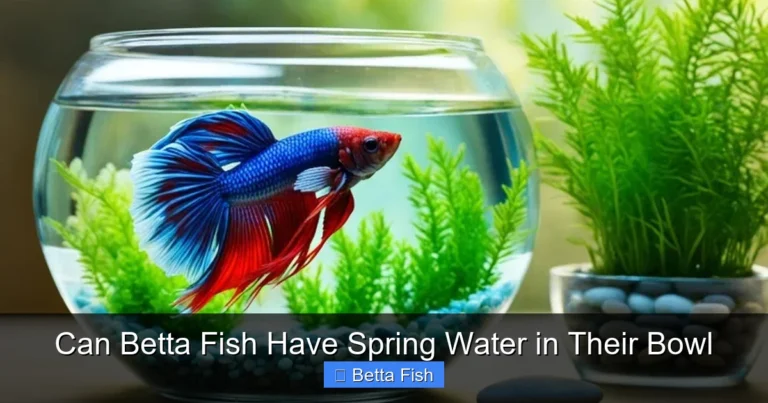
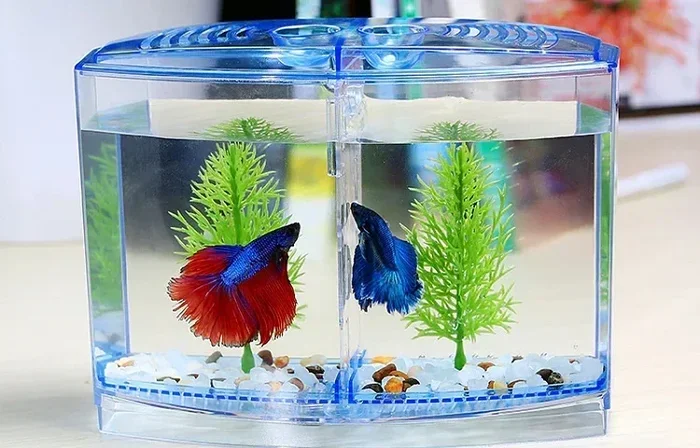
Most beginners start with a simple glass or plastic bowl that holds 2‑5 gallons. Unlike a fully filtered aquarium, a bowl relies on frequent water changes to dilute waste. The surface area‑to‑volume ratio is high, so temperature can swing quickly and oxygen levels may drop.

Visual guide about How Often Should You Clean Your Betta Fish Bowl
Image source: shuomingshu.cn
What can go wrong?
- Ammonia buildup: Produced from fish waste and uneaten food, ammonia is toxic even at low levels.
- Nitrite spikes: In a fully cycled tank nitrite is converted to nitrate, but bowls rarely host a stable bacterial colony.
- Algae bloom: Excess light and nutrients create green film that clouds the water.
- Fungal or bacterial infections: Stressed bettas are more prone to disease.
Because a bowl lacks a robust filtration system, the only reliable way to control these problems is through regular cleaning and water changes.
2. How Often Should You Clean Your Betta Fish Bowl?
General rule of thumb
The short answer: spot‑clean daily and perform a partial water change once a week. If you notice cloudiness, foul odor, or your betta acting sluggish, increase the frequency to every 3‑4 days.

Visual guide about How Often Should You Clean Your Betta Fish Bowl
Image source: c-ssl.duitang.com
Weekly deep clean checklist
- Gather supplies: a clean bucket (dedicated for aquarium use), a siphon or turkey baster, a soft algae pad, and a water conditioner.
- Turn off any equipment: heaters or filters should be removed to avoid electric shock.
- Remove the fish: gently scoop your betta into a temporary container with water from the bowl.
- Scrape surfaces: use the algae pad to wipe the sides and bottom. Avoid harsh chemicals.
- Siphon out 25‑50% of the water: this removes most dissolved waste.
- Rinse decorations: rinse rocks, plants, and any ornaments in the removed water (not tap water) to keep beneficial bacteria.
- Refill: add conditioned water that matches the bowl’s temperature (within 2°F).
- Return the betta: gently place the fish back and restart any equipment.
Following this schedule keeps ammonia below 0.25 ppm, which is safe for bettas.
3. Factors That Can Change the Cleaning Frequency
Size of the bowl
A 2‑gallon bowl will need more frequent changes than a 5‑gallon one because waste concentrations rise faster. If you’re using a bowl under 2 gallons, consider a full water change every 3‑4 days.
Feeding habits
Overfeeding is the number one cause of dirty water. Feed only what your betta can eat in 2‑3 minutes, once or twice daily. For more guidance, see our article on how often should you feed betta fish.
Presence of a filter or heater
Even a small sponge filter can lower the need for weekly deep cleans by removing some waste particles. Heaters, however, can increase algae growth if they emit too much heat.
Water source quality
Hard tap water with high chlorine or chloramine levels will require more frequent conditioning. Using a water conditioner each change neutralizes these chemicals.
Live plants
Live plants absorb nitrates and provide natural filtration. A well‑planted bowl may stay clearer longer, but you’ll still need weekly partial changes to keep parameters stable.
4. Step‑by‑Step Daily Maintenance
Spot cleaning the surface
Each day, use a clean net or turkey baster to remove floating debris and uneaten food. This prevents decay, which releases ammonia.
Checking water clarity
Hold the bowl up to the light. If you see a hazy film, it’s time for a quick water top‑off with conditioned water to dilute the pollutants.
Temperature check
Use a reliable aquarium thermometer. If the temperature drifts more than 2°F from the ideal 76‑82°F range, adjust the heater or move the bowl away from drafts.
Behavioral cues
A healthy betta flares its fins, swims actively, and shows bright colors. If you notice lethargy, clamped fins, or ragged edges, it could be a sign that water quality has slipped. In that case, perform a partial water change immediately.
5. Common Mistakes and How to Avoid Them
Using tap water without conditioner
Chlorine and chloramine are lethal to fish. Always treat new water with a water conditioner before adding it to the bowl.
Changing all the water at once
A 100% water change can shock a betta by altering temperature, pH, and beneficial bacteria levels. Stick to 25‑50% changes unless the water is catastrophically dirty.
Skipping the siphon
Simply dumping water from the top leaves waste settled at the bottom. A siphon removes debris from the substrate where harmful bacteria thrive.
Ignoring the filter
If you have a small filter, clean it once a month. A clogged filter reduces flow and can cause ammonia spikes.
6. Long‑Term Strategies for a Cleaner Bowl
Upgrade to a small tank
If you find yourself cleaning every few days, it may be time to move to a 5‑gallon tank with a filter. This provides a more stable environment and reduces maintenance effort.
Add live plants
Plants like Java fern, Anubias, or Marimo moss absorb nitrates and give your betta hiding spots, which reduces stress.
Use a water testing kit
Testing kits cost a few dollars and let you track ammonia, nitrite, nitrate, and pH. Test weekly and adjust your cleaning schedule accordingly.
Set a reminder
Use your phone calendar to set a weekly “Bowl Clean Day.” Consistency is the secret to a healthy betta.
Conclusion
Keeping a betta fish bowl clean isn’t about endless chores; it’s about a simple, repeatable routine that protects your fish’s health. By spot‑cleaning daily, performing a 25‑50% water change each week, and watching for signs of stress, you’ll maintain crystal‑clear water and a vibrant, active betta. Remember, the key is consistency, not perfection. If you ever feel overwhelmed, consider moving to a small filtered tank—your betta will thank you.
Frequently Asked Questions
How often should I change the water in a betta bowl?
Replace 25‑50% of the water every week. If the water looks cloudy or smells, do a partial change sooner.
Can I clean my betta bowl without a filter?
Yes. Use a siphon to remove debris and perform weekly partial water changes. A small sponge filter can make the job easier, though.
What is the best temperature range for a betta fish?
Maintain water between 76°F and 82°F (24°C‑28°C). Sudden temperature swings can stress the fish and increase disease risk.
How do I know if my betta is stressed by cleaning?
Signs of stress include clamped fins, loss of color, and frantic swimming. Keep cleaning gentle and avoid moving the fish too much.
Do I need to clean decorations?
Yes. Rinse rocks, plants, and ornaments in the water you removed during the change to keep beneficial bacteria while removing waste.
Is a weekly full water change ever necessary?
Only if the water becomes extremely dirty or ammonia spikes above 0.25 ppm. Otherwise, a partial change is sufficient and safer for the betta.