How Much Space Do You Need for Two Betta Fish

Two betta fish need at least a 20-gallon tank to thrive, with each fish getting its own territory and hiding spots. Keeping bettas together requires careful planning, the right tank size, and proper setup to reduce aggression and stress. This guide covers everything you need to know about space requirements for two betta fish, from tank dimensions to ideal setups.
So you want to keep two betta fish together? That’s a great idea, but it comes with one big question: how much space do you actually need? Many new fish owners assume a small bowl or a tiny tank will do the trick. But bettas are active, colorful fish that need room to swim, explore, and claim their own territory.
The truth is, space for two betta fish isn’t just about fitting them in a tank. It’s about their health, happiness, and longevity. A cramped tank leads to stress, fighting, and illness. And nobody wants that for their beautiful fish. In this guide, we’ll break down exactly how much space you need, why it matters, and how to set up the perfect home for your two bettas.
Key Takeaways
- Minimum tank size: A 20-gallon tank is the smallest recommended for two betta fish to avoid territorial conflicts.
- More space is always better: Larger tanks reduce stress, improve water quality, and give each fish room to establish territory.
- Tank setup matters: Plants, caves, and dividers help create separate zones and reduce aggression between bettas.
- Not all bettas can live together: Male bettas should never share a tank, and even females may fight without enough space.
- Water quality is critical: Bigger tanks are easier to maintain and keep parameters stable for healthy bettas.
- Overcrowding leads to health problems: Too little space causes stress, disease, and shortened lifespan in betta fish.
📑 Table of Contents
Why Space Matters for Two Betta Fish
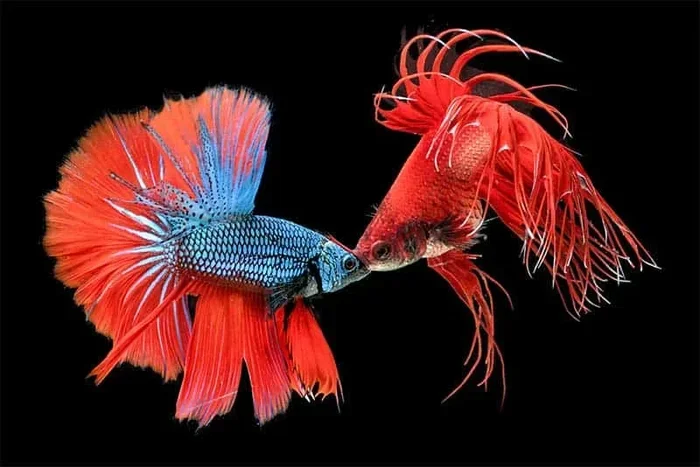
Betta fish are also called fighting fish for a reason. In the wild, they claim territories and defend them fiercely. When you put two bettas in a tank that’s too small, they don’t have room to establish boundaries. This leads to constant chasing, fin nipping, and serious injuries.
But it’s not just about aggression. Space affects water quality too. In a small tank, ammonia and nitrates build up fast. This creates a toxic environment that stresses your fish and weakens their immune system. A larger tank dilutes waste and keeps the water cleaner for longer.
If you’re new to betta care, check out how to care for a betta fish before adding a second fish to your setup.
The Territory Factor
Each betta fish needs its own space to feel safe. Think of it like a bedroom. If you share a room that’s too small, you’d feel stressed and annoyed. Bettas feel the same way. When each fish has enough room to swim freely without constantly bumping into the other, they’re much happier and less likely to fight.
A good rule of thumb is to give each betta at least 5 to 10 gallons of space. That means a minimum 10-gallon tank for two fish, but honestly, bigger is always better. Many experts recommend a 20-gallon tank as the sweet spot for housing two bettas comfortably.
What Size Tank Do You Really Need?
The tank size you choose depends on whether you’re keeping two male bettas, two females, or one of each. The setup and space requirements vary quite a bit. Let’s look at the different scenarios.
Two Female Betta Fish
Female bettas can sometimes live together in a group called a sorority. But even females need enough space to avoid conflict. For two female bettas, a 10-gallon tank is the absolute minimum. A 20-gallon tank gives them much more room to establish territories without constant tension.
Adding plants and decorations creates visual barriers. This helps each fish feel like it has its own area. The more space and hiding spots you provide, the better the chances of a peaceful setup.
Two Male Betta Fish
Here’s the hard truth: two male bettas should never share a tank. They will fight, and the fights can be fatal. Male bettas are extremely territorial and will attack any other male betta they see. No amount of space makes this safe.
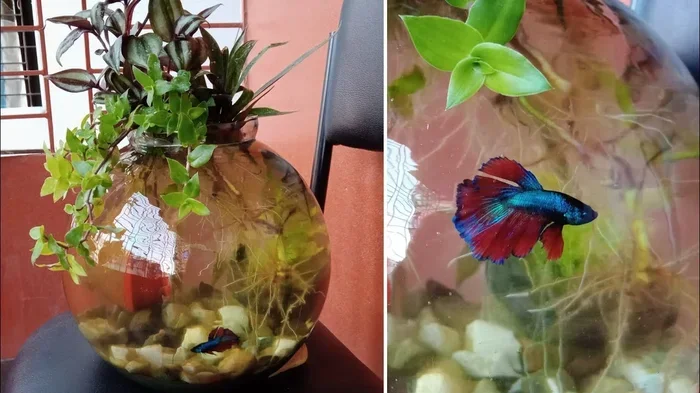
If you want two males, you need two separate tanks. Each tank should be at least 5 gallons, but 10 gallons is much better. You can place the tanks side by side so the fish can see each other without actually being in the same water.
One Male and One Female Betta Fish
A male and female pair can work, but it still requires plenty of space. A 20-gallon tank is recommended for this combination. The extra room helps reduce the male’s aggression and gives the female places to retreat.
It’s also important to note that breeding pairs need even more space and careful monitoring. If you’re planning to breed bettas, make sure you have a dedicated breeding tank set up as well.
How to Set Up a Tank for Two Betta Fish
Now that you know the right tank size, let’s talk about setup. A proper setup makes a huge difference in how well two bettas coexist.
Choose the Right Tank
Start with a tank that’s at least 20 gallons. This gives each fish about 10 gallons of its own space. A long tank works better than a tall one because bettas swim horizontally and need more floor space.
If you’re on a budget, a 10-gallon tank can work for two females, but it’s tight. Avoid tanks smaller than 10 gallons for any two-betta setup. Small tanks are harder to maintain and more prone to water quality issues.
For more guidance on choosing the right size, check out what size tank do I need for a betta fish.
Add Plants and Hiding Spots
Live or silk plants are essential for a two-betta tank. Plants create natural barriers that break up sightlines between the fish. This reduces aggression because neither fish feels constantly threatened.
Here are some great plant options for betta tanks:
- Java fern – Easy to grow and betta-friendly
- Amazon sword – Provides good coverage and hiding spots
- Anubias – Hardy plant that grows slowly
- Floating plants like frogbit – Bettas love to rest near the surface
Caves, driftwood, and ceramic hides also give each fish a place to call its own. The goal is to create separate zones within the same tank.
Install Proper Filtration and Heating
A good filter keeps the water clean and removes harmful toxins. Choose a filter with adjustable flow, because bettas don’t like strong currents. Sponge filters work great for betta tanks.
A heater is equally important. Bettas are tropical fish and need warm water between 78 and 80 degrees Fahrenheit. A stable temperature keeps your fish healthy and reduces stress. For more on heaters, see do I need a heater for betta fish.
Maintain Water Quality
Larger tanks are easier to maintain than small ones. In a 20-gallon tank, water parameters stay more stable, giving you more time to catch problems before they become serious.
Here’s a simple maintenance routine for a two-betta tank:
- Test water weekly – Check ammonia, nitrite, nitrate, and pH levels.
- Do a 25% water change every week or a 50% change every two weeks.
- Vacuum the substrate to remove debris and waste.
- Clean the filter monthly, but don’t replace all filter media at once.
For step-by-step instructions, read how to do a water change for betta fish.
Common Mistakes When Housing Two Betta Fish
Even experienced fish keepers make mistakes. Here are the most common errors people make when keeping two bettas together.
Starting with a Tank That’s Too Small
This is the number one mistake. Many people buy a 5-gallon tank and think it’s fine for two fish. It’s not. A 5-gallon tank is designed for one betta, not two. Overcrowding leads to stress, aggression, and poor water quality.
Always start with the right size tank from the beginning. It’s much harder to fix problems caused by a too-small tank than to set things up correctly from day one.
Skipping Visual Barriers
Some people set up a tank with open swimming space and no plants or decorations. This is a recipe for disaster. Without barriers, both fish see each other constantly and feel threatened. This leads to nonstop stress and fighting.
Fill the tank with plants, rocks, and decorations that break up the line of sight. Each fish should have areas where it can hide and feel safe.
Ignoring Water Parameters
Two fish in one tank produce more waste than one fish. If you don’t stay on top of water changes and testing, ammonia levels can spike quickly. This causes burns, illness, and even death.
Invest in a good liquid test kit. Test strips are okay for quick checks, but a liquid test kit gives you much more accurate readings. Test your water at least once a week, especially in the first few weeks after setting up the tank.
Mixing Incompatible Tank Mates
If you’re keeping two bettas with other fish, make sure the tank mates are peaceful and don’t nip fins. Avoid fish like guppies or angelfish that may bother bettas. Good tank mates for a two-betta setup include corydoras catfish, kuhli loaches, and small tetras.
Benefits of a Larger Tank for Two Betta Fish
You might be wondering, “Can I just get a bigger tank?” Yes, and here’s why that’s a great idea.
A larger tank provides more stable water conditions. The water dilutes waste products naturally, so you don’t have to clean as often. It also gives your fish more room to swim and explore, which keeps them active and healthy.
With a bigger tank, you can create a more interesting environment. Add different levels of plants, create caves, and set up areas with gentle flow. Your bettas will have more to do and explore, which reduces boredom and stress.
For more information on tank sizes, read how big of a tank do betta fish need.
| Tank Size | Best For | Difficulty Level | Maintenance Frequency |
|---|---|---|---|
| 5 Gallons | One betta only | Easy | Weekly water changes |
| 10 Gallons | Two female bettas (minimum) | Moderate | Weekly water changes |
| 20 Gallons | Two bettas (ideal) | Moderate | Bi-weekly water changes |
| 30+ Gallons | Two bettas with tank mates | Advanced | Weekly water changes |
Signs Your Two Betta Fish Need More Space
Even with the right tank size, you should watch for signs that your fish aren’t comfortable. Catching these early can save you a lot of trouble.
- Constant chasing: If one fish is always chasing the other, they need more space or more barriers.
- Flaring at the glass: A betta that flares at its own reflection or at the other fish constantly is stressed.
- Hiding all the time: If one fish hides constantly and won’t come out, it doesn’t feel safe in the tank.
- Fin clamping: When a betta holds its fins close to its body, it’s a sign of stress or illness.
- Loss of color: A healthy betta is vibrant. Dull colors often mean the fish is stressed or unwell.
- Not eating: A betta that refuses food is telling you something is wrong, and space could be the issue.
If you notice any of these signs, consider upgrading to a larger tank or adding more plants and decorations to create better separation between the fish.
Quick Tips for Success with Two Betta Fish
- Always start with a tank that’s at least 20 gallons for two bettas.
- Use live or silk plants to create natural barriers and hiding spots.
- Test your water weekly and keep ammonia and nitrite at zero.
- Never house two male bettas in the same tank.
- Feed each fish separately to prevent food competition.
- Watch for signs of stress and act quickly if you notice any.
- Be patient. It can take a few weeks for two bettas to adjust to living together.
Conclusion
Giving your two betta fish enough space is one of the most important things you can do for their health and happiness. A 20-gallon tank is the sweet spot for most setups, giving each fish room to swim, explore, and claim its own territory. Smaller tanks can work for two females, but they require more frequent maintenance and careful monitoring.
Remember that space for two betta fish isn’t just about the gallons. It’s about creating a well-planned environment with plants, hiding spots, stable water conditions, and proper filtration. When you get the setup right, you’ll be rewarded with two healthy, colorful, and active fish that bring joy to your home.
Take the time to plan your tank before you buy your fish. Your bettas will thank you with years of beauty and companionship. For more tips on betta care, explore our beginner’s guide to betta fish supplies and start your journey the right way.
Frequently Asked Questions
Can two male betta fish ever live in the same tank?
No, two male bettas should never share a tank. They are extremely territorial and will fight aggressively, often resulting in serious injury or death. Each male betta needs its own separate tank.
What is the minimum tank size for two female betta fish?
The minimum tank size for two female bettas is 10 gallons. However, a 20-gallon tank is much better because it gives each fish more room to establish its own territory and reduces the chance of conflict.
Do I need a divider if I keep two bettas in one tank?
A tank divider can work for two female bettas in a pinch, but it limits swimming space for both fish. A better option is a properly planted 20-gallon tank where each fish has enough room to claim its own area without constant contact.
How often should I clean a tank with two betta fish?
Do a 25% water change weekly or a 50% change every two weeks. Also vacuum the substrate and test your water parameters regularly. A 20-gallon tank is easier to maintain than a smaller one because water parameters stay more stable.
Can I keep two bettas with other fish?
Yes, but you’ll need an even larger tank. A 30-gallon tank or bigger works well for two bettas with peaceful tank mates like corydoras, kuhli loaches, or small tetras. Avoid fish with long fins or aggressive behavior.
What happens if two bettas don’t have enough space?
Without enough space, bettas become stressed, aggressive, and more prone to illness. They may fight, stop eating, lose their color, and develop diseases like fin rot. In severe cases, overcrowding can lead to death.