How Much Space Does a Male Betta Fish Need
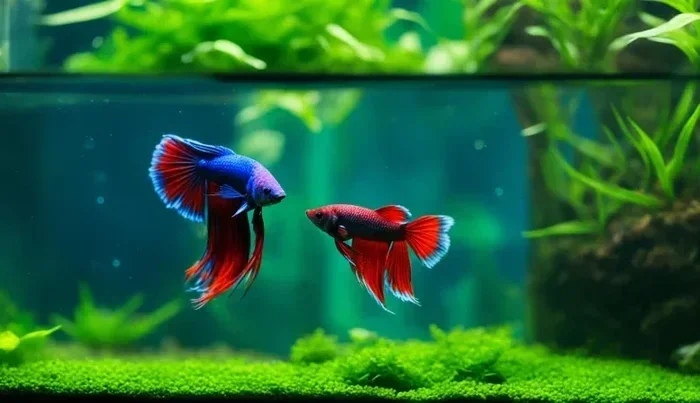
A male betta fish needs at least a 5-gallon tank to live a healthy and stress-free life. While many people keep bettas in small bowls, larger tanks with proper filtration and heating provide a much better environment. Understanding your betta’s space requirements helps prevent disease, aggression, and boredom. The right setup includes a heater, filter, and plenty of enrichment. Let’s explore exactly how to give your male betta the space he deserves.
Key Takeaways
- Minimum tank size: A male betta fish needs at least a 5-gallon tank, though larger is always better for their overall health and happiness.
- Bowl life is short: Keeping a male betta in a small bowl can lead to stress, disease, and a shortened lifespan of just 2-3 years instead of the typical 5+.
- Tank setup matters: A proper betta tank needs a heater, gentle filter, plants, and hiding spots to mimic their natural habitat.
- Territorial nature: Male bettas are highly territorial and need enough space to establish their own zone without feeling threatened.
- Larger tanks are safer: A 10-gallon or bigger tank is easier to maintain and gives your betta room to swim, explore, and thrive.
- Avoid tiny containers: Pet store cups and bowls are only temporary solutions and should never be used as permanent homes.
- Enrichment is key: Plants, caves, and driftwood keep your betta active and mentally stimulated in their tank.
📑 Table of Contents
- Why Space Matters for Your Male Betta Fish
- The Minimum Tank Size for a Male Betta
- How to Set Up the Perfect Betta Tank
- Understanding Your Betta’s Territorial Needs
- Tank Size Comparison: What Works and What Does Not
- Common Mistakes When Choosing a Betta Tank
- Quick Tips for Maximizing Your Betta’s Space
- Expert Insights on Betta Fish Space Requirements
- Conclusion
Why Space Matters for Your Male Betta Fish
Male betta fish are beautiful, colorful creatures that deserve a comfortable home. But here is the truth many fish owners do not want to hear: how much space does a male betta fish need is a question most people get wrong. Too many bettas live their entire lives in tiny cups or bowls that barely give them room to turn around.
In the wild, male bettas patrol territories that span several feet. They hunt, explore, build bubble nests, and interact with their environment constantly. A cramped tank strips them of these natural behaviors. Over time, this leads to stress, weakened immunity, and a much shorter life. Understanding betta fish tank size requirements is the first step toward giving your fish a great life.
This guide breaks down everything you need to know about male betta fish space requirements. We will cover the minimum tank size, ideal setups, common mistakes, and practical tips to keep your betta thriving.
The Minimum Tank Size for a Male Betta
So, what is the minimum space a male betta needs? The short answer is a 5-gallon tank. This is the widely accepted standard among betta enthusiasts and aquatic veterinarians. A 5-gallon tank gives your betta enough room to swim freely, set up territory, and maintain stable water conditions.
But here is the thing. A 5-gallon tank is really the floor, not the goal. If you want a truly happy betta, aim bigger. Let us break down the options:
- 1-gallon bowl: Absolutely not acceptable. Your betta will be stressed and unhealthy within weeks.
- 2.5-gallon container: Slightly better but still too small for long-term housing.
- 5-gallon tank: The bare minimum for a male betta. Workable but limited in setup options.
- 10-gallon tank: The sweet spot for most betta keepers. Offers stability, space, and room for enrichment.
- 20-gallon long tank: Excellent choice if you want a stunning display or plan to add tank mates.
Why Not a Bowl?
Many people still buy betta fish bowls because they look cute and take up little space. But bowls are one of the worst things you can put a betta in. They offer almost no room to swim, cannot hold a heater or filter, and the water quality drops dangerously fast. If you want to know how much space does a betta fish really need, the answer is clear: far more than a bowl provides.
Bettas kept in bowls often live only 2 to 3 years instead of the typical 5 or more. The poor water conditions and lack of environmental enrichment take a serious toll. If your betta is currently in a bowl, consider upgrading as soon as possible.
How to Set Up the Perfect Betta Tank
Once you have the right tank size, the next step is setting it up properly. A male betta needs more than just water and glass. His betta fish habitat should mimic his natural environment as closely as possible. This means warm water, gentle flow, hiding spots, and visual barriers.
Heating Your Betta Tank
Bettas are tropical fish. They need water temperatures between 76°F and 82°F (24°C to 28°C). Without a heater, room temperature water often drops too low, especially in winter. A small submersible heater with a thermostat makes a huge difference. Betta fish water conditions are much easier to maintain when the temperature stays consistent.
Filtration Without Strong Current
Bettas are not strong swimmers. They hate strong water flow. Choose a filter with gentle output, such as a sponge filter or a small hang-on-back filter with adjustable flow. The current should be light enough that your betta can swim without being pushed around. For more guidance on whether filtration is necessary, check out this helpful resource on whether a betta fish needs a filter.
Plants and Decorations
Live or silk plants are essential for a betta tank. They provide resting spots near the surface, reduce stress, and help break up the tank so your betta feels secure. Avoid plastic plants with sharp edges that can tear delicate fins. Adding caves, driftwood, and rocks gives your betta places to explore and claim as territory.
If you want to learn more about choosing the right setup, our article on what kind of tank a betta fish needs covers the options in detail.
Understanding Your Betta’s Territorial Needs
Male bettas are famously territorial. In the wild, a male betta will defend his space from any intruder. This is why people call them Siamese fighting fish. In a tank, this territorial instinct does not go away. Your betta needs enough room to establish a zone without feeling crowded or threatened.
When a betta does not have enough space, several problems arise:
- Constant stress: Your fish stays on edge, flashing against decorations and hiding constantly.
- Color fading: Stressed bettas often lose their vibrant colors. A healthy, comfortable betta shows off brilliant reds, blues, and greens.
- Fin nipping and flaring: Without space to retreat, bettas may flare at their own reflection or damage their fins.
- Poor appetite: Stress directly affects feeding habits. A stressed betta may refuse food or eat too little.
- Shortened lifespan: Chronic stress weakens the immune system and can cut a betta’s life short by years.
How Much Room Does a Betta Need to Feel Safe?
As a general rule, a male betta needs at least 3 to 4 feet of horizontal swimming space. This is why a 5-gallon tank is the minimum. A 10-gallon tank gives roughly 6 feet of swimming room, which is much closer to what a betta would experience in nature. If you are wondering do betta fish like a lot of space, the answer is yes. They genuinely benefit from larger environments.
For those keeping bettas in smaller setups, consider how you can maximize the available space. Use vertical elements like tall plants and floating ledges. This gives your betta more to interact with even in a compact tank. You can learn more about space preferences in our article on whether betta fish like a lot of space.
Tank Size Comparison: What Works and What Does Not
Let us compare different tank sizes so you can see the differences clearly. Here is a breakdown of how each option affects your betta’s quality of life:
| Tank Size | Swimming Room | Heater Possible | Filter Possible | Suitable for Long-Term? |
|---|---|---|---|---|
| 1 gallon (bowl) | Very limited | No | No | No |
| 2.5 gallons | Small | Difficult | Barely | Not ideal |
| 5 gallons | Adequate | Yes | Yes | Minimum acceptable |
| 10 gallons | Comfortable | Yes | Yes | Highly recommended |
| 20 gallons | Excellent | Yes | Yes | Perfect for enthusiasts |
Why Bigger Is Almost Always Better
Larger tanks are easier to maintain in many ways. Water parameters stay more stable because there is more water to dilute waste. Temperature fluctuations are less dramatic. And your betta simply has more room to move around. A 10-gallon tank is often easier to care for than a 5-gallon one because the margin for error is bigger.
For readers exploring tank dimensions further, our guide on how big a betta fish tank needs to be provides detailed recommendations for every scenario.
Common Mistakes When Choosing a Betta Tank
Even well-meaning fish owners make mistakes. Here are the most common ones when it comes to betta fish living space:
Buying the Wrong Tank from a Pet Store
Pet stores often sell bettas in small cups or tiny tanks. This creates the false impression that bettas belong in small containers. Always choose a tank based on research, not what the store has on display. Your betta deserves better than a temporary cup.
Overcrowding the Tank
Some owners want to add lots of fish and decorations. With bettas, less is more. A male betta should typically live alone unless you have a very large tank with careful planning. Even small tank mates can stress a betta if the space is limited. If you are considering adding companions, our article on keeping other fish with a male betta is a great resource.
Ignoring Water Quality
Small tanks are harder to keep clean. In a 5-gallon or larger tank, do partial water changes of 25 to 30 percent every week. Use a gravel vacuum to remove debris. Test the water regularly for ammonia, nitrite, and nitrate levels. Clean water is just as important as adequate space.
Skipping the Heater
This is a surprisingly common mistake. Bettas need warm water, and room temperature is almost never warm enough. A small heater costs around $10 to $15 and makes a huge impact on your betta’s health and activity level. Do not skip this step.
Using Harsh Decorations
Avoid anything with sharp edges. Ornaments with rough paint can leach chemicals into the water. Stick with aquarium-safe materials like smooth rocks, driftwood, and soft silk plants. Your betta’s fins are delicate and easily damaged.
Quick Tips for Maximizing Your Betta’s Space
Even if you have a modest-sized tank, you can make the most of it. Here are some practical tips:
- Add vertical plants to create the illusion of a larger environment.
- Use a background on the tank to reduce visual stress from the outside world.
- Place the tank in a quiet area away from loud TVs and high-traffic zones.
- Include a resting leaf or platform near the surface for bubble nest building.
- Rotate decorations occasionally to keep your betta mentally stimulated.
- Feed in small amounts to prevent uneaten food from fouling the water quickly.
- Watch your betta’s behavior daily to spot signs of stress early.
Expert Insights on Betta Fish Space Requirements
Aquatic specialists consistently recommend larger tanks for bettas. Dr. Richmond Loh, a well-known aquatic veterinarian, has emphasized that bettas kept in tanks under 5 gallons show significantly higher stress markers. The consensus among professionals is clear: investing in a bigger tank saves money on vet bills and gives your fish a genuinely better life.
Many experienced keepers also point out that bettas in larger tanks display more natural behaviors. They build bigger bubble nests, show brighter colors, and interact with their environment eagerly. If you want your betta to truly thrive rather than just survive, give him the space he is asking for. For more on betta lifespan in different setups, check out our article on how long a betta fish lives.
Conclusion
So, how much space does a male betta fish need? The answer is at least a 5-gallon tank, with 10 gallons being the ideal choice for most hobbyists. A male betta deserves a warm, clean, and spacious environment where he can swim, explore, and express natural behaviors. Do not let a tiny bowl be your betta’s permanent home.
Giving your betta the right amount of space is one of the simplest yet most impactful things you can do as a fish owner. Start with the right tank, add proper heating and filtration, and fill it with plants and decorations that make your betta feel safe. Your fish will reward you with vibrant colors, active behavior, and a longer, happier life. Take the time to get it right. Your male betta deserves nothing less.
Frequently Asked Questions
Can a male betta fish live in a 1-gallon bowl?
A male betta can physically survive in a 1-gallon bowl, but he should not live there permanently. The water quality deteriorates quickly, there is no way to install a heater or filter, and the fish becomes stressed and unhealthy. A 5-gallon tank minimum is strongly recommended for long-term care.
Is a 5-gallon tank enough space for a male betta?
A 5-gallon tank is the accepted minimum for a male betta fish. It provides enough room for swimming, a heater, a gentle filter, and some decorations. However, a 10-gallon tank is even better because it offers more stable water conditions and greater swimming space for your betta to explore.
How do I know if my betta fish has enough space?
Watch your betta’s behavior. A fish with enough space will swim freely, explore the tank, build bubble nests, and display bright colors. Signs of insufficient space include constant hiding, stress flashing against decorations, color fading, and refusing food. If your betta seems lethargic or anxious, consider upgrading the tank.
Does a male betta fish need a big tank if he is alone?
Yes. Even alone, a male betta needs adequate space. Bettas are active fish with natural instincts to patrol, explore, and build territories. Being alone does not mean a small container is acceptable. A 5-gallon tank minimum gives a solo betta the room he needs to live a healthy life.
What is the best tank size for a male betta fish?
The best tank size for a male betta is 10 gallons. This gives plenty of swimming room, stable water parameters, space for a heater and filter, and room for plants and decorations. A 10-gallon long tank is especially great because it provides horizontal swimming space that bettas love.
Can I keep two male betta fish in the same tank?
Generally, no. Two male bettas will fight aggressively, often to the death, unless the tank is extremely large with heavy enrichment and visual barriers. Even then, it is risky and not recommended. If you want multiple bettas, consider a sorority of females in a 20-gallon or larger tank, or keep males in completely separate tanks.