Can Guppies and Betta Fish Live in the Same Tank

Can guppies and betta fish live in the same tank? Technically, yes — but it’s risky and requires careful planning. Betta fish are territorial and may attack guppies, especially males with bright, flowing fins. Success depends on tank size, betta temperament, and proper setup. This guide covers everything you need to know before attempting this combination.
Key Takeaways
- It’s possible but not ideal: Guppies and betta fish can coexist in the same tank, but it requires specific conditions and constant monitoring to prevent aggression.
- Betta temperament matters most: Some bettas are docile enough to ignore tankmates, while others will attack anything that moves — especially colorful, fin-nipping fish like guppies.
- Tank size is critical: A minimum of 20 gallons is recommended to give both species enough space and reduce territorial behavior.
- Male guppies are higher risk: Their bright colors and long fins trigger betta aggression. Female guppies or dull-colored males are safer choices.
- Water parameters overlap: Both species prefer similar warm, slightly acidic to neutral water, making shared conditions manageable.
- Always have a backup plan: Keep a separate tank or divider ready in case the betta becomes aggressive toward the guppies.
- Monitor constantly: Watch for signs of stress, fin damage, or chasing during the first few weeks to catch problems early.
📑 Table of Contents
- Can Guppies and Betta Fish Live in the Same Tank?
- Understanding Betta Fish Temperament
- Understanding Guppy Behavior
- Tank Requirements for a Betta-Guppy Community
- How to Introduce Guppies to a Betta Tank
- Risks and Potential Problems
- Tips for Success
- Alternative Tankmates for Bettas
- Frequently Asked Questions
- Final Verdict: Should You Try It?
Can Guppies and Betta Fish Live in the Same Tank?
If you’ve ever wandered through the fish aisle at your local pet store, you’ve probably noticed two of the most popular freshwater fish: bettas and guppies. Both are colorful, relatively easy to care for, and affordable. So it’s no surprise that many beginner aquarists wonder — can guppies and betta fish live in the same tank?
The short answer is: yes, but it’s complicated. While these two species can technically share a tank under the right conditions, it’s not a combination that most experienced fish keepers would recommend without serious precautions. Betta fish are famously territorial and aggressive, while guppies are small, flashy, and sometimes nippy. Put them together without planning, and you could end up with injured or dead fish.
In this comprehensive guide, we’ll break down everything you need to know about housing guppies and betta fish together. We’ll cover their temperaments, ideal tank setups, water requirements, warning signs of trouble, and practical tips to give both species the best chance at a peaceful coexistence. Whether you’re a beginner setting up your first community tank or an experienced hobbyist looking to add variety, this article will help you make an informed decision.
Understanding Betta Fish Temperament
Why Bettas Are Known for Aggression
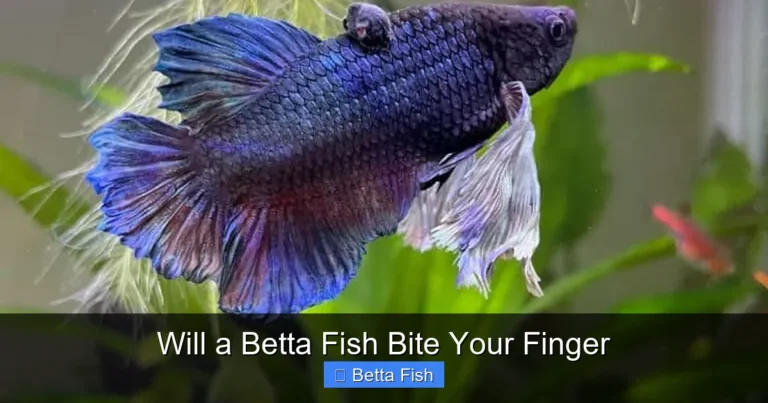
Betta fish, also known as Siamese fighting fish, earned their name for a reason. Male bettas were historically bred for fighting in Southeast Asia, and that aggressive instinct is still deeply embedded in their DNA. In the wild, male bettas establish territories and will fiercely defend them against intruders — especially other fish with bright colors and long, flowing fins.
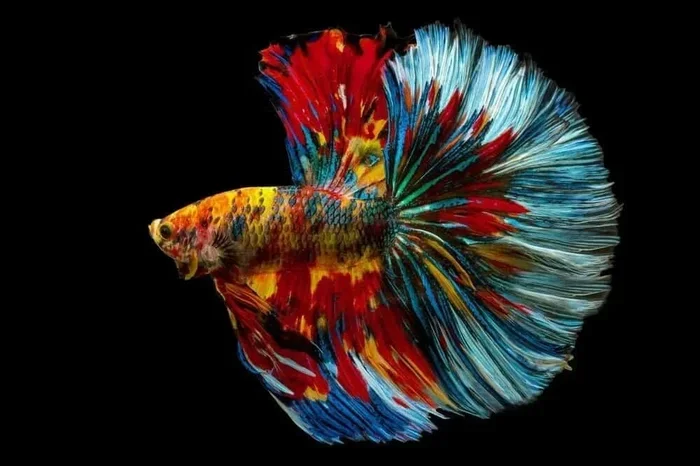
This is exactly why guppies can be a problem. Male guppies are among the most colorful freshwater fish in the hobby, with vibrant tails that wave gracefully as they swim. To a betta, a male guppy looks like a rival. The betta may chase, bite, or flare at the guppy, causing stress, injury, or even death.
Not All Bettas Are the Same
Here’s the good news: not every betta is a killing machine. Just like people, bettas have individual personalities. Some are remarkably calm and tolerant of tankmates, while others will attack anything that enters their space. Female bettas tend to be less aggressive than males, though they can still be territorial.
If you’re considering adding guppies to a betta tank, observe your betta’s behavior first. Does he flare at his own reflection? Does he attack the glass when you walk by? These are signs of high aggression, and adding guppies would be a bad idea. On the other hand, if your betta seems relaxed and curious rather than hostile, you might have a better chance at a peaceful community.
For more on betta social behavior, check out our guide on can betta fish live with guppies, which dives deeper into compatibility factors.
Understanding Guppy Behavior
Why Guppies Can Be Problematic Tankmates
Guppies are generally peaceful, social fish that do best in groups. They’re active swimmers that love to explore every level of the tank. However, they come with their own set of challenges when it comes to betta compatibility.
First, there’s the color issue. Male guppies are covered in bright oranges, reds, blues, and greens — colors that trigger a betta’s territorial response. Second, guppies are known fin nippers. They sometimes bite at the long, flowing fins of other fish, including bettas. A nipped betta is a stressed betta, and a stressed betta is more likely to become aggressive.
Female guppies are a different story. They’re less colorful, with shorter fins and more subdued coloring. They’re generally a safer choice if you want to try a betta-guppy combination. A group of female guppies can add activity to your tank without provoking your betta as much as a group of flashy males would.
Guppy Social Needs
Guppies are schooling fish, which means they need to be kept in groups to feel secure. A single guppy will be stressed and vulnerable. Most experts recommend keeping at least three to five guppies together, though six or more is ideal. This means you need a larger tank to accommodate both the betta and a small guppy school.
Tank Requirements for a Betta-Guppy Community
Minimum Tank Size
If you’re serious about trying to house guppies and betta fish in the same tank, size matters — a lot. A small 5-gallon tank is completely inadequate for this combination. You need a minimum of 20 gallons, and 29 gallons or larger is even better.
Why so big? Because space reduces aggression. A larger tank gives the betta room to establish a territory without feeling like the guppies are constantly invading it. It also gives the guppies room to swim, hide, and escape if the betta gets aggressive. In a small tank, there’s nowhere to run, and the guppies will be under constant stress.
Filtration and Water Flow
Both bettas and guppies prefer calm water with gentle flow. Bettas come from slow-moving rice paddies and shallow ponds, so strong currents can stress them out and make it difficult to swim. Guppies are more adaptable but also prefer moderate flow.
Use a filter with an adjustable flow rate, or add a sponge pre-filter to reduce the current. A sponge filter is an excellent choice for betta tanks because it provides biological filtration without creating a strong current. Make sure the filter is appropriate for your tank size and cycle it properly before adding any fish.
Water Parameters
One of the advantages of keeping guppies and bettas together is that their water parameter requirements overlap significantly. Here’s a quick comparison:
- Temperature: Bettas prefer 76–82°F; guppies prefer 72–82°F. Aim for 78–80°F as a happy medium.
- pH: Bettas thrive at 6.5–7.5; guppies prefer 7.0–8.0. A neutral pH of 7.0–7.5 works for both.
- Hardness: Bettas prefer soft to moderately hard water; guppies prefer moderately hard water. Aim for a general hardness of 5–15 dGH.
Maintaining stable water parameters is essential for both species. Perform weekly water changes of 25–30% and test your water regularly with a liquid test kit. Poor water quality stresses fish and makes aggression more likely.
Plants, Hiding Spots, and Tank Layout
A well-decorated tank is your best friend when keeping guppies and betta fish together. Live plants, driftwood, caves, and other decorations create visual barriers and hiding spots that reduce stress and aggression.
Live plants like Java fern, Anubias, Amazon sword, and floating plants like water sprite or frogbit are excellent choices. They provide cover for guppies to retreat to if the betta gets aggressive, and they give the betta places to rest near the surface (bettas love to lounge on broad leaves). Floating plants are especially helpful because they break up the surface, making the betta feel more secure.
Avoid sharp or rough decorations that could tear delicate betta fins. Silk plants are a good alternative if you can’t maintain live plants, but avoid plastic plants with rough edges.
How to Introduce Guppies to a Betta Tank
Step-by-Step Introduction Process
Introducing guppies to a betta tank requires patience and careful planning. Don’t just dump them in and hope for the best. Follow these steps to give both species the best chance at a peaceful coexistence:
- Set up the tank first. Make sure your tank is fully cycled, heated, and decorated with plenty of plants and hiding spots before adding any fish.
- Add the guppies first. Let the guppies establish themselves in the tank for a week or two before introducing the betta. This prevents the betta from viewing the entire tank as “his” territory.
- Use a breeder box or divider. When you first add the betta, consider using a clear breeder box or tank divider so the fish can see each other without physical contact. This lets them get used to each other’s presence.
- Observe carefully. After a few days, release the betta into the main tank and watch closely for the first hour. Look for flaring, chasing, or biting.
- Be ready to separate. If the betta attacks the guppies, remove them immediately. Have a backup tank or divider ready at all times.
What to Watch For
During the first few weeks, monitor the tank multiple times a day. Signs that the combination is working include:
- The betta ignores the guppies or shows only mild curiosity
- The guppies swim freely without hiding constantly
- No torn fins, missing scales, or visible injuries
- Both species eat normally during feeding time
Signs that you need to separate them include:
- The betta relentlessly chases or attacks the guppies
- Guppies are hiding at the bottom or in corners and won’t come out
- Torn or shredded fins on either species
- Refusal to eat or signs of extreme stress (pale color, rapid breathing)
Risks and Potential Problems
Bettas Attacking Guppies
The biggest risk of keeping guppies and betta fish in the same tank is betta aggression. A betta can seriously injure or kill a guppy in a matter of minutes. Guppies are small — usually only 1.5 to 2.5 inches long — and they can’t defend themselves against a determined betta.
Even if the betta doesn’t kill the guppies outright, constant chasing and nipping causes chronic stress. Stressed fish have weakened immune systems and are more susceptible to diseases like ich, fin rot, and fungal infections. A stressed guppy is a sick guppy waiting to happen.
Guppies Nipping Betta Fins
The danger isn’t one-sided. Guppies, especially when kept in small groups or when bored, may nip at a betta’s long, flowing fins. While a single nip might not seem like a big deal, repeated nipping can cause tears, infections, and significant stress for the betta.
This is another reason why female guppies are a better choice than males. They’re less likely to engage in fin-nipping behavior, and their duller colors are less likely to provoke the betta in the first place.
Competition for Food
Bettas are slow, deliberate eaters. Guppies are fast and enthusiastic. In a shared tank, guppies may gobble up all the food before the betta gets a chance to eat. This can lead to malnutrition for the betta and overfeeding for the guppies.
To prevent this, feed the betta and guppies in different areas of the tank. You can use a feeding ring for the betta or distract the guppies with food on one side while feeding the betta on the other. Sinking pellets work well for bettas, while flakes or small pellets are fine for guppies.
Tips for Success
Choose the Right Guppies
If you’re going to try this combination, choose your guppies wisely. Here are some guidelines:
- Go with female guppies. They’re less colorful and less likely to trigger betta aggression.
- Avoid fancy male guppies. Their bright colors and long tails are basically a red flag to bettas.
- Keep a group of at least five. A single guppy will be bullied. A group spreads out the attention.
- Choose dull-colored males if you must use males. Guppies with muted colors are less provocative.
Choose the Right Betta
Similarly, some bettas are better candidates for community life than others:
- Consider a female betta. They’re generally less aggressive than males.
- Look for a betta with shorter fins. Plakat bettas (short-finned varieties) are often more active and less stressed than long-finned varieties.
- Observe before you buy. Watch how the betta reacts to other fish in the store. If he’s flaring and attacking the glass, he’s not a good community candidate.
Maintain Excellent Water Quality
Clean water is the foundation of a healthy tank. Poor water quality stresses fish, and stressed fish are more aggressive and more susceptible to disease. Perform regular water changes, don’t overfeed, and make sure your filter is working properly.
For detailed instructions on maintaining your tank, check out our guide on how to change the water in a betta fish tank.
Have a Backup Plan
This cannot be stressed enough: always have a backup plan. Keep a spare tank, a tank divider, or at minimum a large breeder box ready to go. If things go wrong — and they often do — you need to be able to separate the fish quickly.
Don’t wait until there’s a problem to figure out your backup plan. By then, it might be too late. A $20 spare tank from a big-box store can save you the heartache of watching your fish get attacked.
Alternative Tankmates for Bettas
If the risks of keeping guppies and betta fish together seem too high, you’re not alone. Many experienced aquarists recommend choosing different tankmates that are more compatible with bettas. Some popular options include:
- Nerite snails: Peaceful, excellent algae eaters, and their hard shells protect them from curious bettas. Learn more about keeping snails with betta fish.
- Amano shrimp or cherry shrimp: Small, fast, and generally ignored by bettas. Though some bettas may hunt them.
- Corydoras catfish: Peaceful bottom dwellers that stay out of the betta’s way.
- Ember tetras: Small, fast, and not flashy enough to trigger most bettas.
- Kuhli loaches: Nocturnal bottom dwellers that rarely interact with bettas.
For a comprehensive list of compatible species, visit our article on which fish can live with betta fish in a tank.
Frequently Asked Questions
Before we wrap up, let’s address some common questions about keeping guppies and betta fish together. Many of these overlap with questions about betta compatibility in general, so you might also find our article on can you keep guppies and betta fish together helpful.
Final Verdict: Should You Try It?
So, can guppies and betta fish live in the same tank? The answer is a cautious yes, with conditions. It’s not a combination I’d recommend for beginners, and even experienced fish keepers should approach it with caution.
If you decide to try it, here’s what you need:
- A tank of at least 20 gallons, heavily planted with plenty of hiding spots
- A docile betta with a proven track record of tolerance
- Female guppies or dull-colored males (at least five)
- A backup tank or divider ready at all times
- Patience and a willingness to separate the fish if things go wrong
The reality is that every betta is different. Some will peacefully coexist with guppies for years. Others will attack on sight. You won’t know which type you have until you try — and that’s what makes this combination so risky.
If you’re looking for a guaranteed peaceful community tank, choose different tankmates. But if you’re an experienced aquarist with the right setup and a willingness to monitor closely, a betta-guppy tank can be a beautiful and rewarding challenge. Just remember: the safety of your fish always comes first.
Frequently Asked Questions
Can a male betta live with male guppies?
Male guppies are the riskiest choice for a betta tank because their bright colors and long fins trigger betta aggression. While it’s not impossible, the chances of conflict are high. Female guppies or dull-colored male guppies are much safer options.
What size tank do I need for bettas and guppies?
You need a minimum of 20 gallons to house guppies and betta fish together. A larger tank of 29 gallons or more is even better because it gives both species more space and reduces territorial behavior. Small tanks dramatically increase the risk of aggression.
Will my betta kill my guppies?
It depends on your betta’s individual temperament. Some bettas are calm enough to coexist with guppies, while others will attack anything colorful or finned. There’s no way to guarantee safety, which is why constant monitoring and a backup separation plan are essential.
Can female bettas live with guppies?
Female bettas are generally less aggressive than males, making them somewhat better candidates for living with guppies. However, they can still be territorial, so the same precautions apply — a large, well-planted tank and careful observation are still necessary.
How do I know if my betta is too aggressive for tankmates?
Signs of a highly aggressive betta include constant flaring at reflections, attacking the glass when people walk by, and aggressive behavior toward other fish in the store. If your betta displays these behaviors, it’s best to keep him alone without tankmates.
What should I do if my betta attacks my guppies?
Remove the guppies immediately and place them in a separate tank or use a tank divider. Do not wait to see if the behavior improves — a betta can seriously injure or kill a guppy in minutes. Once separated, monitor both fish for injuries and treat any wounds promptly.