How Much Space Do Betta Fish Need in Their Tank

Betta fish need at least a 5-gallon tank to truly thrive, with many experts recommending 10 gallons or more for the best quality of life. A cramped tank leads to stress, illness, and a shortened lifespan, while a properly sized aquarium gives your betta room to swim, explore, and display natural behaviors. This guide covers everything you need to know about how much space betta fish need in their tank, from minimum requirements to ideal setups.
So you just got a betta fish, or maybe you are thinking about adding one to your home. Either way, you probably have one big question on your mind: how much space do betta fish need in their tank? It is a simple question, but the answer matters a lot. The right tank size can mean the difference between a vibrant, energetic fish and a stressed, sickly one.
Many people still believe bettas can live happily in tiny bowls or vases. That is a myth, plain and simple. In the wild, bettas roam through rice paddies, slow streams, and flooded fields. They need room to move. Giving them enough space in a betta tank is one of the most important things you can do for their health.
In this guide, we will break down exactly what tank size works best, why it matters, and how to set up a comfortable home for your finned friend. Whether you are a complete beginner or a seasoned fish keeper looking to upgrade, you will find plenty of practical advice here.
Key Takeaways
- Minimum tank size is 5 gallons: Anything smaller is too restrictive for a betta’s long-term health.
- 10 gallons is the sweet spot: More swimming room means a happier, healthier betta fish.
- Tank shape matters: Longer tanks give bettas more horizontal swimming space than tall, narrow ones.
- Small tanks need more maintenance: Water quality drops faster in compact aquariums.
- Bettas need enrichment too: Plants, hiding spots, and open swimming areas all matter for their well-being.
- Overcrowding is a serious risk: Know how many fish can share a tank safely with a betta.
- Check our other guides for full tank setup help: From heaters to filters, we cover it all.
📑 Table of Contents
- Why Tank Size Matters for Betta Fish
- Minimum Tank Size for Betta Fish
- Ideal Tank Sizes for Betta Fish
- Factors That Affect How Much Space Your Betta Needs
- Common Mistakes People Make With Betta Tank Size
- How to Set Up the Perfect Betta Tank
- How Tank Size Affects Betta Fish Lifespan
- Final Thoughts on Betta Fish Space Requirements
Why Tank Size Matters for Betta Fish
You might wonder why a few extra gallons make such a big difference. Bettas are active swimmers, even though they are small. They dart around, explore, and patrol their territory. A tank that is too small restricts all of that natural behavior.
The Science Behind Space and Stress
When a betta fish lives in a cramped environment, stress builds up fast. Stressed fish are more likely to get sick. Common problems include fin rot, ich, and loss of appetite. A spacious tank helps keep stress levels low and supports a strong immune system.
Think about it this way. Imagine living in a tiny closet your whole life. You would feel cramped, anxious, and probably get sick more often. Bettas feel the same way in undersized tanks. Giving them proper aquarium space is one of the easiest ways to prevent health issues.
Water Quality and Tank Size
Another big reason tank size matters is water quality. In a small tank, ammonia and nitrates build up quickly. Even with regular water changes, it is hard to keep conditions stable in a tiny bowl. A larger tank gives you a bigger buffer. Waste products dilute more effectively, and the water stays cleaner longer.
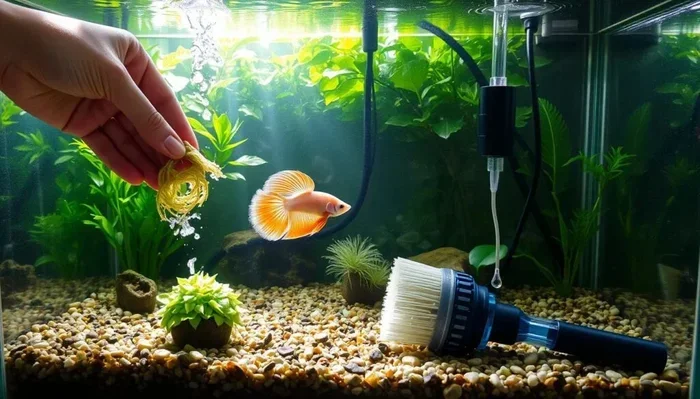
If you want to learn more about keeping your tank clean, check out our guide on how to change water in a betta fish tank. Regular maintenance becomes much easier when you have the right tank size to work with.
Minimum Tank Size for Betta Fish
The short answer is that a betta fish needs at least 5 gallons of water. This is the absolute minimum. Many pet stores sell bettas in tiny cups or 1-gallon containers, but those are temporary holding spaces, not permanent homes.
What About Bowls and Vases?
Let us address the elephant in the room. Those decorative bowls and vases sold for bettas are not suitable. They lack filtration, have poor oxygen exchange, and offer almost no room for swimming. A betta in a bowl will likely live a shorter, less fulfilling life.
If you are currently using a bowl, we strongly recommend upgrading. Your betta will thank you with brighter colors and more energy. For a deeper dive into this topic, read our article on do betta fish need gravel in their tank, which covers substrate and other tank basics.
The 5-Gallon Standard
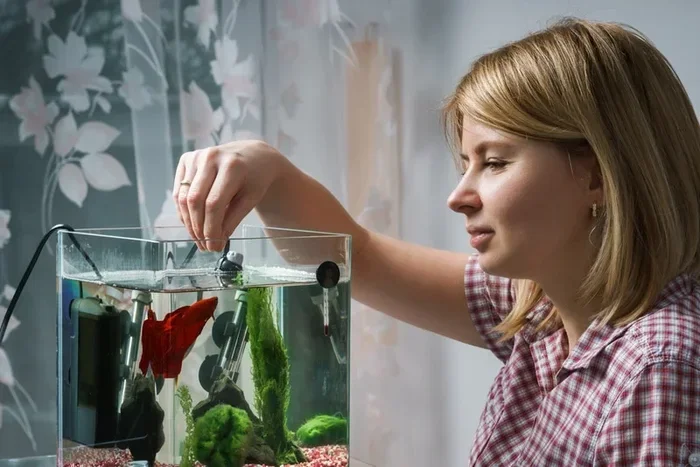
A 5-gallon tank is the smallest setup that can support a healthy betta. At this size, you can add a small filter, a heater, and a few plants. The water stays stable enough to manage, and your betta has enough room to swim comfortably.
However, 5 gallons is just the starting point. If you have the space, going bigger is always better. We will look at ideal sizes next.
Ideal Tank Sizes for Betta Fish
If you really want your betta to thrive, aim for a tank that is 10 gallons or larger. At this size, you have much more flexibility with decorations, plants, and water stability. Your betta can establish a real territory and swim freely.
Why Bigger Is Better
A larger tank gives you several advantages:
- More stable water parameters: Chemicals like ammonia are diluted in a bigger volume of water.
- More swimming room: Bettas love to explore, and a longer tank gives them horizontal space to do so.
- Easier maintenance: Water changes are less frequent because the system is more forgiving.
- Room for enrichment: You can add plants, caves, and open areas without crowding the tank.
Want to understand how tank size affects your betta’s lifespan? We have a dedicated article on how long betta fish live in a 5 gallon tank that dives into this topic in detail.
Tank Shape Matters Too
Not all tanks are created equal when it comes to shape. Bettas are top-dwelling fish, which means they spend most of their time near the surface. A long, horizontal tank gives them more surface area for breathing and swimming. Tall, narrow tanks waste vertical space that bettas do not really use.
When choosing a tank, look for something that is longer than it is tall. A 10-gallon long tank is often considered the best choice for a single betta fish.
Factors That Affect How Much Space Your Betta Needs
Tank size is not the only factor. Several other elements play into how much space your betta actually needs to be comfortable and healthy.
Tank Mates and Compatibility
If you plan to keep other fish with your betta, you will need even more space. Bettas can be territorial, and adding tank mates increases the bioload. More fish means more waste, which means you need a larger tank to keep the water clean.
For guidance on compatible tank mates, check out our article on can betta fish have other fish in their tank. Not all fish get along with bettas, and proper space is key to making any community tank work.
Filtration and Heating Requirements
A bigger tank gives you more room to install proper equipment. A quality sponge filter and a reliable heater are essential for bettas. These devices take up space inside the tank, so having extra room ensures your betta still has plenty of open swimming area.
For more on heating, read our guide on do betta fish need a heater in their tank. Temperature stability is crucial, and a properly sized tank helps maintain it.
Enrichment and Decoration
Bettas are curious creatures. They like to explore plants, hide behind decorations, and claim territories. A tank with enough space lets you create a stimulating environment without overcrowding the fish.
Wondering what your betta actually likes in its environment? Our article on what do betta fish like in their tanks covers this topic thoroughly and offers great setup ideas.
Common Mistakes People Make With Betta Tank Size
Even well-meaning fish keepers make mistakes when it comes to tank size. Here are the most common ones to avoid.
Buying the Smallest Tank Available
Pet stores often display bettas in tiny cups, which can be misleading. It is easy to assume your fish will be fine in a 1-gallon tank at home. It is not. That setup will lead to poor water quality and a stressed fish over time.
Ignoring the Swimming Space
Some people focus only on tank volume and forget about shape. A tall, narrow 5-gallon tank might look impressive but offers very little horizontal swimming space. Bettas prefer to swim side to side, not up and down.
Overcrowding the Tank
It can be tempting to add lots of decorations, plants, and fish to a small tank. But cluttering the space causes stress and makes cleaning harder. Always leave open areas for your betta to swim freely.
How to Set Up the Perfect Betta Tank
Now that you know the right size, let us talk about setting up the tank properly. A good setup goes beyond just the gallons of water.
Step-by-Step Setup Guide
- Choose your tank size: Aim for at least 5 gallons, with 10 gallons being ideal.
- Install a gentle filter: Bettas do not like strong currents, so a sponge filter works great.
- Add a heater: Keep the water temperature between 76 and 82 degrees Fahrenheit.
- Add substrate: Soft sand or fine gravel works well for bettas.
- Include plants and hiding spots: Live or silk plants give your betta places to explore and rest.
- Leave open swimming areas: Do not fill the tank with too many decorations.
- Cycle the tank before adding your fish: This establishes beneficial bacteria that keep the water safe.
Quick Tips for a Happy Betta
- Test your water parameters weekly.
- Perform partial water changes every 1 to 2 weeks.
- Feed your betta small amounts twice a day.
- Watch for signs of stress like clamped fins or loss of color.
- Keep the tank in a quiet area away from direct sunlight and drafts.
For a complete list of everything you need to get started, check out our guide on what all do you need for a betta fish tank. It covers every piece of equipment you will need for a successful setup.
How Tank Size Affects Betta Fish Lifespan
One of the most compelling reasons to give your betta enough space is the impact on their lifespan. A well-kept betta in a proper tank can live 5 to 7 years, and sometimes even longer. Fish kept in tiny, poorly maintained tanks often survive only 1 to 2 years.
The difference comes down to stress, water quality, and overall well-being. A spacious tank with stable conditions allows your betta to live its full, natural life. It is a simple equation: more space equals better health equals longer life.
If you want to explore this topic further, our article on how long do betta fish live in a tank provides in-depth information about the factors that influence betta longevity.
Final Thoughts on Betta Fish Space Requirements
Giving your betta fish enough space is one of the simplest and most impactful things you can do as a fish owner. The minimum is 5 gallons, but 10 gallons or more is the real goal. A properly sized tank supports better water quality, less stress, more natural behavior, and a longer, happier life for your fish.
Remember that how much space do betta fish need in their tank is not just about the numbers. It is about creating a home where your fish can thrive. Every detail matters, from tank shape to equipment placement to the amount of open swimming room you provide.
Start with the right tank size, set it up thoughtfully, and maintain it consistently. Your betta will reward you with vibrant colors, active swimming, and a healthy, joyful presence in your home. The effort you put into their environment directly translates into the quality of life they enjoy every single day.
Frequently Asked Questions
Can a betta fish live in a 3-gallon tank?
A 3-gallon tank is possible but not ideal. It is below the recommended minimum of 5 gallons. Water quality will be harder to maintain, and your betta will have limited swimming room. If you only have a 3-gallon tank, commit to frequent water changes and close monitoring of your parameters.
Is a 1-gallon tank okay for a betta fish?
No, a 1-gallon tank is too small for a betta fish to thrive long-term. These tiny setups are difficult to keep clean and offer almost no space for swimming or enrichment. A betta in a 1-gallon tank is likely to experience stress and health problems over time.
How big should a betta tank be for one fish?
The ideal tank size for a single betta fish is 10 gallons or more. A 5-gallon tank works as a minimum, but a 10-gallon tank gives your betta plenty of room to swim, explore, and stay healthy. Larger tanks are always better for water stability and fish happiness.
Does tank shape affect how much space a betta needs?
Yes, tank shape matters. Bettas are top-dwelling fish that prefer horizontal swimming space. A longer, wider tank is better than a tall, narrow one of the same volume. Surface area is important for gas exchange, and horizontal room lets your betta move naturally.
Can two betta fish live in the same tank?
Two male bettas should never share a tank. They will fight and can seriously injure or kill each other. Female bettas can sometimes live together in groups called sororities, but this requires a tank of at least 20 gallons with plenty of hiding spots and open space.
How often should I clean a betta fish tank?
For a 5-gallon tank, perform a 25% water change weekly. For a 10-gallon tank, you can stretch to a 25% change every 1 to 2 weeks. Always vacuum the substrate during water changes and test your water parameters regularly to keep conditions safe for your betta.