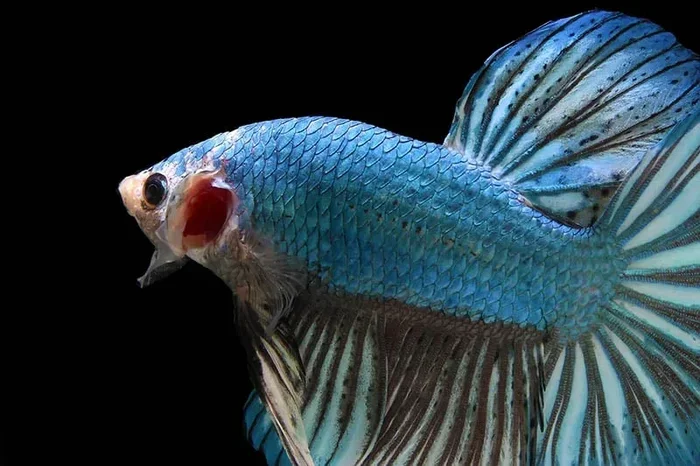
What Size Tank Do I Need for a Betta Fish

Choosing the right tank size is the single most important decision you’ll make for a betta fish. A 5‑gallon (19‑liter) tank gives your finned friend room to swim, stable water parameters, and a more natural environment than a tiny bowl. Read on for step‑by‑step guidance on sizing, equipment, and care tips.
Key Takeaways
- Minimum size: Aim for at least 5 gallons (≈19 L) to keep water stable and reduce stress.
- Bigger is better: 10 gallons (≈38 L) offers even more swimming space and easier maintenance.
- Heater required: Betta’s ideal temperature is 78‑80°F (25‑27°C); a reliable heater keeps it constant.
- Filter optional but helpful: A gentle filter improves water quality without creating strong currents.
- Decoration matters: Live plants, driftwood, and caves give hiding spots and mimic the betta’s natural habitat.
- Regular upkeep: Weekly 25‑30 % water changes and proper cycling prevent disease.
- Start with the right kit: A starter kit that includes tank, heater, filter, and test kit simplifies set‑up.
📑 Table of Contents
- Introduction: Why Tank Size Matters More Than You Think
- What Is the Minimum Recommended Tank Size?
- Going Bigger: Benefits of a 10‑Gallon Tank
- Essential Equipment for the Right‑Sized Tank
- Setting Up the Tank: Step‑by‑Step Guide
- Maintaining a Healthy Environment
- Common Misconceptions About Betta Tank Size
- Choosing the Right Tank for Your Lifestyle
- Conclusion: Give Your Betta the Space It Deserves
Introduction: Why Tank Size Matters More Than You Think
When you first see a betta fish swimming in a tiny bowl, it’s easy to think “any container will do.” In reality, the size of the tank is the foundation of every other care decision. A too‑small tank leads to rapid waste buildup, fluctuating temperature, and constant stress for your fish. Over time, these conditions can shorten the betta’s lifespan and cause common health problems like fin rot or fungal infections.
Think of a betta’s tank like a home for a person. You wouldn’t expect someone to live comfortably in a closet, right? The same principle applies underwater. By giving your betta a spacious, well‑filtered, and properly heated environment, you’re setting the stage for a vibrant, active fish that shows off its brilliant colors for years.
What Is the Minimum Recommended Tank Size?
The most common recommendation you’ll see online is “2‑gallon bowl.” While that might look cute, it’s far from ideal. The scientifically supported minimum is **5 gallons (≈19 liters)**.

Visual guide about What Size Tank Do I Need for a Betta Fish
Image source: fishkeepertank.com
Why 5 Gallons?
- Water stability: Larger water volume dilutes ammonia and nitrite spikes, giving the biological filter more time to work.
- Temperature consistency: A 5‑gallon tank holds heat better, so the heater doesn’t have to work overtime to keep the water at 78‑80°F.
- Space to explore: Betta fish are naturally curious. A bigger tank lets them glide, flare, and perform natural behaviors.
What If You Only Have a Small Space?
If floor space is limited, consider a tall, narrow 5‑gallon tank that fits behind a desk or on a bookshelf. The height gives your betta vertical swimming room, which many bettas love.
Going Bigger: Benefits of a 10‑Gallon Tank
While 5 gallons meets the minimum, many hobbyists upgrade to **10 gallons (≈38 L)** for added peace of mind.

Visual guide about What Size Tank Do I Need for a Betta Fish
Image source: img.houseui.com
Advantages of a 10‑Gallon Set‑Up
- Even more stable water chemistry: Larger water volume means slower pH shifts and easier maintenance.
- Room for live plants: Plants help absorb nitrates, produce oxygen, and create a natural look.
- Companion possibilities: A 10‑gallon tank can safely house compatible tank mates like small snails or shrimp, if you choose peaceful varieties.
When to Choose 10 Gallons
If you plan to keep multiple bettas in separate sections, or you want a planted aquarium that looks like a miniature jungle, the extra space pays off.
Essential Equipment for the Right‑Sized Tank
Heater – A Must‑Have
Betta fish are tropical and thrive at **78‑80°F (25‑27°C)**. A reliable submersible heater with an adjustable thermostat is essential. Even in a 5‑gallon tank, temperature can drop quickly on a cold night, so a heater protects your fish from stress.

Visual guide about What Size Tank Do I Need for a Betta Fish
Image source: static.wixstatic.com
Filter – Gentle but Effective
Betta fish prefer calm waters, so choose a filter with adjustable flow or a sponge filter that creates only a mild current. A filter isn’t strictly required in a well‑cycled 5‑gallon tank, but it makes water changes easier and reduces the risk of ammonia buildup.
Substrate and Décor
Fine gravel or sand works well, but avoid sharp edges that could tear delicate fins. Add driftwood, smooth rocks, and live or silk plants to give hiding spots. Remember: bettas love to rest near the water surface, so include floating leaves or a piece of Indian almond leaf.
Lighting
Moderate lighting (8‑10 hours a day) supports plant growth and showcases your betta’s colors. A simple LED fixture works fine; avoid intense, direct light that can stress the fish.
Testing Kit
Even with a filter, you need to monitor ammonia, nitrite, nitrate, and pH. A basic liquid test kit helps you catch problems early.
Setting Up the Tank: Step‑by‑Step Guide
1. Choose the Right Location
Place the tank away from direct sunlight, drafts, and heavy foot traffic. A stable surface at eye level makes daily care easier.
2. Rinse the Substrate
Rinse gravel or sand in a bucket until the water runs clear. This removes dust that can cloud the water.
3. Add Water and Condition It
Fill the tank with dechlorinated tap water. Use a water conditioner to neutralize chlorine and chloramines, which are toxic to bettas.
4. Install Heater and Filter
Position the heater near a water flow source for even heat distribution. Set it to 79°F and let it run for a few hours before adding fish.
5. Decorate Thoughtfully
Arrange plants, driftwood, and hides. Ensure any ornaments are securely placed to prevent them from toppling over.
6. Cycle the Tank
Before introducing your betta, cycle the tank for 4‑6 weeks to establish beneficial bacteria. You can speed up the process with a bacterial starter or by adding a small amount of established tank water.
7. Perform a Final Water Test
Check that ammonia and nitrite are both at 0 ppm and nitrate is below 20 ppm. Adjust pH if needed (ideal range 6.5‑7.5).
8. Introduce Your Betta
Float the bag with the betta in the tank for 15‑20 minutes to equalize temperature, then gently release it using a soft net.
Maintaining a Healthy Environment
Weekly Water Changes
Swap out 25‑30 % of the water each week. Use a siphon to remove debris from the substrate, then refill with conditioned water at the same temperature.
Monitoring Water Parameters
Test weekly for the first month, then bi‑weekly. Keep ammonia and nitrite at 0 ppm, nitrate below 20 ppm, and pH stable.
Cleaning the Tank
Wipe the glass with an algae scraper, rinse filter media in tank water (not tap water) to preserve beneficial bacteria, and prune plants as needed.
Feeding Practices
Offer high‑quality betta pellets or frozen bloodworms once or twice daily, only as much as they can eat in two minutes. Overfeeding spikes ammonia levels.
Common Misconceptions About Betta Tank Size
My Betta Is “Low‑Maintenance,” So a Bowl Is Fine
Even the hardiest betta suffers in a bowl. The lack of filtration and heating leads to rapid water quality decline.
“Bettas Can Live in 1‑Gallon Tanks Because They Breathe Air.”
While bettas have a labyrinth organ for gulping air, they still produce waste that needs to be filtered. A larger water volume simply dilutes that waste.
“A Bigger Tank Means I Can Skip Water Changes.”
Even a 10‑gallon tank requires regular water changes. The larger volume slows parameter swings, but it doesn’t eliminate them.
Choosing the Right Tank for Your Lifestyle
Budget Considerations
A 5‑gallon glass tank with a basic heater and filter can be set up for under $50. If you prefer acrylic or a decorative stand, prices rise but durability and aesthetics improve.
Space Constraints
Vertical tanks or wall‑mounted “nano” setups fit small apartments. Just ensure the stand can bear the weight—water weighs about 8.3 lb per gallon.
Future Plans
If you think you might add shrimp or small snails later, start with a 10‑gallon tank now. Upgrading later can be costly and stressful for the fish.
Conclusion: Give Your Betta the Space It Deserves
Choosing the right tank size isn’t just a recommendation—it’s the cornerstone of a healthy, thriving betta. A **minimum of 5 gallons** provides stable water conditions, proper temperature control, and enough room for natural behaviors. If you can, opt for a **10‑gallon** tank to make maintenance easier and open the door to live plants and compatible tank mates.
Remember, a well‑equipped tank with a heater, gentle filter, and thoughtful décor creates a miniature ecosystem where your betta can flourish. Follow the set‑up steps, keep up with regular water changes, and enjoy watching your vibrant friend explore its new home for years to come.
Ready to start? Check out our guide on what do I need for a betta fish for a complete checklist, and learn more about do I need a heater for betta fish to keep the water just right.
Frequently Asked Questions
What is the smallest tank size that is safe for a betta?
A 5‑gallon (≈19 L) tank is the smallest size that provides stable water parameters and enough swimming space for a healthy betta.
Can I keep a betta in a bowl if I add a heater?
Even with a heater, a bowl lacks filtration and sufficient volume, leading to rapid waste buildup. A proper tank of at least 5 gallons is strongly recommended.
Do bettas need a filter if the tank is only 5 gallons?
A gentle filter is beneficial because it removes toxins and reduces the frequency of large water changes, but a well‑cycled 5‑gallon tank can survive without one if you maintain diligent water changes.
How often should I change the water in a betta tank?
Replace 25‑30 % of the water each week. This routine keeps nitrate levels low and promotes a healthy environment.
Can I add other fish or invertebrates with my betta?
In a 10‑gallon tank, peaceful bottom‑dwelling shrimp or snails can coexist with a betta, provided there are plenty of hiding spots and no aggressive tank mates.
What temperature should I keep the betta’s tank at?
Maintain the water between 78‑80°F (25‑27°C). Consistent temperature is crucial for immune health and vibrant coloration.