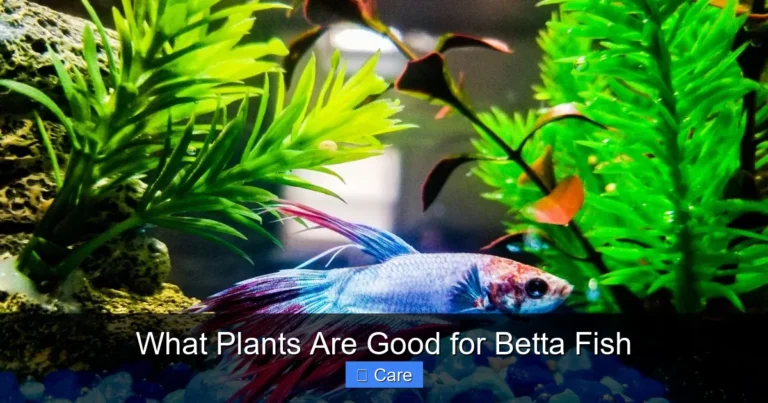
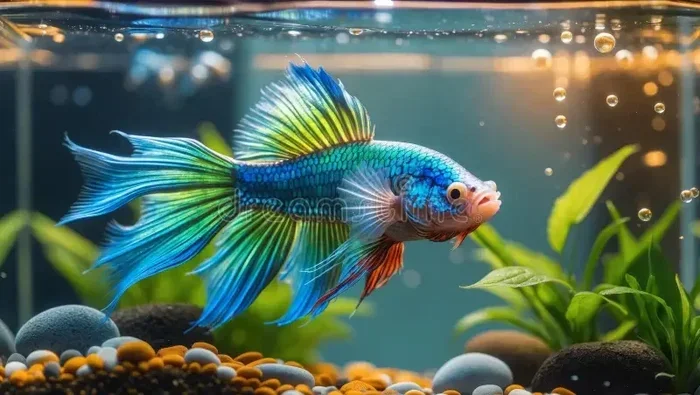
How Big of a Tank Do Betta Fish Need
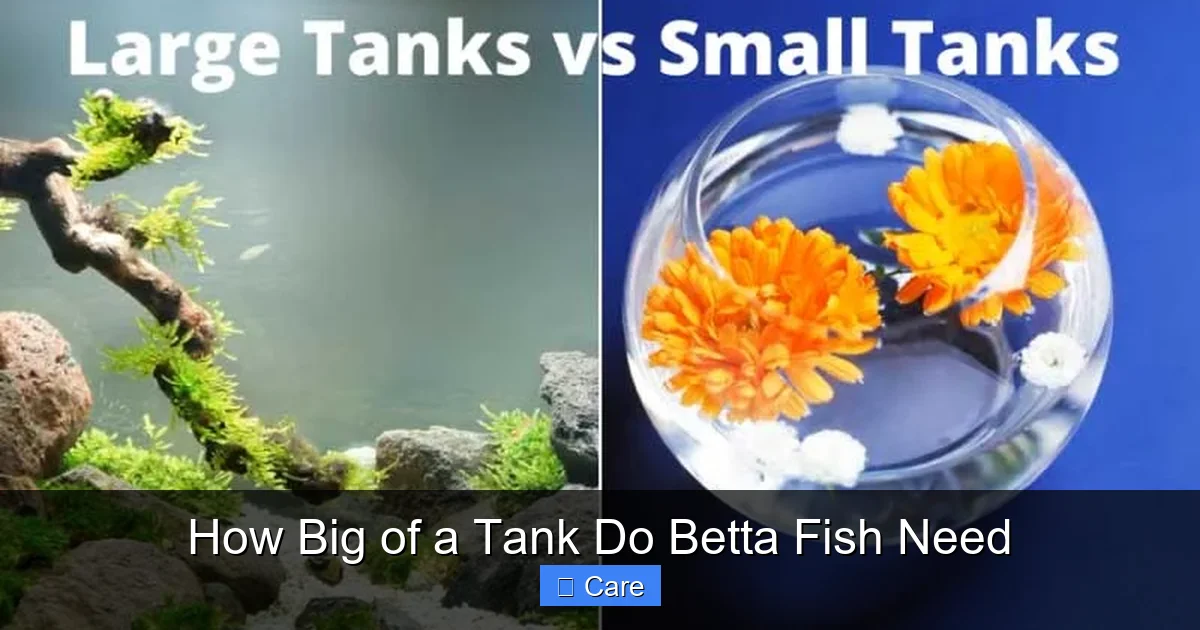
Contrary to popular belief, betta fish are not happy in small bowls or vases. A minimum of 5 gallons is the absolute baseline for a single betta, with 10 gallons being the ideal starting point for a healthy, thriving environment. This space is crucial for stable water quality, temperature regulation, and providing mental stimulation through exploration, directly impacting your fish’s lifespan and well-being.
Key Takeaways
- The 5-Gallon Minimum: Anything less than 5 gallons is considered inhumane and leads to poor health, stress, and a shortened lifespan for a betta fish.
- 10 Gallons is the Sweet Spot: A 10-gallon tank provides ample room for swimming, stable water parameters, and easier maintenance, making it the best choice for a beginner betta keeper.
- Space ≠ Stress: Larger tanks dilute toxins more effectively, maintain consistent temperatures, and allow for enrichment like plants and hiding spots, which reduce boredom and aggression.
- Heater & Filter are Non-Negotiable: Bettas require warm, stable water (78-80°F) and a gentle filter. A larger tank makes maintaining these conditions much easier and safer.
- Gender Matters for Tankmates: Male bettas are almost always solitary due to aggression. Female bettas *can* sometimes live in carefully managed sorority tanks (minimum 20+ gallons), but this is advanced and not for beginners.
- Maintenance is Easier with Size: Larger volumes of water mean slower toxin buildup. Weekly water changes in a 10-gallon tank are simpler and less disruptive than daily partial changes in a 1-gallon bowl.
📑 Table of Contents
- Debunking the Bowl Myth: Why “Betta in a Vase” is Wrong
- Minimum Tank Size Recommendations: The Hard Numbers
- The Ideal Tank Setup: Beyond Just Size
- Tankmates and Community Options: A Careful Consideration
- Common Misconceptions and Pitfalls
- Maintenance and Water Quality: The Key to Longevity
- Conclusion: A Commitment to Compassion
Debunking the Bowl Myth: Why “Betta in a Vase” is Wrong
You’ve seen them everywhere: a solitary, vibrant betta fish floating listlessly in a tiny glass vase or a small, decorative bowl on a desk or restaurant table. It’s an iconic, but deeply flawed, image. The idea that betta fish, also known as Siamese fighting fish, can thrive in minuscule containers is one of the most pervasive and harmful myths in the aquarium hobby. This misconception likely stems from their historical sale in small cups at pet stores and their remarkable ability to survive in poor conditions—a survival trait, not a preference. How big of a tank do betta fish need? The answer is unequivocally: much, much bigger than a vase.
Bettas are native to the shallow, slow-moving rice paddies, streams, and floodplains of Southeast Asia. While these habitats are not deep oceans, they are expansive, vegetated ecosystems with a massive surface area and complex environmental layers. A betta in the wild has acres of water to explore, dense plant cover to hide in, and a varied environment. Confining them to a liter of water is like confining a human to a closet. It stunts their physical growth, cripples their immune system, and causes immense psychological stress. They become bored, depressed, and prone to diseases like fin rot and swim bladder disorders. The “bowl” is not a quaint habitat; it’s a life sentence of misery. To provide proper betta fish care, we must move past this aesthetic convenience and prioritize their biological needs.
The Science of Space: Why Volume is Critical
Water volume is the single most important factor in an aquarium’s stability. Think of it like a buffer. In a tiny tank, any piece of uneaten food, a single fish waste pellet, or a slight temperature fluctuation causes an immediate and drastic spike in toxic ammonia and nitrite levels. The nitrogen cycle, the biological process that converts fish waste into less harmful substances, cannot establish properly in a cup of water. The filter media (if there even is one) has no room for beneficial bacteria to colonize. The result is a constant state of toxic stress for the fish, poisoning its gills and weakening it.
In a larger tank, say a 10-gallon, that same piece of food is diluted into a much larger body of water. The spike in ammonia is slower, less severe, and gives the beneficial bacteria colonies time to process it. The water parameters (pH, hardness, temperature) remain stable. Stability is the golden rule of fish health. A stressed betta is a sick betta. Providing adequate space is the first and most fundamental step in preventing disease. It’s not about luxury; it’s about basic, life-sustaining chemistry.
Minimum Tank Size Recommendations: The Hard Numbers
Now, let’s get to the concrete numbers. What is the absolute minimum, and what is the recommended starting point? The consensus among reputable betta experts, veterinarians, and advanced hobbyists has evolved significantly over the last decade.
Visual guide about How Big of a Tank Do Betta Fish Need
Image source: bettafishnest.com
The Absolute Minimum: 5 Gallons (19 Liters)
This is the line in the sand. A filtered, heated, and meticulously maintained 5-gallon tank is the absolute smallest acceptable environment for a single betta fish. It provides enough water volume for a stable cycle, room for a small heater and a gentle filter (like a sponge filter), and space for a few plants or decorations to break lines of sight and provide enrichment. A 5-gallon tank allows for a proper weekly water change of 25-50%, which is manageable. However, it offers very little swimming space. The betta will likely spend most of its time in the upper half of the water column, but there is minimal horizontal exploration. It is a survivable, but not ideal, habitat.
The Ideal Starting Point: 10 Gallons (38 Liters)
This is the size we strongly advocate for. A 10-gallon tank is the perfect “first tank” for a betta. It provides a significant increase in swimming space horizontally, which bettas love to patrol. The larger water volume makes the nitrogen cycle incredibly stable and forgiving, which is a huge benefit for beginners still learning about water chemistry. Maintenance is easier—a 25% weekly water change in a 10-gallon tank is less of a physical chore and causes less stress to the fish than a 50% change in a 5-gallon. It allows for a more elaborate aquascape with a variety of plants (live or silk), caves, and ornaments without crowding. The temperature is more uniform throughout the tank, ensuring the betta isn’t constantly moving to find its preferred warmth. For a single betta, a 10-gallon tank is a haven, not a holding cell.
Why Larger is Better (15+ Gallons)
If you have the space and budget, there is no downside to going bigger. A 15 or 20-gallon long tank (with more front-to-back width) is a spectacular betta home. It allows for a true community setup with small, peaceful, tropical schooling fish like ember tetras or harlequin rasboras (provided the betta’s temperament is tested and monitored). It offers vast swimming territory and the ability to create distinct zones with dense planting in one area and open swimming space in another. The water quality is exceptionally stable, and the ecosystem becomes more resilient. For the dedicated betta enthusiast, a 20-gallon is a fantastic canvas for creating a beautiful, bioactive display.
The Ideal Tank Setup: Beyond Just Size
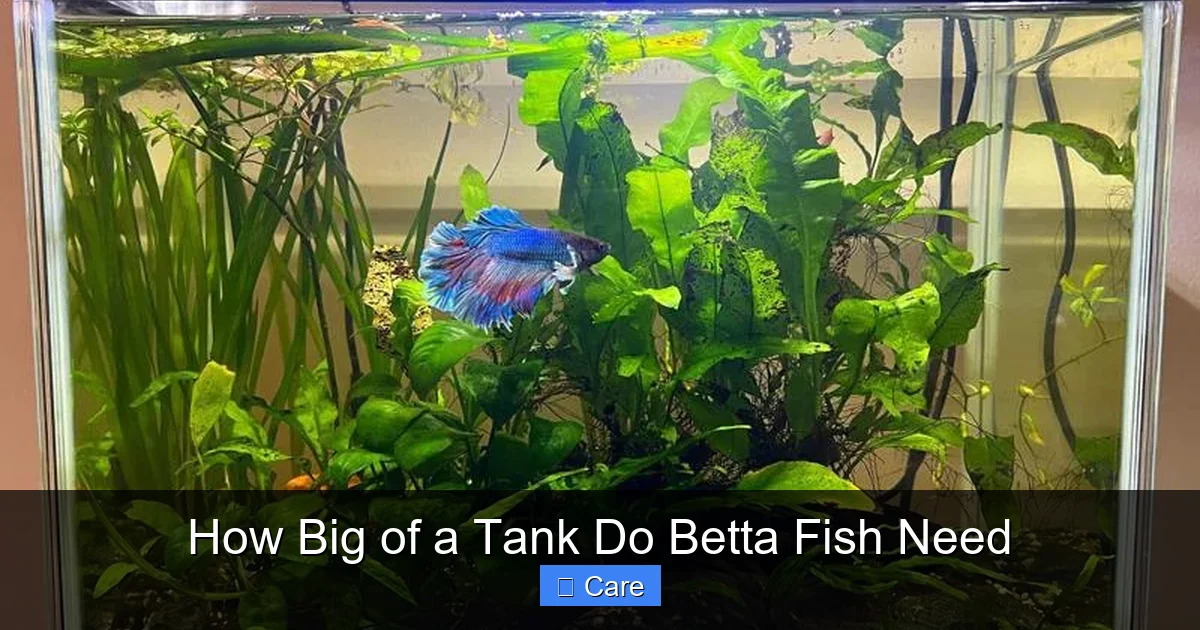
Knowing the right volume is only part of the equation. How you set up that tank is equally critical for your betta’s well-being. A 10-gallon tank with harsh lighting, a powerful filter, and no cover is only marginally better than a bowl. Let’s build the perfect environment.
Visual guide about How Big of a Tank Do Betta Fish Need
Image source: acaquarium.com
Heating: The Tropical Necessity
Bettas are tropical fish. They require a constant, stable water temperature between 78-80°F (25.5-26.5°C). A heater is not optional; it is essential equipment. A 5-watt heater per gallon is a good general rule. For a 10-gallon tank, a 50-watt adjustable submersible heater is perfect. Always use a separate, accurate aquarium thermometer to verify the heater’s setting. Cold water (< 76°F) slows a betta’s metabolism, suppresses its immune system, and can lead to constipation and swim bladder issues. Fluctuating temperatures are a major stressor. A larger tank volume helps maintain a consistent temperature more easily than a small one, which can heat and cool rapidly with room temperature changes.
Filtration: Gentle but Effective
Bettas have delicate, flowing fins and are labyrinth fish that need to access the water’s surface for air. This means their filter must be gentle. A strong, fast-flowing filter will stress them out, tire them, and damage their fins. The gold standard for betta tanks is a sponge filter. It provides excellent biological filtration (surface area for good bacteria), gentle aeration, and creates a soft current. It’s also impossible for a betta to get its fins sucked into the intake. Other good options include hang-on-back (HOB) filters with spray bars or baffles to diffuse the flow, or canister filters with minimal outflow. The key is to adjust the flow so you see only a slight ripple on the water’s surface.
Substrate and Décor: Security and Stimulation
Bettas are intelligent and curious. A bare tank is a sensory deprivation chamber. Use a soft, sandy substrate or fine-grained gravel. Avoid sharp edges that can tear their fins. Provide plenty of hiding spots and vertical elements. Live plants (like Java fern, Anubias, Amazon swords) are fantastic—they improve water quality, provide natural hiding places, and offer gentle resting spots near the surface. If using artificial plants, choose silk or soft plastic, not stiff nylon. Include caves, terracotta pots (with holes plugged), and driftwood. The goal is to break up the open space, give the betta territories to claim, and provide places for it to feel secure. A tank with a mix of open swimming areas and dense cover is ideal.
Lighting: Day and Night Cycle
Bettas need a consistent day/night cycle to regulate their sleep and stress hormones. Use an aquarium light on a timer for 8-10 hours a day. Avoid excessively bright lighting, which can stress them and cause vibrant colors to fade. If using live plants, choose low to medium-light species. Providing shaded areas under plant leaves or with floating plants (like duckweed or water lettuce, though these can multiply rapidly) is highly beneficial, allowing the betta to retreat from the light when it wishes.
Tankmates and Community Options: A Careful Consideration
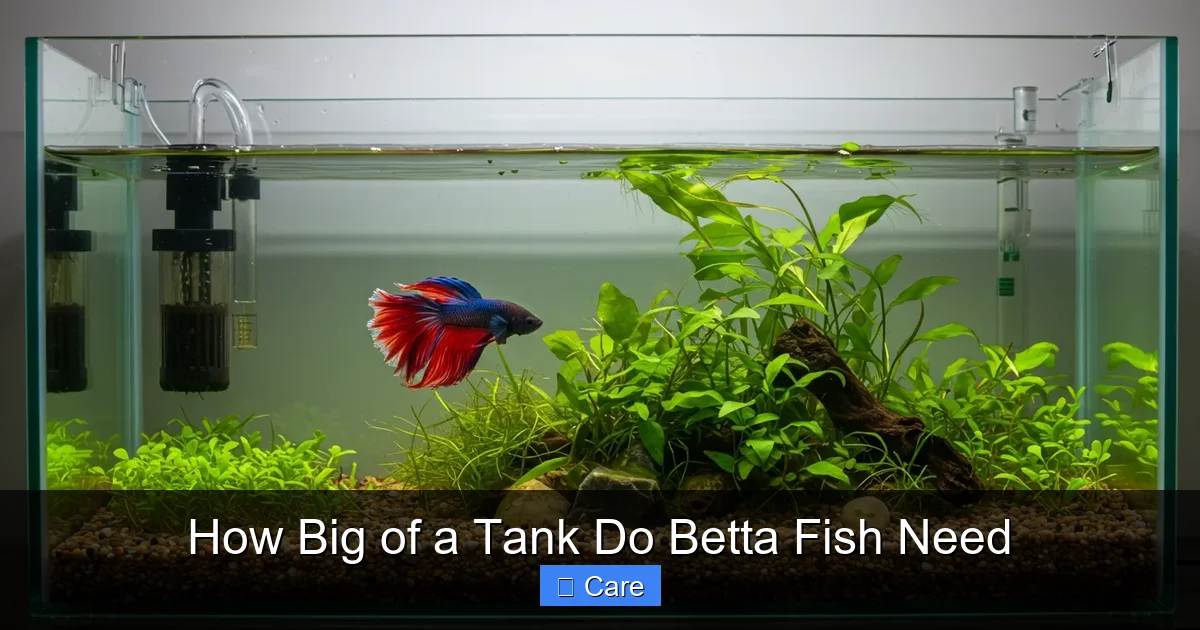
The question of tankmates for a betta is complex and often misunderstood. The short answer is: it depends entirely on the individual betta’s personality, the tank size, and the chosen species. The larger the tank, the higher the chance of success.
Visual guide about How Big of a Tank Do Betta Fish Need
Image source: img.houseui.com
The Solitary Male: A Rule, Not a Suggestion
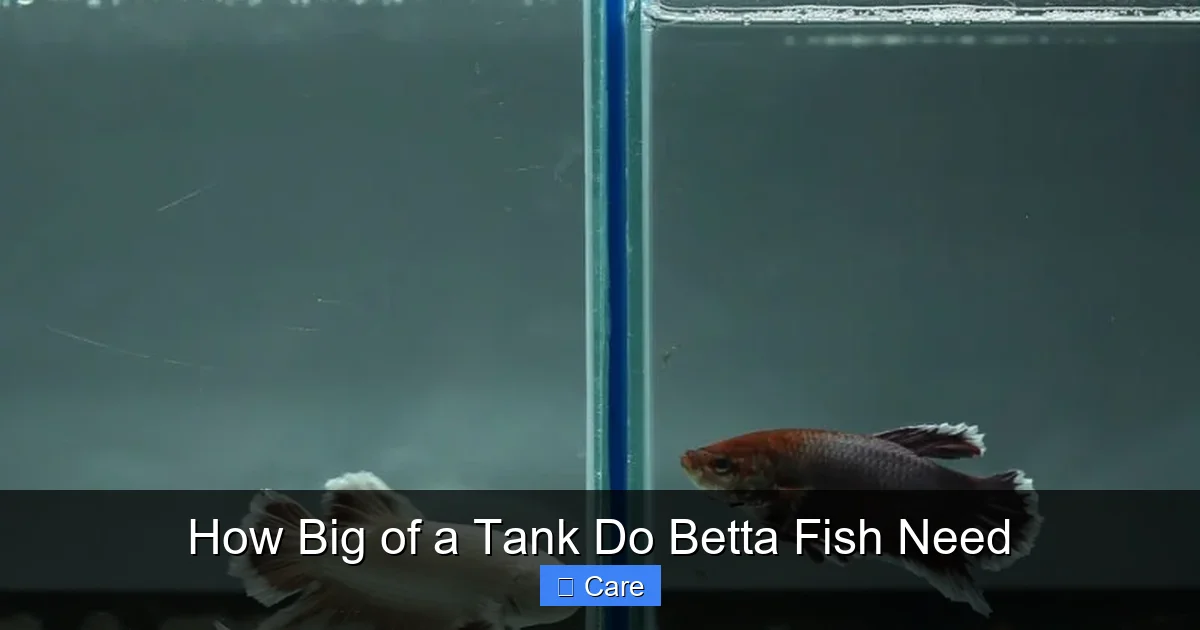
Male bettas, due to centuries of selective breeding for aggression, are almost universally incompatible with other male bettas. The “fight” in Siamese fighting fish is real. They will battle to the death. Therefore, a male betta should always be kept alone unless you are an expert attempting a divided tank (which has its own risks). However, this does not mean they must be lonely. With proper tank setup (see above), a single male betta can be perfectly content as the sole centerpiece of a community tank.
Potential Community Tankmates for a Single Betta
If you have a 10-gallon or larger, heavily planted tank, you can introduce a small school of peaceful, fast-moving, non-flashy tropical fish. These fish should be able to hold their own if the betta chases them but should not be nippy or fin-clippers. Excellent candidates include:
- Small Rasboras: Chili rasboras, ember rasboras (schools of 6-8).
- Small Tetras: Neon tetras (schools of 6+), ember tetras, rummy-nose tetras.
- Corydoras Catfish: Pygmy corys or habrosus corys (groups of 4-6). They are bottom dwellers and usually ignored.
- Snails: Nerite snails, mystery snails (apples snails can get large). They are great cleanup crews and are generally ignored.
- Shrimp: Amano shrimp (hardy, large), ghost shrimp. Cherry shrimp may be eaten.
CRITICAL: Always have a backup plan (a separate “hospital” tank) to remove any fish that is being relentlessly harassed or injured. Introduce tankmates before the betta if possible, or use a divider to acclimate them. Observe behavior closely for 24-48 hours.
Female Betta Sororities: An Advanced Setup
Female bettas can sometimes be kept in groups, called a sorority. This is not for beginners. It requires a minimum of a 20-gallon long tank (more horizontal space is key), heavily planted with multiple hiding spots and visual barriers, and a group of at least 5 females (to disperse aggression). Even then, conflicts can be severe, leading to injuries or death. It is a high-risk endeavor that demands constant monitoring and the ability to separate individuals at a moment’s notice. For 99% of keepers, a single female betta in a well-set-up 10-gallon is the safest and most humane choice.
Common Misconceptions and Pitfalls
Even with the right tank size, several other common mistakes can undermine your betta’s health. Let’s clear these up.
“My Betta is Lazy, He Doesn’t Need Space”
A betta that floats listlessly at the top or bottom of a small tank is not “lazy”; it is depressed, stressed, or ill. In a proper environment, a healthy betta is an active explorer. It will patrol its territory, investigate decorations, flare at its reflection (a natural behavior), and build bubble nests (males). Lack of activity is a major red flag for poor water quality or insufficient space.
“I Change the Water Every Day, So a Small Tank is Fine”
Frequent water changes in a tiny tank are incredibly stressful for the fish. The constant disruption of its environment, temperature, and water chemistry is a shock to its system. More importantly, it’s nearly impossible to fully cycle a small volume of water. You are treating the symptom (toxic spikes) rather than the cause (inadequate volume). A stable, cycled 10-gallon tank with a 25% weekly water change is infinitely healthier than a 1-gallon jar with daily 100% changes.
“Heater and Filter are Too Expensive for a Small Tank”
This is a classic case of being “penny wise, pound foolish.” The initial cost of a $15 heater and $20 sponge filter is trivial compared to the veterinary costs (if you can even find a fish vet) or the emotional cost of watching a fish slowly die from preventable diseases like fin rot or dropsy caused by poor water conditions. Invest in the proper equipment from the start. It’s cheaper and more humane in the long run.
“I’ll Upgrade Later When He Gets Bigger”
Betta fish do not “grow into” their environment; their growth is stunted by it. A betta kept in a small container will never reach its full genetic potential for size, fin development, or vibrancy. Its internal organs can become deformed. The damage done during its formative months is often permanent. Start with the correct tank size from day one.
Maintenance and Water Quality: The Key to Longevity
With the right tank and setup, maintenance becomes a simple, predictable routine. This routine is what will keep your betta alive for 3-5 years, or even longer.
The Nitrogen Cycle: Your Tank’s Best Friend
Before adding your betta, you must cycle the tank. This 4-6 week process establishes a colony of beneficial bacteria that convert toxic fish waste (ammonia) into nitrite and then into much less harmful nitrate. You cannot cycle a tank with a fish in it without causing it severe harm (this is called a “fishless cycle”). Use a liquid test kit (like API Freshwater Master Test Kit) to monitor ammonia, nitrite, and nitrate levels. Only when ammonia and nitrite read 0 ppm and nitrate is present (even if low) is the tank safe for your betta. A cycled 10-gallon tank with a filter is a stable, safe home.
A Simple Weekly Maintenance Routine
Once cycled and stocked, maintenance is straightforward:
- Test Water: Once a week, test your parameters (ammonia, nitrite, nitrate, pH). In a healthy cycled tank, ammonia and nitrite should always be 0. Nitrate should be kept below 20 ppm.
- Water Change: Perform a 25-30% water change weekly. Use a gravel vacuum to siphon debris from the substrate. Never remove more than 50% at once, as this can shock the fish and disrupt the cycle.
- Condition Water: All new tap water must be treated with a complete water conditioner (like Seachem Prime) to remove chlorine, chloramines, and heavy metals.
- Clean Filter: Once a month, rinse the filter media (sponge, bio-balls) in the bucket of old tank water you just removed during the water change. Never use tap water, as it will kill the beneficial bacteria.
- Observe: While doing all of this, watch your betta. Is it active? Eating well? Are its fins intact? Are there any spots, fraying, or clamped fins? Early detection of problems is key.
In a properly sized and cycled tank, this routine keeps the water pristine and your betta thriving.
Conclusion: A Commitment to Compassion
So, how big of a tank do betta fish need? The answer, backed by biology, chemistry, and ethics, is clear. A single betta requires a minimum of 5 gallons, with 10 gallons being the strongly recommended starting point. This is not a matter of opinion or luxury; it is a matter of welfare. Providing adequate space, combined with a heater, a gentle filter, and a enriched environment, transforms your betta from a surviving ornament into a thriving, interactive pet. You will be rewarded with a fish that displays its full personality, vibrant colors, and impressive finnage, and that will live a long, healthy life. Ditch the bowl. Embrace the 10-gallon tank. Your betta will thank you with every graceful flare and curious exploration of its beautiful, spacious home.
Frequently Asked Questions
Can I keep a betta in a vase or bowl?
No. A vase or bowl is far too small (usually under 1 gallon), lacks filtration and heating, and cannot support a stable nitrogen cycle. This environment causes severe stress, rapid water deterioration, and a host of health problems, leading to a short, suffering life. It is considered inhumane by modern aquarium standards.
Do betta fish really need a heater?
Yes, absolutely. Bettas are tropical fish native to warm waters. They require a constant temperature between 78-80°F (25.5-26.5°C). Room temperature is almost always too cool and fluctuates, suppressing their immune system and metabolism. A small, adjustable aquarium heater is essential equipment for any betta tank.
What kind of filter is best for a betta?
A sponge filter is widely considered the best choice. It provides excellent biological filtration with a very gentle flow that won’t damage a betta’s delicate fins. It also adds surface agitation for gas exchange. If using a hang-on-back (HOB) or internal power filter, you must use a spray bar or baffle to diffuse the current to a very gentle ripple.
Do male and female bettas need different tank sizes?
For a solitary betta, the tank size requirements are the same: a minimum of 5 gallons, 10 gallons ideal. The difference lies in tankmate potential. Male bettas are almost always kept alone. Female bettas *can* sometimes live in sorority groups, but this requires a much larger, heavily planted tank (20+ gallons long) and is an advanced, high-risk setup not recommended for beginners.
Can I put other fish with my betta in a 10-gallon tank?
It is possible, but not guaranteed. A 10-gallon is the minimum for attempting a community. The betta must have a peaceful temperament, and the tankmates must be small, fast, non-flashy schooling fish like ember tetras or chili rasboras (in groups of 6-8), or peaceful bottom dwellers like pygmy corydoras. Always have a backup tank to separate any fish that is being bullied. Never assume compatibility.
How often should I clean a 10-gallon betta tank?
With a proper filter and a cycled tank, you should perform a 25-30% water change once a week. Use a gravel vacuum to clean the substrate. Test your water parameters weekly to ensure ammonia and nitrite are 0 and nitrate is below 20 ppm. Clean the filter media (rinse in old tank water) about once a month. Never do a 100% water change or use soap/chemicals inside the tank.