Do I Need a Heater for Betta Fish
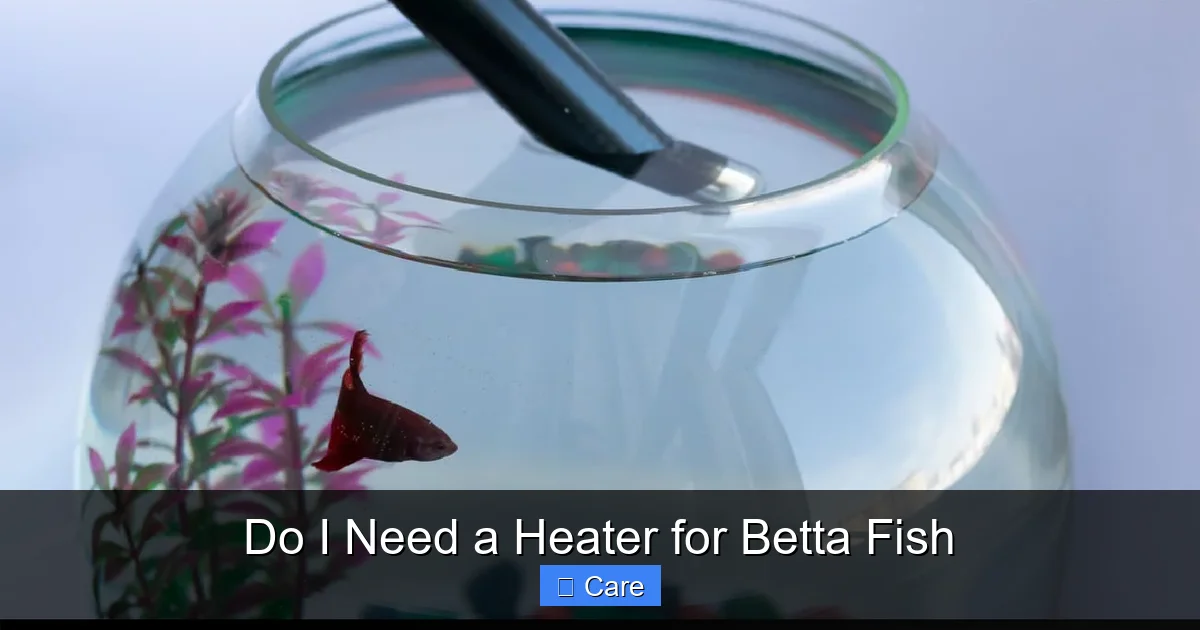
Betta fish are tropical fish that require a consistent water temperature between 78-80°F (25.5-26.5°C) to maintain a healthy immune system, metabolism, and overall vitality. A reliable aquarium heater is not optional equipment; it is a fundamental piece of care that prevents stress, disease, and a shortened lifespan. Without a heater, your betta will live in a constant state of discomfort, making it susceptible to illnesses like fin rot and dropsy. Investing in a proper heater and thermometer is the single most important thing you can do for your betta’s long-term well-being.
So, you’ve decided to bring home a beautiful betta fish. You’ve picked out a stunning half-moon with flowing, jewel-toned fins, a vibrant crowntail, or perhaps a delicate, ethereal halfmoon. You’ve got the tank, the filter, some silk plants, and maybe a few smooth decorations. The setup looks perfect. But then a critical question bubbles up: “Do I need a heater for betta fish?” It’s one of the most common and important questions in the betta-keeping world. The short, unequivocal answer is: Yes. A heater is not optional equipment for a betta fish. It is a fundamental requirement for their health and survival, just like clean water and food. In this comprehensive guide, we’ll dive deep into the “why,” exploring the biology of the betta, the dangers of cold water, how to choose the right heater, and how to set it up safely. By the end, you’ll understand that providing consistent warmth isn’t a luxury—it’s your primary duty as a betta owner.
Key Takeaways
- Betta fish are tropical: Native to the warm, shallow waters of Southeast Asia, they are biologically designed for stable, warm temperatures and cannot adapt to cold household room temperatures.
- Temperature is critical for immunity: Cool water below 76°F suppresses a betta’s immune system, turning minor bacterial or fungal exposures into serious, often fatal infections.
- Stability is as important as warmth: Rapid temperature swings are more dangerous than a slightly low but stable temperature. A heater with a thermostat provides this crucial stability.
- Size matters: Use a heater with the correct wattage for your tank size (typically 2.5-5 watts per gallon). An oversized heater can cook your fish; an undersized one will fail to maintain temperature.
- Heaters require monitoring: Always use a separate, accurate aquarium thermometer to verify your heater’s settings. Never trust the heater’s dial alone.
- Alternatives are generally inadequate: Relying on room heat, heat mats, or warm water changes is unreliable and dangerous, leading to temperature fluctuations that stress your betta.
- A heater is a permanent necessity: Bettas need a heater year-round, not just in winter. Consistent warmth is a fundamental requirement of their husbandry.
📑 Table of Contents
- The Betta’s Tropical Origins: Understanding Their Natural Need for Warmth
- The Dangers of Cold Water: More Than Just Discomfort
- How to Choose the Right Heater for Your Betta Tank
- Setting Up and Using Your Heater Correctly
- Common Myths and “Alternatives” That Don’t Work
- Troubleshooting: What If My Heater Isn’t Working?
- Conclusion: A Heater is the Foundation of Betta Health
The Betta’s Tropical Origins: Understanding Their Natural Need for Warmth
To understand why a heater is essential, we must first look at where betta fish come from. Betta splendens, the species most commonly kept as pets, is native to the shallow, slow-moving waters of Thailand, Cambodia, Vietnam, and Malaysia. Think of the rice paddies, shallow marshes, and warm, stagnant pools of the Southeast Asian tropics. These environments are not just warm; they are consistently warm. Day and night, throughout the year, the water temperature in these habitats rarely drops below 75°F (24°C) and typically sits in the high 70s to low 80s Fahrenheit (around 25-28°C).
Evolution in a Warm, Stable Environment
Over millennia, the betta’s entire physiology evolved to function optimally within this narrow thermal range. Their metabolism, digestive system, immune response, and even their famous labyrinth organ (which allows them to gulp air from the surface) are all fine-tuned for tropical warmth. This isn’t a preference; it’s a biological necessity. In their natural habitat, they are never subjected to the dramatic temperature drops that can occur in a heated home during winter or the cool air conditioning blast of summer. The water temperature changes gradually with the seasons, not abruptly from one day to the next. Our domestic aquariums, especially small ones like the common 2.5 to 5-gallon betta tanks, have very little thermal mass. They are incredibly sensitive to the ambient air temperature of the room they are in. If your living room is a cozy 72°F in summer with AC, your betta’s water is likely hovering in the dangerous low 70s. If your house drops to 65°F at night in winter, that water temperature plummets even further. A heater replicates the stable, warm environment of their birthplace.
The Dangers of Cold Water: More Than Just Discomfort
Many new betta owners make the mistake of thinking, “My betta seems fine in cooler water.” This is a dangerous fallacy rooted in the betta’s remarkable ability to survive in poor conditions—a trait that earned them the nickname “Siamese fighting fish” because they could be shipped in tiny jars and survive. Survival is not the same as thriving. Keeping a betta in cold water is like forcing a human to live in a constant, mild state of hypothermia. The effects are systemic and devastating over time.
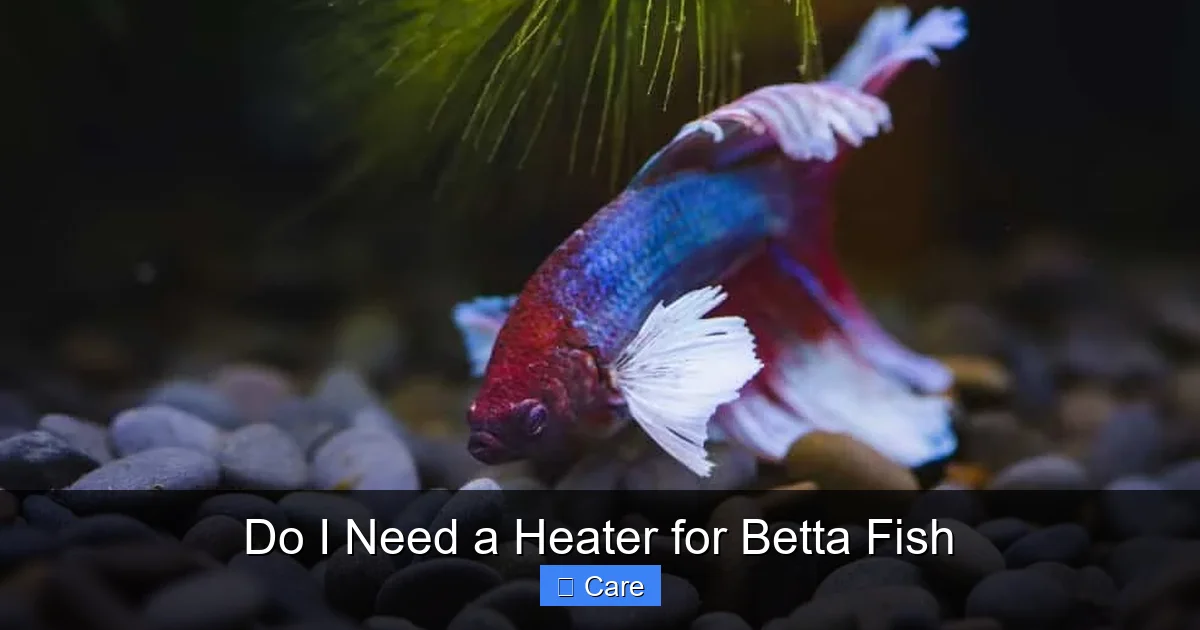
Visual guide about Do I Need a Heater for Betta Fish
Image source: fishtankmaster.com
Suppressed Immune System and Disease Vulnerability
This is the most critical and lethal consequence of cold water. A betta’s immune system functions best within its ideal temperature range. When water temperatures fall below 76°F (24°C), their immune response slows down dramatically. The white blood cells that fight off pathogens become sluggish. What does this mean in practice? The water in every aquarium, even a perfectly cycled one, contains trace amounts of bacteria and fungal spores. In a healthy, warm betta, these are constantly dealt with by the immune system. In a cold-stressed betta, these opportunistic pathogens gain a foothold. The result is a swift and often ugly onset of common betta diseases:
- Fin Rot: Often starts as a small, shredded tip on a fin and rapidly progresses, eating away at the fin tissue. Cold stress is a primary cause.
- Dropsy: A severe symptom of internal organ failure (often kidney-related) causing fluid buildup and pineconing of the scales. It is almost always fatal and frequently precipitated by long-term immune suppression from improper temperatures.
- Ich (White Spot Disease): While often triggered by other stressors, a weakened immune system from cold water makes a betta highly vulnerable to this parasitic infection.
- Fungal Infections: Appear as white, cottony growths on fins or body, taking hold on damaged tissue that the cold-stressed fish cannot heal.
Metabolic Slowdown and Lethargy
Think about how you feel on a cold day—sluggish, wanting to curl up under a blanket. Your betta feels the same. In cold water, their metabolism slows to a crawl. This leads to:
- Extreme Lethargy: Instead of actively exploring, flaring at you, or gracefully swimming, they will listlessly hover at the bottom or top of the tank, often clamped tightly against their body. This is not a “calm” betta; this is a depressed and physiologically impaired one.
- Loss of Appetite: Digestion requires energy and warmth. A cold betta will often refuse food or be unable to digest it properly, leading to constipation and further health decline.
- Dull Colors and Clamped Fins: Vibrant colors are a sign of health and vitality. Cold stress causes colors to fade and fins to be held tightly against the body (“clamped”) to conserve heat and energy.
Increased Stress and Shortened Lifespan
Chronic cold is a constant, low-grade stressor. Stress hormones like cortisol flood the system, which further suppresses the immune system and wears down the body. A betta kept at 72°F might survive for a year or two, but it will be a life of quiet suffering, punctuated by bouts of disease. A betta kept at a stable 78-80°F, with all other parameters correct, can live 3-5 years, actively displaying its beautiful personality and colors. The difference in lifespan and quality of life is stark.
How to Choose the Right Heater for Your Betta Tank
Okay, you’re convinced a heater is necessary. Now, how do you choose the right one? The market is flooded with options, but the principles are simple. The goal is to provide stable, accurate, and safe warmth.
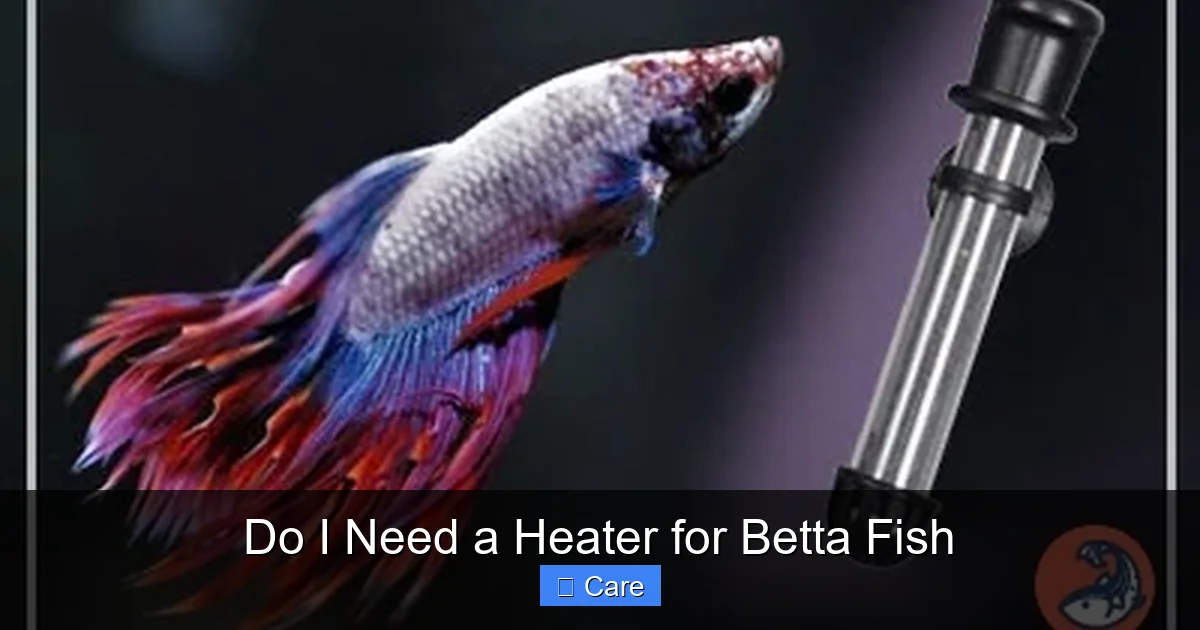
Visual guide about Do I Need a Heater for Betta Fish
Image source: aquariumnexus.com
Wattage: Matching Heater to Tank Size
This is the first rule. Heaters are rated by wattage. The general guideline is 2.5 to 5 watts per gallon of water. Using a heater that is too powerful for a small tank can cause rapid, dangerous overheating (a “thermal shock” that can kill quickly). Using one that is too weak will struggle to maintain temperature, especially in a cold room, and will run constantly, burning out prematurely.
- 1-2 Gallon Tank (e.g., a small betta cube): A 25-watt submersible heater is appropriate. Some nano heaters are specifically designed for these tiny volumes.
- 2.5-5 Gallon Tank (the recommended minimum): A 50-watt heater is the standard and most common choice. It provides adequate power without being excessive.
- 10 Gallon Tank: A 75-watt or 100-watt heater would be suitable.
Pro Tip: When in doubt, err on the side of a slightly lower wattage. It’s better to have a heater that takes a little longer to reach temperature than one that overshoots. Always check the manufacturer’s guidelines for your specific tank volume.
Types of Heaters: Submersible vs. Preset vs. Adjustable
- Fully Submersible Heaters: These are the gold standard. The entire unit can be submerged. They are more efficient, have better heat distribution, and are less prone to “dry firing” (burning out if accidentally turned on out of water). Look for models with a protective plastic or metal cage around the glass tube to prevent your betta from burning itself if it rests against it.
- Preset (Fixed-Temperature) Heaters: These are set to a single temperature (usually 78°F) at the factory and cannot be adjusted. They are simple and foolproof for beginners, as long as your room temperature and tank setup are average. However, if your room is particularly cold, a preset 78°F heater might not be able to keep up.
- Adjustable Heaters: These have a dial that allows you to set the exact temperature you want (e.g., 79.5°F). They offer the most precision and control, which is valuable if your room temperature fluctuates a lot. They require you to use a separate thermometer to calibrate and check the actual water temperature against the dial setting.
Recommendation: For most betta keepers, a high-quality, fully submersible, adjustable heater (like those from brands such as Aqueon, Fluval, or Eheim) paired with a reliable glass thermometer is the best combination of control and safety.
Safety Features to Look For
Never buy a cheap, no-name heater. Look for these critical safety features:
- Automatic Shut-Off: The heater must turn off automatically when it reaches the set temperature. This is standard but worth verifying.
- Thermal Cut-Out: A secondary safety mechanism that shuts the heater down if it starts to overheat or if it is accidentally removed from the water while still on. This prevents “dry fire” explosions.
- Indestructible Glass or Quartz: The heating element should be encased in tough, shatter-resistant material.
- Strong Suction Cups: They must attach securely to the tank wall and not fail over time.
Setting Up and Using Your Heater Correctly
Buying the right heater is only half the battle. Proper installation and monitoring are what make it effective and safe.

Visual guide about Do I Need a Heater for Betta Fish
Image source: aquamovement.com
Placement is Key
Place the heater near a water flow (like the output of your filter) but not directly in the strongest current. Good water circulation ensures the heated water is distributed evenly throughout the tank, preventing “hot spots” near the heater and cold pockets elsewhere. Never place it in a corner where water is stagnant. Also, ensure there are no decorations or plants directly touching the heater, as this can insulate it and cause overheating or damage the heater/plant.
The Golden Rule: Always Use a Separate Thermometer
This cannot be stressed enough. The temperature dial on your heater is an estimate, not a guarantee. Factory calibrations can be off. The only way to know the true water temperature is to use an independent, accurate thermometer. A simple glass floating thermometer or a more precise digital stick-on thermometer is a must-have. Place it on the opposite side of the tank from the heater to get a true average reading. Check it daily for the first week and then regularly thereafter.
The Acclimation and Adjustment Process
1. Read the Manual: Always follow the manufacturer’s instructions.
2. Submerge First: Place the heater in the tank (unplugged) and fully submerge it according to the minimum water line marking on the unit. Most heaters must be fully underwater to operate safely.
3. Plug In and Set: Plug the heater into a standard outlet (use a drip loop for safety). If it’s adjustable, set the dial to your target temperature (78-80°F). If it’s preset, it will start heating immediately to its factory setting.
4. Wait and Monitor: It can take 2-4 hours for the heater to bring a full tank to temperature. Do not adjust the dial repeatedly. Set it and let it work. Check your separate thermometer after a few hours.
5. Make Minor Adjustments: If the thermometer reads 77°F and you want 79°F, you can gently turn the dial up by a quarter-turn. Wait another hour and recheck. Small adjustments are key.
6. Establish a Baseline: Once your thermometer reads the desired temperature consistently for 24 hours, you’re set. Note the actual temperature your heater’s dial corresponds to (e.g., “my dial set to ’79’ reads 80.2°F on the thermometer”). This helps you make quick adjustments if needed.
Common Myths and “Alternatives” That Don’t Work
The betta-keeping world is full of well-intentioned but dangerous advice. Let’s debunk the most common myths about avoiding a heater.
“My Room is Warm Enough”
This is the #1 myth. Unless your room is a consistent, tropical 78-80°F 24/7/365 (which would be unbearably warm for you), your betta’s water will not be stable. Room temperature fluctuates with the time of day, weather, and HVAC systems. A 5-degree drop at night is common. Your betta cannot tolerate this. Furthermore, room air is a poor conductor of heat to water. The water will be several degrees colder than the air. Never rely on ambient room temperature for a tropical fish.
“I Use a Heat Mat/Under-Tank Heater”
These are designed for reptiles and are dangerous and ineffective for aquariums. They heat the glass unevenly, creating dangerous hot spots that can cook your fish or cause thermal stress. They also do not heat the water column effectively. Glass is a poor conductor of heat into water. Submersible heaters are the only safe and effective method for heating aquatic environments.
“I Just Add Warm Water During Water Changes”
This creates massive temperature shocks. Adding a cup of warm tap water to a tank of cool water creates a localized scalding hot spot that can burn your betta’s sensitive fins and gills while the rest of the tank remains cold. This is a recipe for extreme stress and physical injury. Temperature must be raised gradually and evenly throughout the entire water volume—a heater’s job.
“Bettas Can Live in Small Bowls Without Heaters”
This is the tragic, outdated myth that leads to so much suffering. Small bowls have almost zero thermal stability. They heat and cool with the room air in minutes. Combined with poor water quality (from lack of filtration), this creates a perfect storm for a short, miserable life. A filtered, heated tank of at least 2.5 gallons is the absolute minimum standard of care. A heater is part of that standard.
Troubleshooting: What If My Heater Isn’t Working?
Even with the best equipment, issues can arise. Here’s a quick guide.
Heater is On, But Temperature Isn’t Rising
- Check wattage: Is it too small for your tank size and room temperature?
- Check placement: Is it in a dead spot with no water circulation?
- Check for “dry fire”: If it was out of water recently, the thermal fuse may have blown. Unplug, cool completely, and try again.
- It may be faulty: Test with a known-good thermometer in a bucket of water.
Temperature is Rising Too High/Heater Won’t Shut Off
- Immediate action: Unplug the heater immediately. Use a thermometer to monitor temperature. Perform a partial water change with cool, dechlorinated water to bring temperature down.
- Possible causes: Faulty thermostat (most common), incorrect setting (dial set too high), or a heater that is too powerful for the tank.
- Solution: Replace the heater. Do not attempt to repair. This is a safety hazard.
Temperature Fluctuates Too Much
This is often a sign of a failing heater or a heater that is too small and is constantly cycling on and off trying to keep up. A stable temperature should vary by no more than 1-2 degrees in a 24-hour period. If you see wider swings, your heater is struggling and needs to be replaced with a more suitable model.
Conclusion: A Heater is the Foundation of Betta Health
Let’s circle back to the original question: “Do I need a heater for betta fish?” After exploring their tropical biology, the severe consequences of cold stress, and the practicalities of heater selection and use, the answer is a resounding, unwavering YES. A heater is not an accessory; it is core infrastructure. It is as essential as the water itself. Providing a stable, warm environment between 78-80°F is the single most impactful thing you can do to ensure your betta lives a long, active, and disease-free life. You will be rewarded with a vibrant, interactive companion that flares at your reflection, follows your finger along the glass, and displays its magnificent fins with pride. Skipping the heater isn’t saving money—it’s sentencing your betta to a life of quiet suffering and a premature death. Invest in a quality heater, pair it with a reliable thermometer, and give your betta the warm, stable home it biologically requires. Your fish will thank you with its health, its color, and its engaging personality for years to come.
Frequently Asked Questions
Can I use an aquarium heater designed for a larger tank in my small betta tank?
No. Using an oversized heater in a small tank is dangerous. It can cause rapid, extreme overheating (“thermal shock”) because it has too much heating power for the small volume of water. Always match the heater’s wattage to your tank size (2.5-5 watts per gallon).
My betta’s tank is in a warm room. Do I still need a heater?
Almost certainly, yes. Room temperature is rarely stable enough and is usually several degrees cooler than the water. It also drops significantly at night. A heater provides the consistent, 24/7 warmth your betta needs, regardless of room fluctuations.
What temperature should I set my betta’s heater to?
The ideal target range is 78-80°F (25.5-26.5°C). Use a separate aquarium thermometer to verify the actual water temperature, as heater dials can be inaccurate. Aim for the middle of this range, around 79°F.
Is it safe to leave the heater on all the time?
Yes, and it must be left on continuously. Modern heaters have automatic thermostats and safety cut-offs. Turning it off at night or when you’re away will allow the water temperature to drop, causing dangerous stress and instability. It should only be unplugged for maintenance or if a fault is detected.
What are the signs my betta is too cold?
Key signs include extreme lethargy (hovering motionless), clamped fins (held tightly against the body), loss of appetite, faded or dull colors, and frequent hiding. If you see these, check your water temperature immediately with a thermometer.
Can I use a reptile heat lamp or heat mat under my betta tank?
No. These are designed for air or terrestrial environments and are unsafe and ineffective for water. They can create dangerous hot spots on the glass, fail to heat the water evenly, and pose a serious risk of cracking the tank or burning your fish. Only use a submersible aquarium heater.