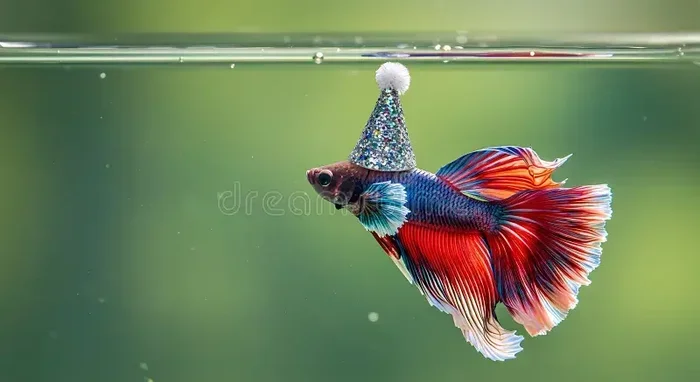
What Betta Fish Need to Survive
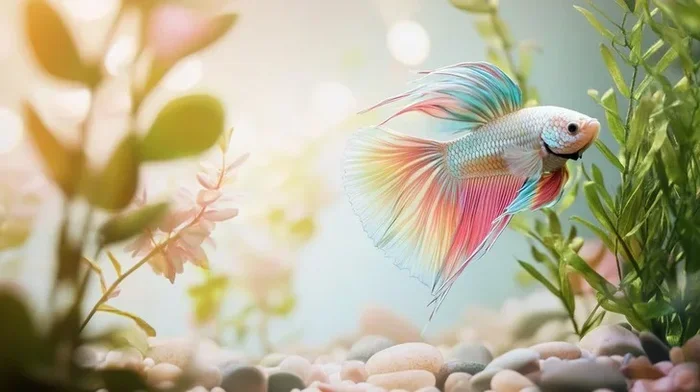
Every betta fish needs the right tank, clean water, proper temperature, and a balanced diet to survive and stay healthy. Understanding these core requirements is the first step toward giving your fish a happy, long life. This guide breaks down everything you need to know about betta fish care in simple, practical terms.
Keeping a betta fish healthy starts with understanding what betta fish need to survive. These stunning creatures are more resilient than people think, but they still depend on their owner to provide the right environment. Without proper care, even the hardiest betta can fall ill or lose its vibrant colors.
If you are new to betta fish keeping or looking to improve your current setup, this guide covers everything. We will walk through tank requirements, water conditions, feeding habits, and simple maintenance routines. By the end, you will have a clear picture of how to give your betta the best life possible.
Key Takeaways
- Tank Size Matters: A minimum 5-gallon tank gives your betta room to swim and stay healthy.
- Water Quality Is Critical: Clean, dechlorinated water with the right parameters prevents illness and stress.
- Temperature Control Is Essential: Bettas need warm water between 76-82°F to thrive.
- Diet Drives Health: A varied diet of pellets, live food, and occasional treats keeps bettas strong.
- Enrichment Reduces Stress: Plants, hiding spots, and gentle filtration create a natural, comfortable habitat.
- Regular Maintenance Prevents Problems: Weekly water changes and tank cleaning go a long way.
📑 Table of Contents
Why Understanding Betta Fish Needs Matters
Betta fish, also known as Siamese fighting fish, originally come from the warm, shallow waters of Southeast Asia. They evolved in rice paddies, slow-moving streams, and flood plains. This background shapes every need they have in a home aquarium.
Many people buy bettas on impulse because of their bright fins and low price tag. But the truth is, these fish have specific needs that must be met. Ignoring them leads to stress, disease, and a much shorter lifespan. Learning what betta fish need to survive helps you avoid common mistakes and build a thriving habitat.
The good news is that betta care is not as complicated as it seems. Once you understand the basics, maintaining a healthy tank becomes second nature. Let us dive into the details.
1. The Right Tank Setup for Your Betta
How Big Should a Betta Tank Be?
The single most important thing you can do for your betta is give it enough space. Many pet stores sell bettas in tiny cups or bowls. This is convenient for the store, but it is terrible for the fish. Bettas need room to swim, explore, and establish their territory.
A minimum 5-gallon tank is the standard recommendation for a single betta. This size gives you enough water volume to keep parameters stable. It also provides space for decorations, plants, and gentle filtration without creating too much current.
Smaller tanks under 3 gallons are extremely difficult to maintain. Ammonia spikes happen fast in tiny volumes of water, and that can be deadly. If you want your betta to truly thrive, go bigger whenever possible.
Tank Shape and Design
Bettas are labyrinth fish, which means they breathe air from the surface. Because of this, they prefer tanks that are wider than they are tall. A long, shallow shape gives them more access to the surface where they gulp air.
Tall, narrow tanks waste vertical space and make it harder for your betta to reach the surface comfortably. Stick with a standard rectangular aquarium for the best results.
2. Water Conditions Your Betta Needs
Temperature Requirements
Betta fish are tropical creatures. They need warm water to stay healthy and active. The ideal temperature range is 76 to 82 degrees Fahrenheit. Anything below 74°F can slow their metabolism and make them sluggish. Water above 86°F can stress them out and reduce oxygen levels.
Using a submersible aquarium heater with a thermostat is essential. Room temperature water is almost never warm enough for a betta. A reliable heater keeps the temperature stable and prevents dangerous fluctuations.
Water Quality and Parameters
Clean water is non-negotiable for betta survival. Ammonia and nitrite should always read zero on your test kit. Nitrate should stay below 20 parts per million. These numbers matter because bettas are sensitive to poor water quality.
Always use dechlorinated water when setting up or changing your tank. Tap water contains chlorine and chloramine that can damage your betta’s gills and skin. A simple water conditioner removes these harmful chemicals in seconds.
What water does betta fish need? Soft to moderately hard water with a pH between 6.5 and 7.5 works best. Bettas prefer slightly acidic to neutral conditions, but they can adapt to a range if changes are gradual.
Filtration Without the Current
Betta fish hate strong currents. In the wild, they live in still or slow-moving water. A powerful filter can tire them out and make it hard for them to swim properly.
The solution is to use a gentle sponge filter or to baffle the output of your filter. This provides biological filtration without creating a torrent of water. Your betta will swim freely and stay stress-free.
3. Feeding Your Betta for Long-Term Health
What Do Bettas Eat?
Bettas are carnivorous by nature. In the wild, they eat insect larvae, small crustaceans, and zooplankton. This protein-rich diet is what gives them their brilliant colors and flowing fins.
A high-quality betta pellet should form the foundation of their diet. Look for pellets where the first ingredient is a named protein source like fish meal or shrimp. Avoid cheap brands filled with fillers and fillers.
Variety is key. Supplementing pellets with live or frozen foods like bloodworms, brine shrimp, and daphnia keeps your betta healthy and excited at feeding time. Just remember that treats should make up no more than 20 to 30 percent of their diet.
Feeding Schedule and Portions
Overfeeding is one of the most common mistakes betta owners make. Bettas have small stomachs, roughly the size of their eye. Feeding too much leads to bloating, constipation, and dirty water.
Feed your betta two small meals per day, about 2 to 3 pellets each time. Some owners skip one feeding day per week to help their betta’s digestive system reset. This mimics the natural eating patterns they would experience in the wild.
4. Creating a Stress-Free Habitat
Why Stress Kills Betta Fish
Stress is the silent killer in aquariums. A stressed betta becomes vulnerable to diseases like fin rot, ich, and fungal infections. Chronic stress also shortens their lifespan significantly.
Common causes of stress include tiny tanks, aggressive tank mates, bright lights, strong currents, and lack of hiding spots. Eliminating these stressors is one of the best things you can do for your fish’s well-being.
Tank Mates: Who Can Live With a Betta?
Not every fish can share a tank with a betta. Male bettas are territorial and will fight other bettas or fish with bright, flowing fins. Female bettas can sometimes be kept in small groups called sororities, but this requires careful planning.
Good tank mates for bettas include corydoras catfish, small tetras, and snails. These fish stay out of the betta’s way and do not provoke aggression. Always monitor new introductions closely and have a backup plan if things do not work out.
Plants and Decorations
Live plants do wonders for a betta tank. They absorb nitrates, produce oxygen, and provide natural hiding spots. Bettas love to rest on broad-leaved plants like java fern or anubias. Silk plants also work well if you prefer low-maintenance options.
Avoid sharp decorations or rough gravel that can tear your betta’s delicate fins. Smooth surfaces and gentle decor create a safe environment where your fish feels secure.
5. Common Mistakes That Shorten Betta Lifespan
Even well-meaning owners can make mistakes that hurt their betta. Here are the most common ones to avoid:
- Keeping a betta in a bowl or vase: These tiny containers lack filtration and heating. Your betta will slowly decline in a bowl.
- Skipping water changes: Even with a filter, regular water changes are necessary to remove built-up waste and toxins.
- Overfeeding: Excess food rots in the tank and spikes ammonia levels. Feed less than you think your betta needs.
- Using untreated tap water: Chlorine and chloramine are toxic to fish. Always condition your water before adding it to the tank.
- Placing the tank in direct sunlight: This causes algae blooms and temperature swings that stress your betta.
Avoiding these mistakes puts you ahead of most betta owners. Your fish will reward you with vibrant colors, active behavior, and a longer, healthier life.
6. How to Know If Your Betta Is Thriving
It is one thing to set up a proper tank, but it is another to know if your betta is actually doing well. Here are clear signs of a healthy, happy betta:
- Bright, vivid colors: A well-fed, stress-free betta displays intense reds, blues, and greens.
- Flowing, intact fins: Fins should be smooth and undamaged, not torn or clamped against the body.
- Active swimming: Your betta should explore the tank and swim confidently near the surface.
- Healthy appetite: A betta that eagerly comes to the front of the tank at feeding time is a happy betta.
- Normal breathing rate: Quick, labored breathing can indicate poor water quality or illness.
If you notice any of these warning signs, test your water parameters first. Most health problems in bettas trace back to poor water conditions rather than disease alone.
Conclusion
Understanding what betta fish need to survive comes down to a few core principles. Provide a spacious tank, maintain clean and warm water, feed a balanced diet, and create a stress-free environment. These steps are not complicated, but they make all the difference in the world for your fish.
Betta fish can live five years or more with proper care. Some even reach seven or eight years in optimal conditions. That is a long time to share your home with a beautiful, fascinating creature. Start with the basics, stay consistent with maintenance, and enjoy the rewarding experience of caring for one of nature’s most captivating fish.
Every choice you make, from the tank size to the food you serve, shapes your betta’s quality of life. Invest the time to get it right, and you will be rewarded with a thriving, colorful companion that brings joy to your home every single day.
Frequently Asked Questions
What size tank does a betta fish need to survive?
A minimum 5-gallon tank is recommended for a single betta. This size provides stable water parameters and enough space for your fish to swim comfortably. Tanks smaller than 3 gallons are too difficult to maintain and can shorten your betta’s lifespan.
Do betta fish need a heater?
Yes, bettas are tropical fish and require warm water between 76 and 82 degrees Fahrenheit. A submersible aquarium heater with a thermostat keeps the temperature consistent. Without a heater, room temperature water is usually too cold for a betta to thrive.
What kind of water is best for betta fish?
Dechlorinated tap water or treated aquarium water works best for bettas. The water should have a pH between 6.5 and 7.5 and be free of chlorine and chloramine. Using a quality water conditioner removes harmful chemicals before adding water to the tank.
How often should I feed my betta fish?
Feed your betta two small meals per day, about two to three pellets each time. Overfeeding is a common mistake that leads to bloating and dirty water. Skipping one feeding day per week can help support your betta’s digestive health.
Can betta fish live alone?
Yes, bettas are solitary fish and do best when kept alone, especially males. They are territorial and will fight other bettas or fish with similar coloring. Providing a well-planted, enriched tank keeps a solo betta happy and active.
How long do betta fish live with proper care?
With the right tank setup, diet, and water conditions, bettas typically live three to five years. Some well-cared-for bettas have been known to live seven years or longer. Consistency in maintenance is the key to maximizing their lifespan.