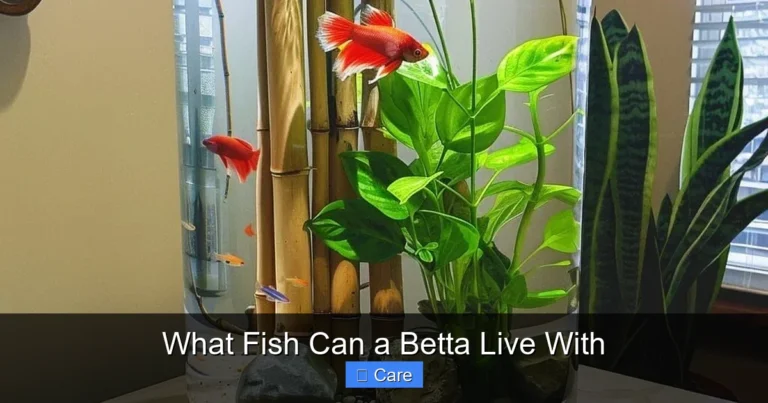
How Much Are Betta Fish
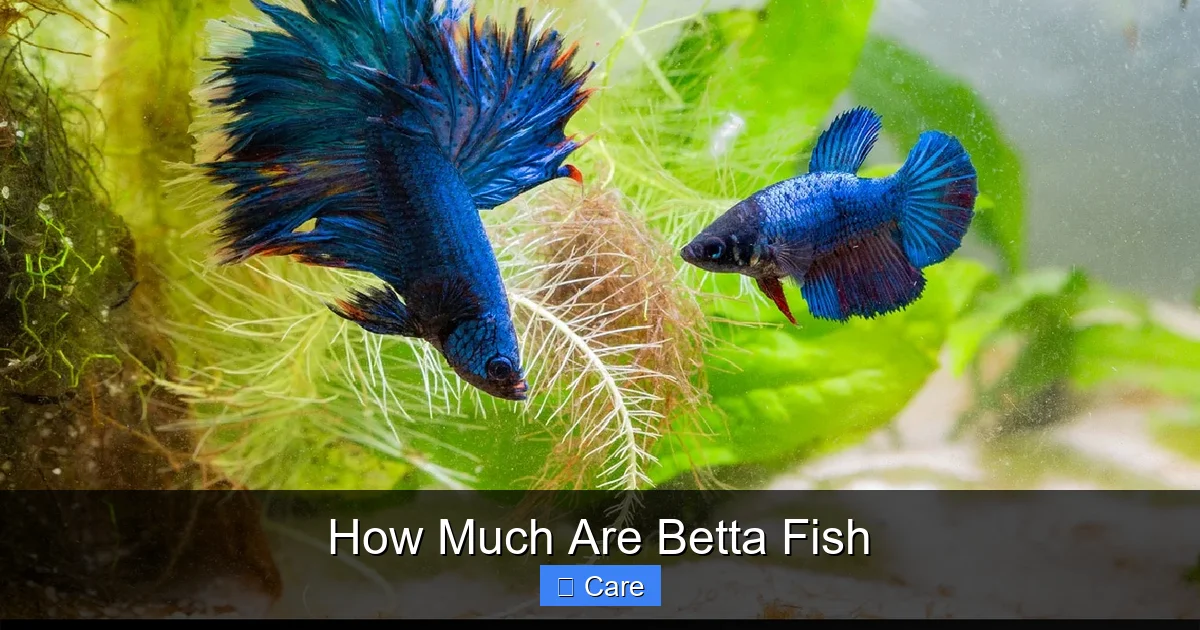
Wondering how much betta fish cost? The price spectrum is surprisingly wide, spanning from as little as $2-$5 for common pet store varieties to $50-$100+ for rare, show-quality specimens. However, the initial fish cost is just the beginning. The true investment lies in a proper aquarium setup, which can easily exceed the fish’s price tag. Factors like color, fin type, lineage, and where you purchase directly influence the sticker price. Always budget for the essential tank, heater, filter, and water conditioner first—a healthy environment is non-negotiable for your betta’s wellbeing.
Key Takeaways
- Wide Price Range: Betta fish can cost anywhere from $2 for a common pet store specimen to over $100 for a rare, award-winning show fish from a breeder.
- Key Cost Drivers: Price is primarily determined by color intensity, fin type (like halfmoon or plakat), rarity of pattern, and the fish’s lineage or show history.
- Purchase Source Matters: Big-box stores are cheapest but offer limited variety and health guarantees. Local fish stores (LFS) and reputable online breeders cost more but provide healthier, hardier fish and expert advice.
- Setup Costs >> Fish Cost: The necessary 5+ gallonheated and filtered tank, along with decor and water treatments, will typically cost at least $100-$200, far more than the fish itself.
- Ongoing Expenses Are Real: Budget for electricity (heater/filter), food, water conditioner, and occasional supplies like filter media. A well-maintained betta can live 3-5 years, creating long-term costs.
- Cheap Isn’t Always Better: Extremely low-priced bettas from chain stores are often stressed, overmedicated, or genetically weakened. Investing a bit more upfront in a healthier fish saves money and heartache later.
- Hidden Costs to Anticipate: Factor in potential vet care for severe illnesses, replacement parts for equipment, and the cost of cycling the tank (test kits, ammonia source) before even adding the fish.
📑 Table of Contents
- Understanding the Price Spectrum: From Dollar Store to Show Tank
- What Makes a Betta Expensive? The Genetics of Price
- Where to Buy Your Betta: How Source Dictates Price and Quality
- The True Cost: The Non-Negotiable Setup (This Is Where the Real Money Is)
- Ongoing Care Expenses: The Years-Long Commitment
- Conclusion: The Real Value of a Betta
Understanding the Price Spectrum: From Dollar Store to Show Tank
So, you’ve fallen in love with the flowing fins and vibrant personality of the Siamese fighting fish, the betta. You’ve watched videos of them flaring at their own reflection and lounging under a leaf. The first, most obvious question that pops into your head is a very practical one: how much are betta fish? The answer isn’t as simple as a single number. It’s a journey that starts with a price tag that can shock you—in both directions—and ends with a much larger investment in a proper home.
Let’s pull back the curtain. The fish itself is just one component. You might walk into a large pet supply chain and see tiny, colorful cups with solitary bettas priced at $2.99 or $3.99. That’s the entry point. It’s the absolute baseline cost for a living creature that has been mass-produced for the pet trade. At the opposite extreme, a champion halfmoon betta with perfect, 180-degree fin spread and a dazzling metallic sheen, purchased directly from a renowned breeder who has selectively paired fish for generations, can command $75, $100, or even more. Between these two poles lies a vast and fascinating middle ground, populated by local fish stores, online hobbyist breeders, and a stunning array of genetic varieties.
This article will be your complete financial roadmap. We’ll dissect the initial purchase price of the fish, break down the non-negotiable setup costs that dwarf that initial purchase, and explore the ongoing expenses of responsible betta ownership. By the end, you won’t just know how much bettas cost; you’ll understand why they cost what they do and where your money is best spent to ensure you’re bringing home a healthy friend for years to come.
The $2-$5 Betta: The Mass-Market Reality
The bettas you see in small cups at big-box stores are the result of large-scale commercial breeding operations, often based in Southeast Asia. Their primary goals are volume, hardiness to survive shipping and store conditions, and immediate visual appeal—bright colors and long fins. These fish are typically young males, about 4-6 months old, sold at the peak of their initial color development.
Why are they so cheap? Economies of scale. Thousands are bred, shipped, and distributed weekly. They are a loss leader or low-margin item designed to get you in the door for other supplies. However, this model comes with significant drawbacks. The “cup” is a temporary holding container, not a home. These fish are often stressed, may have been treated with hormones to enhance color, and have a higher incidence of genetic weaknesses like poor immune systems or spinal deformities. Their lifespan can be shorter, and they may arrive already ill.
Practical Tip: If you choose this route, inspect the cup meticulously. Look for a fish that is active (not lethargic), has no visible tears or rot on its fins, has clear eyes (not bulging or cloudy), and is swimming normally. Avoid any fish with a bloated appearance or clamped fins. Be prepared for a potentially rocky start and a higher risk of early loss.
The $10-$40 Betta: The Local Fish Store (LFS) & Online Hobbyist Sweet Spot
This is where value and quality often intersect beautifully. Your local, independently-owned fish store is a treasure trove. The bettas here are usually sourced from smaller, more specialized breeders or imported in better conditions than the big chains. Prices vary widely based on what the store owner has acquired. You might find a stunning crowntail or a vibrant veiltail for $15-$25. These stores often keep their bettas in small, heated tanks or heated community tanks, which is a much better start than a cup.
Even better are the dedicated online breeders and sellers on platforms like eBay, Aquabid, or specialized forums. Here, you can find specific varieties like deltas, halfmoons, and even the rarer doubletails. Prices reflect the breeder’s reputation, the fish’s specific traits, and shipping costs (which can be $30-$50+ for insulated, oxygenated, next-day delivery). A beautiful, healthy halfmoon from a good online breeder often lands in the $25-$50 range. The advantage is immense selection and direct access to experts. You can often see photos/videos of the exact fish you’ll receive and ask about its lineage and health history.
Practical Example: You might pay $35 for a brilliant blue/red halfmoon from an online breeder plus $40 for shipping. That’s $75 for the fish alone. But that fish is likely robust, genetically sound, and has been raised in a水质-cycled system from a young age, giving it a much stronger start.
The $50-$100+ Betta: The Show-Quality Investment
At the pinnacle are the bettas you see winning international competitions. These are the result of meticulous, multi-generational selective breeding for specific standards set by organizations like the International Betta Congress (IBC). Traits are judged on a 100-point scale: fin size, shape, and symmetry; body shape and size; and color intensity and distribution.
A fish with a perfect 180-degree halfmoon spread, a deep, solid body color (like a true metallic copper or a vibrant, non-fading blue), and flawless, un-torn fins is a masterpiece of selective breeding. Its parents and grandparents likely have show histories. The breeder has invested thousands in stock, facilities, and time. When you buy one of these, you’re not just buying a pet; you’re buying a piece of aquatic art and a genetic blueprint. Prices for such fish start around $75 and can soar into the hundreds or even thousands for a once-in-a-lifetime specimen.
Important Note: For the vast majority of hobbyists, a $20-$40 betta from a reputable source is more than sufficient for a stunning, healthy pet. The premium prices are for enthusiasts focused on the breed standard and showing.
What Makes a Betta Expensive? The Genetics of Price
Now that we’ve seen the price brackets, let’s dive into why a particular betta costs what it does. It’s all in the genes. Understanding these factors helps you evaluate whether a price tag is justified for your goals.
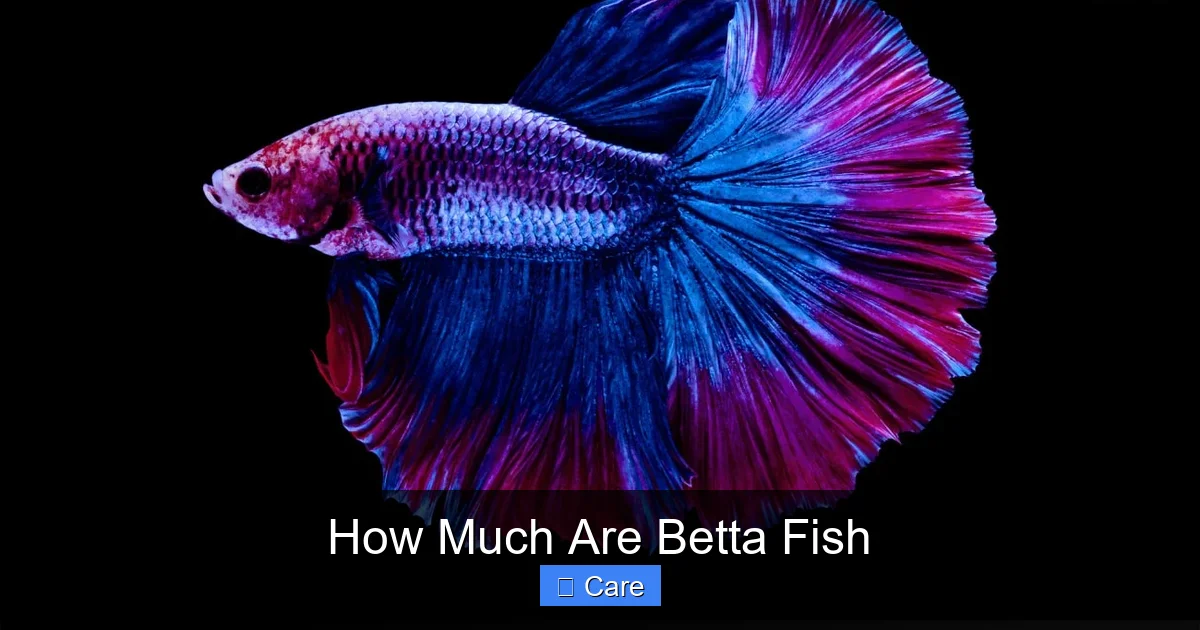
Visual guide about How Much Are Betta Fish
Image source: buildyouraquarium.com
Fin Type: The Sail of the Ship
Fin morphology is the single biggest visual driver of price. The “standard” veiltail, common in stores, is relatively inexpensive. The sought-after varieties are more complex.
- Halfmoon (HM): The gold standard. When the fish flares, its fins form a perfect semicircle (180 degrees). A true, large, symmetrical halfmoon is significantly more expensive than a veiltail.
- Double Tail (DT): Has two distinct tail lobes instead of one. A well-formed double tail with even lobes is a rarity and commands a premium.
- Delta Tail: A broad, triangular tail that narrows towards the body. A large, symmetrical delta is highly prized.
- Plakat (PK): The short-finned, “fighter” type. While historically cheaper, show-quality plakats with muscular bodies and intense colors are now highly valued by a dedicated subset of hobbyists.
- Rosetail & Feathertail: These are halfmoons with excessive, overlapping fin rays that create a rose-like or feathery effect. They are stunning but can be prone to fin rot and snagging, making them more expensive due to rarity and breeding difficulty.
A betta with a minor flaw in its fin symmetry—a slightly uneven halfmoon or a droopy lobe—can see its price drop by 50% or more compared to a “perfect” show specimen.
Color: More Than Just Pretty
Color is a complex genetic puzzle. Solid, vibrant colors like deep red or bright blue are common and relatively affordable. Complexity and rarity drive price up.
- Multicolors & Marbling: Fish that exhibit multiple distinct colors or the famous “marble” gene (which changes color over time) are popular and can be pricier.
- Metallics & Koi: The iridescent, shiny “metallic” sheen (copper, gold, gunmetal) is caused by a specific layer of pigment cells. True, deep metallics are highly sought-after. Koi-patterned bettas (with orange/red/white patches like the fish) are a trendy and expensive subset of multicolors.
- Butterfly & Piebald: Specific, symmetrical patterns like a butterfly (color radiating from the body) or a piebald (distinct white patches) are genetic rarities.
- Solid, Intense Colors: A true, non-fading, solid color that covers the entire body (including the head) without any “washed out” areas is more valuable than a patchy one.
Pro Tip: Beware of “dyed” bettas. Some unethical sellers inject fish with dye to create impossible color patterns (like bright neon stripes). These fish are often unhealthy, and the dye will fade. A naturally occurring pattern, even if less flashy, is always preferable.
Size, Shape, and Health
A large, robust fish with a deep, streamlined body (especially in males) is more impressive and genetically desirable than a small, skinny one. Breeders select for size and body mass. A fish that is 2.5-3 inches from nose to fin tip when fully inflated is considered good size. A stunted, small fish, even with great fins, will be cheaper.
Finally, and most importantly, health is priceless. A fish with any sign of illness—pineconing scales (dropsy), persistent clamped fins, ragged fins, or sores—should be avoided at any price. A healthy fish from a good source is worth every penny.
Where to Buy Your Betta: How Source Dictates Price and Quality
Your decision on where to purchase is the single most important factor affecting both the price you pay and the health of your future pet. Let’s compare the main avenues.

Visual guide about How Much Are Betta Fish
Image source: buildyouraquarium.com
Big-Box Pet Stores (The $2.99 Cup)
Pros: Unbeatable convenience and lowest upfront cost. You can see the fish in person before buying. Often have one-stop-shop for basic supplies.
Cons: Highest risk of receiving a stressed, sick, or genetically weak fish. Bettas are typically kept in tiny, unheated cups. Staff knowledge about betta-specific care is usually minimal. Limited variety—mostly veiltails and some halfmoons of common colors.
Price Range: $2.99 – $7.99.
Who it’s for: The absolute beginner on a razor-thin budget who understands they are taking a significant risk on the fish’s health and lifespan. Not recommended for anyone seeking a long-term, thriving companion.
Local Fish Stores (LFS) – The Hidden Gem
Pros: Often the best balance of price, quality, and support. Owners are usually passionate hobbyists. Bettas are frequently kept in better conditions (heated tanks, better water). You can build a relationship, get specific advice, and often return a fish if it’s unhealthy within a short window. You can see the fish’s active behavior.
Cons: Selection varies day-to-day. Prices are higher than big-box stores. You may not get the exact specific variety you want.
Price Range: $10 – $35 for most quality specimens. Rare varieties may be more.
Who it’s for: Almost everyone. The best choice for first-time betta owners who want a healthy fish and expert local advice. Support these businesses!
Online Breeders & Hobbyists – The Specialist Route
Pros: Unparalleled selection. You can find specific, high-quality varieties (show halfmoons, koi, specific color crosses). You buy directly from the expert who raised the fish. Often the healthiest, best-established fry. Detailed lineage and health information available.
Cons: Shipping is expensive and stressful for the fish (though done professionally). You cannot see the fish in person before purchase. Requires research to find reputable sellers (check reviews, IBC membership). A waiting list may exist.
Price Range: $25 – $100+ for the fish, plus $30-$60+ for shipping.
Who it’s for: The enthusiast who knows exactly what they want (e.g., “a blue/red halfmoon with a butterfly pattern”) and is willing to pay for quality and specificity. Also for those in areas with poor local selection.
Betta Shows & Auctions – The Collector’s Market
Occasionally, local aquarium clubs or IBC chapters hold shows where you can purchase fish directly from breeders. Online auction sites like Aquabid also function similarly. This is where the highest-end fish are sold.
Price Range: $50 – $500+, highly variable.
Who it’s for: Serious hobbyists and breeders. Not for the casual pet owner.
The True Cost: The Non-Negotiable Setup (This Is Where the Real Money Is)
Let’s be brutally clear: the betta fish itself is the cheapest part of the entire equation. Spending $5 on a fish and then putting it in a .5 gallon “betta bowl” is the #1 mistake new owners make. It’s a recipe for a short, stressful life and a wasted investment. A proper setup is an investment in your fish’s health and your enjoyment.
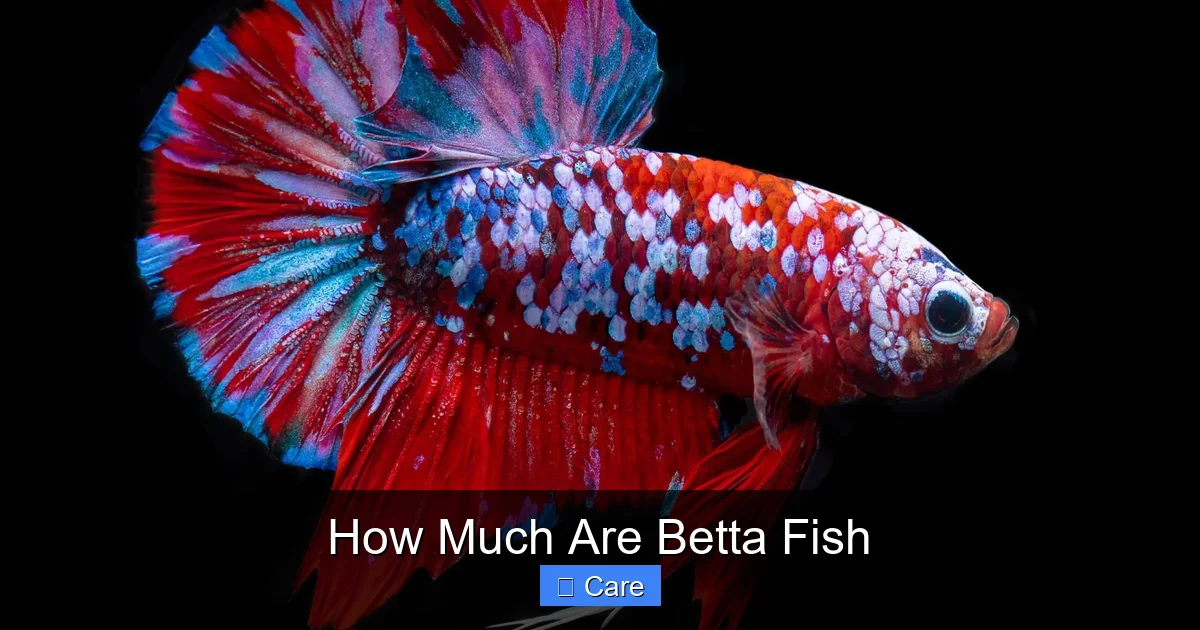
Visual guide about How Much Are Betta Fish
Image source: acaquarium.com
The absolute, bare-minimum, science-backed requirement for a healthy betta is a 5-gallon (19-liter) tank that is heated and filtered. Anything less is animal neglect. Here’s a realistic, itemized breakdown for a basic but proper setup. Prices are averages and can vary by brand, store, and region.
Tank & Stand: The Foundation
A 5-gallon glass or acrylic tank is the starting point. A kit (tank + lid + light) is often a good value.
- 5-gallon glass tank (bare): $15 – $25
- 5-gallon kit (with hood & light): $30 – $50
- Stand/Cabinet (if needed): $30 – $100+
Total for this section: $30 – $60 for a basic kit on a sturdy surface.
Heater: The Tropical Necessity
Bettas are tropical fish from Thailand. They need a consistent water temperature of 78-80°F (25.5-26.5°C). A small, reliable submersible heater is essential.
- 25-50 watt adjustable heater (for 5-gallon): $15 – $25. Get a reputable brand (Aqueon, Eheim, Fluval) with an automatic shut-off.
Total for this section: $20 (with a small safety margin).
Filtration: Keeping the Water Clean
A filter is crucial for cycling the tank (establishing beneficial bacteria) and keeping ammonia/nitrite at zero. For a 5-gallon betta tank, a gentle flow is key—betta fins are delicate.
- Sponge filter (air pump + sponge): $10 – $20. Extremely gentle, perfect for bettas, also provides surface agitation for oxygen.
- Small hang-on-back (HOB) filter with flow control: $20 – $40. More versatile, but must be adjusted to low flow.
- Internal power filter: $15 – $30. Can be good if flow is adjustable.
Total for this section: $15 – $30. (Sponge filter is the most budget-friendly and betta-safe bet).
Water Conditioning & Testing: The Chemistry Set
Tap water contains chlorine/chloramine and heavy metals that are deadly to fish.
- Water conditioner (dechlorinator): $5 – $10 for a bottle that lasts months. Seachem Prime is the gold standard.
- Freshwater Master Test Kit (liquid tests): $25 – $35. THIS IS THE MOST IMPORTANT TOOL YOU WILL BUY. You cannot cycle or maintain a tank without it. The cheap paper strip tests are notoriously inaccurate.
Total for this section: $30 – $45. Do not skip the liquid test kit.
Substrate & Décor: Function and Beauty
Substrate (gravel or sand) is for beneficial bacteria to grow on and for plant roots if you choose live plants.
- 5 lbs of aquarium gravel: $5 – $10. Smooth, rounded gravel is best.
- Décor: This is where personal taste and budget diverge. You need at least one cave or hiding spot (terracotta pot, PVC pipe, store-bought cave: $3 – $10) and some plants (real or silk) for security and to reduce stress. A few basic silk plants: $10 – $20.
Total for this section: $15 – $40+. You can go very basic or very elaborate.
Initial Setup Grand Total
Let’s add up the conservative, basic totals:
- Tank Kit: $40
- Heater: $20
- Sponge Filter + Air Pump: $20
- Water Conditioner + Test Kit: $35
- Substrate + Basic Décor: $25
Grand Total Before You Even Buy the Fish: $140.
This is the real answer to “how much are betta fish?” The fish is a $5-$40 addition to a $140+ investment. You can cut costs (find a used tank, skip décor for a bit), but you cannot ethically skip the tank size, heater, filter, conditioner, or test kit.
Ongoing Care Expenses: The Years-Long Commitment
Once your tank is cycled and your betta is home, there are recurring costs. A well-cared-for betta lives 3-5 years, sometimes longer. Plan for the long haul.
Food: Quality Over Quantity
Bettas are carnivores. A diet of just flakes is inadequate.
- Pellets: A high-quality betta pellet (New Life Spectrum, Hikari Betta Bio-Gold) is the staple. A container lasts many months. Cost: $5 – $10.
- Frozen/Freeze-Dried Treats: Bloodworms, brine shrimp, daphnia. Essential for variety and conditioning. A small pack of frozen bloodworms: $5. A jar of freeze-dried: $8. These last a long time if used as a 2-3x weekly treat.
Monthly Food Cost: Literally pennies. A good pellet container might last 6+ months for one fish.
Utilities: The Hidden Bill
Your heater (25W) and filter (small air pump or 5W HOB) run 24/7.
- Heater (25W): ~18 watts actual draw. Running 24/7 = 0.018 kW * 24 hrs * 30 days = ~13 kWh/month.
- Filter (small): ~5 watts. = ~3.6 kWh/month.
- Total estimated monthly electricity cost: At $0.15/kWh, that’s ~$2.50 per month. Very low.
Supplies & Maintenance
These are periodic, not monthly.
- Filter Media: Sponge filters just need a rinse in old tank water every month. HOB filters need cartridge replacement every 1-2 months ($5-$10 per cartridge).
- Water Conditioner: You use it with every water change. A large bottle lasts 6+ months ($10).
- Test Kit Reagents: The liquid test kit reagents last about 6 months of regular testing ($20 for a refill pack).
- Potential Vet Care: This is the wild card. A basic vet visit for an exotic pet can be $50-$100+. Serious illness can cost hundreds. Some owners set aside a small “vet fund.”
Estimated Average Monthly Cost (excluding initial setup & fish): $3 – $8 for electricity, filter media, and food amortized.
Conclusion: The Real Value of a Betta
So, how much are betta fish? The complete, honest answer is this: the fish itself can be a $2 impulse buy or a $100 collector’s item. But the responsible, ethical investment to give that fish a thriving, healthy life starts at around $150 for a proper setup and continues with minimal monthly costs for years.
Your takeaway should be this: do not let the low price tag of the fish fool you. The value of a betta is not in its initial cost, but in the joy of watching a healthy, active fish explore a well-maintained piece of aquatic paradise you created. That vibrant flare display, that curious investigation of a new leaf, that peaceful rest on a broad plant—these moments are earned through the upfront investment in the right tank, heater, and filter. Skip the cup, skip the bowl. Budget for the 5-gallon tank first. Then, and only then, choose a beautiful, healthy betta to call it home. You’ll be rewarded with a fascinating companion that brings a splash of living color and personality to your world for years to come.
Frequently Asked Questions
What is the average lifespan of a betta fish?
With proper care in a heated, filtered tank of 5 gallons or more, a betta fish typically lives 3 to 5 years. Some well-cared-for individuals have been known to live up to 7-10 years. Lifespan is drastically shorter in small, unheated bowls.
Do betta fish really need a heater?
Yes, absolutely. Bettas are tropical fish native to warm, shallow waters in Thailand. They require a consistent water temperature between 78-80°F (25.5-26.5°C). A small, adjustable aquarium heater is a non-negotiable piece of equipment for their long-term health and immune function.
Can I keep a betta with other fish?
It’s possible, but tricky. Male bettas are generally solitary and aggressive towards other fish with long, flowing fins (like guppies). They can sometimes coexist with peaceful, fast-moving, short-finned tank mates like ember tetras, harlequin rasboras, or corydoras catfish in a 20+ gallon heavily planted tank. A 5-gallon tank should house only the betta. Always research “betta tank mates” thoroughly and have a backup plan.
How much does betta fish food cost per month?
Very little. A high-quality pellet container ($5-$10) can last 6+ months for a single betta. Freeze-dried or frozen treats like bloodworms ($5-$8 a pack) are used sparingly 2-3 times a week and also last a long time. The monthly food cost is typically well under $1.
What is the single most important piece of equipment besides the tank?
The liquid freshwater test kit. You cannot properly cycle a tank (establish beneficial bacteria to process fish waste) or maintain safe water parameters (ammonia, nitrite, nitrate) without it. The cheap, inaccurate test strips are a false economy that can lead to toxic water and a dead fish. A master test kit is a $25-$35 investment that pays for itself in saved fish lives.
Why are some bettas so much more expensive than others?
Price is driven by genetics and aesthetics. A $3 store betta is a common, young male with basic coloring and a standard veiltail. A $50 betta is likely a specific, high-quality variety like a symmetrical halfmoon or doubletail, with rare and intense coloration (like a metallic copper or koi pattern), bred over many generations for show standards. You are paying for the breeder’s years of work, selective pairing, and the fish’s superior genetic traits.