What Do Betta Fish Need
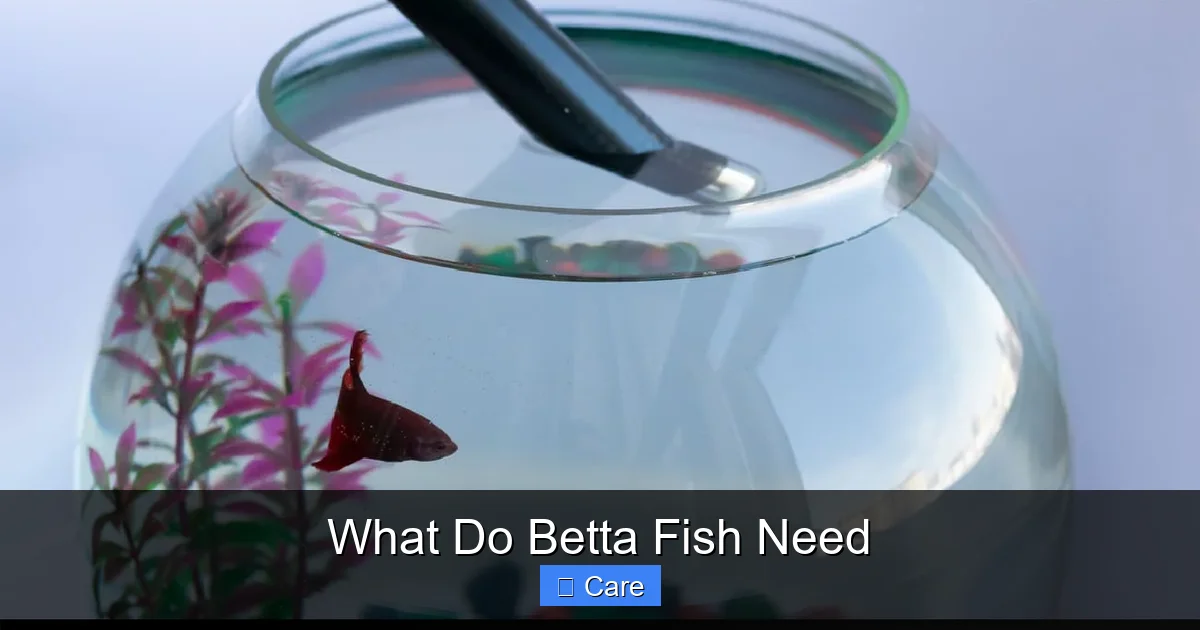
Contrary to popular belief, betta fish need more than a small vase. They require a heated, filtered tank of at least 5 gallons with clean, dechlorinated water and a secure lid. Their diet must be high-quality and varied, not just flakes. Live or silk plants and hiding spots are essential for security. Understanding these core needs is the only way to provide proper betta fish care and ensure your vibrant companion thrives for years.
You’ve seen them everywhere: the beautiful, flowing-finned betta fish, also known as Siamese fighting fish, displayed in tiny cups or vases at a pet store or a local fair. Their vibrant colors and dramatic fins are captivating. But this common imagery has perpetuated a dangerous myth: that betta fish are low-maintenance pets that can thrive in small, unfiltered containers. The truth is, answering the question “what do betta fish need?” requires understanding them as the complex, tropical creatures they are. Proper betta fish care is not difficult, but it is specific. This comprehensive guide will dismantle the myths and give you everything you need to know to provide a truly healthy and enriching life for your betta, ensuring they are not just surviving, but thriving.
Key Takeaways
- Tank Size is Critical: Betta fish need a minimum of a 5-gallon tank, not a bowl. A larger volume of water provides stable temperatures and dilutes toxins.
- Water Quality is Non-Negotiable: A gentle filter is essential to cycle the tank and remove harmful ammonia. Weekly water changes are required to maintain pristine conditions.
- Heating is Mandatory: Bettas are tropical fish and require a stable water temperature between 76-82°F (24-28°C) provided by an aquarium heater.
- Diet Must Be Variated & Appropriate: Feed high-quality pellets or frozen foods (like brine shrimp) once or twice daily. Avoid overfeeding; their stomachs are tiny.
- Enrichment Prevents Stress: Bettas need plants (live or silk) and hiding spots to feel secure. Floating plants are especially important as they prefer the surface.
- Bettas are Solitary but Not Lonely: Male bettas must be kept alone. Females can sometimes live in sororities with extreme caution, but they do not need “friends” to be happy.
- Observation is Your Best Tool: Learn your betta’s normal behavior. Lethargy, clamped fins, or loss of appetite are early signs of poor water quality or illness.
📑 Table of Contents
- The Myth of the “Disposable” Betta: Why Their Needs Are Often Misunderstood
- The Foundation: Tank Setup, Size, and Equipment
- Water Quality: The Invisible Lifeline
- Nutrition: Feeding Your Betta for Vibrant Health
- Environmental Enrichment: Creating a World for Your Betta
- Health, Behavior, and Troubleshooting Common Problems
- Putting It All Together: Your Action Plan
The Myth of the “Disposable” Betta: Why Their Needs Are Often Misunderstood
The origins of the misconception lie in their name and natural habitat. Bettas are anabantoids, meaning they possess a labyrinth organ that allows them to breathe atmospheric air. This adaptation lets them survive in shallow, stagnant rice paddies in Thailand during dry seasons. This survival mechanism was misinterpreted as a preference for poor water conditions. In reality, their natural habitat, while sometimes shallow, is warm, planted, and filled with insects and cover. They are not adapted to live in isolation in a tiny, cold, dirty glass of water. The “betta in a vase” trend was a cruel marketing gimmick, not proper care. Recognizing this history is the first step toward providing what your betta truly needs.
The Stress of the Small Bowl: A Biological Perspective
Consider the biology. A small volume of water, like in a vase or small bowl, experiences extreme temperature swings with room air. Ammonia from the fish’s waste builds up to lethal levels within days. There is no biological filtration to process toxins. The lack of plants or décor offers no escape from constant exposure, causing chronic stress. Stress suppresses a fish’s immune system, making them susceptible to diseases like fin rot or dropsy. By providing the correct environment, you directly combat this stress, leading to a stronger, more colorful, and longer-lived companion. Bettas in proper setups routinely live 3-5 years, sometimes longer; those in bowls often perish within months.
The Foundation: Tank Setup, Size, and Equipment
Now, let’s build the perfect home. The single most important piece of equipment is the tank itself. Forget the “betta bowl.” You need a real aquarium.
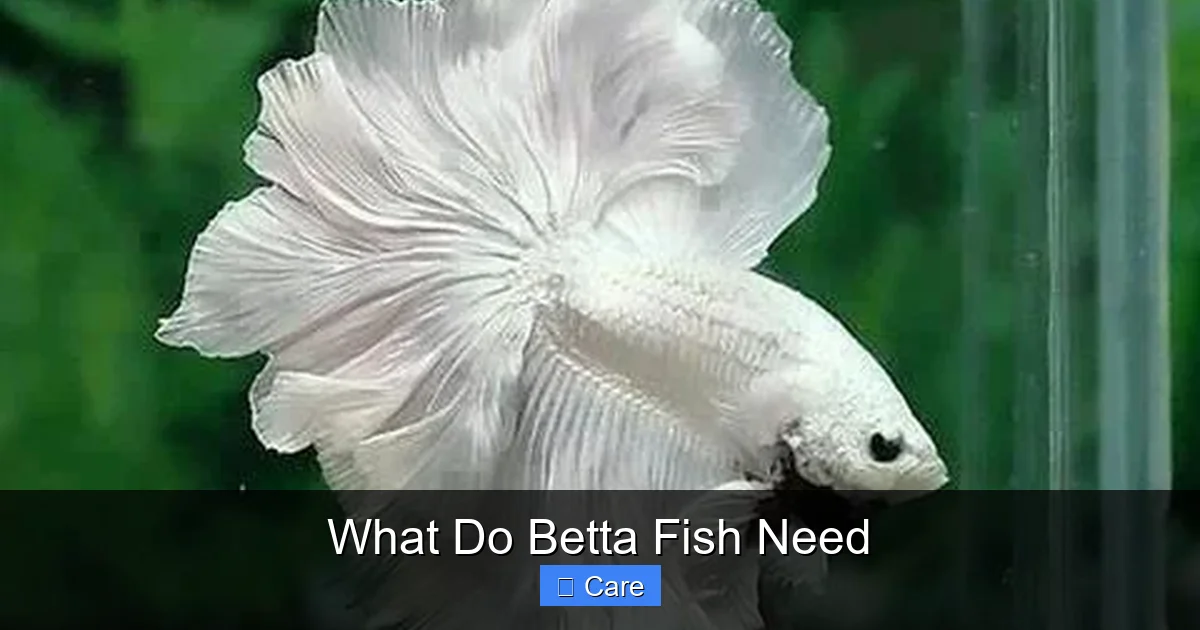
Visual guide about What Do Betta Fish Need
Image source: bettalove.com
Tank Size: The 5-Gallon Minimum Rule
The absolute minimum tank size for a single betta is 5 gallons (19 liters). This is a hard rule based on science, not opinion. Why is 5 gallons the magic number? It provides a stable thermal mass, meaning the heater can maintain a consistent temperature more easily. It dilutes ammonia and nitrite, giving the biological filter (more on that soon) a chance to work before toxins reach harmful levels. It also allows for a proper heater, filter, and decorations without crowding. A 10-gallon tank is even better and is still considered a “nano” aquarium, easy to fit on most desks or shelves. The extra space allows for more plants, a small school of peaceful tank mates (like snails or certain shrimp), and provides a more stimulating environment for your fish.
Filtration: The Engine of a Healthy Tank
Every betta tank needs a filter. The filter is not just for removing debris; its primary job is to host beneficial bacteria. These bacteria colonies convert toxic fish waste (ammonia) into less harmful nitrite, and then into much safer nitrate. This process is called the nitrogen cycle and is fundamental to aquarium success. For bettas, you must choose a filter with an adjustable, gentle flow. Their long fins make them poor swimmers, and a strong current will exhaust them, stress them, and damage their delicate fins. Hang-on-back (HOB) filters, sponge filters, and internal power filters all work well. Look for models where you can dial the flow down to a barely perceptible ripple. Sponge filters are an excellent, quiet, and gentle option that also provides surface area for beneficial bacteria.
Heating: Replicating the Tropical Sun
Bettas are native to tropical Southeast Asia. They require a constant, warm water temperature between 76-82°F (24-28°C). A small, fully-submersible aquarium heater with a thermostat is non-negotiable. Do not rely on room temperature; it is too unstable. In winter, it will be too cold, slowing the betta’s metabolism and leading to lethargy and a weakened immune system. In summer, it can overheat, causing oxygen deprivation. Pair your heater with a reliable digital aquarium thermometer—the sticker kind that comes with the tank is notoriously inaccurate. The goal is a stable temperature, not a fluctuating one.
Lighting and the Day/Night Cycle
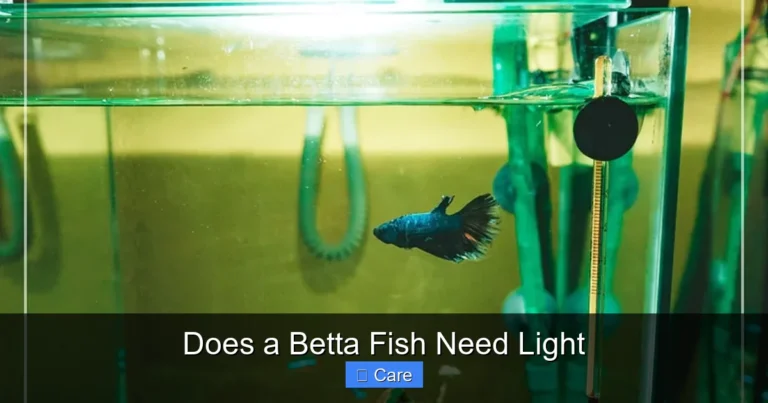
Bettas do not need intense lighting. In fact, bright light can stress them, especially if there are no plants or décor to break up the line of sight. A standard LED aquarium light on a 10-12 hour on/off cycle is perfect. This cycle mimics a natural day and night, which is crucial for their circadian rhythm. Ensure the tank is not placed in direct sunlight, as this will cause dangerous algae blooms and rapid temperature spikes. The light primarily serves you, to see your fish and any live plants you may add.
The Essential Lid: Bettas Are Jumpers
This cannot be stressed enough: bettas are excellent jumpers. They will leap from an open tank if startled or if they see something interesting. Your tank must have a secure, tight-fitting lid with no gaps. Many betta-specific tanks come with lids; if you use a standard tank, you’ll need a separate glass or mesh lid. This is a safety issue, pure and simple.
Water Quality: The Invisible Lifeline
You can have the perfect tank, but without proper water management, your betta will suffer. Water quality is the single most important ongoing aspect of betta fish care.
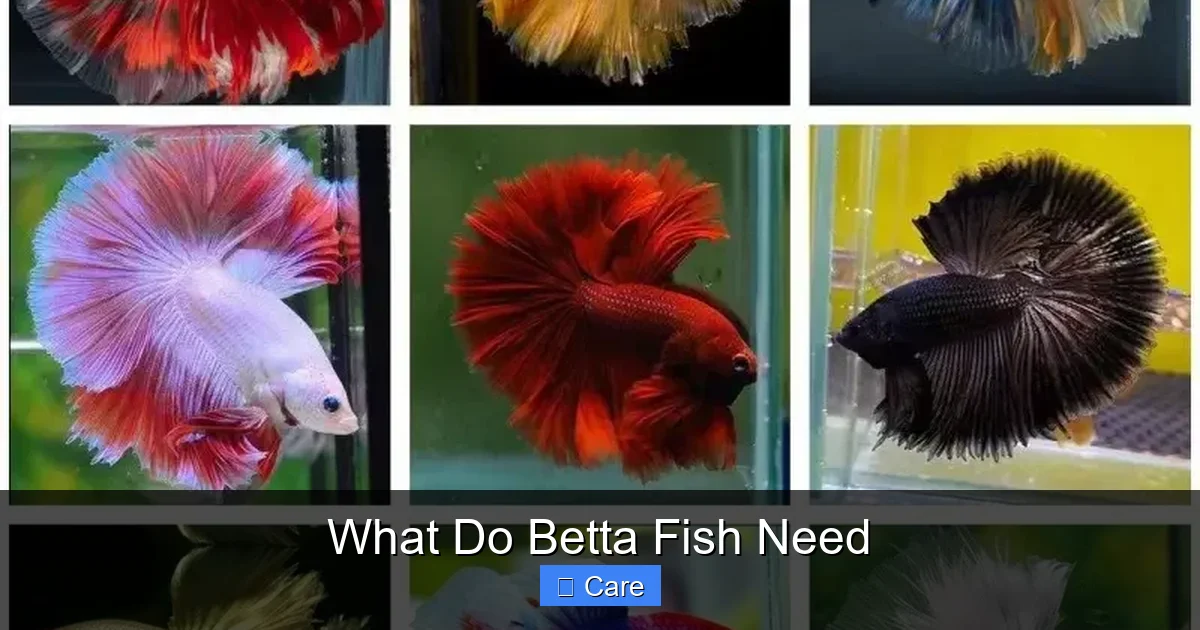
Visual guide about What Do Betta Fish Need
Image source: pondonaquarium.com
The Nitrogen Cycle: Understanding Your Tank’s Biology
Before you even add your betta, your tank must be “cycled.” This 2-6 week process establishes the colonies of beneficial bacteria mentioned earlier. You start by adding a source of ammonia (a few drops of pure ammonia, or a piece of shrimp/fish food) to an empty tank with your filter running. You then test the water daily with a liquid test kit (API Freshwater Master Test Kit is the gold standard). You will see ammonia spike, then drop as nitrite appears, and finally, nitrite will drop as nitrate appears. Once you can add ammonia and see it convert to nitrate within 24 hours with zero ammonia and zero nitrite, the tank is cycled and safe for your fish. Never add a betta to an uncycled tank. It is equivalent to dumping them in a toilet.
Dechlorination is Step One
Tap water contains chlorine and chloramine, which are lethal to fish and will kill your beneficial bacteria. Every single drop of water you add to the tank—whether for the initial fill, a water change, or a top-off—must be treated with a water conditioner/dechlorinator, like Seachem Prime. This is instant and simple but absolutely critical.
The Maintenance Routine: Water Changes
Even a cycled tank accumulates nitrate, which must be removed. The primary way to do this is through weekly water changes. For a cycled 5-gallon tank with a filter, a 25-30% water change once a week is the standard. This means you siphon out 1.25-1.5 gallons of old water, scrub any algae from the glass, and replace it with fresh, conditioned water at the same temperature. Do not remove the fish during this process unless absolutely necessary. The disturbance of sucking up debris can be stressful. Instead, carefully siphon around them. Use a gravel vacuum to clean the substrate, as waste decays there and produces ammonia.
Testing for Peace of Mind
While you should do water changes on schedule, testing your water parameters (ammonia, nitrite, nitrate, pH) every 2-4 weeks is a great habit. A properly cycled and maintained tank should show 0 ppm ammonia, 0 ppm nitrite, and nitrate below 20 ppm. A sudden spike in ammonia or nitrite is a red flag that something is wrong—perhaps you overfed, a filter died, or you didn’t change enough water.
Nutrition: Feeding Your Betta for Vibrant Health
Bettas are carnivores, not vegetarians. Their upturned mouths are designed for grabbing insects off the water’s surface in the wild. Feeding them the wrong food leads to constipation, swim bladder issues, and poor coloration.
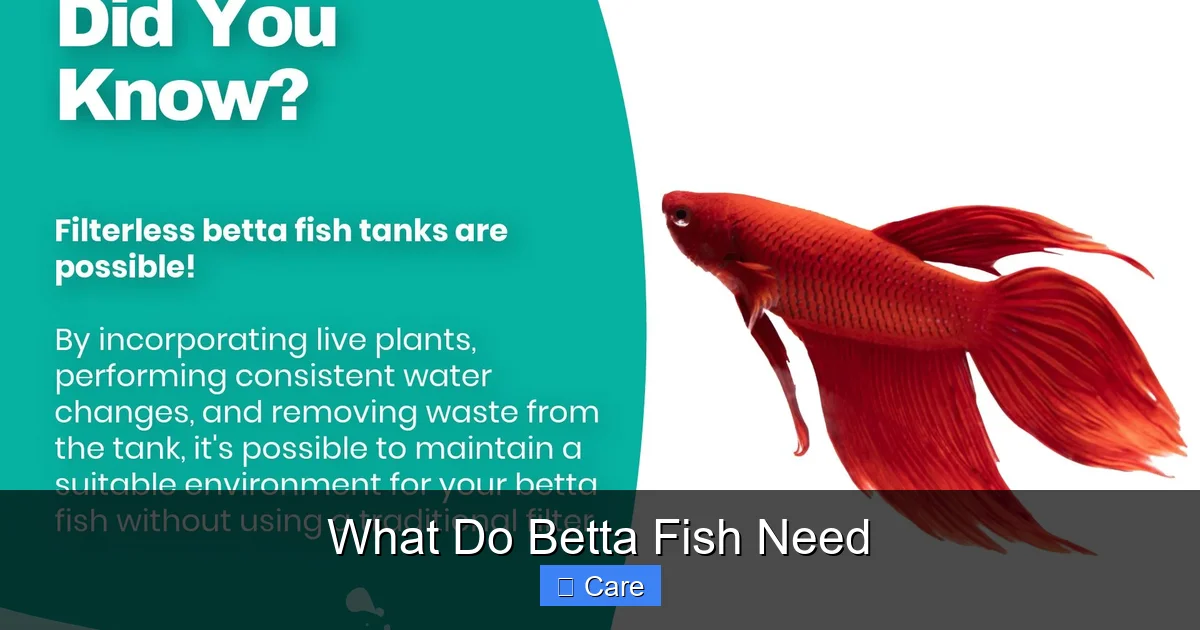
Visual guide about What Do Betta Fish Need
Image source: majesticfins.com
Choosing the Right Staple Food
A high-quality betta pellet or granular food should be your staple. Look for brands where the first few ingredients are whole fish or shrimp meal (e.g., salmon, krill, squid), not fillers like wheat or soy. These pellets are formulated to provide complete nutrition. Hikari Betta Bio-Gold and New Life Spectrum Betta are excellent, widely available choices. Feed only what your betta can consume in 2-3 minutes, once or twice a day. A common rule is to feed an amount roughly the size of his eyeball. Overfeeding is the #1 cause of water quality problems and digestive issues.
The Importance of Dietary Variety
Just like you wouldn’t eat cereal every day, your betta needs variety. Once or twice a week, replace the pellets with a treat of high-protein, frozen foods. The best options are:
- Brine Shrimp (Artemia): The ultimate betta treat. Rich in protein and carotenoids that enhance color.
- Daphnia: Water fleas. Excellent for digestion and acts as a natural laxative.
- Bloodworms: The larvae of midge flies. A powerful treat, but feed sparingly as they are rich and can cause constipation if overused.
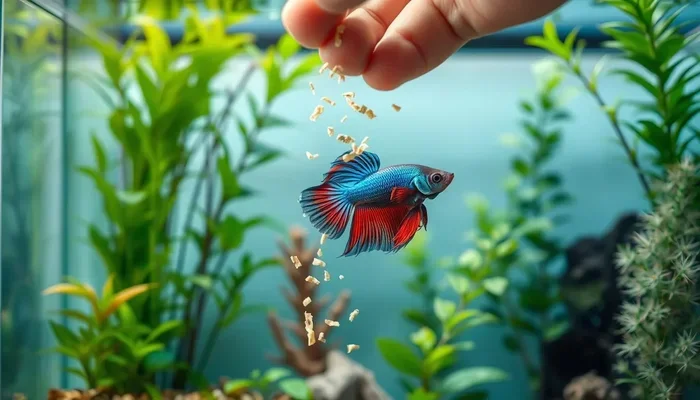
Thaw a small portion of frozen food in a dish of tank water (never under hot tap water!), then use a pipette or turkey baster to offer it. This mimics the act of hunting live food and provides crucial enrichment.
Foods to Absolutely Avoid
Never feed your betta:
- Bettas are not herbivores: Do not feed them peas, lettuce, or vegetable-based flake foods as a staple. They cannot digest plant matter efficiently.
- Live foods from dubious sources: feeder goldfish or wild-caught organisms can introduce parasites and diseases.
- Human food: This is a one-way ticket to a sick fish and a polluted tank.
Environmental Enrichment: Creating a World for Your Betta
A bare tank with a heater and filter is a prison. Bettas are intelligent, curious fish with distinct personalities. Enrichment reduces stress, encourages natural behaviors, and makes for a much more engaging pet.
The Vital Role of Plants and Hiding Spots
In the wild, bettas hide under leaves and among dense plant growth to feel safe from predators and to build their bubble nests. Your tank must replicate this. Live plants are ideal as they improve water quality, provide grazing grounds for microfauna, and offer incredibly realistic texture. Excellent beginner plants include Java Fern, Anubias, and Amazon Swords (these can be tied to driftwood or rocks). Silk plants are a fantastic, low-maintenance alternative—avoid plastic plants with sharp edges, as they can tear a betta’s delicate fins. Provide a mix of tall background plants, mid-ground plants, and floating plants (like water lettuce or frogbit). Floating plants are a betta’s favorite, giving them a sense of security at the surface where they prefer to rest and build nests. Add other decorations: a ceramic pot, a piece of driftwood (mopani or Malaysian), or a rock cave. The key is to break up lines of sight so your betta can retreat when it wants to.
Understanding and Respecting Bubble Nests
Male bettas (and occasionally females) build bubble nests at the water’s surface. This is a natural, healthy behavior indicating the fish feels secure and content. When you see a nest, do not destroy it. It is a sign of a happy betta. If you need to clean the water, gently avoid the area. The presence of a bubble nest is a positive feedback loop: good environment leads to nest building, which reinforces the good environment.
Tank Mates: A Word of Extreme Caution
The rule for male bettas is simple: one betta per tank. They are called Siamese fighting fish for a reason. Two males will fight to the death. Even a female and male together long-term is risky and not recommended for beginners. The question of tank mates for a male betta is complex. While some peaceful, fast-moving, non-fluffy-finned fish like certain tetras or rasboras can work in a large, heavily planted 20+ gallon tank, it is not without risk. The betta may see them as rivals. For 99% of keepers, especially with a 5-10 gallon tank, the safest and best tank mate is none. Your betta will not be lonely; he will be the sole, well-cared-for king of his domain. For a female betta, a carefully planned and monitored “sorority” of 4-6 females in a large, heavily planted tank (20+ gallons) is possible but advanced and not for the novice.
Health, Behavior, and Troubleshooting Common Problems
Even with perfect care, issues can arise. Knowing what to look for and how to respond is key.
Reading Your Betta’s Behavior
Your betta’s daily behavior is your first health indicator.
- Active & Curious: A healthy betta will explore, flare at his reflection (or you!), and gracefully swim all levels of the tank.
- Lethargic & Clamped Fins: Fins held tightly against the body, resting on the bottom, or hiding constantly are signs of stress, poor water quality, or illness.
- Flaring: This is normal. They flare at their reflection, new objects, or during courtship. It’s not always aggression.
- Bubble Nester: As discussed, this is a great sign.
- Loss of Appetite: Can indicate water quality issues, constipation, or the onset of disease.
Common Ailments and First Steps
- Fin Rot: Fins appear torn, ragged, and may have white or black edges. Caused by poor water quality and opportunistic bacteria. First and foremost, perform a major water change, vacuum the gravel, and ensure the filter is clean. Improve water quality. In persistent cases, an antibacterial treatment like Methylene Blue or a dedicated fin rot medication may be needed.
- Swim Bladder Disorder/SIB (Swim Bladder Inflammation): The fish swims erratically, upside down, or struggles to stay upright. Almost always caused by overfeeding and/or constipation. Fast the fish for 3 days (no food, but keep water pristine), then offer a cooked, skinned pea (blanched and de-seeded) or a daphnia meal. This usually resolves the issue.
- Ich (White Spot Disease): Tiny white salt-like spots on the body and fins. Caused by a parasite. Requires treatment with a dedicated ich medication and a gradual temperature increase to 82-84°F (if within safe range for your betta) to speed the parasite life cycle.
- Velvet: A gold or rust-colored dusting on the fish. Another parasitic disease. Requires specific velvet medication.
Always, always, always check and correct your water parameters first before assuming a disease. Most “illnesses” are simply manifestations of poor water quality.
Putting It All Together: Your Action Plan
Let’s synthesize everything into a simple checklist for what your betta needs:
- A minimum 5-gallon tank (10 gallons is highly recommended).
- A secure, tight-fitting lid.
- A gentle, adjustable filter that is always running.
- A reliable, fully-submersible aquarium heater set to 78-80°F.
- A high-quality liquid water conditioner.
- A substrate (gravel or sand) and plenty of plants/decor (live or silk) for hiding and security.
- High-quality betta pellets as a staple, supplemented with frozen foods like brine shrimp or daphnia.
- A gravel vacuum and a commitment to weekly 25-30% water changes.
- A liquid test kit to monitor your cycle and water parameters.
- Patience to cycle the tank before adding your fish.
If you provide all of this, you are not just meeting your betta’s needs—you are exceeding them. You will be rewarded with a fish that recognizes you, displays breathtaking colors, performs playful dances, and becomes a true centerpiece of your home for many years to come. The question “what do betta fish need?” has a clear, science-based answer. It’s up to us as their caretakers to listen and provide it.
Frequently Asked Questions
Can betta fish live with other fish?
Male bettas should almost never be housed with other fish due to their aggressive and territorial nature. A single, solitary betta in a properly sized and decorated tank is the safest and healthiest setup. Female bettas can sometimes be kept in carefully managed groups (sororities) in very large, heavily planted tanks, but this is advanced and not recommended for beginners.
How often should I feed my betta fish?
Feed your adult betta once or twice a day, offering only what it can consume in 2-3 minutes. A good rule is to feed an amount roughly the size of its eyeball. Skip one day a week (a “fasting day”) to aid digestion. Overfeeding is the most common mistake and directly leads to constipation and poor water quality.
Why does my betta fish jump out of the tank?
Bettas are natural jumpers, a behavior from their wild habitat. They will leap from an open tank if startled, chasing food, or simply exploring. This is why a secure, tight-fitting lid is an absolute requirement for any betta tank. Never leave the top open, even for a moment.
Do betta fish need a filter?
Yes, absolutely. A filter is essential for establishing and maintaining the nitrogen cycle, which converts toxic fish waste into less harmful substances. Without a filter, ammonia will poison and kill your betta within days. You must use a filter with a gentle, adjustable flow to accommodate their long fins.
Can I use tap water for my betta tank?
You can use tap water, but it must be treated with a complete water conditioner/dechlorinator before it ever touches your fish or the biological filter. Conditioners neutralize chlorine, chloramine, and heavy metals found in municipal water supplies that are deadly to fish and bacteria.
How long do betta fish live?
With proper care—including a heated, filtered tank of at least 5 gallons, a high-quality diet, and consistent water maintenance—a betta fish can live 3 to 5 years, and some even reach 7 or 8. Bettas kept in small, unheated bowls typically survive only a few months to a year. Their lifespan is a direct reflection of the care you provide.