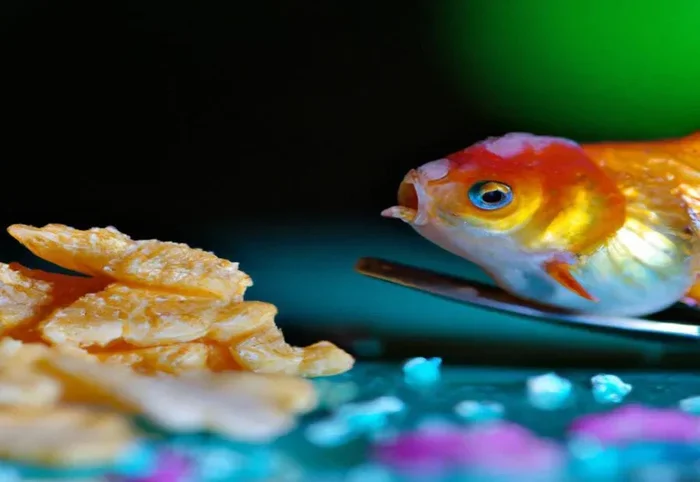
Can Betta Fish Eat Goldfish Food
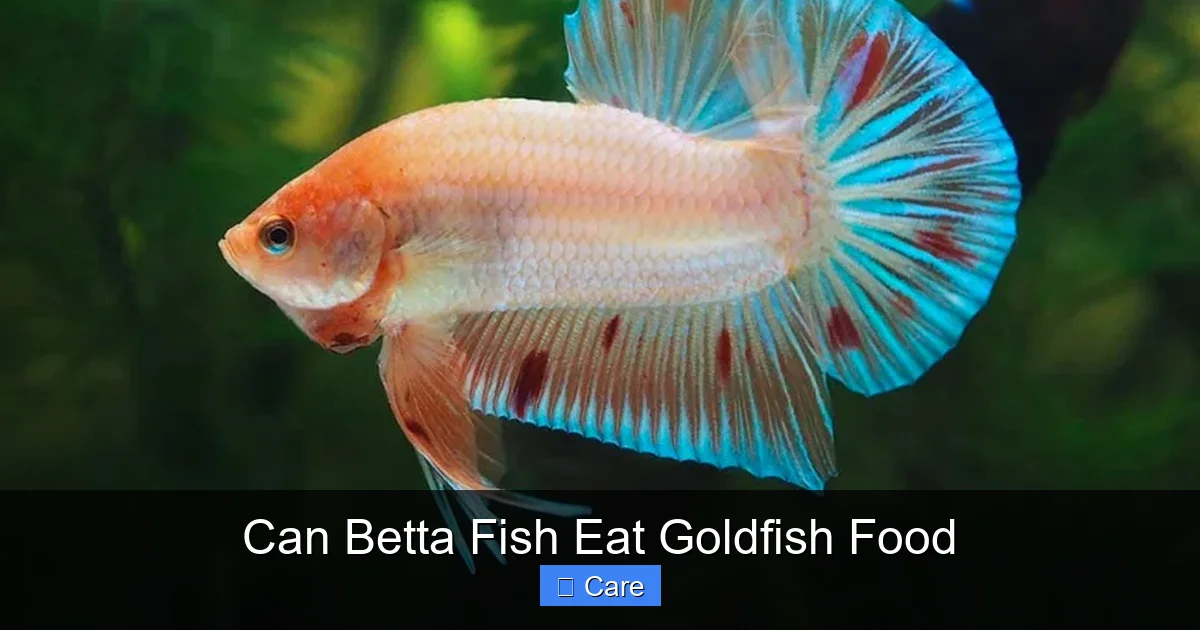
No, betta fish should not eat goldfish food as a regular diet. Goldfish food is formulated for omnivorous fish with low protein and high carbohydrate content, while bettas are strict carnivores requiring a diet rich in animal protein. Regularly feeding bettas goldfish flakes or pellets can lead to serious health issues like swim bladder disease, constipation, and severe malnutrition. For a healthy, vibrant betta, always choose high-quality foods specifically designed for their dietary needs.
Key Takeaways
- Bettas are obligate carnivores: Their digestive systems are designed to process primarily animal protein, not plant matter.
- Goldfish food is nutritionally inadequate: It is low in protein and high in carbs and fillers like wheat and soy, which bettas cannot digest properly.
- Long-term feeding causes health problems: This includes constipation, swim bladder disorder, fin rot from poor nutrition, and a shortened lifespan.
- Occasional consumption is not an emergency: A single missed feeding or one or two flakes will not harm a betta, but it should never become a habit.
- Stick to betta-specific foods: High-quality betta pellets, frozen, or live foods like brine shrimp and bloodworms provide the essential nutrients they need.
- Read ingredient labels: The first few ingredients in any betta food should be whole animal proteins like “whole fish,” “krill,” or “shrimp.”
📑 Table of Contents
- Introduction: The Great Fish Food Mix-Up
- The Biology of a Betta: Built to Be a Carnivore
- What’s Actually in Goldfish Food? A Nutritional Breakdown
- The Real Consequences: What Happens When a Betta Eats Goldfish Food?
- What Should You Actually Feed Your Betta? The Ideal Diet
- Debunking Myths and Answering “What If” Scenarios
- Conclusion: Respecting Your Betta’s Biology
Introduction: The Great Fish Food Mix-Up
So, you’ve got a beautiful, flowing-finned betta fish gracefully navigating his tank. You also have a container of goldfish flakes sitting around from a childhood pet or a communal tank setup. A logical question pops into your head: can betta fish eat goldfish food? It’s all fish food, right? Unfortunately, this common assumption is one of the most frequent dietary mistakes new betta owners make, and it can have serious consequences for your pet’s health.
Think of it this way: feeding a betta goldfish food is like feeding a lion a salad. While both are technically edible, the nutritional profile is completely wrong for the animal’s biological needs. Bettas, with their stunning colors and active personalities, are specialized predators. Their entire physiology—from their short, straight digestive tracts to their sharp little teeth—is built for a meat-based diet. Goldfish, on the other hand, are opportunistic omnivores that graze on algae, insects, and detritus in the wild. Their food reflects this. In this comprehensive guide, we’ll dive deep into the why behind this rule, explore the specific dangers of the wrong food, and give you crystal-clear, actionable advice on exactly what to feed your betta for a long, healthy life.
The Biology of a Betta: Built to Be a Carnivore
To understand why goldfish food is so bad for bettas, we need to look at the betta’s natural design. Originating from the shallow, warm rice paddies and slow-moving streams of Southeast Asia, the Siamese fighting fish, or Betta splendens, evolved as a surface-dwelling predator. Their primary diet in the wild consists of insects, mosquito larvae, tiny crustaceans, and zooplankton that fall onto the water’s surface.
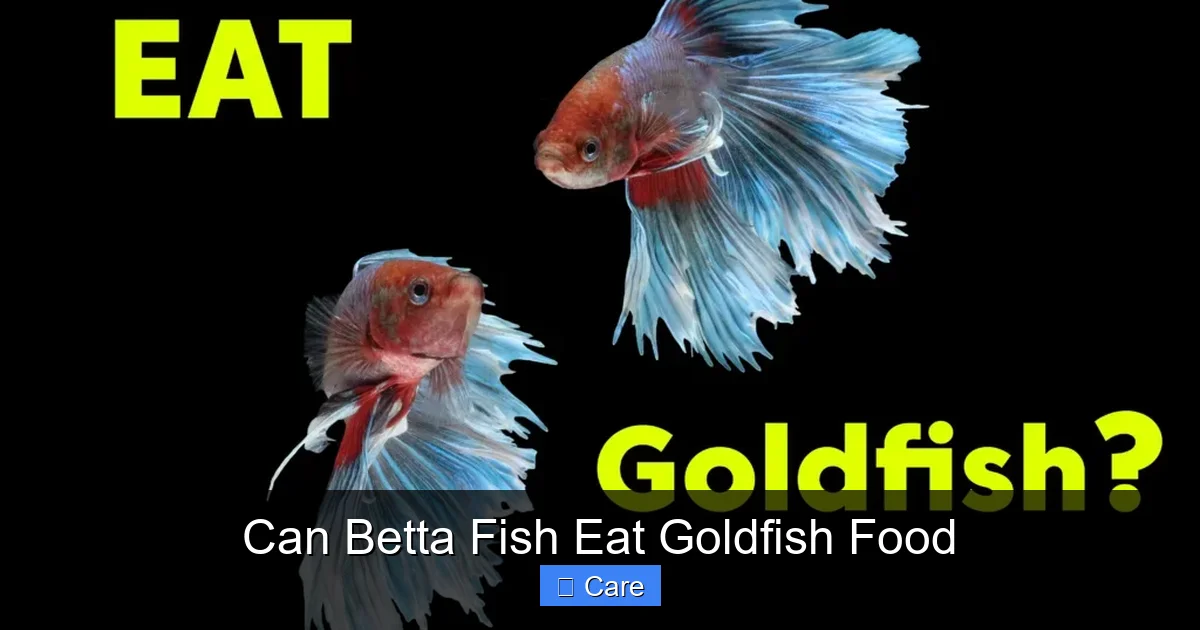
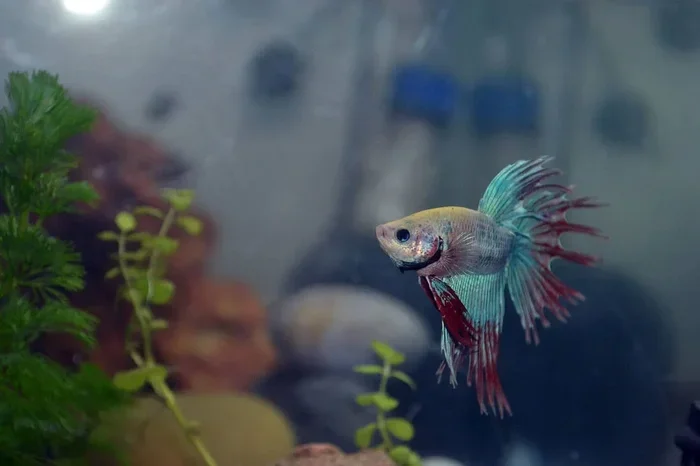
Visual guide about Can Betta Fish Eat Goldfish Food
Image source: fishtanksetups.com
A Digestive System Designed for Meat
This carnivorous history has shaped the betta’s anatomy. They possess a very short, straight intestinal tract. This is a classic feature of obligate carnivores (like cats). A short gut is efficient at processing and absorbing nutrients from protein and fat but is poorly adapted to breaking down complex carbohydrates and plant fibers. Food moves through quickly, and anything that sits and ferments in that short tube can cause major problems.
Contrast this with a goldfish. Goldfish have a much longer, more convoluted digestive system, closer to that of an herbivore/omnivore. This longer gut allows for the fermentation of plant material, enabling them to extract nutrients from algae, vegetables, and grain-based foods that would pass through a betta largely undigested.
The Protein Imperative
For a betta, protein isn’t just a part of their diet; it’s the foundation. Animal-based proteins provide essential amino acids that bettas cannot synthesize on their own. These amino acids are critical for:
- Vibrant Coloration: The brilliant reds, blues, and iridescence of a healthy betta come from carotenoids and other pigments found in animal sources like crustaceans.
- Fin Growth and Repair: Those long, flowing fins are protein structures. They require adequate protein to grow strong and heal from damage.
- Energy and Metabolism: Protein is a dense energy source for their active, curious nature.
- Overall Immune Function: A robust immune system relies on the building blocks provided by high-quality protein.
When a betta consumes a food low in animal protein, like most goldfish foods, it is essentially getting “empty calories.” It may feel full, but its body is not receiving the essential nutrients it needs to thrive.
What’s Actually in Goldfish Food? A Nutritional Breakdown
Let’s peel back the label on a typical goldfish flake or pellet. The ingredient list tells the whole story. To meet the needs of an omnivorous, algae-grazing fish, goldfish food formulations are built on a very different foundation than betta food.
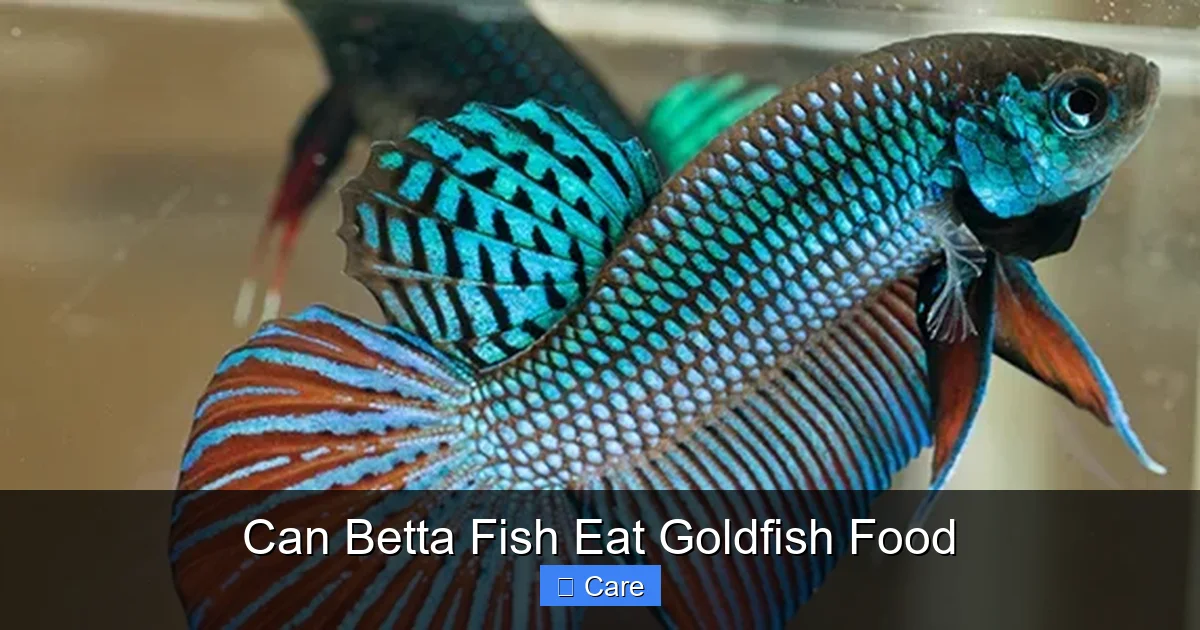
Visual guide about Can Betta Fish Eat Goldfish Food
Image source: fishtanksetups.com
The Primary Ingredients: Fillers and Carbs
You’ll often find ingredients like:
- Wheat Flour, Wheat Germ, Soybean Meal: These are primary protein sources, but they are plant-based proteins. Bettas have a very difficult time digesting and utilizing these. They act as cheap fillers that bulk up the food without providing the necessary amino acid profile.
- Corn Gluten Meal, Rice Flour, Oats: These are simple carbohydrates. They provide energy but little else. In a betta’s short gut, these carbs can ferment, leading to gas buildup and digestive distress.
- Algae Meals (Spirulina, Chlorella): While nutritious for goldfish and other herbivores, these are purely plant-based. Bettas gain no meaningful nutrition from them.
The protein content in standard goldfish food typically ranges from 25% to 35%. For a betta, this is far too low. Quality betta foods aim for 40% protein or higher, and that protein must come from animal sources.
Missing Nutrients Critical for Bettas
Beyond the wrong protein sources, goldfish food often lacks specific nutrients bettas need:
- High levels of Animal Fats: Bettas require certain fatty acids (like those from fish oil or krill) for energy, color enhancement, and organ health. Goldfish food has much lower fat content.
- Enrichment with Color-Promoting Pigments: While some goldfish foods have spirulina for color, the pigments in crustaceans (like astaxanthin in shrimp) are far more effective and bioavailable for bettas.
- Proper Vitamin and Mineral Ratios: The vitamin and mineral profiles are tailored to goldfish metabolism. A deficiency in key vitamins like A, C, and D, or an imbalance of minerals, can weaken a betta’s immune system and lead to diseases like fin rot.
In essence, feeding a betta goldfish food is like trying to fuel a high-performance sports car with low-grade diesel. It might run for a while, but it will eventually clog the system and cause catastrophic failure.
The Real Consequences: What Happens When a Betta Eats Goldfish Food?
It’s not just a theoretical problem. Feeding your betta an improper diet has visible, often painful, consequences. These issues don’t appear overnight from one or two flakes, but from consistent, daily feeding of the wrong food.
Visual guide about Can Betta Fish Eat Goldfish Food
Image source: fishkeepingwisdom.com
Swim Bladder Disorder: The Floating (or Sinking) Nightmare
This is the most common and notorious problem. The swim bladder is a gas-filled organ that helps a fish control its buoyancy. Constipation from a high-carb, low-fiber diet is the #1 cause of swim bladder issues in bettas. Undigested plant matter ferments, produces gas, and can physically press against or become impacted near the swim bladder. Symptoms are unmistakable: your betta may float upside down, sink to the bottom and be unable to rise, swim in circles, or struggle to maintain depth. This is not only distressing to watch but is extremely painful and stressful for the fish. Treatment involves fasting and feeding a cooked, skinned pea (a mild laxative), but prevention through proper diet is far better.
Severe Constipation and Digestive Impaction
Even without full-blown swim bladder disease, a betta on a goldfish food diet will almost certainly become constipated. You might notice stringy, white feces trailing from the fish, a bloated or swollen abdomen, lethargy, and a loss of appetite. In severe cases, the digestive tract can become impacted, meaning food is physically blocked and cannot pass. This is a life-threatening emergency that often requires intervention from an aquatic veterinarian.
Malnutrition and a Fading Beauty
Malnutrition is a slow killer. Without adequate animal protein and essential fatty acids, your betta’s body starts to break down its own muscle and fin tissue for energy. You’ll see:
- Faded, Dull Colors: The vibrant reds and blues turn grayish or washed out.
- Fin Rot and Tatter: The fins become ragged, shredded, and develop a white or black necrotic edge. This is often a secondary infection that takes hold because the fish’s immune system is weakened by poor nutrition.
- Emaciation: Despite eating, the fish loses weight, appearing thin and bony, especially around the head and abdomen.
- Lethargy and Loss of Appetite: The fish has no energy, rests at the bottom, and may stop eating altogether.
This is a slow decline that is entirely preventable with the right diet.
What Should You Actually Feed Your Betta? The Ideal Diet
Now that we’ve established why goldfish food is a no-go, let’s build the perfect betta menu. Variety is key to providing a complete nutritional profile.
The Foundation: High-Quality Betta Pellets
These should be your daily staple. Look for pellets where the first 2-3 ingredients are named animal proteins like “whole fish,” “krill meal,” “shrimp meal,” or “squid.” Avoid any where “wheat flour,” “soybean meal,” or “corn” are at the top. Soak the pellets in a bit of tank water for a minute before feeding to prevent them from swelling in the betta’s stomach, which can also cause constipation. Feed only what your betta can consume in 2-3 minutes, once or twice a day. A common mistake is overfeeding; a betta’s stomach is about the size of its eye.
The Essential Supplements: Frozen & Live Foods
Pellets alone are fine, but adding frozen or live foods 2-3 times a week mimics a natural diet and provides excellent enrichment. The gold standard options are:
- Frozen Brine Shrimp (Artemia): Perfect for bettas. They are small, float, and are rich in protein and natural pigments. Thaw a small cube in a dish of tank water first.
- Frozen Bloodworms: The larvae of midges. Bettas go crazy for them. They are extremely high in protein and iron. Important: Feed these sparingly (once a week max) as they can be very rich and cause constipation if overfed.
- Frozen Mysis Shrimp: A fantastic, slightly larger option. High in protein and have a hard exoskeleton that helps clean the betta’s digestive tract.
- Live Foods: If you can culture them, live daphnia (water fleas) are excellent for digestion (they have a laxative effect) and are a great treat. Live microworms or newly hatched brine shrimp are also excellent.
The “Pea Remedy” and Occasional Treats
As a weekly preventive for constipation, offer a tiny piece of a cooked, skinned green pea. This provides gentle fiber. You can also occasionally offer a tiny piece of washed, blanched zucchini or cucumber. Remember, these are treats or supplements, not diet staples. The core of the diet must be animal protein.
Debunking Myths and Answering “What If” Scenarios
Let’s address the common follow-up questions and old wives’ tales that float around betta care.
“But I fed my betta goldfish food once and he’s fine!”
Yes, a single feeding or an accidental flake or two is not a death sentence. A betta’s system can handle a minor infraction. The danger lies in habitual, long-term feeding. The problems we discussed—swim bladder, malnutrition—develop over weeks and months of a consistently poor diet. Don’t let one “oops” make you complacent. Reset to proper food immediately.
“Can I Feed My Betta a Vegetarian/Vegan Diet?”
Absolutely not. This is a dangerous trend based on misinformation about betta biology. Bettas are obligate carnivores. They lack the enzymes to properly break down and utilize plant-based proteins and carbohydrates as primary food sources. A vegetarian diet will lead to the severe health issues outlined above. There is no ethical or biological justification for feeding a betta anything other than a meat-based diet.
“What about those ‘Betta Crumbles’ that look like goldfish food?”
You must read the label! Some cheap, generic “betta” foods sold in big box stores are little more than re-branded goldfish crumbles with a betta on the package. They are often filled with the same wheat, soy, and corn fillers. Always check the ingredient list. If plant-based fillers are in the top three, it’s not a good food, regardless of the packaging.
“Are Freeze-Dried Foods Okay?”
Freeze-dried bloodworms or brine shrimp can be a good occasional treat, but they are not an ideal daily staple. The freeze-drying process can reduce some nutrient content, and they can expand in the stomach similarly to dry pellets if not pre-soaked. Soak them in tank water for 5-10 minutes before feeding. They are a convenient backup but should not replace frozen or high-quality pellet diets.
Conclusion: Respecting Your Betta’s Biology
The question “can betta fish eat goldfish food?” ultimately comes down to respecting the animal’s natural biology. Your betta is not a goldfish. It is not an algae grazer or a generalist omnivore. It is a specialized, surface-hunting predator with a digestive system finely tuned for a diet of insects and crustaceans. Goldfish food, formulated for a completely different type of fish, is fundamentally incompatible with that biology.
Choosing the right food is one of the most direct ways you impact your betta’s health, vibrancy, and lifespan. By sticking to high-protein, animal-based betta pellets and supplementing with quality frozen or live foods, you are providing the building blocks for strong fins, brilliant colors, a healthy immune system, and a properly functioning digestive tract. You are preventing the agony of swim bladder disease and the slow decline of malnutrition. It’s a simple switch that makes an enormous difference. Your betta depends on you to be its guardian. Feed it not what is convenient, but what is biologically correct. In doing so, you’ll be rewarded with a thriving, active, and stunning companion for years to come.
Frequently Asked Questions
Can I feed my betta goldfish flakes in an emergency if I run out of betta food?
A few goldfish flakes as a one-time emergency meal will not cause immediate harm. However, you should resume a proper betta diet as soon as possible. Do not make this a regular practice, as even occasional consumption can contribute to digestive issues over time.
My betta seems to love the goldfish food. Is that a good sign?
Bettas are opportunistic feeders by nature and will often eat anything that lands in their tank, even if it’s not good for them. Their enthusiasm is not an indicator of nutritional suitability. It’s like a child loving candy—it tastes good but isn’t a healthy diet.
Is there any type of goldfish food that is safe for bettas?
No. All standard goldfish foods (flakes, pellets, sticks) are formulated with the wrong nutritional profile for bettas. There are no exceptions. The only safe foods are those specifically marketed for bettas or for “carnivorous/insectivorous tropical fish” with appropriate protein levels and ingredients.
Can bettas eat tropical fish flakes meant for other fish?
It depends entirely on the ingredients. Many “community tropical” flakes are also plant-based and filled with fillers. You must check the protein content (aim for 40%+) and the first three ingredients. If they are animal-based (e.g., fish meal, shrimp, squid), it might be acceptable occasionally, but a dedicated betta pellet is always the best and safest choice.
What is the best first food for a new betta fry (babies)?
Betta fry have even more demanding protein needs than adults. Their first foods must be microscopic and live. The best options are infusoria, newly hatched brine shrimp (nauplii), or microworms. As they grow, you can gradually introduce finely crushed high-quality betta pellets and larger frozen foods.
I have a community tank with a betta and goldfish. What do I do?
This is a very challenging and generally not recommended setup due to differing water temperature and dietary needs. If you must keep them together, you must feed the betta a high-protein pellet first in a separate area (using a turkey baster or cup) before adding any goldfish food to the tank. This ensures the betta gets its proper nutrition without competing for or accidentally consuming the goldfish food.