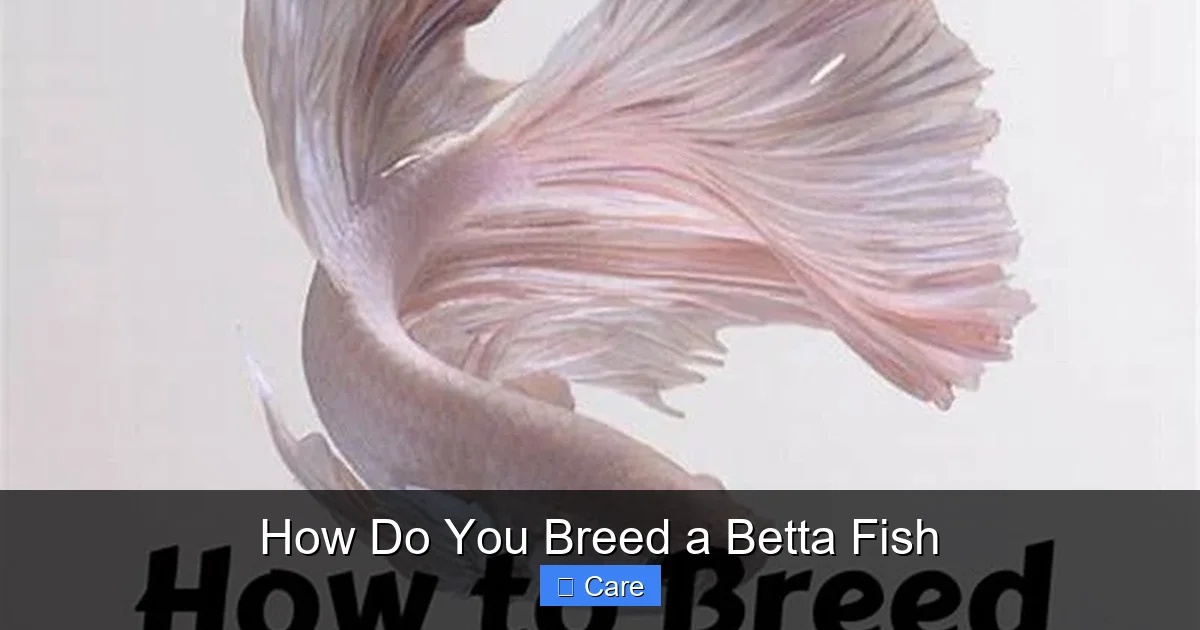
How Do You Breed a Betta Fish
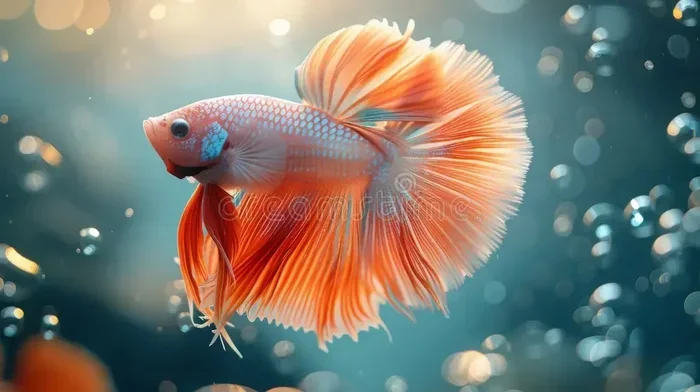
Breeding betta fish is a rewarding hobby that starts with the right tank, proper conditioning, and careful pair selection. Follow this friendly guide to discover how do you breed a betta fish, handle spawning, and raise healthy fry—all explained in simple, conversational language.
Key Takeaways
- Prepare a separate breeding tank: A 5‑gal tank with gentle filtration and low flow mimics a natural bubble nest environment.
- Condition both fish: High‑quality protein foods and stable water parameters boost spawning readiness.
- Identify sex correctly: Males have brighter fins and a broader head; females are fuller‑bodied.
- Manage the bubble nest: Keep it intact, protect it from disturbance, and remove the male after fry are free‑swimming.
- Feed fry appropriately: Start with infusoria, then graduate to microworms and finely crushed fry food.
- Maintain water quality: Frequent small water changes prevent ammonia spikes that can kill delicate fry.
- Patience pays off: Expect a learning curve; each breeding attempt teaches you more about your bettas.
📑 Table of Contents
- Introduction: Why Try Breeding Betta Fish?
- 1. Setting Up the Ideal Breeding Environment
- 2. Selecting and Preparing Your Breeding Pair
- 3. The Spawning Process: From Courtship to Fry
- 4. Raising Betta Fry: Feeding, Water Care, and Growth
- 5. Common Challenges and How to Overcome Them
- Conclusion: Your Roadmap to Successful Betta Breeding
Introduction: Why Try Breeding Betta Fish?
Betta fish, also called Siamese fighting fish, are famous for their dazzling colors and flamboyant fins. Most owners keep a single male for display, but many hobbyists wonder, “how do you breed a betta fish?” The answer is a blend of science, patience, and a touch of artistry. Breeding not only lets you create new color patterns, it also deepens your understanding of betta behavior and water chemistry.
In this guide we’ll walk you through every step—setting up the perfect breeding tank, conditioning your pair, recognizing the spawning process, and raising the tiny fry. The tone is casual, as if we were chatting over a cup of coffee, so you’ll never feel overwhelmed.
1. Setting Up the Ideal Breeding Environment
Choosing the Right Tank
The first question when you ask yourself “how do you breed a betta fish” is where to do it. A separate 5‑gallon (20‑liter) tank works best. It’s large enough for a male to build a bubble nest and for the fry to have space, yet small enough to keep water parameters stable.

Visual guide about How Do You Breed a Betta Fish
Image source: diyseattle.com
- Use a glass or acrylic tank with a lid (betas love to jump).
- Provide a gentle sponge filter or a small internal filter set to low flow; strong currents will destroy the bubble nest.
- Fill the tank with soft, slightly acidic water (pH 6.5‑7.0, temperature 78‑80°F / 25‑27°C).
For a quick refresher on water changes, see our article on how do you change a betta fish water.
Lighting and Plants
Dim lighting encourages the male to build a nest. A low‑intensity LED on a 12‑hour cycle works well. Live plants such as Java moss or Anubias provide hiding spots for the fry and help maintain water quality.
Adding a Bubble Nest Starter
Before introducing any fish, seed the tank with a few drops of water from a mature male’s existing tank. This introduces the right bacteria and often triggers the male to begin building a nest right away.
2. Selecting and Preparing Your Breeding Pair
How Do You Tell the Sex of a Betta Fish?
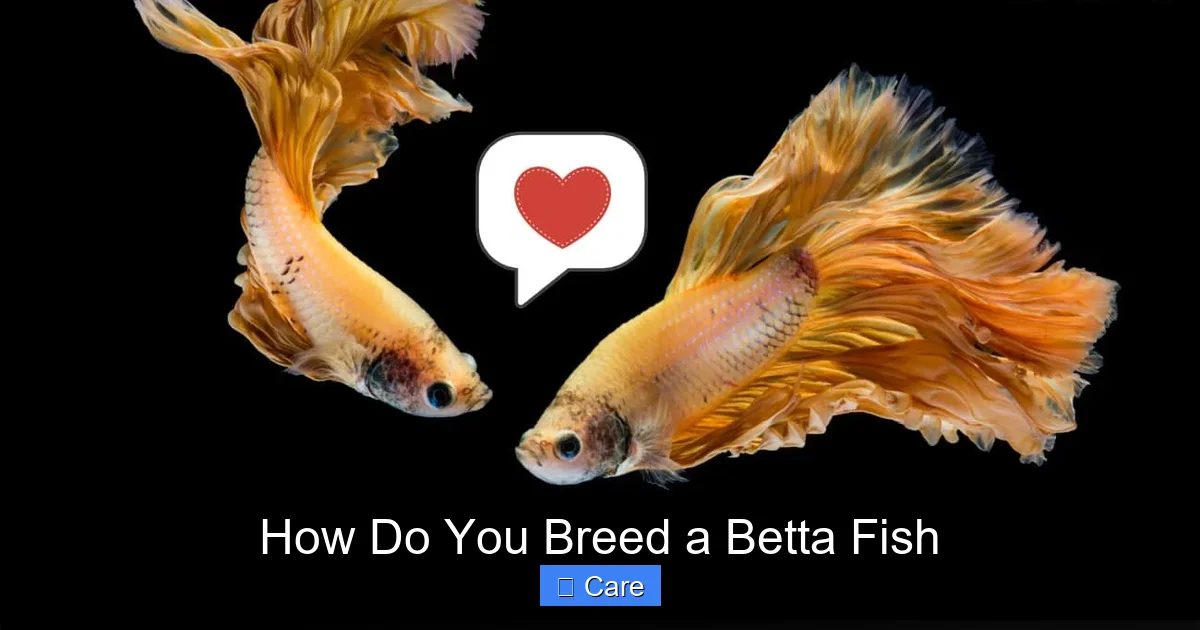
Accurate sex identification is crucial. Males typically have longer, more elaborate fins, a broader head, and a pronounced beard (rami). Females have shorter fins and a more rounded, fuller abdomen, especially when they are ready to spawn.
Visual guide about How Do You Breed a Betta Fish
Image source: buildyouraquarium.com
Read more about sex identification in our guide how do you tell the sex of a betta fish.
Conditioning the Pair
Condition both fish for at least two weeks before spawning. Feed them a varied diet high in protein: live or frozen brine shrimp, daphnia, and high‑quality betta pellets. This not only improves health but also stimulates breeding hormones.
For feeding details, check out how do you feed a betta fish. Aim for 2‑3 small meals per day, removing any uneaten food after a few minutes to keep water clean.
Acclimating the Fish
Place the male in the breeding tank first. Let him settle for 24‑48 hours, during which he should start building a bubble nest at the surface. After the nest appears, gently introduce the female in a clear breeding container (a small plastic cup with a lid). This allows you to watch their interaction without risking injury.
3. The Spawning Process: From Courtship to Fry
Understanding Courtship Behavior
When the male sees the female, he will flare his fins, flare his gills, and display intense color. He may also perform a “bubble dance,” releasing bubbles that float toward the surface. If the female is receptive, she will respond by darkening her body and swimming close to the male.

Visual guide about How Do You Breed a Betta Fish
Image source: diyseattle.com
Spawning and Egg Collection
Once the pair is ready, the male will wrap his body around the female’s vent, and she will release 200‑300 eggs. The male immediately scoops the eggs into the bubble nest. This whole act usually lasts 5‑10 minutes.
After spawning, carefully remove the female. She can become stressed or even bite the male if left together. Return the male to his nest and let him tend to the eggs for the next 48‑72 hours.
Incubation and Hatching
Betta eggs hatch in about 24‑36 hours, depending on temperature. The male continues to guard the nest, adding fresh bubbles and keeping the eggs aerated. Once the fry become free‑swimming (around day 3‑4), you can gently remove the male to prevent him from eating his offspring.
4. Raising Betta Fry: Feeding, Water Care, and Growth
First Foods: Infusoria
Newly hatched fry are only 1‑2 mm long and need microscopic food. Infusoria—tiny protozoa cultured from a piece of lettuce in a jar of water—are perfect. Feed the fry a few drops of infusoria 3‑4 times a day.
Graduating to Microworms and Brine Shrimp
After 5‑7 days, the fry can handle slightly larger prey. Offer microworms or newly hatched brine shrimp (no more than the size of their eyes). Feed small amounts to keep water quality high.
Water Maintenance for Fry
Fry are highly sensitive to ammonia. Perform daily 20‑30% water changes with pre‑conditioned water that matches the tank’s temperature. This practice mirrors the advice in our article on how to do a water change for betta fish.
Growth Milestones
- Day 7‑10: Fry develop visible dorsal and caudal fins.
- Week 3‑4: Their colors begin to show; you can start offering high‑quality betta fry food.
- Month 2: They are large enough to be transferred to a community tank (if you plan to keep them).
5. Common Challenges and How to Overcome Them
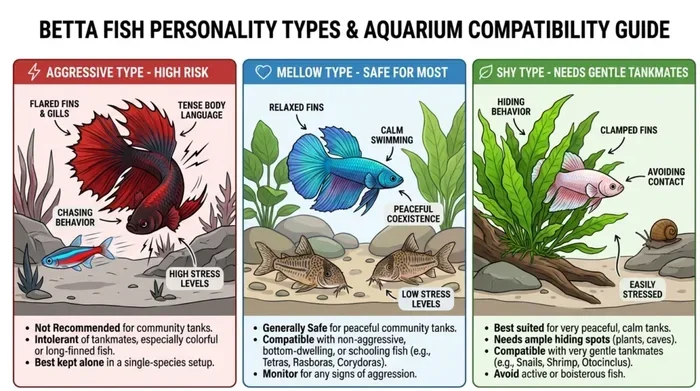
Male Aggression
Even after removing the female, some males may still be aggressive toward their fry. If you notice the male snapping at the fry, remove him immediately and place the fry in a separate rearing tank.
Water Quality Issues
Ammonia spikes are the number one cause of fry loss. Test the water daily with a reliable test kit and keep a close eye on temperature. Consistent small water changes are more effective than occasional large ones.
Fry Not Hatching
If eggs fail to hatch, check the temperature; it should stay between 78‑80°F. Also, ensure the male is still tending the nest—if he abandons it, the eggs may die.
Choosing Healthy Parents
Start with healthy, disease‑free bettas. Any signs of fin rot, ich, or unusual lethargy should disqualify a fish from breeding. A robust pair gives you the best chance of a successful spawn.
Conclusion: Your Roadmap to Successful Betta Breeding
Now you know exactly how do you breed a betta fish—from setting up a calm, low‑flow tank, conditioning your pair, watching the fascinating courtship dance, to raising the delicate fry with proper nutrition and water care. Remember, each breeding attempt teaches you something new. Keep notes, be patient, and enjoy the beautiful results of your effort. Happy breeding!
Frequently Asked Questions
What size tank is best for breeding bettas?
A 5‑gallon (20‑liter) tank provides enough space for a male, a bubble nest, and the fry while keeping water parameters easy to manage.
How long does it take for betta eggs to hatch?
Eggs typically hatch in 24‑36 hours, depending on water temperature (78‑80°F is ideal).
Can I use a community tank for betta fry?
It’s best to raise fry in a separate rearing tank until they are at least 2‑3 cm long to avoid predation.
Do I need to feed the male during the spawning period?
Yes. Continue feeding the male high‑protein foods to keep his energy up while he guards the nest.
How often should I change water in the breeding tank?
Perform daily 20‑30% water changes with pre‑conditioned water that matches the tank temperature.
What if the female refuses to spawn?
Make sure both fish are well‑conditioned, the water parameters are stable, and give them a few more days of acclimation before trying again.