How Much for Betta Fish
The total cost of owning a betta fish extends far beyond its purchase price. While a single fish can cost as little as $3 or as much as $50+, the essential tank setup typically runs $100-$300. Ongoing monthly costs for food, water treatment, and electricity add $5-$15. Properly budgeting for the complete ecosystem is crucial for your betta’s health and happiness.
So, you’ve fallen in love with the flowing fins and vibrant personality of the betta fish, also known as the Siamese fighting fish. You’re clicking through websites and strolling through pet store aisles, your heart set on bringing one of these aquatic jewels home. Then, the big question hits: how much for betta fish? It’s a perfectly reasonable question, but the honest answer is more complex than a simple price tag. The cost of betta fish ownership is a story of two parts: the captivating, low-cost star of the show, and the substantial, non-negotiable stage it needs to thrive. Welcome to the real talk about betta budgets.
Many people are shocked to learn that the fish itself is often the cheapest part of the entire equation. The image of a tiny, solitary fish in a small vase is a persistent myth that tragically underestimates both the creature’s needs and your financial responsibility. When you ask how much for betta fish, you’re really asking about the cost of a complete, miniature ecosystem. This guide will walk you through every penny you might spend, from the moment you consider adoption to the years of care that follow. We’ll separate marketing gimmicks from genuine necessities, helping you build a budget that prioritizes your betta’s welfare without breaking the bank.
Key Takeaways
- Purchase price varies widely: Betta fish can cost from $3 at a big-box store to $50+ for rare, show-quality specimens from breeders.
- The tank setup is the major initial expense: A proper 5+ gallon heated and filtered tank with decorations costs $100-$300, far more than the fish itself.
- Ongoing monthly costs are modest but essential: Budget $5-$15 monthly for high-quality food, water conditioner, and filter media.
- “Cheap” setups often lead to sick fish and higher vet costs: Cutting corners on tank size, heater, or filter is the most common cause of betta mortality.
- Adoption is a cost-effective and ethical option: Rescuing a betta from a shelter or rehoming site often includes a starter kit for a low fee.
- One-time vs. recurring costs: Separate the initial investment (tank, stand, equipment) from the perpetual expenses (food, utilities, replacement parts).
- Investing upfront saves money long-term: A larger, stable tank requires less maintenance and provides a healthier environment, reducing stress and disease.
📑 Table of Contents
The Price Tag on the Fish Itself: More Than Just a Number
Let’s start with the creature that sparked your interest. The initial purchase price of a betta fish has an astonishing range, and understanding this spectrum is your first step in budgeting. The variation isn’t random; it’s a direct reflection of genetics, breeder reputation, health, and even color rarity.
The Budget Spectrum: From Big-Box to Breeder
At the very lowest end, you’ll find bettas at large chain pet stores and some department stores. These fish are typically mass-produced in commercial farms, often in Southeast Asia. They are usually young, around 3-6 months old, and sold in tiny cups or containers. Prices here can start as low as $2.99 to $6.99. The major drawback is health and genetics. These fish are often stressed, may have minor injuries from shipping, and their long-term genetic health is unpredictable. Their colors are usually common varieties like red, blue, or simple veiltails.
Moving up the scale, you’ll find bettas at local fish stores (LFS) and larger aquarium specialty retailers. These stores often source from better breeders or importers who focus on healthier stock. Fish here are usually housed in slightly better conditions (often in partitioned tanks) and are more robust. Expect to pay $10 to $25 for a healthy, standard halfmoon or crowntail. You might find unique color patterns like koi or marble here as well.
The premium end of the market is reserved for show-quality bettas from dedicated, ethical breeders. These are fish with perfect, symmetrical fins, vibrant and extensive color coverage, and specific, desirable genetic traits. They are often imported from renowned Thai breeders or purchased from top-tier North American breeders. Prices for these specimens can range from $35 to $75 or more for a single fish. Some exceptionally rare or award-winning fish can command prices in the hundreds, but that’s for serious enthusiasts, not first-time owners.
The Critical Caveat: Where You Buy Matters
The purchase price is just the beginning, but where you acquire your betta has a huge impact on its starting health—and your future vet bills. A $3 fish from a stressed cup may have a hidden parasite or fungal infection that will cost you $50 in medication and potentially wipe out other tank inhabitants. A $20 fish from a reputable store that’s been kept in a heated, filtered quarantine system is a much sounder investment. Always inspect a betta before buying: its fins should be whole (no torn or blackened edges), its body should be smooth and unblemished, its eyes should be clear, and it should be actively and gracefully swimming, not listlessly floating or sinking. A healthy betta is curious and will flare at your finger.
The Essential Tank Setup: Where the Real Money Is
Here is the single most important financial truth you will learn: the betta fish itself is not the main cost; providing a proper, species-appropriate home is. The persistent myth of the betta in a vase or tiny bowl is not just cruel; it’s a financial trap that leads to a dead fish and wasted money. A proper setup is an upfront investment that pays dividends in your pet’s health and your enjoyment.
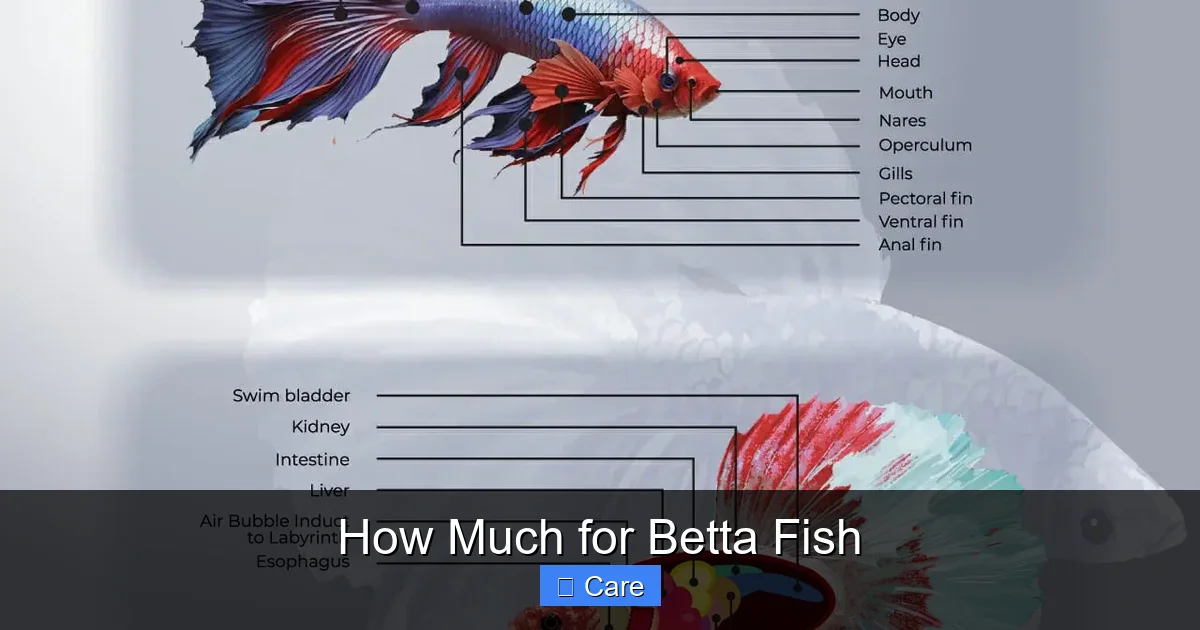
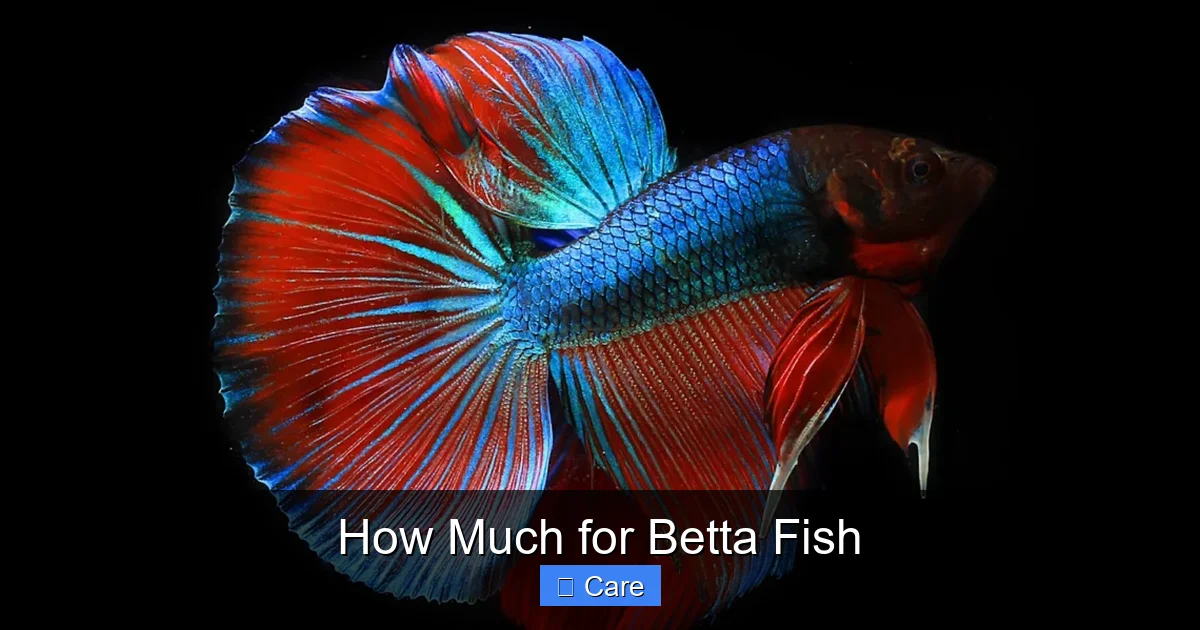
Visual guide about How Much for Betta Fish
Image source: ekk4j69ebaa.exactdn.com
The 5-Gallon Minimum: Non-Negotiable Space
The absolute minimum tank size for a single betta is 5 gallons. This is not an opinion; it is the consensus of modern aquatic veterinary medicine and experienced hobbyists. Why? Stability. A larger volume of water is more resistant to dangerous temperature and water quality swings. It gives your betta room to swim, explore, and display natural behaviors. You simply cannot maintain stable, clean water in a 1-gallon vase. A 5-gallon tank kit (including filter, lid, and light) from a major brand typically costs $60 to $120. You can often find better value by purchasing a standard glass tank ($30-$50) and components separately.
The Heater: A Life-Saving Necessity
Betttas are tropical fish from the warm waters of Thailand. They require a consistent water temperature between 78°F and 80°F (25.5°C – 26.5°C). Room temperature is almost always too cold and cool, which slows their metabolism, suppresses their immune system, and leads to lethargy and disease like dropsy. A fully submersible, adjustable aquarium heater is mandatory. For a 5-gallon tank, a 50-watt heater is perfect. Quality brands like Aqueon, Eheim, or Fluval cost $15 to $30. Never use a “tetra” or preset heater for a betta tank; you need precise control.
Filtration: Gentle but Effective Cleaning
Betttas have long, delicate fins that can be shredded by strong water flow. You need a filter that cleans the water but creates a gentle current. Sponge filters (powered by an air pump) are the gold standard for bettas—they provide excellent biological filtration and zero current. A complete sponge filter setup (filter, air pump, airline tubing, check valve) runs $20 to $40. Hang-on-back (HOB) filters can work if you baffle the outflow with a sponge or create a water barrier, costing $25 to $50. Avoid undergravel filters and anything with a strong impeller.
Substrate, Décor, and Plants: Creating a Comfortable Home
This is where personal style meets functional need. You need at least 1-2 inches of substrate. Smooth gravel or sand is ideal and costs about $1-$2 per pound. A 5-gallon tank needs roughly 10-15 pounds. Décor serves two purposes: hiding places to reduce stress and breaking up line-of-sight to prevent boredom. Smooth, non-porous ornaments (ceramic, plastic) are safe. Live plants are highly recommended—they help absorb nitrates, provide resting spots near the surface, and improve water quality. A few beginner-friendly plants like Anubias, Java Fern, or Marimo moss balls cost $5-$15 each. A budget-friendly and excellent option is to use a few clean, aquarium-safe driftwood pieces and smooth river rocks (from a pet store, not the backyard, which can alter pH). Budget $30 to $100+ for this section, depending on your taste.
Water Conditioning and Testing: The Chemistry Kit
Tap water contains chlorine, chloramines, and heavy metals toxic to fish. You must use a water conditioner/dechlorinator like Seachem Prime or API Stress Coat+ every time you do a water change. A bottle costs $8-$15 and lasts for months. To monitor the health of your tank, a liquid test kit (for ammonia, nitrite, nitrate, pH) is essential. The API Freshwater Master Test Kit is the industry standard at $25-$35. Do not rely on test strips for accuracy. These are one-time purchases for the first setup, but you will replace the conditioner and test kit reagents over time.
Total Initial Setup Cost Estimate: Adding up a mid-range 5-gallon tank, heater, sponge filter, substrate, basic décor, plants, conditioner, and test kit, you’re looking at a starting range of $150 to $300+. This is the reality behind how much for betta fish. The fish is a $10 addition to a $200 project.
Ongoing Monthly and Yearly Costs
Once your tank is cycled and running, the recurring costs are relatively low but must be budgeted for. These are the costs of keeping the ecosystem stable.
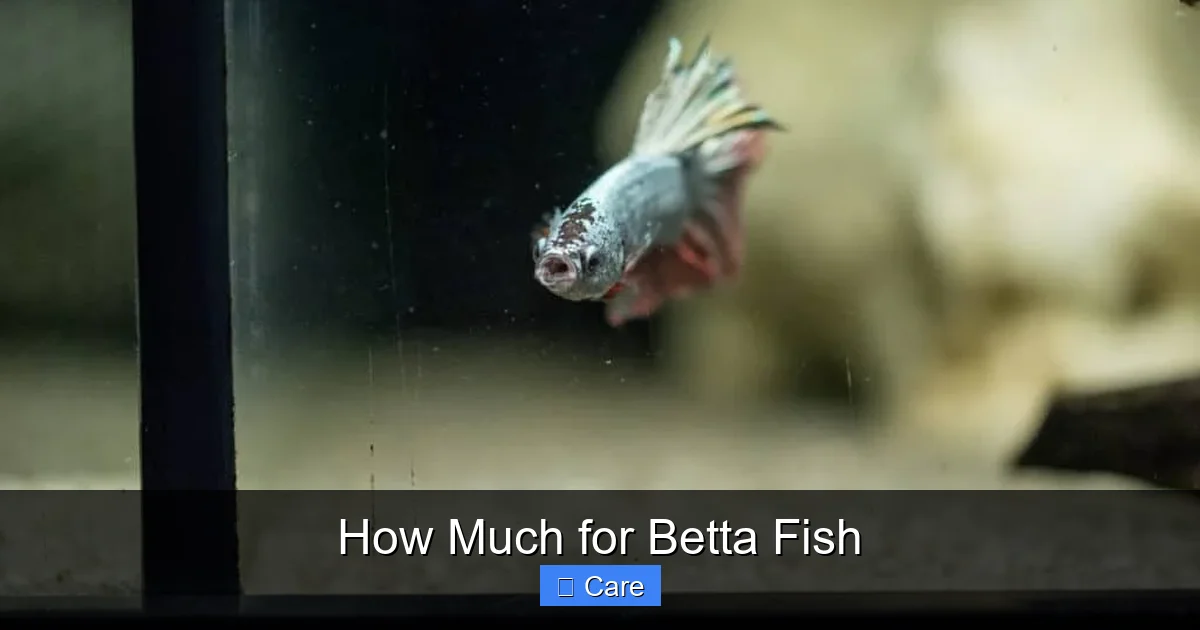
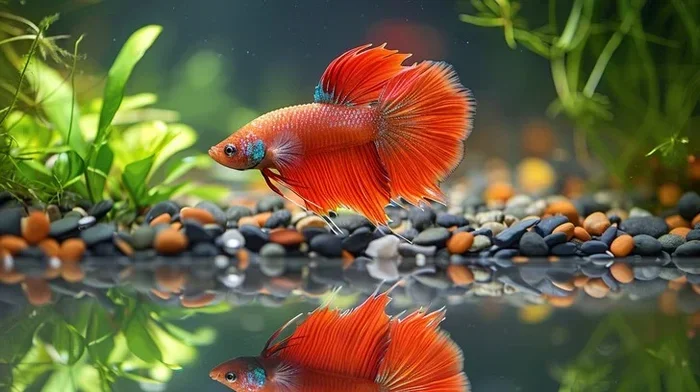
Visual guide about How Much for Betta Fish
Image source: aquariadise.com
Food: Quality Over Quantity
Bettas are carnivores. Their diet should be high in protein. A staple of a high-quality pellet (like New Life Spectrum, Hikari Betta Bio-Gold) is essential. A small container lasts for months. Supplement with frozen or freeze-dried treats (bloodworms, daphnia) 2-3 times a week. Monthly food cost is negligible—$2 to $5. Never overfeed; a betta’s stomach is the size of its eye. Two pellets, once or twice a day, is plenty.
Utilities: The Hidden Cost of Heat and Light
Your heater will run 24/7. A 50-watt heater uses about 1.2 kWh per day. At a national average of 16¢/kWh, that’s roughly $0.19 per day, or about $5.70 per month. Your tank light, if used 8-10 hours a day, adds another $0.50 to $1.50 per month. So, budget an extra $6-$8 monthly for electricity.
Maintenance Supplies: Filter Media and Conditioner
Sponge filter media (the sponge itself) lasts for years but should be rinsed in old tank water (never tap water) monthly. You’ll eventually need to replace it, costing $5-$10 every 1-2 years. Water conditioner is used at every water change (weekly for a 5-gallon). A bottle lasts for many months, so amortize it at $1-$2 per month.
Potential Veterinary Care
This is the wild card. A well-maintained tank with a proper diet greatly reduces disease risk. However, bettas can get sick. Common issues like fin rot, ich, or swim bladder disorder may require medication. A basic medication kit (Methylene Blue, Kanamycin, Epsom Salt) costs $20-$40 and can treat many ailments. For a severe or persistent issue, a vet visit for an exotic pet can range from $50 to $200+. Setting aside $10-$20 monthly in a “pet health fund” is a wise precaution.
Total Recurring Monthly Cost Estimate: Food ($3) + Utilities ($7) + Supplies ($2) + Health Fund ($15) = a realistic budget of $15 to $30 per month.
Hidden Costs and Common Pitfalls
Even with careful planning, unexpected expenses can arise. Being aware of these helps you avoid budget-busting surprises.
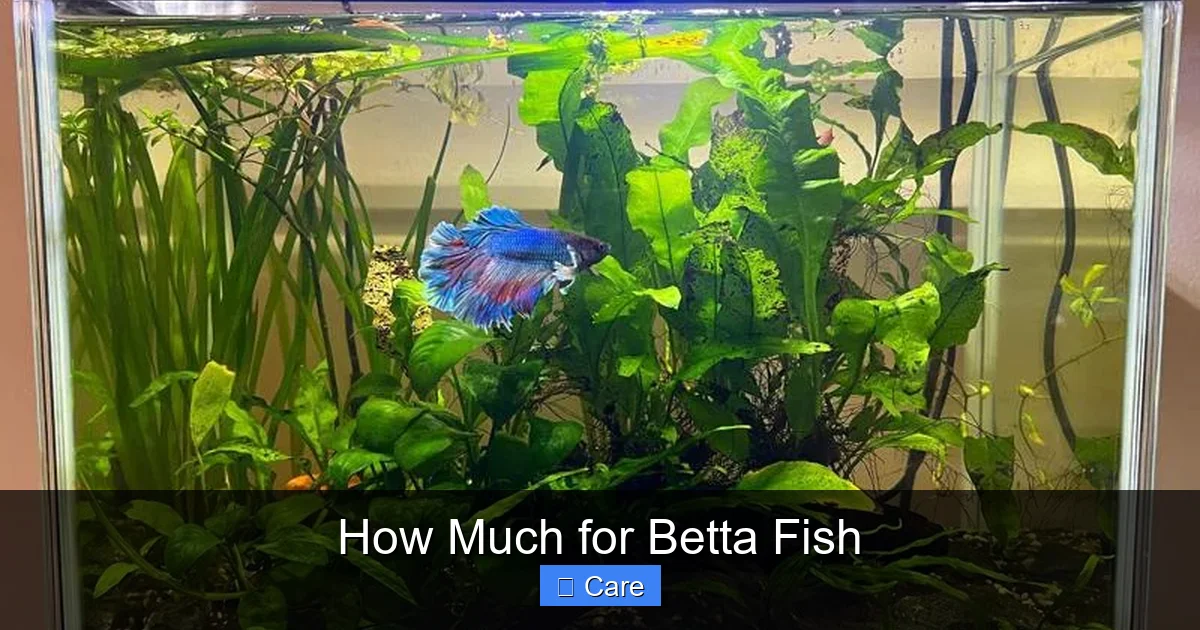
Visual guide about How Much for Betta Fish
Image source: ouraquariumlife.com
The “Starter Kit” Trap
Big-box stores sell “betta kits” or “bowl kits” with a tiny tank, a plastic plant, and a packet of food. These are often sold for $15-$30. They are a terrible investment. The tank is too small, the “filter” is ineffective, and the “heater” (if included) is usually a dangerous, unregulated pad. You will spend more money later replacing every single component. It is almost always cheaper to buy a proper tank and equipment separately from the start.
Emergency Equipment
What if the power goes out for days in winter? A battery-powered air pump ($15-$25) can provide life-saving oxygen and water movement. A small, portable USB-powered air pump can also work. A backup heater or a way to insulate the tank (like a blanket or Styrofoam box) is wise for cold climates. These are one-time purchases for peace of mind.
Replacing Décor and Plants
Live plants may melt and need replacing. Plastic plants can fade or break. Silk plants are a good middle ground. Budget a small amount annually for refreshing the aquascape.
The “It Looked Fine” Disease
That $3 betta from the cup may seem okay for a week, then develop a severe case of fin rot because it was already stressed and immunocompromised. The cost of diagnosing and treating a disease that has spread or become systemic can far exceed the price of a healthy fish from a good source. This is the ultimate hidden cost of a cheap purchase.
Smart Budgeting: How to Save Money Without Sacrificing Care
You can absolutely provide a five-star home for your betta on a reasonable budget. The key is to prioritize and get creative.
Prioritize the Big Three: Tank, Heater, Filter
Do not compromise on these. A 5-gallon tank, a quality adjustable heater, and a gentle filter are the foundation. This is where you spend the bulk of your initial budget. You can save on everything else.
Buy Used, But Be Discerning
Local fish club forums, Facebook Marketplace, and Craigslist are goldmines for gently used equipment. You can often find a complete 10-gallon tank with a filter and heater for $50-$80. Inspect carefully for cracks. Clean everything thoroughly with vinegar and water before use. Used sponge filters are fantastic. Avoid used heaters unless you know they work perfectly, as a malfunctioning heater can cook or chill your fish.
Embrace DIY and Natural Elements
You don’t need expensive branded ornaments. Clean, smooth river rocks from a pet store (not your yard) are beautiful and free of parasites. A single, large piece of clean driftwood provides intrigue and tannins that can benefit water quality. For plants, a small Anubias on a piece of driftwood is a durable, low-maintenance centerpiece. You can even grow Pistia stratiotes (water lettuce) on the surface, which your betta will love and which helps absorb nitrates—just be prepared for it to multiply quickly.
Shop Sales and Generic Brands
Buy test kit reagents and conditioner in larger bottles for a better per-ounce price. Watch for sales at major online retailers. For food, reputable generic brands at pet stores can be excellent. Always check the ingredient list—the first few ingredients should be whole fish or fish meal.
The Ultimate Savings: Adopt, Don’t Shop
This is the most impactful way to save money and do good. Betta fish are among the most commonly abandoned pets. Rescue organizations, local shelters, and dedicated rehoming groups (on Facebook, for example) often have bettas in need. Adoption fees are typically $10-$25 and usually include the fish in its current container, sometimes with food or a small filter. You are saving a life and often getting a starter kit. The fish is usually older and hardier, having survived previous homes. This is the most ethical and often most economical choice.
Conclusion: The Real Value of a Betta
So, how much for betta fish? The honest, complete answer is this: the fish itself can cost anywhere from $3 to $75+, but the responsible investment to provide it with a healthy, stimulating life starts at about $150-$300 for the initial setup and requires a recurring budget of $15-$30 per month. Viewing a betta as a “cheap pet” is a path to heartbreak and a wasted investment. Viewing it as a commitment to a living being in a fragile, closed world changes everything.
The value you receive for that investment is immense. A properly housed betta is a source of endless fascination. It will learn your face, flare at its reflection, build a bubble nest, and gracefully navigate a planted underwater garden. It will live for 3-5 years, sometimes more, becoming a serene presence in your home. The initial cost fades into memory, but the joy of watching a healthy, active betta thrive in the beautiful home you created for it is a daily reward that far outweighs the price tag. Do your research, budget wisely, prioritize welfare over shortcuts, and you’ll find that the true cost of a betta fish is measured not in dollars, but in the years of peaceful companionship it provides.
Frequently Asked Questions
What is the absolute minimum I can spend on a betta fish setup?
While you can find a 2.5-gallon tank for $30, a basic sponge filter for $15, and a heater for $15, this still totals around $60 before substrate and décor. However, this is an absolute bare minimum and is not recommended for long-term health. A truly responsible minimum starts at $100-$150 for a proper 5-gallon setup with all essentials.
Is it cheaper to buy a betta online or in person?
It can be, but with major caveats. Online breeders can ship high-quality fish for $30-$60 including shipping, but the risk of shipping stress and mortality is high. Local fish stores allow you to inspect the fish’s health firsthand, which is invaluable for a beginner. The cheapest option (big-box stores) carries the highest risk of hidden health costs.
Do I really need a filter and heater if my room is warm?
Yes, absolutely. Room temperature fluctuates dramatically between day and night and with the seasons. A betta needs a stable 78-80°F. A heater provides that stability. A filter is not just for clarity; it houses beneficial bacteria that process toxic fish waste (ammonia). Without it, ammonia will poison your fish in a matter of days or weeks, even with frequent water changes.
Can I keep a betta in a vase with a peace lily as the “filter”?
No. This is a fatal myth. A plant’s roots in a vase do not filter water for a fish. The water will quickly become fouled with ammonia. The vase is far too small, the water will be cold and stagnant, and the betta will become severely stressed and sick, typically dying within weeks. Do not attempt this.
How much does it cost to euthanize a sick betta fish?
The most humane method (clove oil overdose) costs about $5-$10 for a small bottle from a pharmacy or online. However, many betta owners find the emotional cost is the hardest part. This is why investing in proper prevention—a good tank, clean water, and a quality diet—is so crucial. It avoids the painful decision and financial cost of end-of-life care.
Are male or female bettas more expensive to care for?
No. The cost of care is identical. Both require the same tank size, heater, filter, and food. The only minor difference is that females can sometimes be housed in a carefully selected sorority (group of 4-5+) in a larger, heavily planted tank (10+ gallons), which has a higher initial setup cost but the same per-fish cost as a single male. Males must always be housed alone.