Do Betta Fish Get Lonely
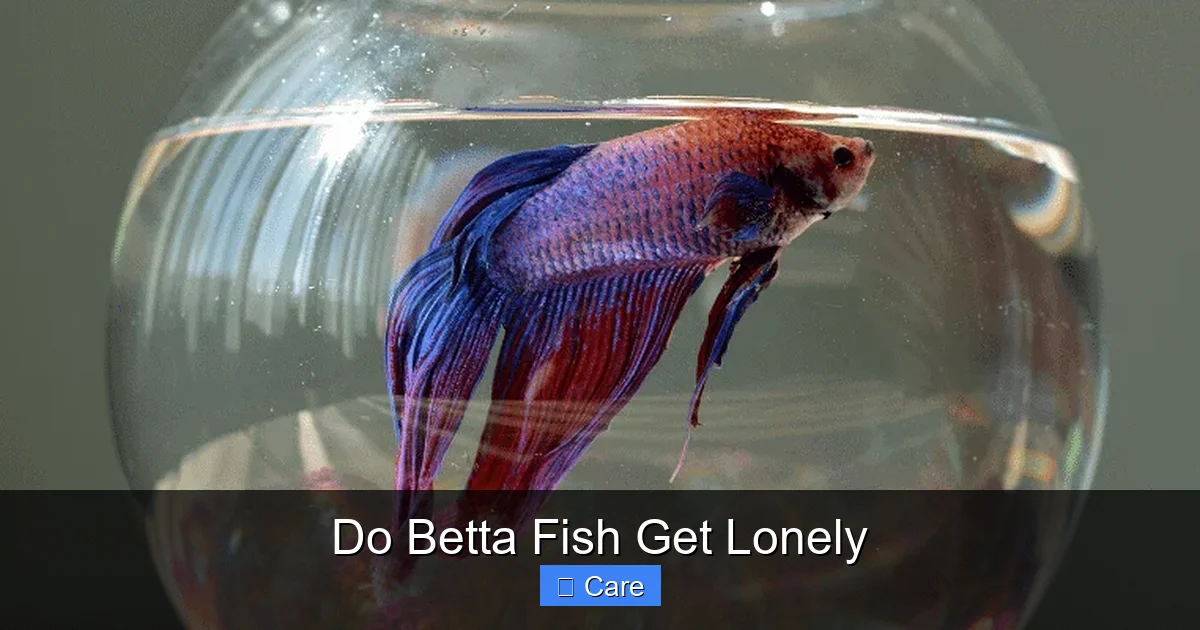
Betta fish are naturally solitary and territorial, not social like schooling fish. They don’t get “lonely” in a human sense but can suffer from boredom and stress in an unstimulating environment. The key to a happy betta is a spacious, richly decorated tank that encourages natural exploration and provides security, not necessarily a roommate. Proper care focuses on environmental enrichment over companionship.
Key Takeaways
- Bettas are solitary by nature: Their evolutionary history in shallow, resource-scarce Asian rice paddies made them fiercely territorial and solitary, not social.
- Loneliness ≠ Boredom: A betta won’t pine for a friend, but a barren tank causes boredom, stress, and listlessness, which is often mistaken for loneliness.
- Tank size is non-negotiable: A minimum of 5 gallons is essential for a single betta to provide swimming space and stable water parameters.
- Enrichment is the antidote: Live plants, hiding spots, varied textures, and gentle currents mimic their natural habitat and prevent lethargy.
- Tank mates are high-risk, high-reward: Only specific, peaceful, fast-moving fish in a large, heavily planted tank (20+ gallons) have a chance of success; aggression is common.
- Watch for stress, not sadness: Signs like faded colors, clamped fins, and hiding indicate poor water quality or stress, not emotional loneliness.
- Your interaction matters: While not a substitute for a proper environment, gentle target training and observation provide mental stimulation and strengthen your bond.
📑 Table of Contents
- The Great Betta Debate: Solitude or Social?
- Understanding Betta Behavior: A History of Solitude
- The Antidote to Boredom: Creating a 5-Star Betta Habitat
- Is My Betta Lonely, Bored, or Just Normal? Reading the Signs
- Tank Mates: A High-Risk, Often Unnecessary Gamble
- Debunking the Myths: “Betta Bowls” and “They Need Friends”
- Your Role: Interaction and Observation as Enrichment
The Great Betta Debate: Solitude or Social?
You’ve seen them, haven’t you? Those tiny, brilliantly colored fish swimming in little glass cups on a store counter. The betta fish, or Siamese fighting fish, is often sold as a low-maintenance pet that thrives in isolation. But then you hear the whispers from other aquarists: “He looks so lonely in there by himself.” It tugs at your heart. You start to wonder, do betta fish get lonely? It’s a profound question that gets to the very heart of responsible pet ownership. The answer, as with most things in the fish-keeping world, is beautifully complex and not as simple as a yes or no. It forces us to look beyond our own human emotions and into the fascinating, instinct-driven world of Betta splendens.
This misconception—that a betta needs a friend—is one of the most persistent and potentially harmful myths in the hobby. It stems from projecting our own social needs onto an animal whose entire biology is designed for solitude. To truly answer whether betta fish get lonely, we must first redefine what we mean by “lonely.” In human terms, loneliness is a distressing feeling arising from a lack of desired social connection. Fish, with a brain structure and consciousness vastly different from ours, do not experience emotion in this nuanced, psychological way. What they *do* experience is stress, boredom, fear, and contentment based entirely on their immediate environment and instincts. So, the real question becomes: can a solitary betta in a well-set-up tank be stressed, bored, or unfulfilled? And the emphatic answer is yes. But the solution is almost never finding it a tank mate. The solution is becoming a better habitat architect.
Understanding Betta Behavior: A History of Solitude
The Wild Betta: A Life of Calculated Isolation
To understand the captive betta, we must journey to the muddy, shallow rice paddies, ditches, and slow-moving streams of Thailand, Cambodia, and Vietnam. This is the ancestral home of Betta splendens. Here, resources—shelter, food, breeding spots—are often scarce and patchily distributed. A male betta’s entire existence is built around defending a small, resource-rich territory (a clump of plants, a shaded root system) from rival males. They are not schooling fish; they are solitary territorialists. Their famous aggression isn’t just about fighting; it’s a survival strategy to secure the limited resources needed to live and reproduce. A wild betta’s life is one of cautious patrol, explosive displays to warn off intruders, and quiet periods of rest within its secured domain. It is not, by any natural design, a life spent in the constant company of conspecifics (other bettas).
Visual guide about Do Betta Fish Get Lonely
Image source: japanesefightingfish.org
The Labyrinth Organ: A Breath of Independence
Another key to their solitary success is their unique anatomy: the labyrinth organ. This specialized structure allows them to gulp air from the surface, meaning they are not solely dependent on oxygen dissolved in the water. This adaptation lets them survive, even thrive, in the warm, oxygen-poor, stagnant waters where other fish cannot. This physiological independence supports a lifestyle where they don’t need to be part of a school for foraging efficiency or predator avoidance. They are, in essence, built to be alone.
This is the critical context. When we ask if our pet betta is lonely, we are asking if it misses the company of others. Based on its evolutionary blueprint, the answer is almost certainly no. What it *does* need is a territory that is secure, stimulating, and large enough to express its natural behaviors—flaring, exploring, bubble-nest building (for males), and resting. A tiny, barren tank denies these behaviors, leading to the listless, depressed fish we might misinterpret as loneliness.
The Antidote to Boredom: Creating a 5-Star Betta Habitat
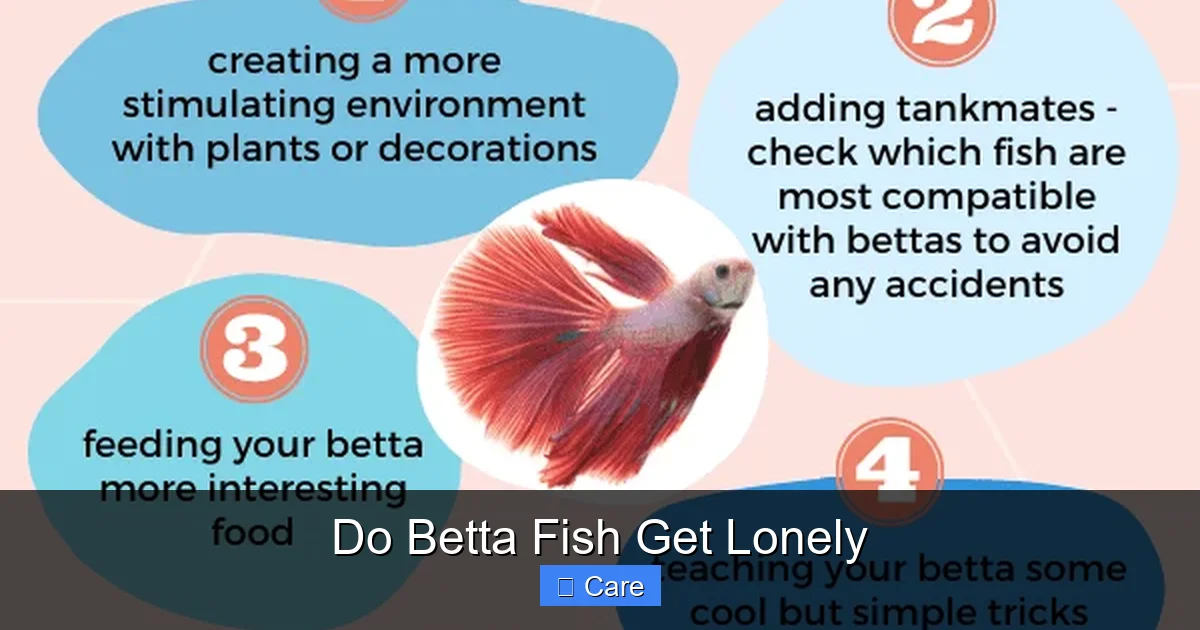
If companionship isn’t the answer, what is? The answer is environmental enrichment. This is the single most important factor in betta welfare. A properly enriched tank isn’t just a container of water; it’s a dynamic landscape that challenges the betta’s senses and allows for natural behaviors. Think of it this way: would you be happy living in a bare, white room with nothing to do? Your betta feels the same way in a bare bowl. Let’s build a world for them.
Visual guide about Do Betta Fish Get Lonely
Image source: japanesefightingfish.org
Tank Size: The Foundation of Everything
This cannot be stressed enough. The ubiquitous “betta bowl” is a monument to poor welfare. A minimum of 5 gallons (19 liters) is the absolute starting point for a single betta. Why such a jump from a half-gallon bowl? Several reasons. First, water volume dilutes toxins (ammonia, nitrites), creating a more stable, less stressful environment. Second, it provides actual swimming space. Bettas are active, curious fish that enjoy patrolling a territory. In a tiny bowl, they are forced to swim in constant circles, a sign of severe stress and boredom. Third, it allows for a proper filter and heater, both non-negotiable for health. A larger tank is easier to maintain, has more stable temperature and water chemistry, and simply gives your fish a better quality of life. If you can manage 10 gallons or more, your betta will thrive in ways you can observe daily.
Aquascaping for a Fulfilled Fish: Decor, Plants, and Hiding Spots
Now for the fun part: decorating! The goal is to create a complex, varied landscape.
- Plants (Live or Silk): This is your #1 tool. Live plants like Anubias, Java Fern, Cryptocorynes, and Marimo Moss Balls are fantastic. They improve water quality, provide grazing grounds for micro-fauna, and have a soft texture bettas love to rest on. If live plants are daunting, high-quality silk plants are a perfect substitute. Avoid plastic plants with sharp edges—they can damage delicate betta fins. Dense planting along the back and sides creates a sense of security and breaks up sight lines, reducing the stress of seeing everything at once.
- Hardscape & Hiding Spots: Use driftwood (like mopani or Malaysian), stone caves, and ceramic or PVC tubes. These provide essential territory markers, resting places, and bolt-holes. A betta will often claim a specific cave or log as its primary resting spot. Ensure all decor is aquarium-safe, with no sharp points or rough edges. Sand or smooth, rounded gravel is best for the substrate.
- Floating Elements: A betta’s natural habitat has a lot of surface cover. Use floating plants (like Frogbit or Water Lettuce) or a betta leaf hammock. This gives them a place to rest near the surface, where they naturally breathe air, and mimics the dappled light of their wild home. It also makes them feel secure from above.
Lighting and Flow: Setting the Mood
Bettas prefer subdued lighting. Intense, bright lights mimic open water and can be stressful. Use a low to moderate intensity LED light, and if using live plants, choose ones that thrive in lower light. The filter flow is crucial. Bettas have long, flowing fins and are weak swimmers. A strong current exhausts them and stresses them out. Use a sponge filter (which also provides gentle surface agitation for gas exchange) or a hang-on-back filter with a flow diffuser. You should see your betta able to swim against the current without being pushed around. A calm tank is a happy tank.
Is My Betta Lonely, Bored, or Just Normal? Reading the Signs
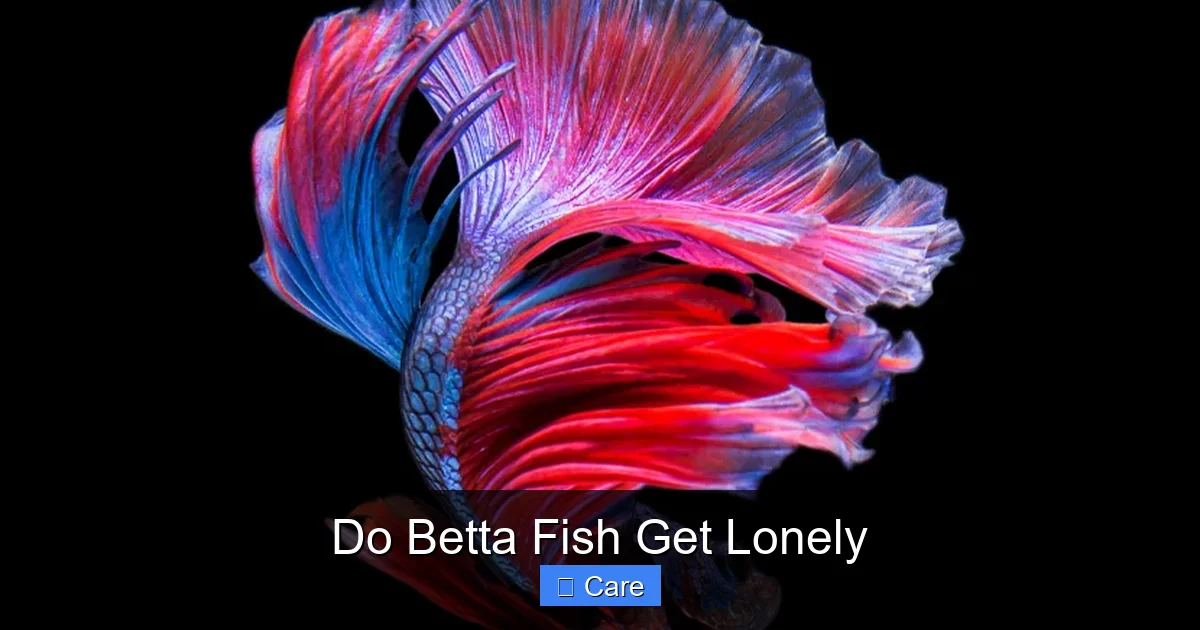
Now, equipped with knowledge of their natural state, we can interpret betta behavior accurately. A healthy, enriched betta is a curious, interactive, and vibrant creature. Its fins are held high and proud, its colors are sharp and bright, and it actively explores its territory, occasionally flaring at its reflection or a new decoration. When things go wrong, the signs are often subtle but consistent.
Visual guide about Do Betta Fish Get Lonely
Image source: japanesefightingfish.org
The “Lonely” Behaviors (And Their Real Causes)
- Lethargy and Constant Hiding: If your betta spends all day wedged in the back of a cave or listlessly hovering at the bottom, this is a major red flag. This is not loneliness; it is almost always a sign of poor water quality (high ammonia/nitrite), incorrect temperature (below 78°F/25.5°C), illness (like velvet or dropsy), or overwhelming stress from a too-bright, too-bare, or too-noisy environment. Check your water parameters first with a liquid test kit.
- Lack of Flaring or Interest: A betta that doesn’t react to its reflection, a new object, or your movement outside the tank may be depressed or ill. Again, this points to an inadequate environment or health issue, not a desire for a fish friend.
- Appetite Loss: A healthy betta is a eager eater. A sudden disinterest in food is a universal sign of stress or sickness in fish. Rule out water quality and temperature issues immediately.
The Happy, Enriched Betta
Contrast the above with a betta that: actively patrols its territory, rests on a leaf or hammock, builds a bubble nest (males), flares playfully at you or its reflection, comes to the front of the tank when you approach, and displays vibrant, iridescent colors. This fish is not lonely. It is content, secure, and mentally stimulated. It has everything it needs: a safe space to call its own, things to explore, and a stable home. The goal is to achieve this state, not to introduce a risky tankmate based on a human emotion.
Tank Mates: A High-Risk, Often Unnecessary Gamble
This is the section everyone wants to read. “Can’t I just get my betta a friend?” The short, painful answer for most hobbyists is: it’s rarely a good idea and often ends in tragedy. The “success stories” you see online are the result of meticulous planning, massive tanks, and careful species selection—conditions the vast majority of betta keepers cannot or will not provide. Introducing another fish to a betta’s territory is not making a friend; it is introducing an intruder into its home.
Why It’s So Difficult: The Betta’s Nature
Remember, bettas are solitary territorialists. They see any fish with long, flowing fins (like guppies, fancy goldfish, other bettas) as a rival male betta and will attack. They see small, slow-moving fish as food. Their default mode is aggression, not curiosity. For a tank mate to survive, it must be: 1) Non-threatening: No bright colors or long fins. 2) Non-prey-like: Fast, agile, and too big to eat (or too small to be noticed, which is also risky). 3) Needing different space: A fish that occupies a different level of the tank (top-dwellers can be problematic as they invade the betta’s breathing space).
The “Possible” Tank Mate List (With Major Caveats)
For a heavily planted 20+ gallon tank with a mild-mannered betta (you must know your betta’s personality first!), some aquarists have had limited, monitored success with:
- Small, fast schooling fish: Neon Tetras, Ember Tetras, Harlequin Rasboras. The idea is the school moves too fast for the betta to single one out, and they stay in the mid-to-upper levels. But a curious or aggressive betta will pick them off one by one.
- Bottom-dwellers: Kuhli Loaches, Corydoras Catfish. They occupy a different niche and have armored plates. They are social and need to be kept in groups (6+), which adds bioload.
- Snails & Shrimp: This is the safest “companion.” Nerite Snails, Mystery Snails, and Amano Shrimp are generally ignored as cleanup crew. Ghost or Cherry Shrimp are at high risk of being eaten, especially by a larger betta. They are more for tank maintenance than companionship for the betta.
The Crucial Introduction Process
If you are determined to try after months of observing your peaceful betta in a large, planted tank:
- Quarantine the new fish for at least 4 weeks to prevent disease introduction.
- Use a divider or acclimation box in the main tank for initial days, allowing them to see but not touch.
- Observe relentlessly for signs of chasing, flaring, or fin nipping. Have a backup plan (a second tank) ready to remove the tank mate immediately if stress occurs. The betta’s stress is the primary concern.
The truth is, a properly set-up single-species betta tank is almost always the kindest, safest, and most enriching choice. Your betta will not miss what it never knew. It will thrive as the sole, majestic ruler of its well-appointed kingdom.
Debunking the Myths: “Betta Bowls” and “They Need Friends”
Myth 1: “Betta Bowls Are Perfect for Them Because They Live in Small Puddles in the Wild.”
This is a gross misunderstanding of their wild habitat. Yes, they live in shallow waters, but these are vast, interconnected systems of rice paddies, ditches, and streams that can cover acres. They are not isolated in a cup. These environments are teeming with plants, insect life, hiding spots, and have stable, warm temperatures. A small, static bowl is the antithesis of this—it’s a tiny, toxic prison with no enrichment. The “puddle” myth is a marketing tool, not a biological fact.
Myth 2: “My Betta Looks Lonely, So It Must Be Lonely.”
As detailed above, what you are seeing is likely boredom or stress from poor husbandry. A betta in a 5-gallon planted tank with a friend to interact with (you!) will be vibrant. A betta in a 1-gallon bowl with no decorations will be listless, regardless of whether another fish is present. The solution is to improve the environment, not to compound the problem by adding another stressed animal to an already inadequate setup.
Myth 3: “Two Female Bettas Can Live Together (A Sorority).”
This is an advanced, high-maintenance setup, not a beginner option. Female bettas are also territorial, though less intensely so than males. A successful sorority requires a minimum of 40-50 gallons, at least 5-7 females introduced simultaneously to a bare tank (to prevent established territories), and massive amounts of plants and hiding spots to break lines of sight. Even then, aggression and fatalities are common. It is a carefully managed community, not a simple “they’ll be friends.” For 99% of keepers, single females are the only ethical choice.
Your Role: Interaction and Observation as Enrichment
You are a permanent, immovable part of your betta’s environment. Your interaction is a powerful form of enrichment. Bettas are intelligent and can learn.
- Target Training: Use a small stick or even your finger (after washing hands!) and a food reward (a tiny piece of pea or a bloodworm) to teach your betta to follow it. This provides mental stimulation.
- Mirror Time (Use Sparingly): Holding a small mirror up to the tank for a minute or two allows your betta to flare, which is excellent exercise and expression of natural behavior. But do not leave a mirror in the tank permanently, as constant flaring is stressful.
- Routine and Observation: Feed at the same times each day. Watch your fish. Learn its favorite resting spots, its active patrol times (often morning and evening), and its normal behavior. You are the ultimate enrichment tool because you are a consistent, non-threatening part of its world. This bond is what matters most.
Remember, the goal is not to make your betta a social butterfly. The goal is to provide a life where its solitary nature is respected and its instinctual behaviors are fully expressed. That is the definition of welfare. That is the answer to the unspoken question of “do betta fish get lonely?” They don’t need a friend. They need a home that respects the fish they are.
Frequently Asked Questions
Can I keep a male and female betta together?
No, never permanently. They are intensely territorial and will fight, often to the death. The only time they are briefly together is for controlled breeding under expert supervision, and even then, the male may see the female as an intruder.
My betta just sits at the bottom all day. Is it lonely?
This is almost never loneliness. It is a classic sign of poor water quality, incorrect temperature, illness, or severe stress from a barren tank. First, test your water for ammonia, nitrite, and nitrate. Ensure your heater is working and the temperature is 78-80°F (25.5-26.5°C). Then, assess your tank’s enrichment.
Is it cruel to keep a betta alone?
No, it is not cruel; it is correct. Bettas are solitary animals. Keeping a single betta in a spacious, clean, and enriched tank is the best possible life for it. Forcing it to live with incompatible tank mates in a constant state of fear and aggression is the truly cruel option.
What is the absolute minimum tank size for a betta?
The absolute, bare-minimum for a healthy, stable betta is a 5-gallon (19-liter) tank with a filter and heater. Anything smaller (bowls, vases, nano cubes) leads to rapid water deterioration, temperature swings, and a stressed, unhealthy fish. Many experts now recommend 10 gallons as a better standard.
Can betta fish recognize their owners?
Yes, they can learn to associate you with food and may swim to the front when they see you. They can also be target-trained. This is a form of recognition and interaction, not emotional attachment like a dog, but it is a sign of intelligence and provides valuable mental stimulation.
What’s the best way to tell if my betta is happy?
A happy betta is active, curious, and has vibrant colors. It will patrol its territory, rest on plants or a hammock, flare playfully at new objects or its reflection, and eat eagerly. Its fins are held open and flowing, not clamped tight against its body. Regular bubble-nest building (males) is also a sign of contentment and prime health.