Can Female Betta Fish Live with Other Fish
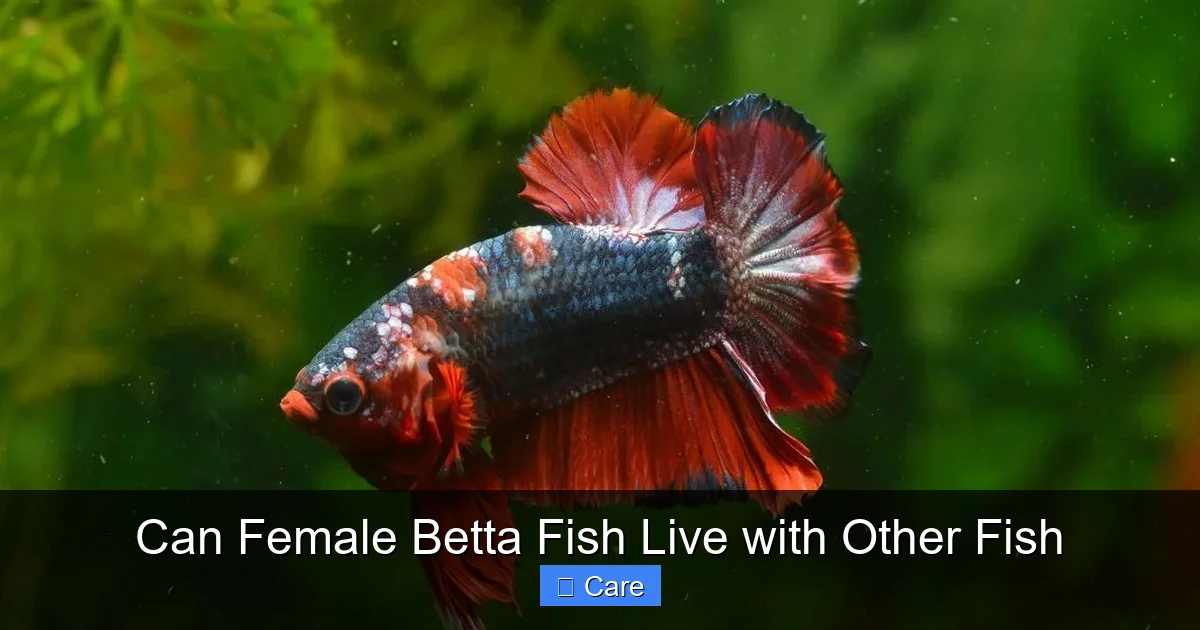
Female bettas are less aggressive than males, but they still have territorial instincts. With the right tank size, plenty of hiding spots, and carefully chosen peaceful companions, female betta fish can live with other fish in a community aquarium. This guide walks you through the dos and don’ts, ideal tank mates, and practical setup tips.
Key Takeaways
- Size matters: A minimum 10‑gallon tank gives a female betta enough space to establish territory.
- Peaceful tank mates are essential: Small, non‑fin‑nipping fish like neon tetras or rasboras are good choices.
- Provide plenty of cover: Plants, caves, and driftwood reduce stress and prevent bullying.
- Monitor behavior daily: Early signs of aggression mean it’s time to re‑evaluate the community.
- Water parameters must be stable: Keep temperature around 78°F (25‑26°C) and pH between 6.5‑7.5.
- Female bettas can sometimes share a tank with other females: Only if the tank is large and heavily planted.
- Always quarantine new arrivals: Prevents disease and gives you a chance to observe compatibility.
📑 Table of Contents
Introduction: The Curious Question
When you first bring home a beautiful female betta, the question “can female betta fish live with other fish?” pops up instantly. It’s natural to want a lively community tank rather than a lonely solo setup. The good news is that, unlike their male counterparts, female bettas are generally more sociable and less likely to flare at strangers.
But “can they?” isn’t the whole story. Success depends on tank size, water conditions, the personality of your betta, and the species you choose as companions. In this article we’ll break down everything you need to know, from the science behind betta behavior to step‑by‑step tips for creating a harmonious community aquarium.
Understanding Female Betta Temperament
Why Females Are Different
Male bettas are famous for their territorial aggression, especially toward other males with similar bright colors. Females, however, are naturally less combative. In the wild they live in dense vegetation where they can hide and avoid conflicts. This makes them more adaptable to community settings—provided they feel secure.
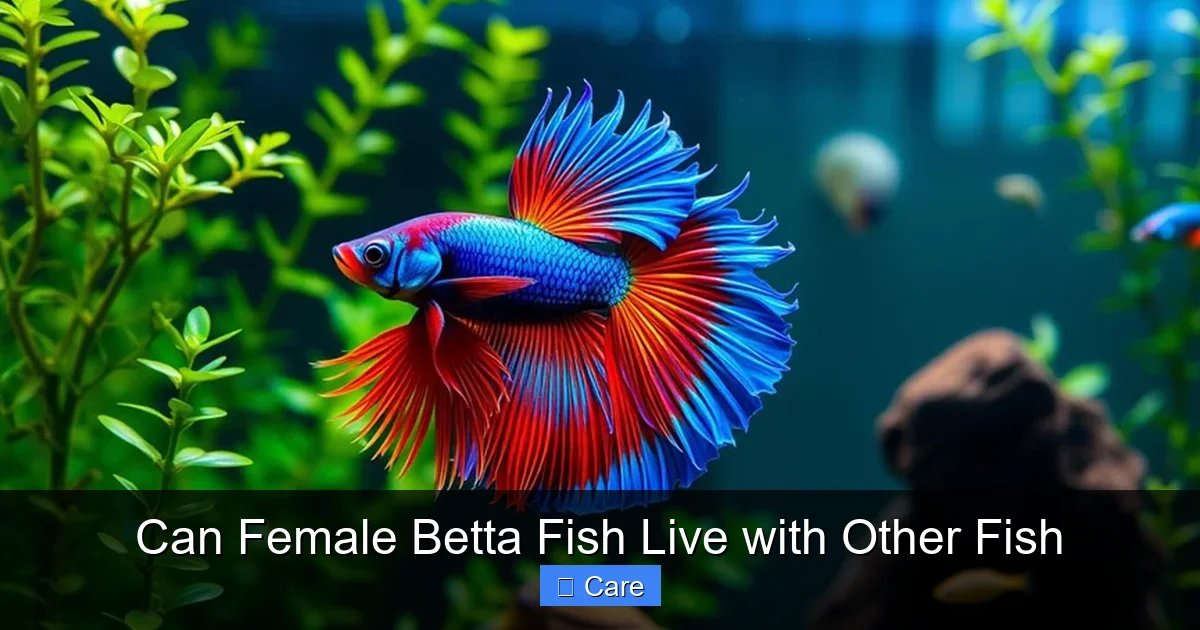
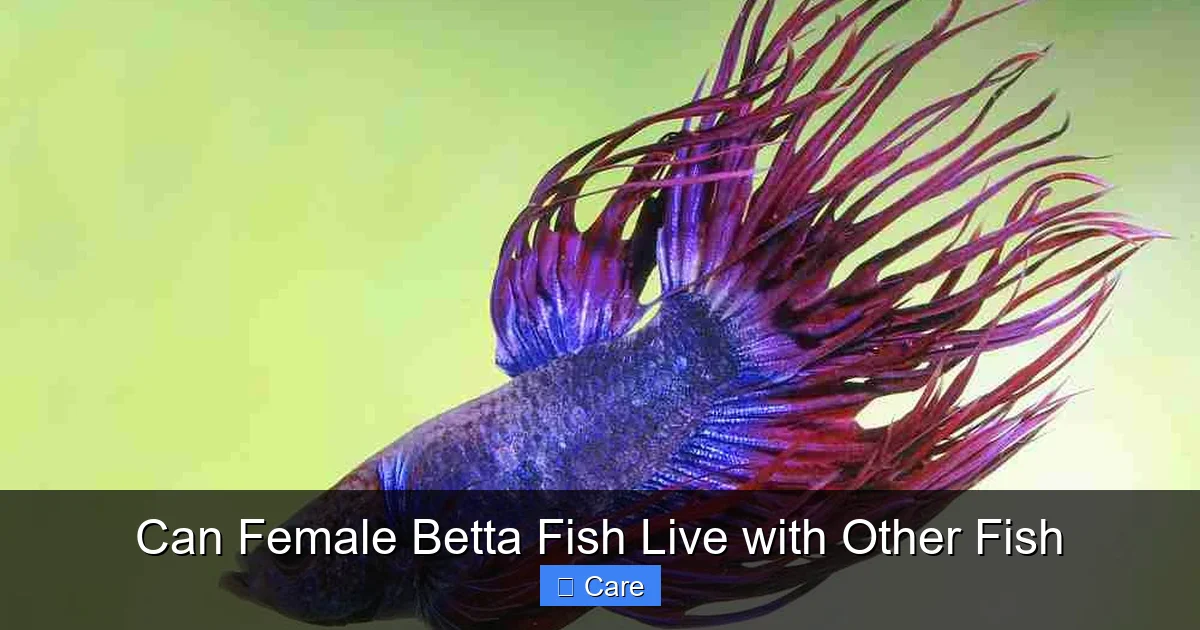
Visual guide about Can Female Betta Fish Live with Other Fish
Image source: infishtank.com
Signs of Stress and Aggression
Even a generally calm female can become aggressive if the tank is too small or if the water quality drops. Watch for these warning signs:
- Rapid, erratic swimming
- Flaring of the gill covers (opercula)
- Chasing or nipping at other fish
- Loss of color or faded fins
If you notice any of these behaviors, it’s time to reassess the tank setup.
Setting Up the Perfect Home
Tank Size and Layout
The most common mistake is trying to keep a female betta in a tiny 2‑gallon bowl with other fish. To answer the core question—yes, they can live with other fish—but only in a tank of at least 10 gallons. Bigger is better: a 20‑gallon long tank gives each fish its own zone and reduces territorial disputes.
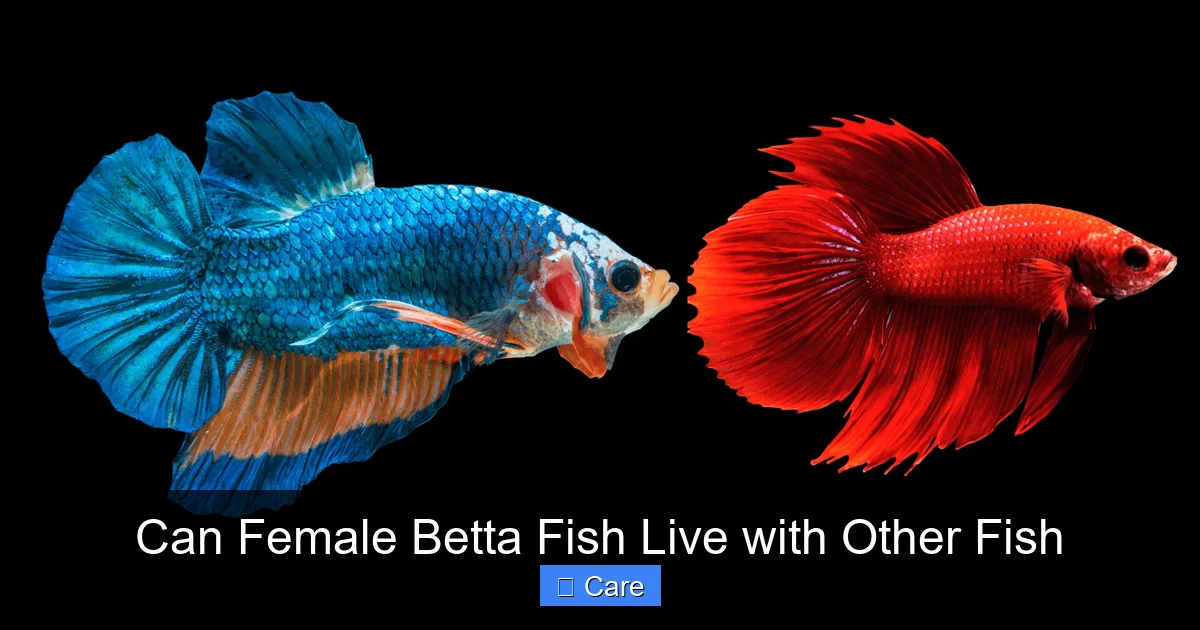
Visual guide about Can Female Betta Fish Live with Other Fish
Image source: aniimad.com
Water Parameters
Stable water is the foundation of any peaceful community. Aim for:
- Temperature: 78°F ± 2°F (25‑26°C)
- pH: 6.5‑7.5
- Hardness: 4‑12 dGH
- Ammonia & nitrite: 0 ppm
- Nitrate: < 20 ppm
Regular water changes (25 % weekly) keep the environment clean and minimize stress.
Plants, Hides, and Decorations
Live plants like Java fern, Anubias, and Amazon swords create natural barriers. If live plants aren’t an option, use silk plants, driftwood, and smooth rocks. The goal is to give your female betta multiple “rooms” to retreat to when she feels threatened.
Filtration and Flow
Betta fish prefer calm water, but a gentle filter is essential for water quality. Use a sponge filter or a hang‑on‑back filter with a flow adjuster set to low. Airstones can add surface agitation without creating a strong current.
Choosing Compatible Tank Mates
General Rules
When answering “can female betta fish live with other fish,” remember these three golden rules:
Visual guide about Can Female Betta Fish Live with Other Fish
Image source: fishkeepingwisdom.com
- Fish must be smaller than the betta’s mouth (no larger than 2‑3 cm).
- They should be fast‑swimming or mid‑level swimmers to avoid constant confrontation.
- They must be non‑fin‑nipping and peaceful.
Top Community Candidates
Here are proven companions that usually get along well with a female betta:
- Neon Tetras: Small, bright, and schooling; they stay in the mid‑water column.
- Harlequin Rasboras: Slightly larger than tetras, they add a splash of red.
- Corydoras Catfish: Bottom‑dwelling “clean‑up crew” that never bother the betta.
- Otocinclus Algae Eaters: Tiny grazers that keep glass clean and stay out of the betta’s way.
- Guppies (females only): If the tank is large enough, female guppies can coexist, but watch for fin nipping.
Species to Avoid
Even though the question is “can female betta fish live with other fish,” some fish simply aren’t compatible:
- Fin‑nipping species like Tiger Barbs or Bettas with long, flowing fins.
- Other bettas (unless you have a very large, heavily planted tank and monitor closely).
- Large, aggressive cichlids or gouramis.
For a deeper dive into compatible species, see our article on what other fish can live with betta fish.
Introducing New Fish Safely
Quarantine First
Always quarantine new arrivals for at least two weeks. This prevents disease spread and gives you a chance to observe the new fish’s temperament.
Acclimation Process
Use the drip acclimation method: float the bag in the tank, gradually add tank water to the bag over an hour, then release the fish into the aquarium. This reduces shock and helps the betta adjust.
First Days Monitoring
During the first 48 hours, keep a close eye on interactions. If the female betta flares continuously or the new fish becomes stressed, consider a separate tank or a larger community setup.
Special Situations
Housing Multiple Female Bettas Together
While the main question focuses on mixed species, many hobbyists wonder if two or three females can share a tank. In a spacious, densely planted aquarium (30 gallons or larger), you can keep a small group of females—known as a “sorority.” However, watch for hierarchy fights and be ready to separate individuals if aggression spikes.
Betta and Invertebrates
Snails (e.g., Nerite) and shrimp (e.g., Cherry or Ghost) are generally safe. They keep algae in check and provide movement without triggering the betta’s territorial instincts. For more info, read Can Betta Fish Live With Shrimp.
Breeding Considerations
If you plan to breed, you’ll need a separate breeding tank. Mixing a female with a male in a community tank can lead to unwanted fry and increased aggression.
Troubleshooting Common Problems
Fin Nipping
If you notice fin damage on other fish, the betta may be nipping out of boredom. Increase enrichment with floating toys and rearrange decorations to reset territories.
Water Quality Issues
High nitrate levels can stress the betta, making her more aggressive. Perform regular water changes and test water weekly.
Illness Symptoms
White spots, ragged fins, or loss of appetite could signal disease. Isolate the affected fish and treat with appropriate medication.
Conclusion: Making an Informed Decision
So, can female betta fish live with other fish? Absolutely—provided you give them a spacious, well‑planted tank, maintain stable water conditions, and choose peaceful, appropriately sized tank mates. By following the guidelines above, you’ll create a vibrant community where your female betta thrives alongside her companions.
Remember, every fish has a unique personality. Even within the same species, some females are more tolerant than others. Start slowly, observe closely, and don’t be afraid to make adjustments. With patience and care, a community aquarium featuring a female betta can be a stunning centerpiece in any home.
Frequently Asked Questions
Can a female betta live with male bettas?
Generally no. Male bettas are highly territorial and will likely attack a female. If you must keep them together, use a very large, heavily planted tank and monitor constantly.
What size tank is the minimum for a female betta with other fish?
A minimum of 10 gallons is recommended, but 20 gallons or more provides the best environment for a peaceful community.
Are neon tetras safe tank mates for a female betta?
Yes, neon tetras are small, fast‑swimming, and stay in the mid‑water column, making them excellent companions for a female betta.
How often should I change the water in a community tank with a betta?
Change about 25 % of the water weekly, and test parameters regularly to keep conditions stable.
Can I keep a female betta with shrimp?
Most shrimp species, like cherry or ghost shrimp, are safe and can help clean the tank, as long as the betta isn’t overly curious.
What should I do if my female betta starts fin nipping other fish?
Increase tank enrichment, add more hiding places, and consider removing the aggressive betta if the behavior continues.