How Many Time to Feed Betta Fish

Knowing how many times to feed betta fish is one of the most important parts of betta fish care. Most experts recommend feeding your betta two to three times per day with small portions. A proper betta fish feeding schedule prevents overfeeding, supports digestion, and keeps your fish active and colorful.
Key Takeaways
- Feed 2-3 times daily: Adult betta fish do best with two to three small meals per day.
- Portion control matters: Only feed what your betta can finish in about 2-3 minutes per sitting.
- Skip one day weekly: A weekly fasting day helps prevent bloating and constipation.
- Watch for overfeeding signs: Cloudy water, leftover food, and lethargy signal you are feeding too much.
- Quality over quantity: High-protein pellets and occasional treats beat large servings of low-quality food.
- Baby bettas need more: Betta fish fry may require 3-4 small feedings per day.
- Consistency is key: A regular feeding routine keeps your betta’s metabolism stable and reduces stress.
📑 Table of Contents
- Why Your Betta Fish Feeding Schedule Matters
- How Many Times to Feed Betta Fish Per Day
- Best Feeding Schedule for Your Betta Fish
- How Much Food Does a Betta Fish Need?
- Common Mistakes When Feeding Betta Fish
- Special Feeding Considerations
- Quick Tips for Feeding Your Betta Fish
- How To Feed Your Betta Fish Properly
- Conclusion
Why Your Betta Fish Feeding Schedule Matters
Taking care of a betta fish is not just about keeping water clean and the tank heated. How many times to feed betta fish plays a huge role in their overall health and happiness. Get the schedule right, and your fish will be vibrant, active, and full of energy. Get it wrong, and you could face serious problems like bloating, constipation, or even early death.
Many new betta owners think that feeding more means loving more. That is not true. Betta fish care is all about balance. These fish have small stomachs and slow digestive systems. Overfeeding is actually one of the most common causes of health issues in captive bettas. A well-planned betta fish feeding schedule does more good than any extra scoop of food ever could.
In this guide, you will learn exactly how often to feed your betta, how much to give, and what mistakes to avoid. Whether you are a first-time owner or looking to improve your routine, this feeding guide for betta fish has you covered.
How Many Times to Feed Betta Fish Per Day
The short answer is two to three times per day for adult betta fish. This is the sweet spot that most experienced hobbyists and veterinarians agree on. Your betta’s stomach is roughly the size of its eye, so it does not take much food to fill up.
Some people search for “how many time to feed betta fish” and get confused by all the advice online. The truth is simple. Two meals a day works great. Three smaller meals also work well if you split the daily portion. Just do not go beyond that. More than three feedings per day usually leads to overfeeding.
Morning and Evening: The Ideal Routine
Most betta fish owners find that a morning feeding and an evening feeding works perfectly. This mirrors the natural feeding rhythm bettas follow in the wild. They graze throughout the day and do not eat large meals all at once.
Here is a simple daily routine:
- Morning: Feed a small portion of high-quality pellets right after the tank light turns on.
- Evening: Feed another small portion about 10-12 hours later.
- Optional midday: If you prefer three feedings, add a tiny snack around midday.
This betta fish diet routine keeps their metabolism steady. For more details on daily routines, you can check out this guide on how many times a day to feed a betta fish for extra tips.
What About Baby Betta Fish?
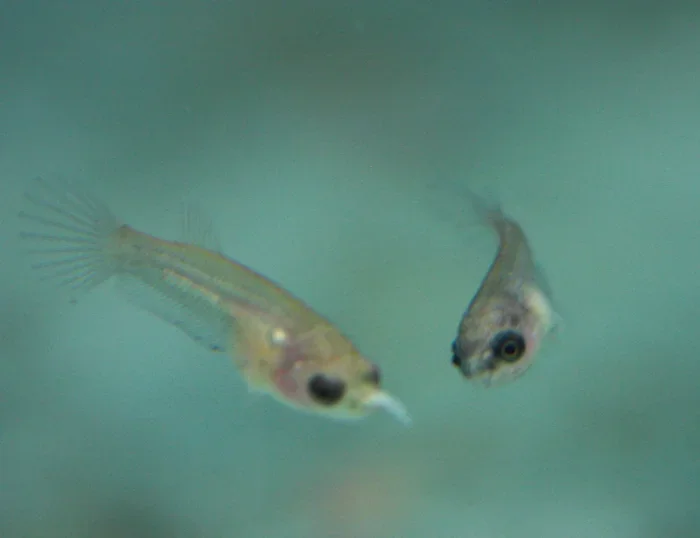
Betta fish fry are a different story. Baby bettas have tiny stomachs but fast metabolisms. They need to eat more frequently than adults. A good rule is to feed fry 3-4 times per day with very small amounts. Infusoria, baby brine shrimp, or finely crushed pellets work well for them.
If you want a detailed breakdown of feeding schedules for different ages, our article on how often to feed a betta fish covers it thoroughly.
Best Feeding Schedule for Your Betta Fish
Creating a consistent betta fish feeding schedule is easier than you think. Bettas thrive on routine. Feeding them at the same times each day helps them feel secure and reduces stress. Here is a sample schedule you can follow:
Sample Daily Schedule
- 7:00 AM: Small portion of pellets (2-3 pellets for adults).
- 1:00 PM (optional): Tiny treat like a single freeze-dried bloodworm.
- 7:00 PM: Another small portion of pellets (2-3 pellets).
Adjust the times to fit your lifestyle. The key is consistency. If you feed at roughly the same hours every day, your betta will learn the routine and actually come to the surface when it is time to eat. This is one of the joys of betta fish ownership.
Weekly Fasting Day
One powerful trick is to pick one day per week where you do not feed your betta at all. This betta fish fasting day gives the digestive system a complete break. It helps clear out any leftover food and reduces the risk of bloating. Do not worry, one day without food will not harm your fish. In fact, it does a lot of good.
Think of it like a reset day for their stomach. Many experienced keepers swear by this practice. It is especially helpful for bettas that tend to overeat or show signs of betta fish constipation.
How Much Food Does a Betta Fish Need?
Knowing how many times to feed is only half the battle. You also need to understand betta fish portion size. Even with a good schedule, too much food per sitting can cause problems.
Here is a simple rule of thumb: Feed only what your betta can eat in 2-3 minutes. Anything left uneaten should be removed immediately. Leftover food rots in the water, spikes ammonia levels, and makes the tank dirty fast.
For most adult bettas, this means about 2-4 pellets per feeding, depending on the brand and size. Some owners also feed a mix of pellets and freeze-dried or frozen treats like bloodworms or brine shrimp. Just keep treats to a small percentage of the total diet, around 10-15%.
Pellets vs. Flakes vs. Frozen Food
Not all betta foods are created equal. Here is a quick comparison:
- Pellets: The best staple food. They sink slowly and are designed for bettas. Look for high-protein options.
- Flakes: Okay but often float on top and lose nutrition quickly. Not the best primary food source.
- Frozen food: Great as a treat. Bloodworms, daphnia, and brine shrimp are all excellent choices.
- Freeze-dried: Convenient but can expand in the stomach. Soak them in water before feeding.
For more guidance on portion sizes and food types, our detailed article on how much to feed betta fish is a fantastic resource.
Reading Your Betta’s Body Language
Your betta will tell you a lot about its feeding needs. A hungry betta will swim to the top quickly and hover near the surface. A full betta will ignore food or spit it out. If you see leftover food floating around, you are giving too much. Scale back the portion and try again tomorrow.
This betta fish nutrition awareness takes time to develop. Do not stress if you overfeed a couple of times early on. Just adjust and pay closer attention.
Common Mistakes When Feeding Betta Fish
Even experienced owners make mistakes. Here are the most common ones to watch out for:
Overfeeding
This is the number one mistake. It is easy to give too much because your betta seems eager every time you approach the tank. But overfeeding leads to bloating, swim bladder issues, and dirty water. Remember, overfeeding betta fish is far more harmful than underfeeding. A hungry betta will recover quickly. An overfed betta can develop serious health problems.
Feeding the Wrong Food
Bettas are carnivores. They need protein-rich food. Feeding tropical fish flakes or goldfish food does not meet their nutritional needs. Always choose food made specifically for bettas or at least for carnivorous fish.
Some owners ask if they can feed human foods. Items like peanut butter or bread are absolutely not suitable. Stick to proper betta food and occasional live or frozen treats.
Ignoring Water Quality
Feeding without maintaining clean water creates a double problem. Uneaten food decays and pollutes the tank. Always remove leftover food after a few minutes. Regular water changes are also essential for your betta fish care routine.
Skipping the Fasting Day
Many owners never give their betta a rest day. Over time, this can build up waste in the digestive tract and lead to chronic bloating. Adding one fasting day per week is a simple but powerful habit.
Special Feeding Considerations
Not every betta is the same. Here are a few situations where you might need to adjust your feeding approach:
Feeding Betta Fish While on Vacation
Going on a trip? Do not panic. You can use an automatic feeder set to small portions, or ask a friend to feed your betta once a day. Bettas can survive several days without food, so a short vacation will not hurt them. Our guide on how to feed your betta fish while on vacation has practical solutions for this exact problem.
Feeding New Betta Fish
If you just brought home a new betta, it may not eat right away. This is normal. Give it a few days to adjust to the tank. Start with a very small portion and increase slowly. Do not try to force feeding. Let your betta settle in first.
When to Change the Feeding Routine
As your betta ages, its metabolism slows down. Older bettas may do better with two smaller meals instead of three. If you notice weight loss or disinterest in food, consult a vet and consider adjusting the schedule. Also, during colder months when tank temperatures drop, bettas eat less. Adjust portions accordingly.
Betta Fish Fry Feeding
Raising betta fry requires a completely different approach. They need live food or very fine crushed pellets. Feed them 3-4 times daily in tiny amounts. As they grow, gradually reduce feedings to twice a day. This transition supports healthy growth without overwhelming their developing digestive systems.
Quick Tips for Feeding Your Betta Fish
Here is a fast-reference checklist you can keep near your tank:
- Feed 2-3 times per day for adults, 3-4 times for fry.
- Give only what can be eaten in 2-3 minutes.
- Remove all uneaten food after 5 minutes.
- Pick one day per week for a fasting break.
- Use high-protein betta pellets as the staple food.
- Add frozen or freeze-dried treats once or twice a week.
- Stick to a consistent schedule every single day.
- Watch your betta’s behavior and adjust portions as needed.
How To Feed Your Betta Fish Properly
Proper technique matters just as much as timing and portion size. When you drop food into the tank, aim for the same spot each time. This builds a feeding spot association and makes mealtime exciting for your fish. Avoid dumping large amounts in one area, which can foul the water quickly.
If you use freeze-dried food, soak it in a small dish of tank water for a minute first. This softens it and prevents it from expanding inside your betta’s stomach. For frozen food, thaw it in a bit of tank water before dropping it in. Never feed food straight from the freezer, as it can cause temperature shock.
For a complete step-by-step approach, our article on how to feed my betta fish walks you through everything from choosing food to serving it correctly.
Conclusion
Getting the feeding schedule right is one of the best things you can do for your betta fish. How many time to feed betta fish depends on age and size, but most adults thrive on two to three small meals per day. Pair this with proper portion control, a weekly fasting day, and high-quality food, and your betta will live a long, healthy, and colorful life.
Remember that every betta is unique. Pay attention to your fish’s behavior, adjust portions when needed, and never rely on a rigid schedule alone. Use these tips as a foundation and build from there. Your betta deserves the best care, and a smart feeding routine is the perfect place to start.
Frequently Asked Questions
How many times a day should I feed my betta fish?
Adult betta fish should be fed two to three times per day. Each feeding should be a small portion they can finish in about 2-3 minutes. Baby bettas or fry may need three to four smaller feedings spread throughout the day.
Can I feed my betta fish only once a day?
Feeding once a day is not ideal for most bettas. They do better with two to three smaller meals rather than one large one. A single feeding may lead to hunger between meals and could cause your betta to become lethargic or underweight over time.
What happens if I overfeed my betta fish?
Overfeeding can cause bloating, swim bladder disorder, and constipation in bettas. Uneaten food also rots in the tank, which raises ammonia levels and pollutes the water. If you notice your betta looking round or bloated, cut back on portions immediately and consider a fasting day.
Is it okay to feed my betta fish every day at the same time?
Yes, feeding at consistent times each day is actually very beneficial. It reduces stress and helps your betta develop a predictable routine. Bettas quickly learn when to expect food and will often come to the surface when they see you near the tank.
Should I give my betta fish a fasting day?
Yes, one fasting day per week is highly recommended. It gives the digestive system a chance to clear out completely and helps prevent bloating and constipation. Skipping food for 24 hours will not harm your betta at all and can actually improve long-term health.
What is the best food to feed my betta fish?
High-protein betta pellets make the best staple food. You can supplement with frozen or freeze-dried bloodworms, brine shrimp, and daphnia as occasional treats. Avoid feeding flakes designed for tropical fish, human food, or low-quality products. A balanced betta fish diet keeps them active and colorful.