Where to Buy Live Daphnia for Betta Fish

Live daphnia is a superfood for betta fish, packed with protein and aiding digestion. You can purchase it from reputable online retailers, local fish stores, or even start your own culture at home. The key is sourcing from trusted suppliers to avoid contaminated or low-quality batches. Proper acclimation and feeding practices are crucial to reap the full benefits for your betta’s health and vibrancy.
Key Takeaways
- Daphnia is a nutritional powerhouse: It provides essential protein, aids digestion (acting as a natural laxative), and can enhance your betta’s color and vitality, making it an ideal dietary supplement.
- You have three main purchasing options: Buy online from specialized breeders, check local fish stores (LFS), or create a sustainable culture at home—each has pros and cons regarding cost, convenience, and reliability.
- Supplier reputation is everything: Always buy from vendors with positive reviews who guarantee live arrival and test their cultures for pathogens and contaminants. Avoid generic sellers on large marketplaces.
- Acclimation is a non-negotiable step: Never dump live daphnia directly into your betta’s tank. Use a drip acclimation method or temperature equalization to prevent shock and stress to both the daphnia and your fish.
- Start a culture for long-term savings: Culturing your own daphnia is inexpensive and ensures a constant, fresh supply. It requires minimal equipment—just a container, water, and a starter culture from a reliable source.
- Feed in moderation: While nutritious, daphnia should be a supplement, not a staple. Offer a small pinch 1-2 times per week as part of a varied diet that includes high-quality pellets and occasional fasting.
- Quality indicators are visual: Healthy live daphnia are active, swimming constantly. A culture that appears cloudy with debris, has a foul smell, or contains many dead specimens is likely poor quality or dying.
📑 Table of Contents
- Why Live Daphnia is a Betta Fish Superfood
- Where to Buy Live Daphnia for Betta Fish: Your Three Main Paths
- How to Choose a Quality Live Daphnia Supplier
- Shipping, Receiving, and Acclimating Your Live Daphnia
- Culturing Your Own Daphnia: A Step-by-Step Guide
- Conclusion: Integrating Daphnia into a Holistic Betta Care Routine
Why Live Daphnia is a Betta Fish Superfood
If you’re a betta fish keeper, you’ve probably heard the buzz about live daphnia. It’s not just another trendy food; it’s a cornerstone of optimal betta health. Live daphnia, often called “water fleas,” are tiny freshwater crustaceans. For a carnivorous fish like the betta splendens, they are a near-perfect food source. In the wild, a betta’s diet consists largely of small insects, zooplankton, and crustaceans. Live daphnia closely mimics this natural prey, triggering your betta’s powerful instinctual hunting behaviors. The chase and capture provide crucial mental stimulation and exercise, helping to combat boredom and stress in a captive environment.
Nutritionally, daphnia is exceptional. It is rich in high-quality protein, which is essential for maintaining your betta’s magnificent fins and muscular body. It contains essential amino acids, vitamins (particularly B vitamins), and minerals. One of its most celebrated benefits for bettas is its high fiber content. This acts as a natural laxative, making daphnia the go-to remedy for constipation—a common issue in bettas, often manifested by a swollen abdomen or difficulty passing waste. A single fasting day followed by a feeding of live daphnia can work wonders. Furthermore, because daphnia are filter feeders, you can “gut-load” them with nutritious powders (like spirulina or commercial fry food) before offering them to your betta. This process essentially turns the daphnia into nutrient-packed delivery vehicles, boosting the vitamins and minerals your fish receives.
The Digestive and Behavioral Benefits
Beyond basic nutrition, the benefits are behavioral. Watch a healthy betta hunting live daphnia. The flaring of its gills, the focused stalking, the swift dart—it’s a beautiful display of natural behavior. This activity is vital for mental well-being. A betta that is mentally engaged is less likely to develop destructive habits like fin-nipping or lethargy. The physical exertion of hunting also promotes better muscle tone. From a digestive standpoint, the chitinous exoskeleton of the daphnia provides roughage that helps sweep the digestive tract clean. This is why many betta breeders and seasoned keepers routinely include daphnia in their conditioning and health-maintenance protocols. It’s not a magic cure-all, but it is one of the safest, most effective natural supplements you can add to your betta’s diet.
Where to Buy Live Daphnia for Betta Fish: Your Three Main Paths
Now that you’re convinced of the “why,” let’s tackle the “where.” Sourcing live daphnia is the primary hurdle. You essentially have three reliable paths: purchasing online from specialized vendors, seeking out local fish stores, or becoming self-sufficient by culturing your own. Each route varies in cost, convenience, and consistency. Let’s explore each in detail to help you find the best source for your situation.
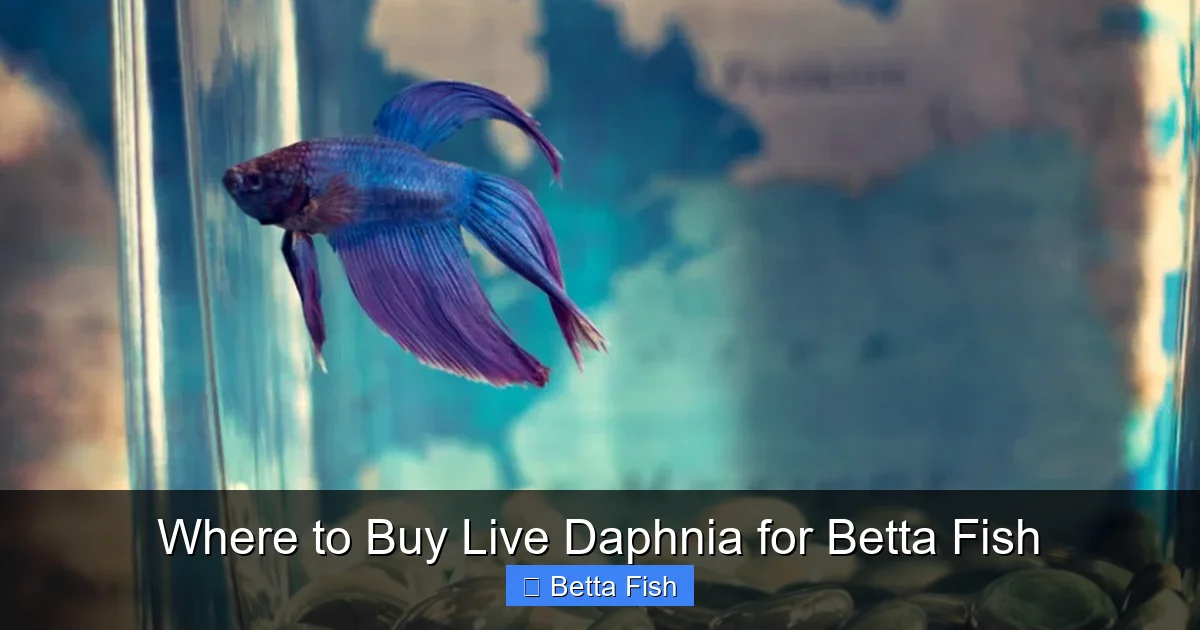
Visual guide about Where to Buy Live Daphnia for Betta Fish
Image source: japanesefightingfish.org
Option 1: Buying Live Daphnia Online (The Most Common Route)
For most hobbyists, buying live daphnia online is the most accessible option. The internet connects you to specialized breeders and aquaculture suppliers across the country (or even internationally). The major advantage is selection and the ability to read detailed reviews from other betta keepers. You are not limited by geography.
- Specialized Aquaculture Websites: These are businesses whose entire model is based on selling live aquatic foods—daphnia, brine shrimp, microworms, etc. They have the systems and expertise to maintain robust, clean cultures. Examples include websites like Aquatic Arts, Carolina Biological (though often larger quantities), and many smaller operations on platforms like Etsy (where you must vet sellers carefully). These sites typically offer various sizes (e.g., Daphnia magna, which is larger and often preferred for adult bettas, or Daphnia pulex, which is smaller). They usually ship in insulated containers with ice packs to ensure live arrival.
- General Online Marketplaces (With Caution): You can find listings on Amazon, eBay, or large aquarium retailer sites. Proceed with extreme caution here. The quality can be wildly inconsistent. Sellers may not be specialists, leading to cultures that are over-aged, contaminated with planaria or other pests, or simply weak and dying upon arrival. Always, always read negative and recent reviews specifically mentioning live arrival and daphnia activity. Look for sellers who specialize in live foods, even if they are on a larger platform.
- Betta Breeder & Enthusiast Communities: Online forums, Facebook groups, and Discord servers for betta keepers are goldmines. Members often sell or trade starter cultures. This can be an excellent way to get a local strain (if the seller is nearby) or a high-quality culture from someone with proven experience. The trust factor is higher when you’re dealing within a community where reputations are built over time.
Key Tip for Online Buying: Pay close attention to shipping policies. Live daphnia cannot survive in extreme heat or cold for more than a day or two. Reputable sellers will only ship on certain days of the week (often Monday-Wednesday) to avoid weekend transit delays. They will also have clear guarantees about live arrival. Understand what the guarantee covers—usually a refund or replacement if you report dead arrivals with photos within a very short timeframe (e.g., 2-4 hours of receipt).
Option 2: Finding Live Daphnia at Local Fish Stores (LFS)
The local fish store can be a fantastic resource if you’re lucky enough to have a good one. A high-quality, knowledgeable LFS that services serious hobbyists or breeders will often carry live foods, including daphnia. The biggest advantage is immediacy—you can pick some up on your way home. There’s no shipping risk or wait time. You can also see the culture with your own eyes before purchasing.
- How to Inquire: Don’t just ask, “Do you have daphnia?” Instead, ask more specific questions: “Do you keep a live culture of Daphnia magna for your own fish or for sale?” or “I’m looking for live daphnia to feed a betta. Do you ever have it in stock?” This frames you as an informed customer and may prompt the staff to check their backroom systems, where they often keep cultures for their own stock.
- What to Expect: If they do sell it, it will likely be in a small plastic cup or container. The price might be higher per unit than online (no economies of scale), but you save on shipping. Ask how long the culture has been active and if they’ve noticed any issues (like a sudden die-off). A store that uses the daphnia to feed their own fish, especially fry or sensitive species, is a great sign—it means they maintain a healthy, viable culture.
- The Drawback: Availability is sporadic. A store might have it one week and be out the next because their culture crashed or they sold it all. It’s not a reliable, consistent source unless you have a very large and dedicated store. Building a relationship with the staff can help—they might set some aside for you if they know you’re a regular customer.
Option 3: Culturing Your Own Live Daphnia (The Ultimate Solution)
For the dedicated betta keeper, culturing your own live daphnia is the holy grail. It is by far the most cost-effective method in the long run. A single starter culture, once established, can provide a near-infinite supply for pennies. It also gives you complete control over the quality and gut-loading of your daphnia. While it requires a small initial setup and some learning, the process is surprisingly simple and low-maintenance once going.
- What You Need: A container (a simple plastic tub, aquarium, or even a large bucket), dechlorinated water, a starter culture of live daphnia, and a food source. The container should be placed in a location with indirect sunlight—too much direct sun can cause massive algae blooms and temperature swings. A 5-10 gallon container is ideal for a home culture.
- The Process: Fill your container with dechlorinated water (tap water conditioned with a dechlorinator). Add your starter culture. Feed them a very small amount of yeast suspension (a pinch of active dry yeast mixed with water), spirulina powder, or a drop of liquid fry food once every few days. Overfeeding is the #1 cause of culture crashes. The water should remain somewhat clear. If it turns soupy and brown, you’re feeding too much. The daphnia will multiply rapidly under good conditions. You harvest some with a fine net or turkey baster to feed your betta, and then replenish the water and feed the remaining culture.
- Sourcing Your Starter Culture: This is the chicken-and-egg problem. You need daphnia to start a culture. Your best bet is to purchase a small, high-quality starter culture from one of the reputable online suppliers mentioned earlier. This initial investment of $10-$20 will pay for itself many times over. You can also try to get a donation from a local aquarist or from a trusted member of an online community. Be cautious of “wild” pond water—it can introduce parasites, predators, and unknown species into your system.
How to Choose a Quality Live Daphnia Supplier
Not all live daphnia is created equal. A robust, active culture is worlds apart from a dying batch of stressed specimens. Choosing a bad supplier can mean receiving a container of mostly dead daphnia, or worse, a culture contaminated with planaria (flatworms), hydra, or harmful bacteria. Here’s your checklist for vetting a source, whether online or local.
Visual guide about Where to Buy Live Daphnia for Betta Fish
Image source: buyaquariumfish.com
Visual and Activity Cues
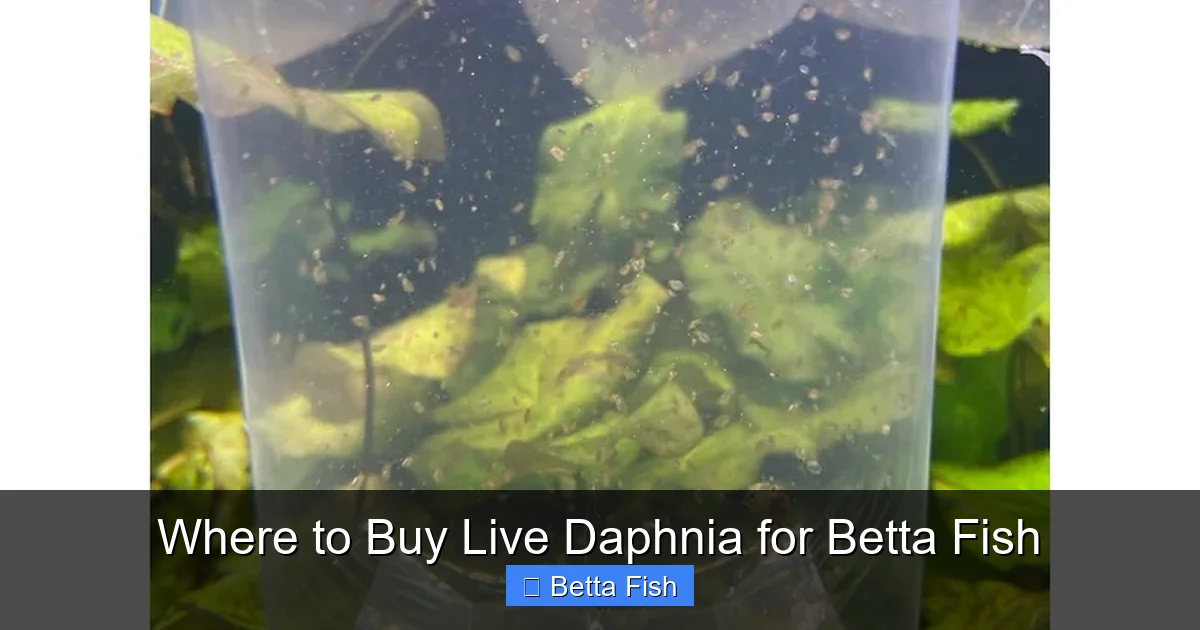
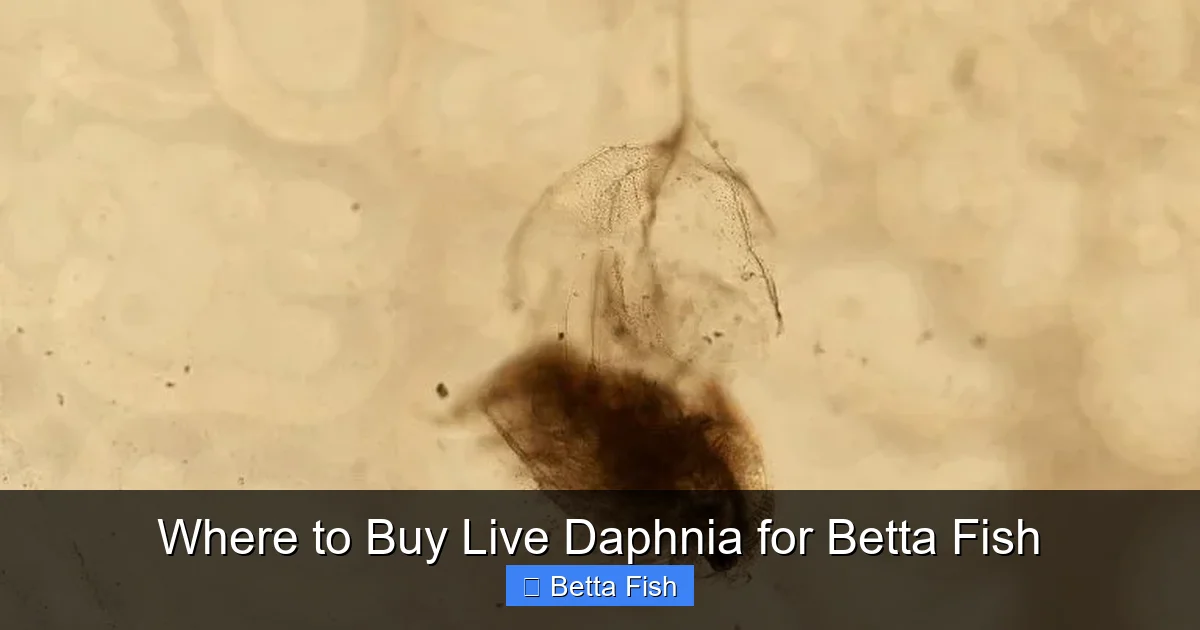
When you receive or see a culture, it should be a sight of vigorous life. The water might be slightly cloudy with millions of tiny, darting specks. Upon gentle swirling, the daphnia should react immediately, swimming in a coordinated frenzy. They are phototactic, meaning they move away from light. If you shine a small flashlight on the container, they should cluster on the opposite side. A healthy culture has a clean, slightly earthy, or neutral smell—never a pungent, rotten, or sour odor. If it smells bad, the culture is decaying. Look for the absence of other organisms. You might see a few strands of algae (which is fine, as they eat it), but you should not see visible planaria (which look like tiny, flat, gliding ribbons), hydra (tiny, stalked creatures with tentacles), or large masses of dead daphnia sinking to the bottom.
Supplier Reputation and Transparency
A good supplier is transparent about their practices. Their website or product description should state:
- Species: They should specify if it’s Daphnia magna (larger, better for adult bettas) or Daphnia pulex (smaller, good for fry).
- Culture Health: Do they mention regular testing, water changes, or how they maintain their cultures?
- Shipping Guarantee: Do they have a clear, fair live arrival guarantee? How long do you have to report issues?
- Gut-Loading Info: Do they mention what they feed their daphnia? (Spirulina or yeast are good signs).
Read reviews specifically for the daphnia product. Look for phrases like “arrived full of life,” “active culture,” “all alive,” and “betta loved them.” Be deeply skeptical of reviews that just say “good product” without specifics. On forums, ask other betta keepers for their trusted sources. The community always knows which suppliers have a reputation for quality and which ones are known for shipping dead cultures.
Shipping, Receiving, and Acclimating Your Live Daphnia
You’ve placed your order. Now, the critical phase of transit and arrival begins. How you handle the package and introduce the daphnia to your betta can make the difference between a healthy treat and a stressful event.
Visual guide about Where to Buy Live Daphnia for Betta Fish
Image source: bettacarefishguide.com
Receiving the Package
As soon as your package arrives, open it immediately. The container inside will likely be a sealed plastic cup or bag with some water and daphnia, packed with paper and ice packs. Check the temperature. The water should be cool, not freezing. Gently swirl the container. You should see a cloud of movement. If it looks completely stagnant or if you see a layer of dead daphnia at the bottom, contact the seller immediately with photos. Do not, under any circumstances, just accept a dead shipment without reporting it—you are entitled to a replacement or refund under their guarantee.
The Critical Acclimation Process
This is the most important step you cannot skip. Live daphnia are sensitive to rapid changes in temperature, pH, and water chemistry. Dumping them straight from their shipping container into your betta’s tank is a recipe for a mass die-off. A dead daphnia meal is not only a waste of money but can foul your tank water quickly. You must acclimate them.
The Drip Acclimation Method (Recommended):
- Fill a small, clean container (like a 1-pint cup) about halfway with water from your betta’s tank.
- Gently pour the contents of the daphnia shipping container into this cup. They will likely float or swim.
- Using a length of airline tubing, start a very slow siphon (you can suck-start it, but be careful not to ingest water). Aim for a drip rate of about 1-2 drops per second into the cup.
- Let the dripping continue for 30-60 minutes. This slowly introduces your tank’s water parameters to the daphnia.
- After acclimating, use a fine net (a brine shrimp net is perfect) to scoop the active daphnia out of the acclimation cup. Gently rinse them in a cup of clean, dechlorinated water (from a separate source, not your tank) to remove any shipping water that might contain waste.
- Finally, add the rinsed, acclimated daphnia directly to your betta’s tank. The water volume from the rinsed daphnia is negligible and will not affect tank parameters.
Alternative (Less Ideal) Temperature Acclimation: If you’re in a rush, you can float the sealed shipping container in your betta’s tank for 20-30 minutes to equalize temperature. Then, open it and add the daphnia. This only addresses temperature, not water chemistry, so the drip method is superior.
Culturing Your Own Daphnia: A Step-by-Step Guide
Given the benefits and cost savings, learning to culture your own is the ultimate goal for any serious betta keeper. Don’t be intimidated—it’s easier than keeping a pet rock. Here is a straightforward, no-fuss guide to setting up and maintaining a thriving daphnia culture.
Step 1: Gather Your Equipment
You need very little:
- Culture Vessel: A 5-10 gallon plastic storage tub with a lid (drill small air holes in the lid for gas exchange) or a dedicated aquarium. A dark-colored container helps reduce algae growth.
- Water: Dechlorinated tap water or aged water. Never use straight untreated tap water. The water should be at room temperature (68-75°F or 20-24°C is ideal).
- Starter Culture: Purchase a healthy, active 1-2 ounce starter culture from a reputable online source. This is your investment.
- Food: Active dry yeast (cheapest and easiest), spirulina powder, or a liquid fry food like Hatchfry Enrichment.
- Aeration (Optional but Helpful): A very small air stone with a low-output air pump. You want gentle bubbles, not a torrent, as strong currents can harm the daphnia.
- Harvesting Tools: A fine mesh net (100-200 micron) or a large pipette/baster.
Step 2: Setup and Initial Feeding
Place your culture vessel in a spot with indirect natural light or under a low-wattage aquarium LED light. Direct sunlight will cause overheating and uncontrollable algae blooms. Fill it with your dechlorinated water. Gently pour in the starter culture. For the first few days, feed a tiny amount. A common method is to make a yeast slurry: dissolve 1/4 teaspoon of active dry yeast in a cup of warm water. Add just 1-2 teaspoons of this slurry to the entire culture. Stir gently. You should see the water cloud slightly as the yeast disperses. That’s enough. Overfeeding is the quickest way to crash a culture. The daphnia will consume the yeast, and the water should clear within 24 hours. If it remains cloudy, you overfed.
Step 3: Maintenance and Harvesting
Once established (you’ll see the population explode in 3-7 days), your routine is simple:
- Feed every 2-3 days with the same tiny amount of yeast slurry. Watch the water clarity. Feed only when the water is mostly clear. If the population is huge, they may need a bit more; if it’s low, feed less.
- Top off with fresh dechlorinated water once a week to compensate for evaporation. Do not do full water changes unless the culture crashes. The old water contains beneficial microorganisms.
- Harvest regularly. Use your net to scoop out a generous pinch of daphnia to feed your betta. Harvesting 20-30% of the population at a time is fine and actually stimulates new growth. Rinse the harvested daphnia in clean water before adding to your betta’s tank.
- Observe. A healthy culture will have a constant, shimmering movement. If the population suddenly plummets, you likely overfed, causing an ammonia spike, or the water got too hot. If you see other pests like planaria, you may need to restart with a new, clean starter culture.
With this simple cycle, your culture can last for months or even years. It’s a sustainable, zero-waste system that provides endless enrichment for your betta.
Conclusion: Integrating Daphnia into a Holistic Betta Care Routine
Knowing where to buy live daphnia for betta fish is the first step in unlocking a powerful tool for your aquatic companion’s wellbeing. Whether you choose the convenience of a trusted online supplier, the immediacy of a supportive local fish store, or the ultimate satisfaction of your own thriving culture, the goal is the same: to provide a natural, stimulating, and nutrient-dense food source. Remember, daphnia is a supplement, not a complete diet. The foundation of your betta’s nutrition should always be a high-quality, varied pellet or flake food formulated specifically for bettas. Use live daphnia strategically—as a weekly treat, a digestive reset after a bout of constipation, or as part of a conditioning regimen for a betta you plan to breed.
The act of hunting this live prey does more than fill a belly; it enriches a life. In the confined world of an aquarium, behavioral enrichment is as important as clean water. The excitement you see in your betta as it stalks and devours a wriggling daphnia is a clear sign of its innate, healthy spirit. Start small. Try buying a small cup online, master the acclimation process, and watch your betta’s response. Then, consider the leap to culturing. That small investment in a starter culture and a plastic tub will pay dividends in your betta’s health, your confidence as a keeper, and your wallet. Your search for live daphnia ends with a healthier, happier, and more vibrant betta fish.
Frequently Asked Questions
Is live daphnia safe for betta fish? Could it carry parasites?
Yes, live daphnia from a reputable, clean source is perfectly safe and highly beneficial. The risk of parasites comes from poor-quality cultures or wild-harvested daphnia. Always buy from trusted suppliers who maintain clean, tested cultures. Avoid collecting daphnia from unknown ponds, as they can harbor pathogens harmful to your betta.
Can I store live daphnia in the refrigerator to keep them fresh?
You can briefly store live daphnia in the refrigerator (in their shipping water, not tank water) for 1-2 days to slow their metabolism, but it is not a long-term solution. They will gradually die off. For consistent supply, culturing your own or frequent small purchases are better. Refrigeration is only a short-term holding method.
How often should I feed live daphnia to my betta?
Live daphnia should be fed as a supplement 1-2 times per week. It is not a staple food. Overfeeding, even of healthy foods, can lead to digestive issues and water quality problems. A typical schedule might be: fast one day, feed high-quality pellets the next, and offer a small pinch of live daphnia as a treat on the third day.
My betta is constipated. How much daphnia should I feed?
For constipation, first fast your betta for 24-48 hours. Then, offer a small feeding of live daphnia (or a blotted, cooked pea). The fiber in the daphnia’s exoskeleton will help clear the digestive tract. You should see results within a day. Do not overfeed in this situation; a small pinch is sufficient.
What if I don’t have a good local fish store and I’m nervous about shipping live animals?
This is a common concern. Focus your search on specialized online aquaculture breeders, not general retailers. Read reviews meticulously, looking for feedback about live arrival. Start with a small order to test the supplier. Many top suppliers have perfected their shipping methods (insulation, cold packs, quick transit) and have excellent track records. The culturing option eliminates shipping anxiety entirely after your initial starter culture arrives.
Are frozen or freeze-dried daphnia a good alternative?
Frozen and freeze-dried daphnia are convenient and have a long shelf life, but they are not equivalent to live. The live movement triggers hunting behavior and provides the highest nutritional value (especially enzymes). Frozen is a decent second choice if you can’t get live, but it lacks the behavioral enrichment. Freeze-dried is the least nutritious and can cause constipation if overfed. For the full benefits, live is best.