Can a Betta Fish Live in Well Water
Wondering if well water is safe for your betta? With the right testing, filtration, and occasional conditioning, many bettas thrive in well water just as they do in tap water. Follow our step‑by‑step tips to keep the water crystal clear, stable, and perfect for a happy, colorful betta.
Key Takeaways
- Test first: Always check pH, hardness, and contaminants before using well water.
- Condition when needed: Use a water conditioner or reverse‑osmosis system if ammonia, chlorine, or metals are present.
- Maintain stable parameters: Betta fish prefer pH 6.5‑7.5 and soft to medium hardness.
- Regular water changes: Change 25‑30% of the tank weekly to keep nitrate levels low.
- Filtration helps: A gentle sponge filter mimics the low‑flow environment bettas love.
- Monitor temperature: Keep water between 76‑82°F (24‑28°C) for optimal health.
- Watch for signs: Cloudy water, fin rot, or lethargy indicate water quality problems.
📑 Table of Contents
- Introduction: The Appeal of Well Water for Betta Owners
- 1. Understanding Well Water Basics
- 2. Testing Your Well Water – The First Step
- 3. Treating Well Water for Betta Safety
- 4. Setting Up the Betta Tank with Well Water
- 5. Ongoing Maintenance – Keeping the Water Betta‑Friendly
- 6. Frequently Asked Questions About Well Water and Betta Health
- Conclusion: A Healthy Betta Is Possible With Well Water
Introduction: The Appeal of Well Water for Betta Owners
When you move to a rural home or simply love the idea of using natural water sources, you might ask, can a betta fish live in well water? The short answer is yes—provided the water is properly tested and treated. Well water can be softer and free of chlorine, which many betta keepers find appealing. However, wells can also bring hidden challenges like high mineral content, iron, or occasional bacterial contamination.
In this guide we’ll walk through everything you need to know: testing basics, how to treat common issues, setting up a safe tank, and daily maintenance tips. By the end you’ll feel confident that your betta can thrive in well water just as happily as in tap water.
1. Understanding Well Water Basics
What Makes Well Water Different?
Unlike municipal tap water, well water comes straight from underground aquifers. It typically lacks added chlorine or chloramine, but it can vary widely in:
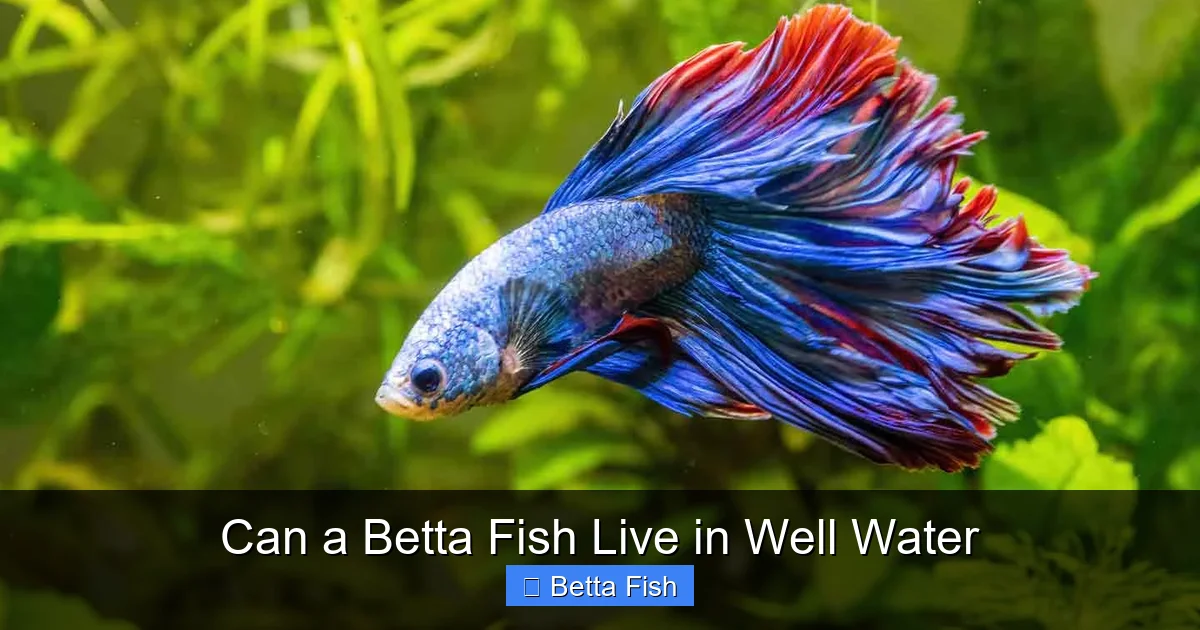
Visual guide about Can a Betta Fish Live in Well Water
Image source: aquariadise.com
- pH level – can be acidic or alkaline depending on the surrounding soil.
- Hardness – measured by calcium and magnesium; some wells are very hard.
- Iron, manganese, and sulfur – give water a metallic taste or a yellow tint.
- Biological contaminants – bacteria or parasites if the well isn’t sealed properly.
Because bettas are sensitive to sudden changes, you’ll want a clear picture of these parameters before filling the tank.
Common Misconceptions
Many new owners think “no chlorine means safe,” but iron spikes can stress a betta’s gills, and high ammonia from organic runoff can be fatal. Testing is non‑negotiable.
2. Testing Your Well Water – The First Step
Essential Test Kits
Invest in a reliable aquarium test kit that measures:

Visual guide about Can a Betta Fish Live in Well Water
Image source: i.pinimg.com
- pH
- Ammonia (NH₃/NH₄⁺)
- Nitrite (NO₂⁻)
- Nitrate (NO₃⁻)
- General hardness (GH)
- Carbonate hardness (KH)
For iron and sulfur, a separate well‑water test strip or a professional lab analysis works best.
How to Test Properly
- Collect a water sample in a clean glass container.
- Let it sit for a few minutes to reach room temperature.
- Follow the kit instructions—usually a few drops of reagent and a color comparison.
- Record the numbers in a notebook for future reference.
If any reading falls outside the safe betta range (pH 6.5‑7.5, GH 3‑8 dGH, ammonia 0 ppm), you’ll need to treat the water.
3. Treating Well Water for Betta Safety
When to Use a Water Conditioner
Even though well water lacks chlorine, a quality water conditioner can neutralize:
- Heavy metals (iron, copper)
- Trace chloramine (if your well is partially treated)
- Detoxify ammonia spikes
Look for a conditioner labeled “safe for fish, shrimp, and plants.” Use the dosage recommended on the bottle for the volume of water you’ll add.
Reverse Osmosis (RO) or Deionized (DI) Systems
If your well water is extremely hard or contains high iron, an RO/DI system is the gold standard. It strips out minerals, giving you a blank canvas that you can re‑hardify to a betta‑friendly level with a remineralizer.
Many hobbyists run their tank water through a small RO unit and then add a few drops of a “balanced mineral solution” to hit a GH of about 5 dGH.
Simple DIY Adjustments
- Lowering pH: Add a pinch of peat moss or a few drops of natural pH‑down liquid.
- Raising pH: Dissolve a small amount of crushed coral or use a commercial pH‑up solution.
- Softening hardness: Dilute well water with distilled or RO water until you reach the desired GH.
4. Setting Up the Betta Tank with Well Water
Choosing the Right Tank Size
Even though bettas can survive in small bowls, a 5‑gallon (19‑liter) tank gives them room to swim and makes water stability easier. If you’re using well water, a larger volume also dilutes any residual contaminants.
Filtration Options
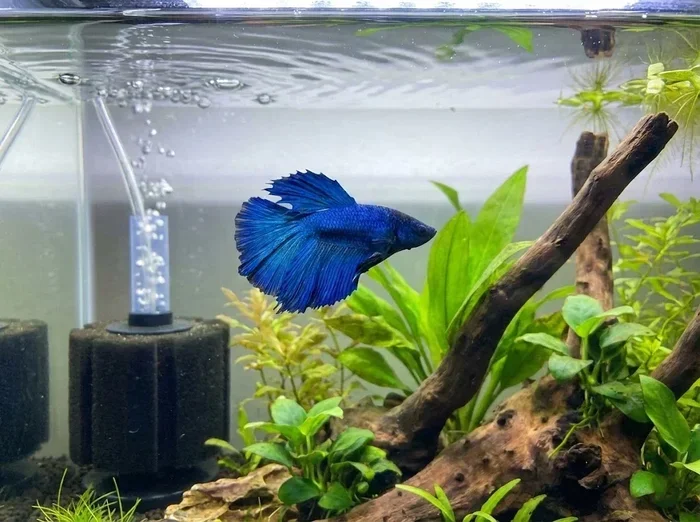
Betta fish love calm water. A gentle sponge filter with a flow rate of less than 2 gph (gallons per hour) provides biological filtration without stressing the fish.
For those who prefer a completely filter‑free setup, you can use a bowl without a filter but be diligent with weekly water changes and use a water conditioner each time.
Heating and Temperature Control
Maintain 76‑82°F (24‑28°C) with an aquarium heater. Well water temperature can fluctuate seasonally, so a reliable thermostat is essential.
Decor and Plants
Live plants like Java fern or Anubias not only look great but also help absorb nitrates. If you prefer artificial décor, ensure any plastic ornaments are aquarium‑safe and free of lead.
5. Ongoing Maintenance – Keeping the Water Betta‑Friendly
Weekly Water Changes
Replace 25‑30% of the tank water each week with freshly treated well water. This keeps nitrate levels below 20 ppm and prevents buildup of dissolved organics.
Testing During Routine Care
Re‑test pH, GH, and ammonia after each water change. Adjust with conditioners or mineral additives as needed.
Cleaning the Tank
- Scrape algae from glass with a soft pad.
- Rinse filter media in a bucket of tank water (not tap water) to preserve beneficial bacteria.
- Vacuum the substrate lightly to remove uneaten food.
Watch for Warning Signs
If your betta shows faded colors, clamped fins, or is lethargic, test the water immediately. Cloudy water or a sudden rise in ammonia often precedes health problems.
6. Frequently Asked Questions About Well Water and Betta Health
Is well water safer than tap water for bettas?
It can be, because it usually lacks chlorine. However, safety depends on the well’s quality; testing is still required.
Can I use bottled water instead of well water?
Yes, bottled spring water is an alternative, but it’s often more expensive. Treat it the same way—test for pH and hardness before use.
Do bettas need a filter if I use well water?
A gentle filter is recommended for biological stability, though a well‑maintained bowl can work if you change water frequently.
What if my well water has a strong iron smell?
Run the water through a carbon filter or use a water conditioner that chelates iron. You can also let the water sit uncovered for a few hours to allow iron particles to settle.
Can I keep other fish with my betta in well water?
Yes, as long as the water parameters suit both species. See our guide on which fish can live with betta fish in a tank for compatible tank mates.
How often should I test my well water?
Test before every water change and then monthly as a routine check. Seasonal changes can affect pH and hardness.
Conclusion: A Healthy Betta Is Possible With Well Water
Answering the question “can a betta fish live in well water?” is a matter of preparation and vigilance. By testing, treating, and maintaining stable water conditions, you give your betta the same, if not better, environment than standard tap water. Remember to keep an eye on pH, hardness, and any metal contaminants, and you’ll enjoy a vibrant, active betta that thrives in its natural‑looking home.
Now that you have the tools and know‑how, go ahead and fill that tank with confidence—your betta will thank you with dazzling colors and graceful fins.
Frequently Asked Questions
Can a betta fish live in well water without any treatment?
Only if the well water already meets betta‑friendly parameters (pH 6.5‑7.5, low ammonia, appropriate hardness). Most wells need at least a water conditioner or simple adjustments.
What is the ideal pH range for bettas using well water?
Betta fish do best in slightly acidic to neutral water, around 6.5‑7.5. Adjust with peat or crushed coral if your well water falls outside this range.
How do I remove iron from well water for my betta?
Use a carbon filter, let the water sit to let iron settle, or treat with a conditioner that chelates metals. An RO system removes iron completely.
Can I keep live plants in a well‑water betta tank?
Yes, live plants are great. They help stabilize water chemistry and provide hiding spots. Just be sure the water temperature and pH suit the plant species.
Is a heater necessary when using well water?
Yes. Well water temperature can vary with the seasons, so a reliable aquarium heater set to 76‑82°F (24‑28°C) keeps your betta comfortable.
What should I do if my betta shows signs of stress after a water change?
Test the water immediately for ammonia, pH spikes, or temperature changes. Perform a partial water change with properly conditioned water and monitor the fish closely.