Betta fish can live in tap water, but only if you properly treat and condition it. Testing pH, temperature, and chlorine levels, then using a water conditioner, ensures a safe environment for your finned friend.
Key Takeaways
- Tap water isn’t ready to use straight from the faucet: It often contains chlorine, chloramines, and unwanted minerals.
- Conditioning is essential: A good water conditioner neutralizes harmful chemicals and prepares the water for Betta life.
- Check pH and hardness: Bettas thrive in slightly acidic to neutral water (pH 6.5‑7.5) with moderate hardness.
- Temperature matters: Keep water at 76‑82°F (24‑28°C) using a reliable heater.
- Regular water changes prevent buildup: Change 25‑30% of the tank water weekly.
- Use a test kit: Monitoring ammonia, nitrite, and nitrate keeps the tank cycle stable.
- Follow a conditioning routine: Conditioning each batch of tap water before adding it to the tank is the safest practice.
📑 Table of Contents
- Introduction: The Tap Water Question
- 1. Understanding What’s Inside Your Tap Water
- 2. Conditioning Tap Water: The Golden Rule
- 3. Getting the Right Water Parameters
- 4. Setting Up the Betta Tank with Treated Tap Water
- 5. Ongoing Care: Water Changes and Monitoring
- 6. Common Mistakes and How to Avoid Them
- Conclusion: Safe Tap Water Means a Happy Betta
Introduction: The Tap Water Question
When you first bring home a Betta, the excitement is real. You set up a small tank, add some plants, and wonder, “Can I just fill it with tap water?” The short answer is “yes, but only after you treat it.” Tap water straight from the faucet contains chlorine, chloramine, and sometimes heavy metals that are toxic to fish. Without proper preparation, even the hardiest Betta can become stressed, sick, or die.
In this article we’ll break down everything you need to know about using tap water for Betta fish. From testing the water chemistry to conditioning, temperature control, and routine maintenance, you’ll get a step‑by‑step guide that feels like a chat with a knowledgeable friend.
1. Understanding What’s Inside Your Tap Water
What municipalities add
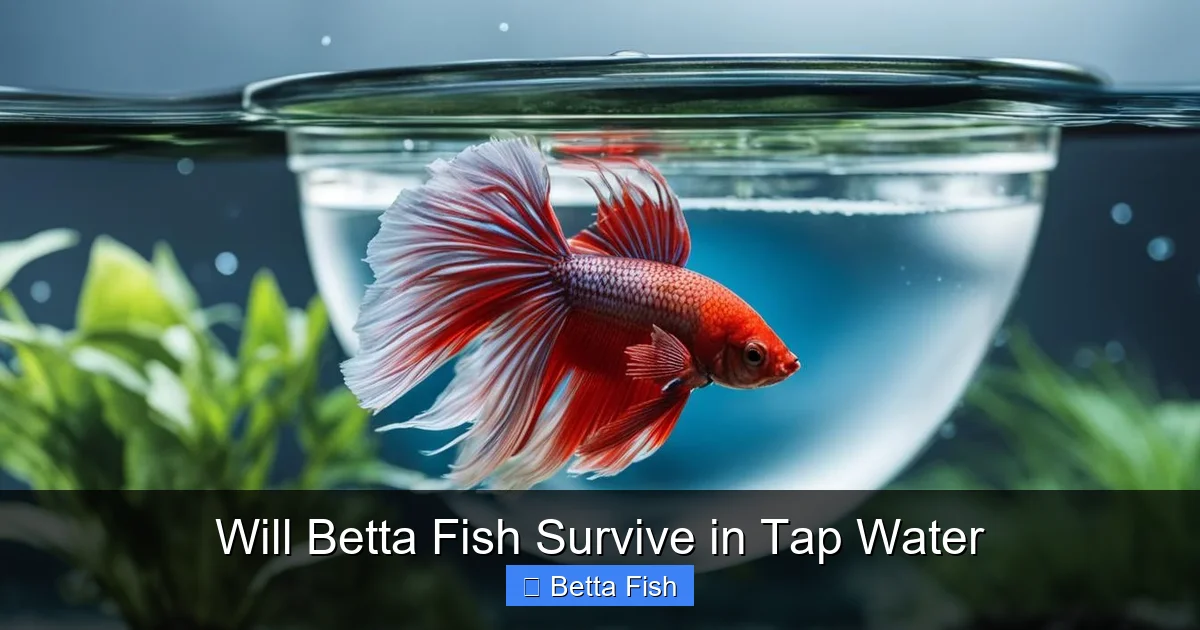
Most city water supplies are treated with chlorine to kill harmful bacteria. Some utilities also add chloramine (a combination of chlorine and ammonia) because it lasts longer in the distribution system. Both chemicals are deadly to fish at the concentrations found in tap water.
Visual guide about Will Betta Fish Survive in Tap Water
Image source: bettafishworld.com
Other contaminants to watch for
- Heavy metals: Copper and lead can leach from old pipes.
- Hardness: Very hard water (high calcium/magnesium) can raise pH beyond the Betta’s comfort zone.
- pH fluctuations: Municipal water can be slightly alkaline (pH 7.5‑8.0), which may need adjustment.
Knowing what’s in your water helps you decide how much conditioning is needed. A simple water test kit will tell you the exact pH and hardness, while a chlorine test strip can confirm the presence of chlorine or chloramine.
2. Conditioning Tap Water: The Golden Rule
Choosing the right conditioner
Look for a conditioner that removes both chlorine and chloramine and also detoxifies heavy metals. Products like Seachem Prime or API Stress Coat are popular because they work quickly and are safe for Betta fish.
How to condition properly
- Fill a clean bucket with the amount of tap water you need for a water change.
- Add the conditioner according to the label (usually a few drops per gallon).
- Stir gently and let the water sit for 5‑10 minutes. The chemicals will be neutralized.
- Test the water again to ensure chlorine is gone.
For more details on the conditioning process, see our guide How To Condition Tap Water For Betta Fish.
3. Getting the Right Water Parameters
pH and hardness
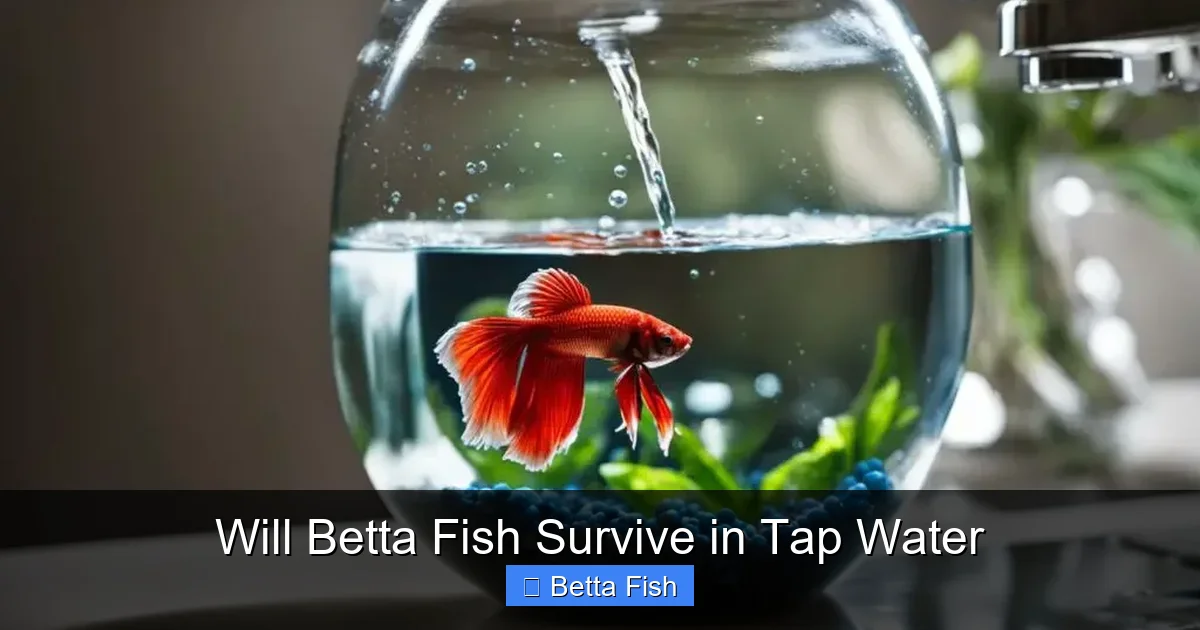
Bettas prefer a pH between 6.5 and 7.5. If your tap water reads higher, you can soften it with peat moss, driftwood, or a commercial pH‑down product. Aim for a general hardness (GH) of 3‑4 dGH and a carbonate hardness (KH) of 3‑5 dKH.
Visual guide about Will Betta Fish Survive in Tap Water
Image source: bettafishworld.com
Temperature control
Betta fish are tropical and need warm water. Keep the tank at 76‑82°F (24‑28°C). An aquarium heater with an adjustable thermostat is essential. Use a reliable thermometer and check it daily.
Read more about the ideal temperature in What Temperature Should Water Be For A Betta Fish.
4. Setting Up the Betta Tank with Treated Tap Water
Step‑by‑step setup
- Rinse the tank: Use warm water only—no soap.
- Add substrate and decorations: Rinse everything before placing it in the tank.
- Fill with conditioned tap water: Pour slowly to avoid disturbing the substrate.
- Install filter and heater: Turn them on and let the water circulate for at least 30 minutes.
- Test water parameters: Verify pH, temperature, and chlorine levels.
- Acclimate your Betta: Float the bag in the tank for 15 minutes, then gradually add tank water to the bag over 30 minutes.
Why a filter helps
Even though Bettas can live in low‑flow environments, a gentle filter removes waste and keeps ammonia low. Choose a sponge filter or a low‑flow hang‑on‑back model to avoid stressing the fish.
5. Ongoing Care: Water Changes and Monitoring
Weekly water changes
Replace 25‑30% of the tank water each week with freshly conditioned tap water. This dilutes nitrates and removes dissolved organics that can cloud the water.
Testing and troubleshooting
- Ammonia & nitrite: Should always be 0 ppm. Any spike indicates a problem with the nitrogen cycle.
- Nitrate: Keep below 20 ppm; higher levels can stress the Betta.
- Cloudy water: May be a sign of bacterial bloom—perform a partial water change and check the filter.
Our detailed guide on water changes can help you perfect the routine: How To Change Water In Betta Fish Tank.
6. Common Mistakes and How to Avoid Them
Skipping the conditioner
Even a small amount of chlorine can damage a Betta’s delicate gills. Always treat tap water before it touches the fish.
Using hot tap water
Hot tap water can contain higher levels of chlorine and may shock the Betta. Let the water cool to room temperature before heating it to the proper range.
Over‑filtration
Strong currents can exhaust a Betta, which is a surface‑breather. Use a filter with adjustable flow or a sponge filter to keep the water gentle.
Conclusion: Safe Tap Water Means a Happy Betta
Betta fish can definitely survive—and thrive—in tap water, provided you treat it correctly. By testing, conditioning, adjusting pH, and maintaining proper temperature, you create a stress‑free environment that lets your Betta show off its vibrant colors and graceful fins. Remember, consistency is key: regular water changes, routine testing, and attentive care will keep your Betta healthy for years to come.
Frequently Asked Questions
Can I use tap water without a conditioner?
No. Untreated tap water contains chlorine or chloramine, both of which are toxic to Betta fish. A water conditioner is essential to neutralize these chemicals.
How often should I test the water parameters?
Test pH, temperature, and chlorine at least once a week, and test ammonia, nitrite, and nitrate after each water change to ensure the nitrogen cycle is stable.
What if my tap water is very hard?
Hard water can raise pH beyond the Betta’s comfort zone. Add driftwood, peat, or a commercial water softener to bring the pH down to 6.5‑7.5.
Do I need a heater for a Betta in tap water?
Yes. Bettas are tropical fish and need water kept between 76‑82°F (24‑28°C). A reliable aquarium heater maintains a stable temperature.
Can I keep a Betta in a small bowl with just tap water?
While a Betta can survive in a small bowl, a properly sized tank (at least 2.5 gallons) with a filter and conditioned water provides a healthier, longer‑lasting environment.
What should I do if my Betta shows signs of stress after a water change?
Check the water temperature and pH first. If they’re correct, ensure the conditioner was fully mixed and that the flow isn’t too strong. Perform a small water change with properly conditioned water to help the fish recover.

