Is 8 Strand Fishing Line Better Than 4 Strand
The debate between 8 strand and 4 strand braided fishing line comes down to your specific fishing needs. An 8 strand braid offers a smoother surface, better knot strength, and less line memory, while a 4 strand braid is more affordable and still very durable. Both options have unique advantages depending on the species you target, the water conditions, and your personal preference.
When you are standing in the tackle aisle, staring at rows of braided fishing lines, the choice can feel overwhelming. You see 4 strand and 8 strand options side by side. Both claim to be the best. So which one actually is? The answer is not as simple as picking a winner. It depends on what you fish for, where you fish, and how you like to fish.
Braided fishing line has been a favorite among anglers for decades. It offers incredible strength, zero stretch, and excellent sensitivity. But not all braids are created equal. The number of strands woven together changes everything about how the line performs. A 4 strand braid and an 8 strand braid behave very differently in the water. Understanding these differences will help you make a smarter choice on your next shopping trip.
In this guide, we will break down everything you need to know about 8 strand vs 4 strand fishing line. We will look at strength, durability, casting distance, knot performance, and price. By the end, you will know exactly which braid belongs on your reel.
Key Takeaways
- 8 Strand Braid: Smoother finish, superior abrasion resistance, and easier casting make it a top choice for serious anglers.
- 4 Strand Braid: More budget-friendly, still highly durable, and great for casual or beginner fishermen.
- Line Diameter Matters: 8 strand lines are thinner for the same pound test, giving you more line on your reel.
- Knot Strength: 8 strand braids hold knots better, reducing the risk of lost fish at critical moments.
- Price Difference: 4 strand is generally cheaper, making it a solid option for high-volume fishing.
- Your Fishing Style Decides: Choose based on the species, technique, and environment you fish in most.
📑 Table of Contents
What Is Braided Fishing Line?
Braided fishing line is made by weaving multiple strands of ultra-high-molecular-weight polyethylene together. This material is incredibly strong for its size. Unlike monofilament, braid has no stretch. That means you feel every bite, every nudge, and every movement beneath the surface. This is why many bass anglers and saltwater fishermen swear by it.
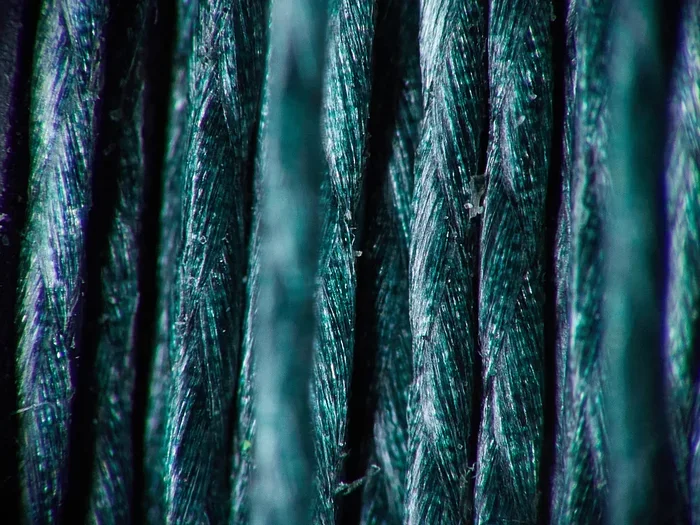
The number of strands used in the weaving process defines the braid type. A 4 strand braid uses four fibers woven together. An 8 strand braid uses eight. More strands mean a rounder, smoother profile. Fewer strands mean a flatter, more textured surface. These physical differences have a big impact on performance.
Why Does Strand Count Matter?
Strand count affects the line’s diameter, smoothness, and how it handles on a reel. A thinner line casts farther and fits more on your spool. A smoother line slides through guides better and creates less friction. These are not small details. They can be the difference between landing a trophy fish and losing it at the boat.
When you compare 8 strand braid to 4 strand braid, you are really comparing two different fishing experiences. Each has its place. Neither is universally better. The key is matching the line to your style.
8 Strand Fishing Line: The Smooth Performer
An 8 strand braided fishing line is often considered the premium option. It has a rounder cross-section that glides through the water with minimal drag. The surface is smoother, which means it passes through rod guides more cleanly. This translates directly into longer casts and better accuracy.
Benefits of 8 Strand Braid
- Smaller Diameter: For the same pound test, 8 strand is thinner than 4 strand. This lets you spool more line on your reel.
- Better Abrasion Resistance: The smooth surface resists wear from rocks, logs, and sharp edges underwater.
- Superior Knot Strength: 8 strand braid holds knots more securely. This reduces the chance of a line break at the worst possible moment.
- Less Line Memory: The line lays on the reel more evenly. You get fewer tangles and loops when you cast.
- Smoother Casting: The round profile reduces friction through the guides. Your casts go farther and land more softly.
When to Choose 8 Strand
Pick an 8 strand braid when you need every advantage you can get. If you are fishing around heavy cover, where rocks and submerged timber can chew up your line, the abrasion resistance of 8 strand really shines. Bass fishing in thick lily pads or docks is a perfect example. You need a line that can drag a fish away from snags without fraying.
Saltwater fishing is another great fit. The corrosive saltwater environment is tough on any line. The smoother surface of 8 strand braid resists salt buildup better than 4 strand. It also casts farther, which is helpful when you are targeting fish from the surf or a pier.
If you are a tournament angler or someone who fishes seriously, 8 strand is worth the investment. The performance gains are real. You will feel the difference in your casts, your hooksets, and your landing rate.
4 Strand Fishing Line: The Reliable Workhorse
A 4 strand braided line has been around longer and remains incredibly popular. It is made from four woven fibers, giving it a flatter profile than 8 strand. This flatness actually has some advantages. The line grips the water better, which can help with certain techniques like vertical jigging or dragging a lure along the bottom.
Benefits of 4 Strand Braid
- Lower Cost: 4 strand braid is generally more affordable. You can buy more line for less money.
- Good Abrasion Resistance: While not as smooth as 8 strand, 4 strand still holds up well against rough structures.
- Better Grip in Water: The flatter profile gives you more control when working lures slowly near the bottom.
- Widely Available: You can find 4 strand braid at almost any bait shop or sporting goods store.
- Great for Beginners: It is forgiving and performs well without requiring a big investment.
When to Choose 4 Strand
Choose 4 strand braid when you are fishing in cleaner water with less structure. If you are casting open water, targeting schooling fish, or fishing a flat without many obstacles, 4 strand gets the job done just fine. The slightly thicker diameter is not a problem when there is nothing to snag on.
Budget-conscious anglers will appreciate the savings. A spool of 4 strand braid costs noticeably less than its 8 strand counterpart. If you go through line frequently or like to re-spool often, the lower price adds up to real savings over a season.
For casual weekend fishermen, 4 strand offers excellent value. You do not need the premium performance of 8 strand to enjoy a great day on the water. Many experienced anglers still prefer 4 strand for its feel and control in specific situations.
Head-to-Head Comparison: 8 Strand vs 4 Strand
Let us put the two side by side. This comparison table shows the key differences between 8 strand and 4 strand braided fishing line.
| Feature | 8 Strand Braid | 4 Strand Braid |
|---|---|---|
| Diameter (same lb test) | Thinner | Thicker |
| Surface Smoothness | Very smooth | Moderately smooth |
| Abrasion Resistance | Excellent | Good |
| Knot Strength | Very high | High |
| Casting Distance | Longer | Good |
| Line Memory | Low | Moderate |
| Price | Higher | Lower |
| Best For | Heavy cover, saltwater, tournaments | Open water, budget fishing, beginners |
As you can see, 8 strand braid wins on most performance metrics. But it costs more. The question is whether those performance gains justify the extra expense for your fishing style. For many anglers, the answer is yes. For others, 4 strand is more than enough.
Quick Tips for Choosing Between the Two
- Check your reel specifications. Make sure the thinner diameter of 8 strand does not cause the line to slip on the spool.
- Match the pound test to your target species. A heavier braid is not always better. Use the lightest line that gets the job done.
- Consider your leader. Both braids pair well with fluorocarbon leaders for invisibility underwater.
- Inspect your line regularly. Even the best braided line can develop weak spots from wear and UV exposure.
How Strand Count Affects Your Fishing Technique
The strand count of your braid actually influences how you fish. This is something many beginners overlook. The line is not just a passive connection between you and the fish. It is an active part of your setup.
With 8 strand braid, the smooth surface lets you reel in faster with less resistance. This is huge when a fish makes a run and you need to pick up slack quickly. The line flows through the guides effortlessly, so you can react faster. Many bass fishermen notice they can set the hook more decisively with 8 strand because there is less friction absorbing the strike.
4 strand braid, with its flatter profile, has a slightly different feel on the line roller. Some anglers actually prefer this for techniques like Carolina rigging or dragging soft plastics. The extra grip on the water gives them a better sense of what the lure is doing as it moves along the bottom. It is a subtle difference, but experienced fishermen can feel it.
Line Capacity and Reel Fill
Because 8 strand braid is thinner for a given strength rating, you can fit more yards on your spool. This is a huge advantage when you are fishing deep water or targeting species that make long runs. More line means less chance of running out when a big fish surges away from you.
For example, a 50-yard spool of 50 lb 4 strand braid might be thicker than a 150-yard spool of 50 lb 8 strand braid. The 8 strand option gives you three times the line capacity at the same strength. That is a practical advantage that matters on the water.
Common Mistakes to Avoid
Even experienced fishermen make mistakes when choosing or using braided line. Here are a few to watch out for:
- Using the wrong knot. Braided line is slick. Standard clinch knots can slip. Use a Palomar knot or FG knot for the best hold.
- Ignoring line age. Braid degrades over time, even if you do not use it much. Replace your line at least once a season.
- Overfilling the spool. Too much line causes wind knots and casting issues. Leave a small gap from the rim.
- Skipping the leader. Braided line is highly visible underwater. A fluorocarbon leader makes your lure less visible to wary fish.
- Choosing price over performance. The cheapest braid is not always the worst, but cutting corners on line quality can cost you fish.
Expert Insights on Braid Selection
Professional bass anglers often carry both 4 strand and 8 strand on their boats. They switch based on the conditions and the technique for the day. In heavy cover, they reach for the 8 strand. In open water, the 4 strand works just as well. This flexibility is something you can adopt too.
According to tournament fishermen, the 8 strand braid has become the standard in many competitive circuits. The thinner diameter and smoother casting give a measurable edge when precision matters. But the same anglers will tell you that 4 strand still has a place, especially for practice sessions or when the budget is tight.
Which Braid Should You Buy?
The right choice depends on your situation. If you fish frequently, target species that put up a strong fight, or fish in heavy cover, 8 strand braided fishing line is the better option. The performance benefits are real and noticeable. You will cast farther, hook more firmly, and lose fewer fish to breakage.
If you are just getting started, fishing casually, or working with a tight budget, 4 strand braid is a fantastic choice. It performs well, costs less, and is easy to find. You do not need the premium version to enjoy a great day on the water.
Some anglers keep both on hand. A spool of 8 strand for finesse techniques and heavy cover, and a spool of 4 strand for open water and practice sessions. This is the most versatile approach and gives you the best of both worlds.
No matter which you choose, make sure you spool your reel correctly. Use a backing layer of monofilament if your spool is too shallow. This prevents the braid from digging into itself and causing casting problems. Proper setup makes a big difference in how your braided line performs day after day.
The bottom line is that 8 strand fishing line offers more advantages for most serious anglers, but 4 strand braid remains a solid, reliable choice. Try both if you can. Your fishing will improve when you match the right line to the right situation.
Frequently Asked Questions
Is 8 strand braid worth the extra cost?
If you fish seriously or target species that challenge your gear, yes. The thinner diameter, better knot strength, and superior abrasion resistance make 8 strand braid worth the investment. Casual anglers may not notice the difference as much, but tournament fishermen and serious enthusiasts will.
Can I use 4 strand braid for saltwater fishing?
You can, but 8 strand braid is better suited for saltwater. The smoother surface resists salt buildup, and the thinner diameter gives you more line capacity. That said, 4 strand still works well for inshore saltwater fishing in cleaner conditions.
Does strand count affect casting distance?
Yes, it does. 8 strand braid has a rounder profile that slides through rod guides with less friction. This means longer, smoother casts compared to 4 strand. The difference is most noticeable when you are making long-distance casts.
What knot works best with braided line?
The Palomar knot and the FG knot are the best choices for braided line. Both knots grip the braid securely and maintain high knot strength. Avoid the basic clinch knot, as it can slip on the smooth surface of braided line.
How often should I replace my braided fishing line?
Replace your braid at least once per season, even if you have not used it much. UV exposure and storage conditions degrade the fibers over time. Inspect your line regularly for frays, weak spots, or discoloration.
Should I use a leader with braided line?
Yes, almost always. Braided line is highly visible in clear water. A fluorocarbon leader makes your setup less visible to fish. It also adds a bit of shock absorption that pure braid lacks, which can help prevent pullouts during head shakes.
=== CONCLUSION ===
The question of whether 8 strand fishing line is better than 4 strand does not have a single answer. It comes down to your needs, your budget, and the kind of fishing you do most. 8 strand braid delivers superior performance in almost every category. It casts farther, holds knots better, and resists abrasion more effectively. It is the choice for anglers who want the best and are willing to pay for it.
4 strand braid is no slouch either. It is affordable, widely available, and performs well in the right conditions. For beginners, casual fishermen, or anyone watching their spending, it is a smart and practical option.
Whatever you decide, the most important thing is to fish. The best line is the one that gets you on the water and keeps you there. Try both types if you can. Learn how each feels on your reel and in your hands. That hands-on experience will teach you more than any comparison chart ever could. Tight lines and tight lines, friends.