How Many Times a Day Do I Feed Betta Fish
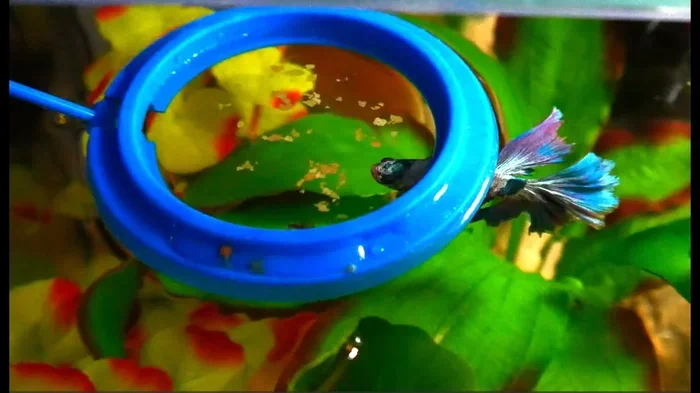
So, how many times a day do i feed betta fish? The answer is 1 to 2 small meals per day, spaced about 12 hours apart. Feeding your betta the right amount at the right frequency keeps them healthy, active, and happy. Overfeeding is the biggest mistake new betta owners make, and it can lead to serious health problems fast.
If you own a betta fish, you have probably stared at the tank and wondered, “How many times a day do i feed betta fish?” It is one of the most common questions new fish owners ask. The truth is that feeding your betta fish the right way matters more than most people realize.
A bad feeding routine can lead to serious health issues. A good one keeps your fish vibrant, colorful, and full of energy. In this guide, we will walk through everything you need to know about betta fish feeding frequency, portion sizes, and the best foods to use.
By the end, you will feel confident about your daily feeding routine. You will also know how to spot the signs of overfeeding and underfeeding. Let us dive in and make sure your betta gets exactly what it needs.
Key Takeaways
- Feed your betta fish 1 to 2 times a day with small portions sized to their eye.
- Overfeeding is the #1 danger and can cause bloating, constipation, and a shortened lifespan.
- High-quality pellets should be the staple of your betta’s daily diet.
- Skip one feeding day per week to help digestion and prevent waste buildup.
- Watch for hunger cues and physical signs to adjust portions and frequency.
- Fasting days and variety keep your betta healthy and engaged.
- Consistency matters more than quantity when it comes to your betta’s feeding routine.
📑 Table of Contents
- The Ideal Feeding Schedule for Betta Fish
- How Much Food Should You Give Each Meal?
- Best Foods for Your Betta Fish
- Common Feeding Mistakes to Avoid
- Signs You Are Feeding Your Betta Fish Too Much or Too Little
- Special Feeding Situations
- Quick Tips for Perfect Betta Feeding
- Expert Insights on Betta Fish Feeding
- Conclusion
The Ideal Feeding Schedule for Betta Fish
So, how many times a day do i feed betta fish? The standard recommendation is one to two small meals per day. This mimics what betta fish would eat in the wild, where they snack on small insects and larvae throughout the day rather than eating large meals.
Most experienced fish keepers suggest feeding your betta once in the morning and once in the evening. Space the meals about 12 hours apart. This gives your fish a consistent routine that supports healthy digestion.
Why Twice a Day Works Best
Feeding your betta fish twice a day strikes the perfect balance. Here is why this schedule works so well:
- It matches their natural eating pattern. Bettas are opportunistic feeders in the wild. They eat small amounts frequently.
- It prevents overeating. Two small meals are easier to control than one large feeding.
- It keeps waste levels low. Less leftover food means cleaner water and a healthier tank.
- It supports steady energy. Your betta stays active and alert throughout the day.
If you are away from home often, once-a-day feeding can also work. Just make sure the portion is small enough. Some owners also ask, can you feed a betta fish every other day? The answer is no for adult bettas. They need daily nutrition. However, a single skip day once a week can be beneficial for digestion.
What About Young Betta Fish?
Young betta fish, also called fry or juveniles, have different needs. They grow fast and need more frequent meals. Baby bettas do best with three to four small feedings per day. As they grow into adults, you can gradually reduce this to twice a day. For more on betta fish care in general, check out our guide on how do I take care of a betta fish.
How Much Food Should You Give Each Meal?
Now that you know the schedule, the next question is portion size. This is where many betta owners go wrong. The general rule is simple: only feed what your betta can eat in two minutes.
A good visual guide is the size of your betta’s eye. Each meal should be roughly the size of the fish’s eyeball. This applies to both pellets and other food types.
The Eye Rule Explained
Here is how the eye rule works in practice:
- Pick up two to three pellets. That is usually the right amount for one feeding.
- Drop them into the tank and watch your betta eat.
- If there are leftover pellets after two minutes, you gave too much.
- Next time, reduce the portion slightly.
For more specific pellet guidance, see our article on how many pellets to feed a betta fish. Getting the portion right is one of the easiest ways to improve your betta’s health and lifespan.
How Much Do I Feed a Betta Fish Per Week?
As a weekly benchmark, an adult betta should eat about five to seven small meals. That translates to roughly 10 to 14 pellets per day if you are feeding twice daily. Some of those pellets can be replaced with frozen or live food for variety and nutrition.
| Feeding Frequency | Portion Per Meal | Daily Total | Best For |
|---|---|---|---|
| Once a day | 3-4 pellets | 3-4 pellets | Busy owners, adult bettas |
| Twice a day | 2-3 pellets | 4-6 pellets | Most adult bettas |
| Three times a day | 1-2 pellets | 3-6 pellets | Young bettas and fry |
Best Foods for Your Betta Fish
Not all fish food is created equal. The quality of food you choose directly affects your betta’s health, color, and energy levels. Let us look at the best options for your betta fish diet.
High-Quality Pellets
Betta-specific pellets should be the foundation of your fish’s diet. Look for pellets that list fish meal or shrimp as the first ingredient. Avoid cheap pellets filled with fillers like corn or wheat. These offer little nutritional value and can cloud your tank water.
Soak the pellets before feeding. Dry pellets expand in the stomach, which can cause bloating and constipation. A quick soak for a few minutes prevents this problem entirely.
Frozen and Live Foods
Bettas are carnivores by nature. They thrive on protein-rich foods. Great options include:
- Bloodworms — a favorite treat, rich in iron and protein.
- Brine shrimp — excellent for color enhancement and growth.
- Daphnia — a natural laxative that aids digestion.
- Mosquito larvae — closest to what bettas eat in the wild.
Use frozen or live foods as a supplement, not a replacement for pellets. Treat these as a special addition two to three times per week. For more details on treating your betta, read about how to do a salt bath for betta fish.
Can I Feed My Betta Fish Bread or Other Human Food?
Absolutely not. Bread expands in the stomach and offers zero nutrition. It can also cause serious digestive blockages. Stick to betta-specific foods and the occasional treat like a tiny piece of cooked shrimp. For more on this, see our article on can I feed a betta fish bread.
Common Feeding Mistakes to Avoid
Even well-meaning owners make feeding mistakes. These errors can shorten your betta’s life or lead to costly vet visits. Here are the most common ones and how to fix them.
Overfeeding
This is the number one killer of pet betta fish. Bettas have small stomachs, and they will eat until they literally cannot move. Overfeeding causes:
- Bloated abdomen that puts pressure on internal organs.
- Constipation which leads to swim bladder disorder.
- Poor water quality from uneaten food rotting in the tank.
- Shortened lifespan due to chronic digestive stress.
The fix is simple: feed less, not more. When in doubt, underfeed. Your betta can go a day without food without any harm. In fact, skipping one day per week helps clear their digestive system.
Feeding Too Frequently
Some owners think more food equals a healthier fish. This is not true. Feeding your betta three or more times a day as an adult leads to excess waste and obesity. Stick to the one-to-two-meal schedule and your betta will thrive.
Ignoring Hunger Cues
Bettas will beg for food even when they are not hungry. This is a natural instinct from the wild, where food is scarce. Do not mistake begging for actual hunger. Watch your fish’s body condition, not its behavior at feeding time.
Signs You Are Feeding Your Betta Fish Too Much or Too Little
Knowing the right amount to feed is one thing. Recognizing when something is off is another skill that every betta owner needs. Let us look at the warning signs on both ends of the spectrum.
Signs of Overfeeding
- Swollen or bloated belly that does not flatten after eating.
- Uneaten food sinking to the bottom of the tank.
- Lethargy and lack of interest in swimming.
- Cloudy water that worsens shortly after feeding.
- Loss of color or faded fins.
Signs of Underfeeding
- Sunken or thin body with a visible spine.
- Lethargy and hiding behavior.
- Fading color and dull fins.
- Aggression or frantic begging at feeding time.
- Slow growth in young bettas.
If you notice any of these signs, adjust your feeding routine right away. For more on identifying health issues, check out our guide on how do you know a betta fish is dying.
Special Feeding Situations
Life happens, and sometimes your normal feeding routine gets disrupted. Here is how to handle common special situations without stressing your betta.
Feeding Your Betta While on Vacation
Going on vacation does not mean your betta goes hungry. An adult betta can safely go three to five days without food. For trips longer than that, consider an automatic feeder or ask a friend to feed your fish. Never leave extra food before you leave. It will foul the water quickly.
For detailed vacation feeding tips, read our article on how do I feed my betta fish on vacation.
Feeding Sick or Recovering Betta Fish
A sick betta may lose its appetite. If your fish is recovering from illness, offer small, easy-to-digest foods like daphnia or softened pellets. Forcing food on a sick fish can make things worse. Focus on water quality and treatment first. For more on this, see our article on how do you cure a sick betta fish.
Feeding During Water Changes or Tank Maintenance
It is best to feed your betta after a water change, not before. Fresh water can contain chlorine or temperature shifts that stress the fish. Wait about 30 minutes after a water change, then offer a small meal. This keeps your betta calm and well-fed.
Quick Tips for Perfect Betta Feeding
Here is a quick-reference list of tips to keep in mind every day:
- Feed at the same times each day to build a routine.
- Soak pellets before adding them to the tank.
- Remove uneaten food within five minutes to keep water clean.
- Skip one feeding day per week for digestive health.
- Rotate between pellets, frozen food, and live treats for balanced nutrition.
- Never feed bread, crackers, or human snacks.
- Watch your betta’s body shape weekly to catch overfeeding early.
- Adjust portions based on water temperature — warmer water speeds up metabolism.
Expert Insights on Betta Fish Feeding
Professional aquarists and betta breeders agree on a few key principles. First, consistency beats quantity. A regular feeding schedule with small portions is far better than irregular large meals. Second, variety prevents nutritional gaps. Even the best pellets do not provide every nutrient your betta needs. Supplementing with frozen or live food keeps your fish in top condition.
Many experienced keepers also recommend observing your betta during feeding. This is not just about making sure they eat. It is also a chance to check for early signs of illness. A betta that refuses food or eats very slowly may be telling you something important about its health.
Finally, remember that every betta is an individual. Some fish are more active and need slightly more food. Others are sedentary and thrive on less. Pay attention to your specific fish and adjust accordingly. For a broader look at betta care, visit our how do you care for a betta fish guide.
Conclusion
Feeding your betta fish does not have to be complicated. The simple answer to “how many times a day do i feed betta fish” is one to two small meals per day. Stick to a consistent schedule, control portion sizes, and choose high-quality food. Avoid the trap of overfeeding, and your betta will reward you with vibrant colors and active behavior for years to come.
Remember that a healthy feeding routine is one of the biggest factors in your betta’s overall well-being. Combine good nutrition with clean water and proper tank conditions, and you set your fish up for a long, happy life. Start today by reviewing your current feeding habits and making small improvements where needed.
Your betta fish depends on you for its health. A little knowledge and a little consistency go a long way. You have got this, and your fish will thank you for it.