How Do You Tell How Old a Betta Fish Is

Figuring out how do you tell how old a betta fish is can be tricky, but there are clear clues to look for. You can estimate a betta fish’s age by checking its color, fin length, body size, and activity level. This guide walks you through every sign that helps you determine your betta’s age accurately.
Key Takeaways
- Color changes: Betta fish develop deeper, more vibrant colors as they mature, which is one of the easiest age indicators.
- Fin growth: Longer, more flowing fins typically mean your betta is older and has reached full maturity.
- Body size: A betta fish grows steadily in its first few months, and size can give you a rough age estimate.
- Behavior shifts: Younger bettas are more active and curious, while older fish tend to be calmer and sleep more.
- Vertical stripes: Stripes on a betta’s body can indicate youth or stress, both of which relate to age and health.
- No exact method exists: Combining multiple signs gives you the most accurate estimate of your betta’s age.
- Proper care matters: Knowing your betta’s age helps you adjust feeding, tank setup, and health monitoring for each life stage.
📑 Table of Contents
How Do You Tell How Old a Betta Fish Is
So you just brought home a beautiful betta fish, or maybe you’ve had one for a while and now you’re curious — how do you tell how old a betta fish is? It’s a great question, and one that many betta owners wonder about. Unlike dogs or cats, bettas don’t come with birth certificates. There’s no microchip or vet record that tells you their exact age.
But here’s the good news. There are several reliable clues you can use to estimate your betta’s age. Things like color, fin length, body size, and behavior all give you hints. By putting these clues together, you can get a pretty solid guess. In this guide, we’ll walk you through each sign step by step. You’ll learn what to look for and what it means.
Whether you’re a first-time betta owner or you’ve had fish for years, understanding your betta’s age helps you provide better care. Different ages need different things. A young betta has different needs than an older one. Let’s dive in and figure out how to read the signs.
Why Knowing Your Betta’s Age Matters
Before we get into the specifics, let’s talk about why age matters so much. Your betta fish’s age affects almost everything about its care. What you feed it, how much you feed it, the tank setup, and even how you monitor its health all change depending on its age. A baby betta needs different food and tank conditions than a full-grown adult.
Also, knowing the age helps you understand behavior. A young betta might be super active and curious. An older betta might prefer to rest more. If you know what’s normal for its age group, you can spot problems early. This is especially important when it comes to health. For example, if you notice your betta acting strangely, checking its age helps you figure out if it’s a normal sign of aging or something more serious like illness. You can learn more about how to tell if your betta fish is sick to catch issues early.
Signs That Reveal Your Betta Fish’s Age
Now let’s get into the fun part. There are several physical and behavioral signs that help you estimate how old your betta fish really is. Let’s break them down one by one.
1. Color Development
Color is one of the strongest age indicators for betta fish. Baby bettas, often called fry, are usually pale and dull. They don’t have the vibrant hues that bettas are famous for. As they grow, their colors start to deepen and spread across their bodies.
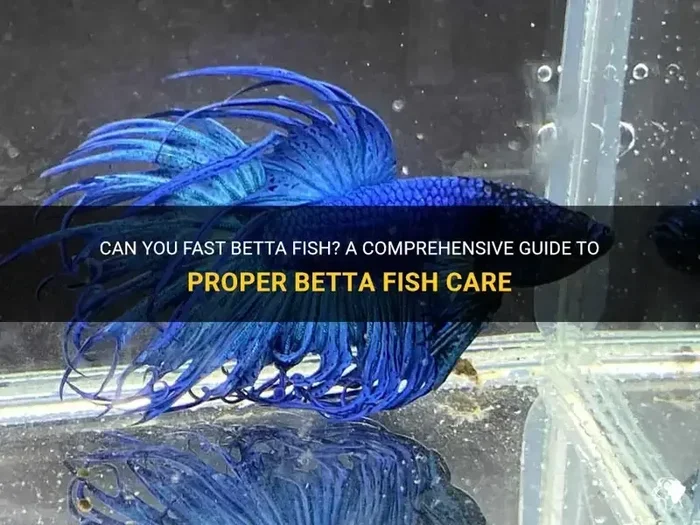
By around 2 to 3 months old, you’ll start seeing real color emerge. At 4 to 6 months, the colors should be quite vivid. A fully mature betta, which is typically around 6 to 12 months old, will display rich, intense colors. If your betta’s colors are still fading in and out, it might be younger than you think.
Quick Tip: Some betta varieties, like the Crowntail Betta, develop their signature extended fins and rich coloring later than other types. Check out our guide on how often to feed a Crowntail Betta fish for age-specific feeding tips.
Keep in mind that stress can also cause color fading. So if your betta suddenly looks pale, it might not be young — it could be stressed or sick. Always consider the full picture.
2. Fin Length and Shape
Fin growth is another excellent clue. Baby bettas have short, stubby fins. As they age, their fins grow longer and more elaborate. By the time a betta reaches full maturity, the fins should be long, flowing, and well-developed.
Male bettas tend to have longer fins than females, and this difference becomes more noticeable as they age. If your betta has short fins that haven’t grown much, it’s likely still young — probably under 3 months old. On the other hand, long, dramatic fins usually mean your fish is at least 4 to 6 months old.
Here’s something interesting. Some bettas develop fin rays that look like crowns or rays. This is especially true for Crowntail and Halfmoon varieties. The more defined these features are, the older your betta likely is. Fin damage from rough tank mates or sharp decorations can confuse things, though. So look at the overall growth pattern, not just one fin.
3. Body Size and Shape
Betta fish grow quickly in their first few months. A newborn betta is tiny — barely visible to the naked eye. By one month old, they’re usually about half an inch long. At 3 months, they grow to around 1.5 to 2 inches. Full-grown bettas typically reach 2.5 to 3 inches in length.
If your betta is still very small, under an inch, it’s probably a baby. A betta that’s around 2 inches is likely a juvenile. And if your fish is close to 3 inches with a rounded, full body, it’s probably an adult.
Expert Insight: Body shape also changes with age. Younger bettas tend to have slimmer, more streamlined bodies. Older bettas often develop a slightly rounder belly, especially if they’re well-fed. This is normal and not a sign of health problems unless paired with other symptoms.
4. Behavior and Activity Level
How your betta acts can tell you a lot about its age. Young bettas are energetic and curious. They explore their tank, build bubble nests, and interact with their surroundings. They swim fast and seem always on the move.
As bettas age, they tend to slow down. Older fish spend more time resting near plants or decorations. They might not build bubble nests as often. If your betta seems less active than usual, it could simply be getting older — or it could be a sign of a health issue.
Quick Tip: If you notice sudden changes in behavior, it’s worth checking for illness. You can read more about how to know if your betta fish is dying to understand serious warning signs.
A good way to think about it is this. A young betta is like a teenager — full of energy and curiosity. An older betta is more like a senior who enjoys a quiet afternoon. Both are normal, but they need different care approaches.
5. Vertical Stripes and Bars
You might notice thin vertical stripes on your betta’s body. These are called bars or stress stripes. In young bettas, these bars can appear naturally as the fish matures. They’re often a sign of growth and development.
However, bars can also appear when a betta is stressed. If your fish just moved to a new tank or has aggressive tank mates, the bars might show up. The key difference is context. If your betta is young and otherwise healthy, the stripes are probably just a normal part of growing up.
If the bars appear alongside clamped fins, loss of appetite, or lethargy, stress or illness is more likely. In that case, you should investigate further and possibly adjust the tank environment or seek treatment.
Betta Fish Growth Stages Explained
Understanding the growth stages of a betta fish makes it much easier to estimate age. Here’s a simple breakdown of what to expect at each stage.
| Age | Stage | Size | Key Characteristics |
|---|---|---|---|
| 0-2 weeks | Fry | Less than 0.2 inches | Tiny, translucent, no color, very small |
| 2-4 weeks | Early Fry | 0.2-0.5 inches | Slight color hints, developing fins |
| 1-3 months | Juvenile | 0.5-1.5 inches | Color developing, fins growing, active |
| 3-6 months | Sub-Adult | 1.5-2.5 inches | Vibrant color, longer fins, bubble nests |
| 6-12 months | Adult | 2.5-3 inches | Full color, full fins, mature behavior |
| 12+ months | Mature Adult | 2.5-3+ inches | Stable color, slower activity, possible aging signs |
Keep in mind that these are general guidelines. Every betta is different. Genetics, diet, and tank conditions all play a role in how fast a betta grows. Some bettas reach full size by 6 months, while others keep growing until they’re a year old or even older.
If you want to learn more about betta fish lifespan and what to expect as your fish ages, check out our article on how long a betta fish life span is. Understanding the full lifespan helps you set realistic expectations for your fish’s age and care needs.
Can You Tell a Betta Fish’s Exact Age?
The honest answer is no. There’s no foolproof way to determine a betta fish’s exact age. Unlike some pets, fish don’t have reliable age markers like rings on a tree. The methods we’ve discussed all give you estimates, not exact numbers.
That said, combining several signs gives you a much better picture. If your betta has vivid color, long fins, a full body, and calm behavior, it’s probably an adult — likely between 6 months and 2 years old. If it’s small, pale, and very active, it’s probably a juvenile under 3 months.
Pet stores often sell bettas that are already a few months old. So if you bought your betta from a store, it’s likely at least 3 to 4 months old. Some stores keep bettas for several months before selling them, which means your “new” fish might already be a few months old before you even bring it home.
How Age Affects Betta Fish Care
Once you have a good idea of your betta’s age, you can tailor its care accordingly. Here’s what changes at different life stages.
Feeding by Age
Young bettas need more frequent feedings to support their fast growth. Baby and juvenile bettas do well with 2 to 3 small feedings per day. Adult bettas only need 1 to 2 feedings per day. Overfeeding is a common mistake, and it can lead to serious health problems like bloating and swim bladder issues.
Quick Tip: If you’re unsure how much to feed, check out our guide on how much to feed a betta fish for age-specific portion sizes.
Tank Setup by Age
All bettas need a properly cycled tank, but younger fish can do well in smaller tanks (5 gallons minimum). Older bettas benefit from slightly larger tanks with gentle filtration and plenty of hiding spots. As bettas age, they become more susceptible to stress, so a calm, stable environment becomes even more important.
Water quality matters at every age. Regular water changes and proper temperature control help your betta live a longer, healthier life. If you’re new to betta care, our article on how to care for a betta fish covers the basics in detail.
Health Monitoring by Age
Young bettas are generally hardy and resilient. They bounce back quickly from minor issues. Older bettas, on the other hand, need closer monitoring. Signs of illness can show up more quickly in aging fish. Keep an eye out for changes in appetite, color, and swimming patterns.
If you ever suspect your betta is unwell, early intervention makes a big difference. Learning to recognize the early signs of sickness can save your fish’s life. For more on this topic, visit our guide on how to know if your betta fish is sick.
Common Mistakes People Make When Guessing Betta Age
There are a few traps that even experienced fish owners fall into. Let’s avoid them.
- Relying on just one sign: Color alone or fin length alone isn’t enough. You need to look at the big picture.
- Ignoring genetics: Some betta varieties naturally have shorter fins or lighter colors. This doesn’t mean they’re young.
- Assuming store-bought bettas are adults: Many store-bought bettas are juveniles. They may look mature but still have growing to do.
- Confusing stress signs with age: Pale color or clamped fins can mean stress, not youth. Always check tank conditions first.
- Thinking all bettas grow at the same rate: Diet, tank size, and water quality all affect growth speed. A well-fed betta in a clean tank grows faster than one in poor conditions.
Avoiding these mistakes helps you get a much more accurate age estimate. It also ensures you’re providing the right care for your fish’s actual needs.
Final Thoughts
So, how do you tell how old a betta fish is? The answer is that you look at the whole picture. Color, fin length, body size, behavior, and the presence of bars all work together to give you a solid estimate. No single sign tells the full story, but when you combine them, you get a clear picture of where your betta stands in its life journey.
Remember, knowing your betta’s approximate age helps you make better care decisions. You’ll know what to feed, how to set up the tank, and what health signs to watch for. It’s all part of being a responsible and caring betta fish owner.
Your betta fish brings joy and color to your home. Taking the time to understand its age and needs is one of the best things you can do for it. With the right care and attention, your betta can live a happy, healthy life for years to come. Keep observing, keep learning, and enjoy every moment with your finned friend.
Frequently Asked Questions
Can you tell a betta fish’s age by its color?
Yes, color is one of the best indicators. Young bettas are pale and dull, while adult bettas develop rich, vibrant colors. If your betta has deep, intense coloring, it’s likely at least 4 to 6 months old. However, stress can also cause color fading, so always consider other factors too.
How big should a betta fish be at 3 months old?
At 3 months old, a betta fish is typically around 1 to 1.5 inches long. Some bettas grow faster than others depending on genetics, diet, and tank conditions. By 6 months, most bettas reach their full size of 2.5 to 3 inches.
Is it possible to tell if a betta fish is a baby?
Yes. Baby bettas are very small, usually under 0.5 inches, with pale coloring and short, undeveloped fins. They also tend to be extremely active and curious. If your fish shows these traits, it’s likely a juvenile under 2 months old.
Do older betta fish need different food than younger ones?
Yes, they do. Young bettas need more frequent, protein-rich feedings to support growth. Adult bettas do well with 1 to 2 feedings per day of high-quality pellets or flakes. Older bettas may also benefit from easier-to-digest foods to prevent bloating and digestive issues.
What age do betta fish reach full maturity?
Betta fish typically reach full maturity at around 6 months old. At this point, their colors are fully developed, their fins are at their longest, and they display adult behaviors like bubble nest building. Some varieties may take up to 12 months to fully mature.
Can stress make a betta fish look younger than it is?
Yes, stress can cause color fading and a pale appearance, which might make an older betta look younger. Clamped fins and loss of vibrancy are common stress responses. Always check tank conditions and water quality before assuming a betta’s age based on appearance alone.