How Often Do You Feed a Crowntail Betta Fish
Feeding a crowntail betta fish correctly is key to its health and brilliant coloration. Most experts recommend 2‑3 small meals per day, adjusting for age, activity, and water temperature. Follow our detailed guide for a happy, thriving betta.
Key Takeaways
- Frequency: Offer 2‑3 small feedings daily for adult crowntail bettas.
- Portion size: Only what the fish can eat in 2‑3 minutes prevents over‑feeding.
- Life stage matters: Fry need more frequent, tiny meals; adults need less.
- Temperature influence: Warmer water speeds metabolism, slightly increasing feeding needs.
- Quality over quantity: High‑protein pellets or frozen foods are best.
- Observe behavior: Skipping meals or excess leftovers signal health issues.
- Consistent schedule: Feeding at the same times each day reduces stress.
📑 Table of Contents
- Introduction: Why Feeding Matters for Crowntail Bettas
- 1. Understanding the Crowntail Betta’s Natural Eating Habits
- 2. General Feeding Frequency for Adult Crowntail Bettas
- 3. Adjusting Frequency by Life Stage
- 4. Portion Size: The “Two‑Minute Rule”
- 5. Types of Food and How They Fit Into Your Schedule
- 6. Special Situations That Change Feeding Frequency
- 7. Practical Tips for Consistent Feeding
- Conclusion: Feeding Your Crowntail Betta for a Lifetime of Color
Introduction: Why Feeding Matters for Crowntail Bettas
When you first bring home a crowntail betta, its flowing fins and vivid colors are mesmerizing. Those spectacular traits are not just for show—they’re a direct reflection of how well you care for the fish, especially when it comes to feeding. A proper feeding routine supplies the nutrients needed for strong fins, bright hues, and a robust immune system.
Many new owners wonder, how often do you feed a crowntail betta fish? The answer isn’t a one‑size‑fits‑all number; it depends on age, activity level, water temperature, and the type of food you offer. In this guide we’ll break down everything you need to know, from daily schedules to special situations, so you can feed your crown‑tailed beauty with confidence.
1. Understanding the Crowntail Betta’s Natural Eating Habits
Wild diet vs. captive diet
In the wild, Siamese fighting fish (Betta splendens) hunt tiny insects, larvae, and small crustaceans that float near the water’s surface. Their natural diet is high in protein and low in carbohydrates. In captivity, we mimic this with high‑quality betta pellets, frozen or live foods such as daphnia, brine shrimp, and bloodworms.
Visual guide about How Often Do You Feed a Crowntail Betta Fish
Image source: mundobytes.com
Metabolism and temperature
Betta metabolism is ectothermic—meaning it changes with water temperature. At 78°F (25.5°C), a crowntail’s digestive system works at full speed, while cooler water (70°F / 21°C) slows it down. This is why temperature plays a role in how often you should feed.
2. General Feeding Frequency for Adult Crowntail Bettas
Standard recommendation: 2‑3 meals per day
The most common guideline, supported by seasoned hobbyists and veterinarians, is to feed adult bettas two to three times daily. This schedule balances nutrient intake without overwhelming their tiny stomachs.

Visual guide about How Often Do You Feed a Crowntail Betta Fish
Image source: ebxwx.com
For example, you might feed at 9 am, 2 pm, and 7 pm. If you choose only two feedings, keep them spaced about 8‑10 hours apart.
Why not once‑a‑day?
Feeding once daily can lead to aggressive gulping, which increases the risk of constipation and bloating. Multiple small meals keep the digestive tract moving smoothly.
Link to broader betta feeding guidance
For a deeper dive into timing, see our article on how often do you feed a betta fish. The principles are the same, but the crowntail’s fin structure makes steady, moderate feeding especially important.
3. Adjusting Frequency by Life Stage
Fry (0‑4 weeks)
Crowntail fry are tiny and have very fast metabolisms. Feed them 4‑5 times per day with infusoria or microworms. As they grow, transition to newly hatched brine shrimp and then to finely crushed pellets.

Visual guide about How Often Do You Feed a Crowntail Betta Fish
Image source: i.ytimg.com
Juveniles (1‑3 months)
At this stage, reduce feedings to three times daily. Portion sizes should still be small—about the size of a pinhead each time.
Adults (4+ months)
Stick with the 2‑3 meals per day rule. If your fish is particularly active (e.g., frequent fin displays), you can add a tiny snack mid‑day, but never exceed three meals.
4. Portion Size: The “Two‑Minute Rule”
How much is enough?
Offer only as much food as your crowntail can swallow in 2‑3 minutes. This usually translates to 2‑4 pellets per feeding for most adults. If you’re feeding frozen or live foods, a few tiny pieces (about the size of a pea) are sufficient.
Signs of over‑feeding
- Swollen abdomen
- Cloudy water from excess waste
- Lethargy or loss of appetite the next day
Signs of under‑feeding
- Fading colors
- Reduced activity and fin movement
- Weight loss over weeks
5. Types of Food and How They Fit Into Your Schedule
High‑quality betta pellets
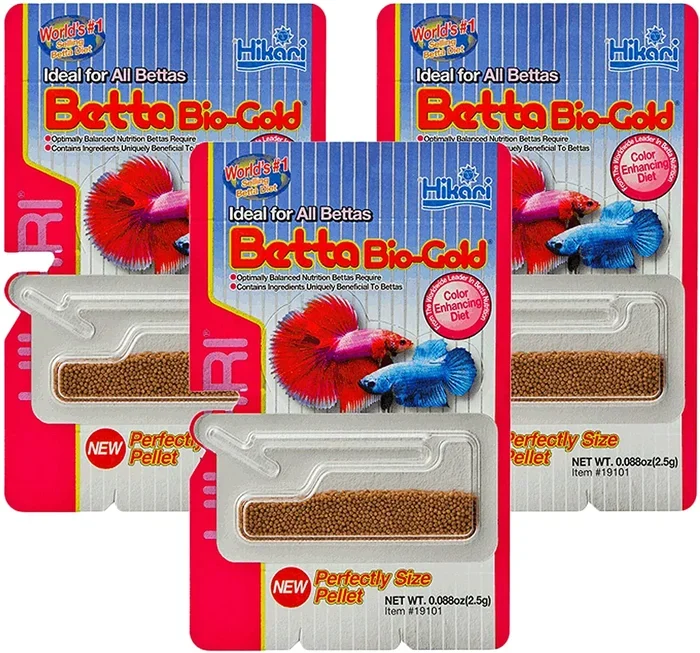
Pellets are convenient, nutritionally balanced, and sink slowly—perfect for the surface‑feeding crowntail. Choose pellets that list “betta” or “tropical fish” as the first ingredient.
Frozen or live options
Bloodworms, daphnia, and brine shrimp add variety and boost protein. Feed these as a treat 2‑3 times per week, not every day, to prevent digestive upset.
Vegetable matter
Occasional blanched peas help with digestion and prevent constipation. Offer a tiny pea once a week, mashed lightly.
Link to feeding methods
Need tips on choosing the right food? Check out how do you feed a betta fish for a step‑by‑step guide.
6. Special Situations That Change Feeding Frequency
Cold water or seasonal changes
When temperatures dip below 75°F (24°C), metabolism slows. Reduce feedings to twice daily and watch for leftovers.
Breeding season
Male crowntail bettas may become less interested in food while guarding a bubble nest. Offer small meals and monitor closely; if the male stops eating for several days, gently reduce the amount to avoid waste.
Sick or stressed fish
If your betta shows signs of illness (white spots, ragged fins, loss of appetite), feed high‑protein, easily digestible foods like boiled egg yolk (a tiny pinch) once daily until recovery. For detailed care, see how to feed a sick betta fish.
Overnight fasting
Some keepers skip the evening feed to give the fish a short fast, which can aid digestion. If you try this, ensure the morning and afternoon meals are adequate.
7. Practical Tips for Consistent Feeding
Use a feeding schedule chart
Write down feeding times on a sticky note near the tank. Consistency reduces stress and helps you notice changes in appetite.
Remove uneaten food
After 3‑5 minutes, gently scoop out any leftover pellets. This keeps water quality high and prevents ammonia spikes.
Observe behavior
Happy crowntails flare their fins, swim actively, and quickly take food. If they seem sluggish or ignore food, investigate water parameters and health.
Link to water maintenance
Good water quality supports healthy eating. Learn how to keep the tank pristine in how do you change a betta fish water.
Conclusion: Feeding Your Crowntail Betta for a Lifetime of Color
Knowing how often do you feed a crowntail betta fish is the cornerstone of responsible betta ownership. By offering 2‑3 small meals daily, adjusting for age and temperature, and providing high‑quality protein sources, you’ll enjoy a vibrant, active fish that shows off its spectacular crown‑like fins for years to come. Remember to watch for signs of over‑ or under‑feeding, keep a consistent schedule, and maintain clean water. With these simple practices, your crowntail betta will thrive, and you’ll gain the satisfaction of caring for one of the aquarium world’s most beautiful creatures.
Frequently Asked Questions
How many times a day should I feed an adult crowntail betta?
Two to three small meals per day is ideal. Space them evenly, such as morning, midday, and evening, to keep digestion steady.
Can I feed my crowntail betta once a day?
It’s possible, but a single large feeding can cause gulping and constipation. Splitting the food into two or three meals is healthier.
What size portion is right for a crowntail betta?
Offer only what the fish can eat in 2‑3 minutes—usually 2‑4 pellets or a few tiny frozen bites per feeding.
Do crowntail bettas need different food than other bettas?
No. High‑protein betta pellets, supplemented with occasional frozen or live foods, work well for all betta varieties, including crowntail.
How does water temperature affect feeding frequency?
Warmer water speeds metabolism, so a slightly higher feeding frequency (up to three meals) is fine. In cooler water, reduce to two meals and watch for leftovers.
What should I do if my crowntail betta stops eating?
Check water parameters, look for signs of illness, and consider offering a bland, easy‑to‑digest food like a tiny piece of boiled egg yolk. If the issue persists, consult a vet.