How to Make Frozen Fish Better
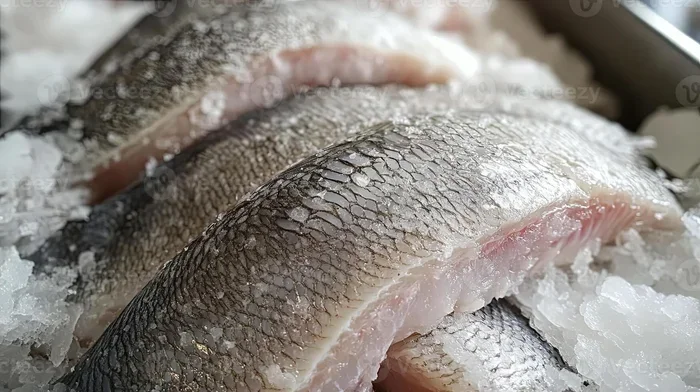
Frozen fish can taste amazing if you know the right steps. Making frozen fish better starts with proper thawing, smart seasoning, and gentle cooking. Whether you are preparing fish for your own meal or your betta fish diet, these tips will transform frozen fillets into something delicious. You will learn how to restore moisture, boost flavor, and avoid common mistakes that ruin frozen seafood.
Frozen fish is a convenient and affordable option for many households. But let us be honest. Sometimes it tastes bland, feels rubbery, or smells less than fresh. The good news is that you can make frozen fish better with a few simple steps. Whether you are cooking for your family or preparing frozen fish food for your betta fish, these techniques work wonders. In this guide, we walk you through every stage of improving frozen fish quality.
Many people assume frozen fish is inferior to fresh fish. That is not always true. When handled correctly, frozen fish can be just as tasty and nutritious. The key lies in how you thaw it, season it, and cook it. Making frozen fish better is not about fancy techniques. It is about understanding the basics and applying them consistently. Let us dive in and explore how you can elevate your frozen fish game today.
Key Takeaways
- Thaw frozen fish slowly in the fridge for the best texture and safety.
- Pat fish dry before seasoning to help flavors stick and crispiness form.
- Use simple seasonings like lemon, garlic, and herbs to enhance frozen fish taste.
- Avoid overcooking frozen fish, which dries it out quickly.
- Store frozen fish properly at 0°F or below to maintain freshness.
- Compare thawing methods to find the one that suits your schedule.
- Apply these tips for betta fish food prep when using frozen options.
📑 Table of Contents
- Why Frozen Fish Needs Extra Care
- How to Thaw Frozen Fish the Right Way
- Seasoning Frozen Fish for Maximum Flavor
- Cooking Techniques That Improve Frozen Fish
- Common Mistakes That Ruin Frozen Fish
- Expert Tips for the Best Results
- Using Frozen Fish for Betta Fish Food
- The Science Behind Better Frozen Fish
- How to Store Frozen Fish for Best Quality
- Conclusion
Why Frozen Fish Needs Extra Care
Frozen fish goes through a process that affects its texture and flavor. When fish is frozen, ice crystals form inside the muscle fibers. These crystals can damage the cell structure. When you thaw the fish, moisture leaks out. This is why frozen fish often feels dry or mushy compared to fresh fish.
But this does not mean you are stuck with bad fish. A few smart moves can reverse much of the damage. Understanding why frozen fish behaves differently is the first step toward improving fish taste and texture. Once you know what is happening at the cellular level, the rest becomes easy.
The Freezing Process Explained
Fish is typically flash-frozen shortly after being caught. This rapid freezing helps preserve quality. However, slow freezing at home can create larger ice crystals. Larger crystals mean more cell damage. That is why store-bought frozen fish is usually better than fish you freeze yourself at home.
If you buy frozen frozen fish fillets, look for vacuum-sealed packages. These keep air exposure to a minimum. Air exposure causes freezer burn, which ruins flavor and texture. Always check the expiration date and store your fish at the right temperature.
How to Thaw Frozen Fish the Right Way
Thawing is the most important step when you want to make frozen fish better. How you thaw your fish directly affects its final taste and texture. There are several methods, and some work much better than others.
Method 1: Thaw in the Refrigerator
This is the best method for quality. Place your frozen fish in the fridge the night before you plan to cook it. It thaws slowly and evenly. This gentle process preserves the fish texture and keeps moisture locked in.
Put the fish on a plate or in a shallow dish. This catches any liquid that drips out. Cover it with plastic wrap to prevent odors from spreading. Most fillets will be fully thawed in 12 to 24 hours.
Method 2: Cold Water Bath
If you forgot to plan ahead, the cold water method saves the day. Seal the fish in a zip-lock bag and remove all air. Submerge the bag in cold water for about 30 minutes per pound.
Change the water every 20 minutes to keep it cold. Never use warm or hot water. Warm water starts cooking the outer layer while the inside stays frozen. This creates uneven texture and can breed bacteria.
Method 3: Microwave Thawing
The microwave is the fastest option, but it comes with risks. Use the defrost setting and check the fish every 30 seconds. Microwaves heat unevenly, which can partially cook the edges of your fish.
This method works best in emergencies only. If you use the microwave, cook the fish immediately after thawing. Do not let it sit. Improving fish taste starts with choosing the right thawing method.
| Thawing Method | Time | Quality Result | Best For |
|---|---|---|---|
| Refrigerator | 12-24 hours | Excellent | Best texture and flavor |
| Cold Water Bath | 30-60 minutes | Good | Quick thaw with decent quality |
| Microwave | 5-10 minutes | Fair | Emergency situations only |
Seasoning Frozen Fish for Maximum Flavor
Once your fish is thawed, seasoning becomes your best tool. Plain frozen fish often tastes flat because freezing dulls natural flavors. The right seasonings bring the taste back to life.
Simple Seasoning Combinations
You do not need a complicated recipe to make frozen fish taste great. Start with the basics. Olive oil, salt, pepper, and a squeeze of lemon work beautifully. These ingredients brighten the flavor without overpowering the natural taste of the fish.
Here are some easy combinations to try:
- Mediterranean: Olive oil, garlic, oregano, lemon zest, and black pepper.
- Asian-inspired: Soy sauce, sesame oil, ginger, and a touch of honey.
- Herb butter: Softened butter, fresh dill, parsley, garlic powder, and a pinch of salt.
- Smoky: Paprika, cumin, smoked paprika, and a drizzle of olive oil.
Rub your seasonings onto the fish at least 15 minutes before cooking. This gives the flavors time to penetrate. If you are preparing betta fish food at home, keep seasonings minimal. Bettas do not need added salt or heavy spices.
Marinating Frozen Fish
Marinating is another excellent way to make frozen fish better. A simple marinade adds moisture and depth. Use acidic ingredients like lemon juice, lime juice, or vinegar. These help break down proteins and tenderize the fish.
Marinate for 20 to 30 minutes. Do not marinate for too long, or the acid will start to cook the fish. This creates a mushy texture. Pat the fish dry before cooking to get a nice sear.
Cooking Techniques That Improve Frozen Fish
How you cook frozen fish matters just as much as how you thaw and season it. The wrong cooking method can make even good fish taste terrible. The right method brings out the best in your fillets.
Baking Frozen Fish
Baking is one of the easiest and most reliable methods. Preheat your oven to 400°F. Place the thawed fish on a parchment-lined baking sheet. Drizzle with olive oil and add your favorite seasonings.
Bake for 12 to 15 minutes. The fish is done when it flakes easily with a fork. Baking keeps the fish moist and cooks it evenly. This method works well for thicker fillets like cod, halibut, and salmon.
Pan-Searing Frozen Fish
Pan-searing gives you a crispy exterior while keeping the inside tender. Heat a skillet over medium-high heat with a thin layer of oil. Place the fish fillet away from you in the pan.
Cook for 3 to 4 minutes per side. Do not move the fish around too much. Let it form a golden crust before flipping. If you are cooking frozen fish directly from frozen, add a few extra minutes to each side. The result should be a crispy outside and a moist inside.
Steaming Frozen Fish
Steaming is the gentlest cooking method. It preserves moisture and keeps the fish texture soft and flaky. Bring a pot of water to a boil and place a steamer basket on top.
Lay the fish in the basket, cover with a lid, and steam for 8 to 10 minutes. Steaming works especially well for thinner fillets. It is also a healthy option because it does not require added fat.
Common Mistakes That Ruin Frozen Fish
Even with the best intentions, people make mistakes that undo all their hard work. Avoiding these common errors will help you serve better frozen fish every time.
Mistake 1: Thawing at Room Temperature
Leaving frozen fish on the counter to thaw is risky. Bacteria grow quickly at room temperature. The outer layer of the fish can enter the danger zone while the inside is still frozen. Always thaw fish in the fridge or in cold water.
Mistake 2: Overcooking
Overcooked fish becomes dry and chalky. Frozen fish is especially prone to this because it has already lost some moisture during freezing. Check the fish early and often. Remove it from the heat as soon as it flakes easily.
Mistake 3: Skipping the Pat-Dry Step
Moisture on the surface of the fish prevents browning. If you want a crispy sear, always pat the fish dry with a paper towel before seasoning or cooking. This simple step makes a huge difference in the final result.
Mistake 4: Using Old or Improperly Stored Fish
Frozen fish has a shelf life. It does not last forever. Store frozen fish at 0°F or below. Use it within 3 to 6 months for the best quality. Fish that has been in the freezer too long develops off-flavors and freezer burn.
Expert Tips for the Best Results
Want to take your frozen fish to the next level? These expert-backed tips will help you achieve restaurant-quality results at home.
Rinse and Dry Before Cooking
Give your thawed fish a quick rinse under cold water. This removes any surface ice crystals or loose proteins. Pat it completely dry with paper towels. Dry surfaces brown better and hold seasonings more effectively.
Let the Fish Rest After Cooking
Just like meat, fish benefits from resting after cooking. Remove it from the heat and let it sit for 2 to 3 minutes. This allows the juices to redistribute throughout the fillet. The result is a moister, more flavorful piece of fish.
Add Acid at the End
A squeeze of fresh lemon or lime juice right before serving brightens the entire dish. Acid lifts the flavors and cuts through any fishiness. This trick works especially well for milder fish like tilapia and cod.
Use a Thermometer
Invest in a simple kitchen thermometer. Fish is safe to eat at an internal temperature of 145°F. Using a thermometer takes the guesswork out of cooking and prevents overcooking.
Using Frozen Fish for Betta Fish Food
If you are raising betta fish, you might wonder about using frozen fish as food. Many betta owners feed their fish frozen brine shrimp or bloodworms. These are high-quality protein sources that mimic a betta’s natural diet.
When preparing frozen fish food for bettas, always thaw the food first. Use a small amount of tank water to thaw frozen cubes. Never use hot water or microwave the food. This preserves nutrients and prevents damaging the proteins.
Feed your betta only what it can consume in 2 to 3 minutes. Overfeeding leads to poor water quality and health issues. For more tips on keeping your betta healthy, check out our guide on how to make your betta fish healthy again. You can also learn more about preparing homemade fish food in our article on how to make betta fish food at home.
The Science Behind Better Frozen Fish
Freezing fish is essentially a preservation method. When done correctly, it locks in nutrients and flavor. The key is minimizing ice crystal damage and preventing freezer burn. Understanding this science helps you make better choices at the store and in your kitchen.
Quick freezing creates smaller ice crystals. Smaller crystals mean less damage to cell walls. This is why commercially frozen fish often tastes better than fish you freeze at home. Commercial operations use blast freezers that freeze fish extremely fast.
At home, your freezer may not freeze as quickly. This is why it is important to buy fish that was flash-frozen at sea. Look for labels that say flash-frozen or individually quick-frozen (IQF). These terms indicate better quality frozen seafood.
How to Store Frozen Fish for Best Quality
Proper storage is essential for maintaining frozen fish quality. Even the best fish will degrade if stored incorrectly. Follow these simple storage rules to keep your frozen fish fresh.
- Keep your freezer at 0°F or below. This is the optimal temperature for frozen fish storage.
- Use vacuum-sealed bags when possible. They prevent air exposure and freezer burn.
- Label and date every package. Use frozen fish within 3 to 6 months for the best taste.
- Do not refreeze thawed fish. Refreezing damages the texture and increases bacteria risk.
- Store fish away from strong-smelling foods. Fish can absorb odors from other items in your freezer.
If you buy fish in bulk, portion it out before freezing. This way, you only thaw what you need. Reducing the number of freeze-thaw cycles keeps your frozen fish quality high for longer.
Conclusion
Making frozen fish better is easier than most people think. The secret is in the details. Proper thawing, smart seasoning, and gentle cooking transform frozen fillets into a delicious meal. You no longer need to settle for bland or rubbery fish. With the tips in this guide, you can serve fish that tastes fresh, flaky, and full of flavor.
Remember to avoid the common mistakes that ruin frozen fish. Thaw in the fridge, pat dry before cooking, and do not overcook. These small habits add up to big improvements. Whether you are cooking for yourself, your family, or preparing betta fish food, these techniques deliver real results.
Start with one or two of these tips today. Notice the difference in taste and texture. Once you see the results, you will never look at frozen fish the same way again. Happy cooking!
Frequently Asked Questions
Can you make frozen fish taste as good as fresh fish?
Yes, absolutely. With proper thawing, seasoning, and cooking techniques, frozen fish can taste very close to fresh fish. The key is to never overcook and to season generously. Freshness at purchase also plays a big role in the final result.
What is the best way to thaw frozen fish without ruining the texture?
Thawing in the refrigerator overnight is the best method. It keeps the fish at a safe temperature and preserves moisture. If you need faster results, use a cold water bath. Avoid the microwave whenever possible, as it can create uneven texture.
Is it safe to cook frozen fish without thawing it first?
Yes, it is safe, but the results may not be as good. Cooking from frozen can lead to uneven cooking and a softer texture. If you must cook from frozen, add extra time and use lower heat to prevent the outside from burning before the inside cooks through.
How long can you keep frozen fish in the freezer?
For best quality, use frozen fish within 3 to 6 months. After that, the fish may develop freezer burn or lose flavor. Always store fish at 0°F or below and keep it in airtight packaging to extend its shelf life.
Can frozen fish be used as food for betta fish?
Yes, certain frozen fish foods like brine shrimp and bloodworms are excellent for bettas. Always thaw the food in tank water before feeding. Never use hot water or microwave the food, as this can destroy important nutrients your betta needs.
Why does my frozen fish smell fishy after thawing?
A strong fishy smell often means the fish was not fresh when it was frozen, or it has been stored too long. Freshly frozen fish should have a mild ocean smell. If the odor is strong or unpleasant, it is best to discard the fish for safety reasons.