Can Goldfish Live with Female Betta Fish

Goldfish and female betta fish generally should not be housed together, as their vastly different environmental and behavioral needs make cohabitation risky. Goldfish require cool, well-filtered water and produce significant waste, while female bettas thrive in warmer, calmer tropical environments—creating incompatible tank conditions that stress both species. Additionally, goldfish may nip at a betta’s fins, and even peaceful female bettas can display aggression, increasing the chance of injury or disease. For the health and safety of both fish, it’s best to keep them in separate, species-appropriate tanks.
Key Takeaways
- Temperature mismatch: Goldfish need cold water; female Bettas require warm tropical temperatures.
- Size and aggression: Female Bettas can be territorial and may nip at slow goldfish fins.
- Water quality needs: Goldfish produce heavy waste, stressing Bettas with poor water conditions.
- Dietary differences: Goldfish and Bettas require different nutritional profiles for optimal health.
- Tank size matters: Both species need ample space, but their environmental needs still conflict.
- Safer alternatives: Choose tank mates with similar temperature and temperament requirements.
📑 Table of Contents
- Can Goldfish Live with Female Betta Fish? The Honest Answer You Need
- The Biggest Reason: They Need Completely Different Water
- More Than Just Temperature: Other Critical Differences
- What Happens If You Try It Anyway?
- Creating the Perfect Home for Your Female Betta
- Creating the Perfect Home for Your Goldfish
- Final Thoughts: Happiness Is Separate Tanks
Can Goldfish Live with Female Betta Fish? The Honest Answer You Need
So, you’re staring at your goldfish tank, then glancing at that beautiful female betta in her own little setup, and a thought pops into your head: “Wouldn’t it be amazing if they could just… share a space?” I get it. I really do. The idea of a diverse, colorful community tank is incredibly appealing. It’s like imagining a peaceful underwater neighborhood where everyone just gets along.
But here’s the thing, and I’m going to be straight with you because your fish deserve it: the answer to “can goldfish live with female betta fish” is a resounding no. It’s not a maybe, a sometimes, or a “it depends.” It’s a hard no. And the reason isn’t about personality clashes or bad luck; it’s about fundamental biology. These two fish are built for completely different worlds, and forcing them together is a recipe for stress, sickness, and a very sad outcome for one or both of them.
I know that’s not what you wanted to hear. Trust me, I’ve been there. But stick with me. Understanding *why* they can’t live together is the first step to creating the absolute best life for each of them. We’ll dive into the real reasons, from water temperature to diet, and I’ll even give you some fantastic alternatives for tank mates that will actually thrive with your female betta. Let’s make sure your aquatic friends are happy and healthy, even if they have to live in separate apartments.
The Biggest Reason: They Need Completely Different Water
This is the deal-breaker, the non-negotiable fact that makes cohabitation impossible. It’s all about the water, and specifically, the temperature. Think of it like this: you wouldn’t ask a polar bear to live in the Sahara Desert, right? Well, asking a goldfish and a betta to share a tank is the aquatic equivalent.
Goldfish Are Coldwater Fish
Goldfish are what we call coldwater fish. They thrive in cooler temperatures, typically between 65-72°F (18-22°C). They are incredibly hardy and can even survive in unheated ponds over winter. Their bodies are designed to be efficient in this cooler environment. Warmer water actually speeds up their metabolism, which can lead to stress and a shorter lifespan. They produce a lot of waste, which is another factor we’ll get to, but their core need is for that cool, refreshing water.
Bettas Are Tropical Fish
On the other side of the aquarium, we have the betta fish, including your lovely female. Bettas are tropical fish, hailing from the warm, shallow waters of Southeast Asia. They absolutely require a heater to survive and be healthy. Their ideal temperature range is a cozy 76-82°F (24-28°C). If the water is too cold, their immune system shuts down, they become lethargic, and they are very susceptible to diseases like fin rot and ich. A betta in a cold goldfish tank is a betta that is slowly suffering.
The Impossible Compromise
So, what happens if you try to find a middle ground? Let’s say you set the tank to 74°F. For the goldfish, this is too warm. It will stress them out, increase their waste production, and make them prone to illness. For the betta, this is too cold. It will suppress her immune system and leave her feeling sluggish and vulnerable. There is no temperature that is safe and healthy for both. One will always be living in a state of chronic stress, which is a death sentence in the fish world. This fundamental incompatibility is the primary reason why experts and experienced hobbyists will always advise against trying to make this pairing work.
More Than Just Temperature: Other Critical Differences
While temperature is the biggest hurdle, it’s not the only one. Goldfish and bettas are different in so many other ways that make them completely incompatible tank mates. It’s like trying to put a cat and a dog in the same kennel and hoping for the best. Their needs are just too different.
A Massive Difference in Size and Waste
Let’s talk about size. A common goldfish might start small, but it can grow to be 6-12 inches long, depending on the variety. A fancy goldfish will get to be the size of a softball. A female betta, on the other hand, is a petite fish, usually only about 2-3 inches long. This size difference alone is a problem. A large, clumsy goldfish could easily injure a small, delicate betta just by bumping into her during feeding time.
And then there’s the waste. Goldfish are notoriously messy. They are eating machines and produce a huge amount of ammonia-rich waste. This requires a powerful filtration system and frequent water changes to keep the water safe. Bettas, with their long, flowing fins, are extremely sensitive to poor water quality. The high levels of ammonia and nitrites that a goldfish produces would quickly burn a betta’s gills and fins, leading to severe health problems. You’d be fighting a losing battle to keep the water clean enough for the betta while being appropriate for the goldfish.
Different Diets for Different Fish
Their dietary needs are also worlds apart. Goldfish are omnivores and need a diet high in fiber and vegetation. They do best with specialized goldfish flakes or pellets, along with blanched veggies like peas and zucchini. Bettas, however, are primarily carnivores. They need a protein-rich diet of betta-specific pellets, frozen bloodworms, and brine shrimp.
If you feed them the same food, one of them will be malnourished. A betta eating goldfish food won’t get enough protein, and a goldfish eating betta food will get too much. This is another layer of complexity that makes keeping them together not just difficult, but practically impossible to do correctly. You can’t even feed them properly in the same tank!
A Clash of Personalities and Swimming Styles
Finally, let’s talk about behavior. Goldfish are generally peaceful but can be boisterous and clumsy swimmers. They are also notorious fin nippers. Those long, flowing betta fins? They look like toys to a goldfish. It’s almost a guarantee that a goldfish will nip at your betta’s fins, causing injury, stress, and potential infection.
While female bettas are less aggressive than males, they are still territorial and can be feisty. A stressed betta might become aggressive towards the goldfish, or more likely, she will become reclusive and hide constantly, terrified of her tank mate. Neither scenario is acceptable. For more information on suitable companions, check out our guide on can female bettas live with other fish.
What Happens If You Try It Anyway?
I know some people think, “I’ll just try it and see what happens.” I’ve heard stories, and they never end well. Let’s walk through the likely timeline of events if you were to put a goldfish and a female betta together. It’s not a pretty picture, and it’s important to understand the potential consequences.

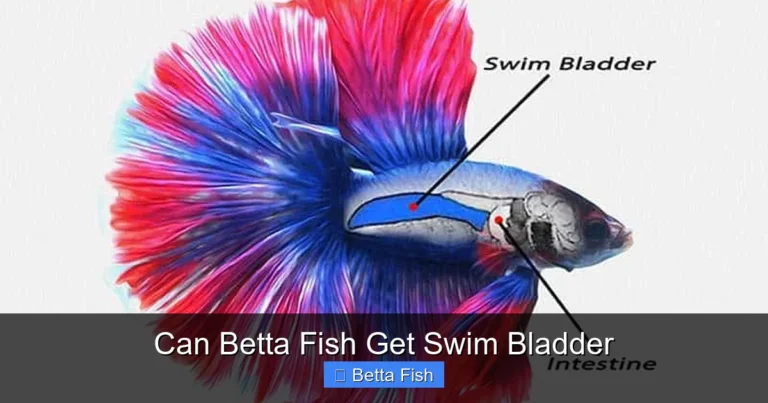
Visual guide about Can Goldfish Live with Female Betta Fish
Image source: otakukart.com
The First Few Days: Stress and Hiding
Initially, both fish will be stressed. The betta will likely hide, her colors might fade, and she’ll be very still. The goldfish will probably be curious and might start nipping at the betta’s fins. The water parameters will already starting to become an issue, as the goldfish’s waste builds up quickly. You might not see any major problems yet, but internally, both fish are struggling.
The First Week: Illness Sets In
Within a week, you’ll start to see the signs of illness. The betta, stressed by the cold water and poor water quality, will likely develop fin rot or ich. Her fins will look ragged, or you’ll see white spots on her body. The goldfish, stressed by the warm water, might start to develop bacterial infections or become lethargic. You’ll be running back and forth to the pet store, buying medications, and doing frantic water changes, but you’re just treating the symptoms, not the cause.
The Long-Term Outcome: A Tragedy
Without intervention, one or both fish will die. It’s not a matter of if, but when. The betta, being smaller and more sensitive, is usually the first to succumb. It’s a slow, painful, and completely avoidable death. The goldfish might survive longer, but it will be living in a constant state of stress, which will shorten its lifespan significantly. Is a temporary experiment really worth the life of a living creature? I don’t think so.
Creating the Perfect Home for Your Female Betta
Okay, so we’ve established that a goldfish is a terrible idea. But your female betta still deserves a vibrant, interesting life! The good news is there are many amazing tank mates that can live peacefully with a female betta. The key is choosing species that share her water parameters and have a calm temperament.
The Ideal Tank Setup
First, let’s make sure her home is perfect. A female betta needs a minimum of a 5-gallon tank, but 10 gallons is even better, especially if you want to add friends. The tank must have a heater to keep the water between 76-82°F and a gentle filter. Bettas hate strong currents, so a sponge filter is a great choice. The tank should have plenty of live or silk plants for hiding spots and to break up sightlines, which helps reduce aggression. Avoid plastic plants, as they can tear her delicate fins.
Great Tank Mates for Female Bettas
When choosing tank mates, look for small, peaceful fish that won’t nip fins or compete for food. Some excellent options include:
- Corydoras Catfish: These little bottom-dwellers are peaceful, active, and help clean up leftover food. They prefer the same warm water as bettas.
- Harlequin Rasboras: A small, schooling fish that is calm and beautiful. They add a lot of movement and color to the tank without bothering the betta.
- Ember Tetras: Another small, peaceful schooling fish. Their tiny size and calm demeanor make them a perfect match.
- Mystery Snails or Nerite Snails: These are great for algae control and are completely harmless to bettas. They add a different element to the tank.
- Amano Shrimp or Cherry Shrimp: These are excellent clean-up crew members. Just be aware that a very hungry betta might see a baby shrimp as a snack, but adults are usually safe.
Always remember to quarantine any new fish or invertebrates for a few weeks before adding them to your betta’s tank to prevent the spread of disease. For a more detailed list, our article on what other fish can live with betta fish is a fantastic resource.
Creating the Perfect Home for Your Goldfish
Your goldfish deserves an amazing life too! And giving them the right setup is the best way to ensure they live a long, healthy, and happy life. Forget the small bowl; that’s a myth that needs to die. Goldfish need space, and lots of it.
The Ideal Goldfish Tank
For a single fancy goldfish, you need a minimum of a 20-gallon tank. For a common or comet goldfish, which get much bigger, you’re looking at a 40-gallon breeder tank or even a pond. Goldfish are social creatures, so keeping them in pairs or small groups is ideal, but that means an even bigger tank. A powerful filter is non-negotiable because of the amount of waste they produce. They don’t need a heater, but they do appreciate a consistent temperature.
Great Tank Mates for Goldfish
Finding tank mates for goldfish can be tricky because of their temperature needs and messy habits. The best options are other goldfish! Different varieties of fancy goldfish can often live together peacefully. Other coldwater species that can work include:
- White Cloud Mountain Minnows: A small, peaceful schooling fish that thrives in cooler water.
- Zebra Danios: Another active, coldwater schooling fish. They are fast enough to stay out of the goldfish’s way.
- Apple Snails or Mystery Snails: These can handle cooler water and help with algae.
It’s important to avoid any tropical fish or any fish small enough to be eaten by the goldfish. The goal is a peaceful, coldwater community.
Final Thoughts: Happiness Is Separate Tanks
So, let’s bring it all back to the original question: can goldfish live with female betta fish? The answer is a clear and definitive no. Their needs are just too different. From the water temperature to the diet to the amount of waste they produce, these two fish are fundamentally incompatible. Trying to house them together isn’t just a bad idea; it’s a form of cruelty that will lead to stress, disease, and death.
But don’t be disheartened! This doesn’t mean you can’t have both. It just means you need to be a responsible pet owner and provide them with their own, separate, species-appropriate homes. A beautifully planted 10-gallon tank for your female betta and her peaceful friends, and a spacious, well-filtered 20-gallon tank for your goldfish is the way to go. You’ll get to enjoy the unique beauty of both species without compromising their health or well-being.
Being a good fish keeper is about understanding and respecting the needs of the animals in your care. It’s about creating an environment where they don’t just survive, but truly thrive. So, give your betta her warm, planted palace, and give your goldfish his cool, spacious swimming pool. They’ll thank you for it with their vibrant colors, active behavior, and long, happy lives. And you’ll have the peace of mind knowing you did the right thing. That’s the real reward of this hobby.
Frequently Asked Questions
Can goldfish live with female betta fish in the same tank?
While it is physically possible to house them together, it is generally not recommended. Goldfish are cold-water fish that produce a lot of waste, while female bettas are tropical fish that require warmer temperatures and calmer environments. The difference in their environmental needs makes it difficult to maintain a healthy habitat for both species in a single aquarium.
What happens if you put a goldfish with a female betta?
Placing a goldfish with a female betta often leads to stress and potential health issues for both animals. Goldfish are known to be “messy” eaters and produce high levels of ammonia, which can poison the more sensitive betta. Additionally, the active swimming of a goldfish may stress the betta, or the betta may nip at the goldfish’s flowing fins.
Do female bettas get along with other fish like goldfish?
Female bettas are often considered more peaceful than their male counterparts, but they still have specific tank mate requirements. Goldfish are not ideal companions because they thrive in much cooler water than the 76-82°F range preferred by bettas. Furthermore, goldfish grow much larger and can accidentally injure a betta during feeding time due to their clumsy nature.
What are the risks of keeping goldfish and female bettas together?
The primary risks include temperature incompatibility, water quality issues, and physical injury. Goldfish require cooler water that can weaken a betta’s immune system, while the high bioload of goldfish can lead to toxic ammonia spikes. There is also a risk of fin nipping from either side, which can lead to infections or chronic stress.
Can a goldfish kill a female betta fish?
While a goldfish is unlikely to intentionally hunt a betta, it can cause fatal harm through environmental stress or accidental injury. A large goldfish might accidentally swallow a small betta or outcompete it for food, leading to starvation. The poor water conditions created by the goldfish’s waste can also lead to diseases that the betta cannot survive.
What fish can live with a female betta instead of a goldfish?
Instead of goldfish, consider peaceful, tropical fish that share similar water parameters, such as neon tetras, corydoras, or harlequin rasboras. These species thrive in the same warm water temperatures as female bettas and are generally non-aggressive. Always ensure the tank is large enough to provide hiding spots and reduce territorial behavior.