Do Betta Fish Need Big Tanks
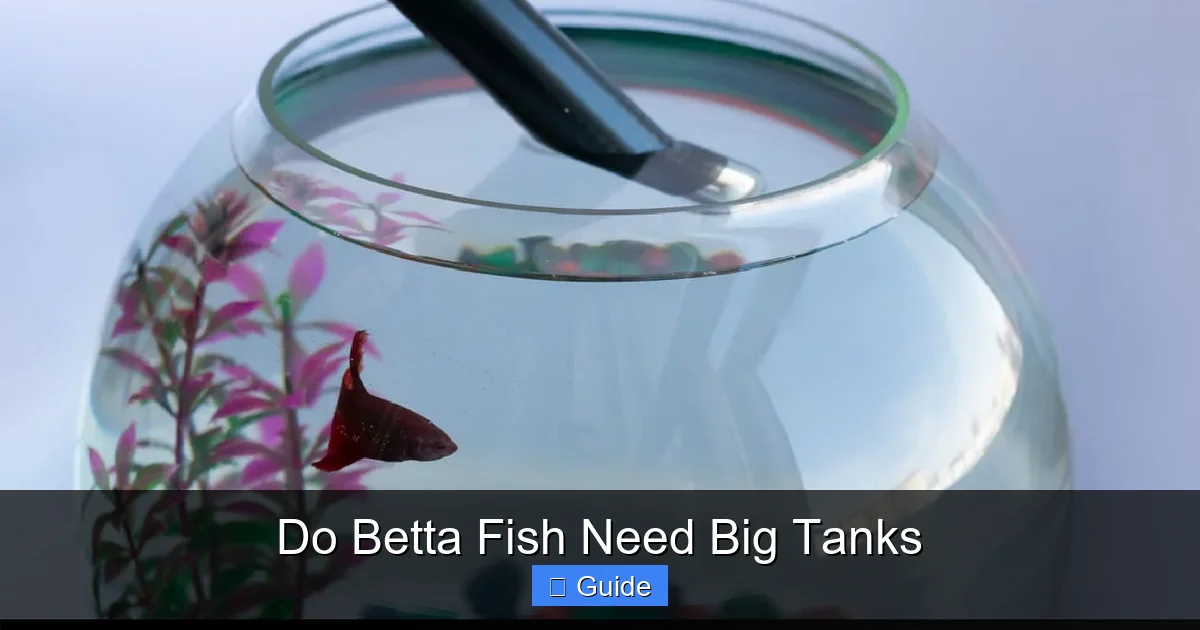
The idea that betta fish thrive in tiny bowls or vases is a dangerous myth. While they can survive in small spaces, they absolutely need a properly sized tank—minimum 5 gallons—to truly flourish. A larger tank provides stable water conditions, essential swimming space, reduces stress, and allows for a proper ecosystem with filtration and heating. This leads to a healthier, more active, and significantly longer-lived companion. Investing in a bigger tank isn’t just about space; it’s the single most important thing you can do for your betta’s welfare.
Walk into any pet store, and you’ll see them: vibrant betta fish, often called Siamese fighting fish, displayed in small, isolated cups or elegant, plant-filled vases. The marketing is powerful, painting a picture of a low-maintenance pet that thrives in confinement. But here’s the truth every responsible aquarist knows: this imagery is one of the most pervasive and harmful myths in the fishkeeping hobby. So, do betta fish need big tanks? The unequivocal, science-backed answer is yes. Not just “big” relative to a cup, but properly sized, filtered, and heated aquatic environments. Let’s dive deep into why tank size is the cornerstone of betta fish welfare.
Key Takeaways
- Myth Busting: The iconic betta-in-a-vase image is inhumane. Bettas are active, intelligent fish that suffer profoundly in tiny, unheated, unfiltered containers.
- Minimum Standard: A single betta requires a minimum of 5 gallons (19 liters) of filtered, heated water. This is the non-negotiable baseline for responsible care.
- Bigger is Far Better: Tanks of 10 gallons (38 liters) or more are strongly recommended. They offer vastly superior water stability, more enrichment, and easier maintenance.
- It’s About the Ecosystem: A “big tank” isn’t just water volume. It means a cycled filter, a stable heater, and a nitrogen cycle to process waste—impossible in a small bowl.
- Health & Happiness Directly Linked: Adequate space reduces stress, prevents fin rot and other diseases, encourages natural behaviors, and can extend a betta’s lifespan from 2-3 years to 5+ years.
- Behavior Changes: In a spacious tank, you’ll see your betta explore, build bubble nests more confidently, and display vibrant colors. In a small tank, they often become listless or aggressive.
- Maintenance is Easier: Larger water volumes mean toxin spikes (ammonia, nitrite) happen slowly, giving you more time to respond and requiring less frequent, less stressful water changes.
📑 Table of Contents
The Betta’s Natural World: Understanding Their True Needs
To understand what a betta needs in captivity, we must first look at where they come from. Native to the shallow, slow-moving waters of rice paddies, floodplains, and ditches in Thailand, Cambodia, Laos, and Vietnam, bettas are not fish of tiny, stagnant puddles. Their natural habitat is a dynamic, seasonally flooded ecosystem. During the dry season, they may retreat to smaller pools, but with the monsoon rains, these explode into vast, interconnected networks of shallow water rich in vegetation, insects, and hiding places.
An Active, Intelligent Predator
Bettas are labyrinth fish, meaning they have a specialized organ that allows them to breathe atmospheric air. This adaptation lets them survive in low-oxygen water, but it does not mean they prefer it. In the wild, they are curious, territorial, and active hunters. They spend their days exploring dense plant cover, chasing after insects and small crustaceans, and building elaborate bubble nests at the water’s surface. They are intelligent, with individual personalities, and require mental stimulation. Confining this naturally inquisitive animal to a half-gallon vase is akin to locking a dog in a closet for its entire life—it’s a life of profound deprivation.
The Science of Water: Why Volume is Life
The most critical reason bettas need larger tanks is water quality. Fish produce ammonia as waste, which is highly toxic. In a healthy aquarium, beneficial bacteria (the nitrogen cycle) convert this toxic ammonia to nitrite, and then to far less toxic nitrate. This biological filtration is what makes an aquarium a stable, life-supporting system.
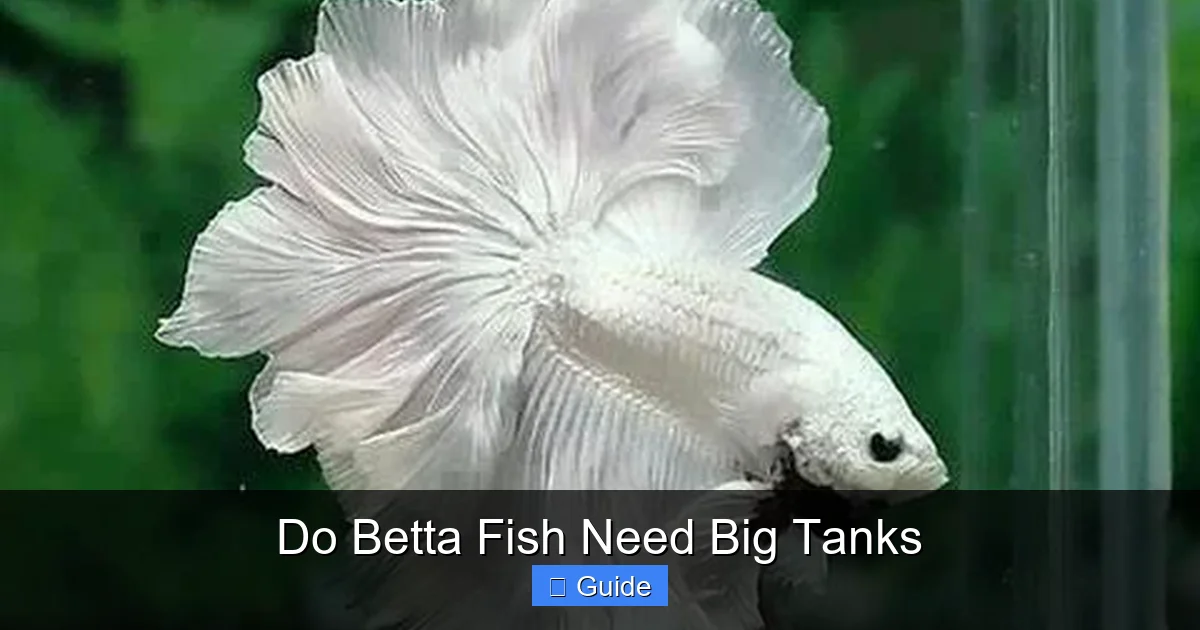
Visual guide about Do Betta Fish Need Big Tanks
Image source: bettalove.com
The Dilution Effect and Stability
In a tiny container, a single betta’s waste produces a massive spike in ammonia almost immediately. The water parameters (ammonia, nitrite, nitrate, pH, temperature) swing wildly from hour to hour, causing chronic stress and poisoning. The smaller the water volume, the faster these toxins build up and the harder they are to manage. A 5-gallon tank provides a crucial “dilution effect.” The same amount of waste is dispersed in a much larger volume of water, meaning toxin levels rise slowly and predictably. This stability is the foundation of fish health. It gives the beneficial bacteria colony a chance to establish and gives you a chance to correct issues before they become fatal.
Temperature Stability
Bettas are tropical fish, requiring a constant water temperature between 78°F and 80°F (25.5°C – 26.5°C). In a small bowl, the temperature fluctuates dramatically with room air temperature, especially at night. These cold shocks severely suppress their immune system. A larger volume of water heats and cools much more slowly, providing a stable thermal environment that a small aquarium heater can maintain efficiently. A 5-gallon tank with a proper heater is a climate-controlled home; a small bowl is a drafty, unpredictable shed.
Space for Behavior: More Than Just Swimming
We often think of “space” as just room to swim. For a betta, it’s about space to be.
Visual guide about Do Betta Fish Need Big Tanks
Image source: bettafishnest.com
Territoriality and Confidence
Male bettas are famously territorial. In a tiny tank, they have no room to establish a personal territory. They see their own reflection constantly (in the curved glass of a small bowl), which triggers relentless, stressful flaring. In a 5+ gallon tank, they have room to claim a section—a shady corner by a plant, a spot under a log. This reduces chronic stress and aggression. They can explore, patrol, and rest without constant visual stimulation from their own reflection or the outside world.
Enrichment and Exploration
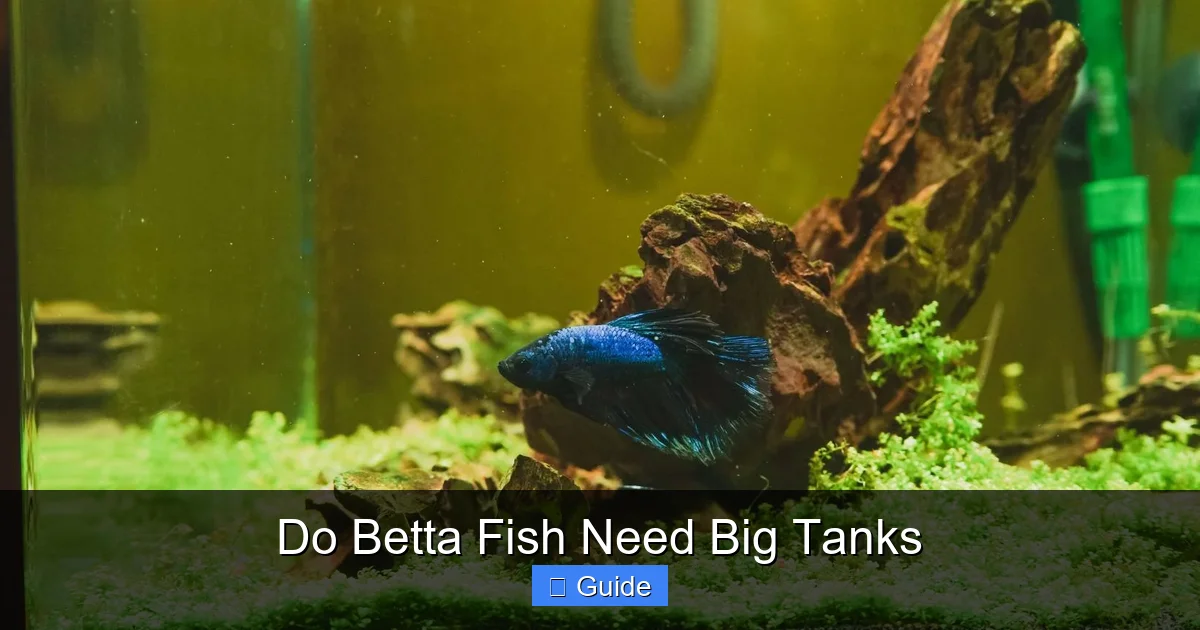
A larger tank allows for aquascaping. You can provide a variety of decorations: live or silk plants (avoid plastic ones that can tear fins), smooth rocks, driftwood, and caves. These aren’t just pretty; they are essential enrichment. A betta will weave through plant leaves, rest on broad leaves near the surface (perfect for their labyrinth breathing), and investigate new objects. This mental stimulation is vital for preventing boredom and associated lethargy or depression. In a bare small tank, there is literally nothing to do.
The Practical Reality: Maintenance and Health
Let’s address the common argument: “But a big tank is harder to clean!” The opposite is true.
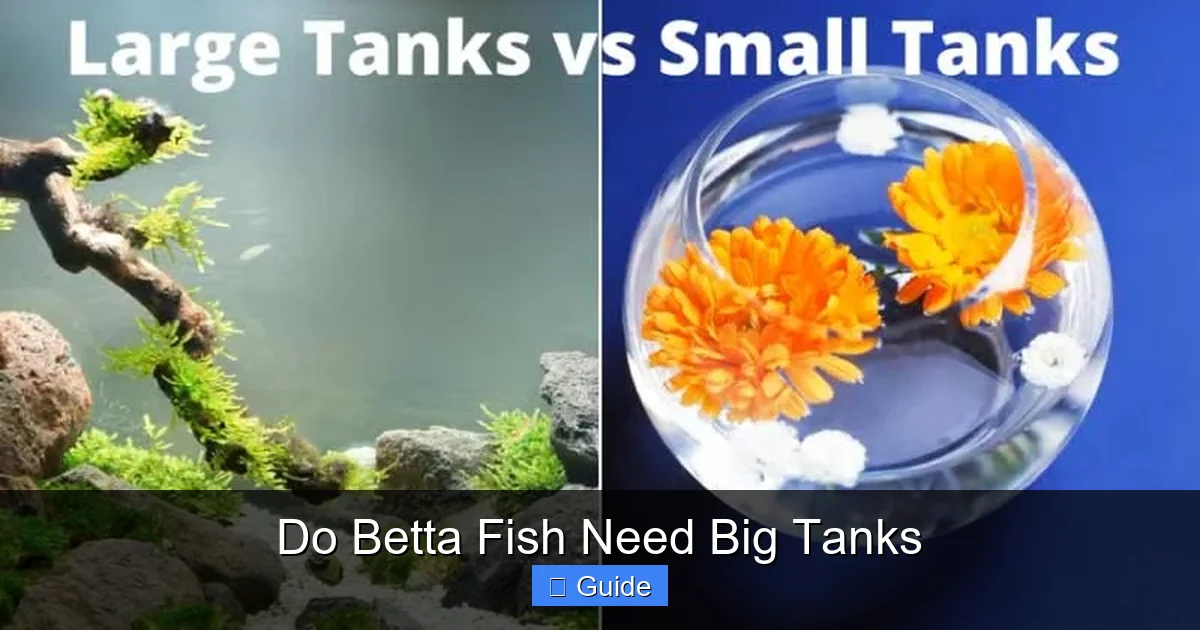
Visual guide about Do Betta Fish Need Big Tanks
Image source: bettafishnest.com
Easier, Less Frequent Maintenance
The nitrogen cycle in a 5-gallon tank is robust. You can typically perform a 25-30% water change once a week. In a 1-gallon bowl, you are looking at near-daily 50% water changes to keep ammonia at bay, which is incredibly disruptive to the fish’s stress levels and the fragile, non-existent cycle. The larger tank is more forgiving. A stable cycle means you are maintaining a healthy ecosystem, not constantly emergency-cleaning a toxic soup.
Disease Prevention
Chronic stress from poor water quality and lack of space is the #1 cause of disease in bettas—fin rot, ich, velvet, dropsy. A stable, spacious environment supports a robust immune system. Fin nipping or biting (often a sign of stress or boredom) is virtually unheard of in a well-enriched, appropriately sized tank. Healing from any ailment is also easier in pristine, stable water.
Choosing the Right “Big” Tank: Sizes and Setup Guide
So, what does “big” mean in practical terms?
Minimum Viable: The 5-Gallon (19L) Tank
This is the absolute starting point for a single betta. It allows for:
- A small, efficient hang-on-back (HOB) or sponge filter (sponge filters are gentle and perfect for bettas’ delicate fins).
- A small, adjustable aquarium heater (50W is standard for this size).
- Several live plants (like Anubias, Java Fern, Marimo Moss Balls) or high-quality silk plants.
- A few smooth decorations for hiding.
- Room to swim without constant reflection.
It is cycled, filtered, and heated. It is a real aquarium.
The Ideal: 10 Gallons (38L) and Beyond
If you have the space and budget, a 10-gallon tank is the gold standard for a single betta. It provides:
- Exceptionally stable water parameters.
- Ample room for a larger, more diverse aquascape with a school of peaceful neon tetras or a small group of Corydoras catfish (carefully researched tank mates!).
- More swimming space horizontally, which bettas prefer.
- Easier maintenance (less frequent, larger volume changes).
- A truly captivating display you can enjoy.
Tanks of 20 gallons or more open up even more possibilities for a community tank centered around your betta.
Critical Equipment Checklist for Any Size Tank
Regardless of size, your betta’s tank must have:
- Filter: A filter is non-negotiable. It houses the beneficial bacteria. Choose one with an adjustable flow or a sponge filter to create gentle currents, as bettas dislike strong water movement.
- Heater: A reliable, submersible aquarium heater with a thermostat is essential. Never rely on room temperature. Use a separate thermometer to verify accuracy.
- Thermometer: A simple stick-on or floating thermometer to monitor temperature.
- Water Conditioner: To dechlorinate tap water and detoxify ammonia.
- Test Kit: A liquid test kit (like API Freshwater Master Test Kit) to monitor ammonia, nitrite, nitrate, and pH during the cycling process and for ongoing maintenance.
Debunking Common “Big Tank” Objections
Let’s tackle the excuses that keep bettas in tiny tanks.
“But they come from small puddles in the wild!”
As explained, their natural habitat is a complex, seasonal floodplain system. The “small puddle” scenario is a dry-season survival tactic, not a preference. In the wild, they can move to better water if needed. In your bowl, they cannot.
“A big tank is too expensive.”
Consider the long-term cost. A starter 10-gallon kit is often on sale. The real savings come from health. A betta in a proper tank is less likely to incur costly vet bills or die prematurely, saving you money and heartache. Many local fish clubs and online communities have members rehoming used, clean tanks for very low cost.
“I don’t have space.”
A standard 10-gallon tank is 20″ x 10″ x 12″. This fits on a sturdy desk, a bookshelf (ensure it’s level and strong!), a side table, or a dedicated stand. Prioritize the welfare of a living creature over a decorative vase.
“My betta seems fine in his bowl.”
This is the most insidious myth. A betta “surviving” is not the same as thriving. Signs of poor welfare can be subtle: clamped fins, faded colors, lethargy, loss of appetite, frequent gasping at the surface. These are signs of chronic stress that you may have acclimated to as “normal.” Give them a proper tank, and you will see a transformation.
Frequently Asked Questions
Can I keep a betta in a vase or plant container with a lily?
No, this is an inhumane setup. The vase is too small, lacks filtration and heating, and the plant roots do not clean the water. The betta will live a short, stressful life. Bettas need a filtered, heated aquarium of at least 5 gallons.
Do betta fish like a lot of space?
Absolutely. While they are not marathon swimmers like some fish, they are active explorers. More horizontal swimming space allows them to patrol, investigate, and exhibit natural behaviors, which reduces stress and boredom significantly.
What is the smallest tank I can ethically keep a betta in?
The absolute minimum, with no exceptions, is a 5-gallon (19-liter) tank that is fully cycled, filtered, and heated. Anything smaller is considered neglectful by modern animal welfare standards.
Can I put other fish with my betta in a big tank?
Yes, but only in a tank of 10 gallons or more, and only with carefully selected, peaceful, fast-moving tank mates like neon tetras, harlequin rasboras, or corydoras catfish. Avoid fish with long, flowing fins (like guppies) that may trigger the betta’s aggression. Always have a backup plan (a separate “hospital” tank) in case of incompatibility.
How often do I need to clean a big betta tank?
For a properly cycled 5-10 gallon tank, a weekly 25-30% water change is typically sufficient. You should also clean the filter media (rinse in old tank water, not tap) monthly. Never clean everything at once, as this crashes the beneficial bacteria colony.
My betta flares at his reflection in the big tank. Is that bad?
Occasional flaring at a reflection is normal territorial behavior. In a larger tank, the reflection is less distorted and the betta has other things to occupy its attention, so this behavior should be infrequent. If it’s constant, add more visual barriers (plants) to break up the line of sight or temporarily cover the tank sides with paper to break the reflection habit.