Are Betta Fish Salt or Freshwater
Betta fish are freshwater fish, not saltwater species, despite a common myth that links them to brackish environments. In the wild, they thrive in warm, slow-moving freshwater habitats like rice paddies, marshes, and shallow streams across Southeast Asia. Keeping bettas in freshwater tanks with proper water conditions is essential for their health, longevity, and vibrant coloration. While some aquarists add small amounts of aquarium salt for therapeutic purposes, bettas do not require saltwater to survive — they are, at their core, freshwater fish that need clean, warm water to flourish.
Key Takeaways
- Betta fish are freshwater fish, not saltwater creatures.
- They naturally thrive in warm, slow-moving freshwater rivers and streams.
- A standard freshwater tank setup is all bettas need to stay healthy.
- Avoid adding aquarium salt unless a vet specifically recommends it for treatment.
- Clean, filtered water is essential for betta health and long lifespan.
- Mild salt baths can help treat specific illnesses temporarily under guidance.
- Always research proper water parameters before setting up a betta tank.
📑 Table of Contents
- Are Betta Fish Salt or Freshwater: The Definitive Guide
- Understanding Betta Fish: Natural Habitat and Origins
- Are Betta Fish Salt or Freshwater? The Clear Answer
- How Betta Fish Handle Different Water Conditions
- What Happens If You Put a Betta in Saltwater?
- Setting Up the Perfect Freshwater Tank for Your Betta
- Common Myths About Betta Fish and Saltwater
- Expert Tips for Keeping Your Betta Happy and Healthy
- Conclusion: Know Your Betta, Give Them the Right Water
Are Betta Fish Salt or Freshwater: The Definitive Guide
If you have ever wondered are betta fish salt or freshwater, you are not alone. This is one of the most common questions new fish owners ask. The answer matters because it directly affects your betta’s health, happiness, and lifespan. Getting the water conditions right from the start can mean the difference between a thriving fish and a struggling one.
Betta fish are freshwater creatures. They naturally live in warm, slow-moving streams, rice paddies, and ponds across Southeast Asia. While they can tolerate slight changes in water conditions, they are not built to survive in saltwater environments. In this guide, you will learn exactly why bettas prefer freshwater, what happens if you put them in saltwater, and how to set up the perfect tank for your finned friend.
Whether you are a first-time betta owner or a seasoned hobbyist, this article covers everything you need to know about betta fish habitat and water requirements. Let us dive right in.
Understanding Betta Fish: Natural Habitat and Origins
Where Do Betta Fish Come From?
Betta fish, also known as Siamese fighting fish, originate from the warm, tropical regions of Southeast Asia. Countries like Thailand, Cambodia, Vietnam, and Malaysia are their native homelands. In the wild, you can find them in shallow, slow-moving bodies of water. Think rice paddies, drainage ditches, and small streams with lots of vegetation.
These environments are freshwater by nature. The water is warm, often stagnant, and rich in organic matter. Bettas have adapted over hundreds of years to thrive in these specific conditions. Their bodies are fine-tuned for freshwater aquarium settings, not ocean-like environments.
What Makes a Habitat “Freshwater”?
A freshwater habitat has very low salinity levels, usually below 0.5 parts per thousand (ppt). This is worlds apart from saltwater, which can have 35 ppt or more. Betta fish evolved in water that barely had any salt content. Their organs, especially their kidneys and gills, are designed to handle water parameters found in freshwater only.
Understanding this origin story is key. It tells you why betta fish care revolves around keeping things simple, clean, and fresh.
Are Betta Fish Salt or Freshwater? The Clear Answer
The Short Answer
The answer is straightforward. Are betta fish salt or freshwater? They are freshwater fish. Period. Bettas belong to a group of tropical freshwater fish that have evolved to live in low-salinity environments. They are not saltwater fish, and they do not do well in ocean-like conditions.
If you have seen claims about saltwater bettas, those are usually misunderstandings or misinformation. There are no naturally occurring saltwater betta fish. Every betta you find in the pet trade is a freshwater species.
Why This Matters for Fish Owners
Knowing that bettas are freshwater helps you make better decisions. It guides your choice of tank setup, water treatment, and even tank mates. Here is a quick breakdown of what freshwater means for your betta:
- Tap water is generally safe once you treat it with a water conditioner.
- No special salt mixes are needed unless your vet recommends it for medical reasons.
- Standard freshwater aquarium equipment works perfectly for bettas.
- Live plants and freshwater decorations mimic their natural environment well.
Some people confuse bettas with other species that can handle brackish water, a mix of fresh and salt. Bettas are not one of them. Keep their water fresh and clean.
Quick Comparison: Freshwater vs Saltwater for Bettas
Here is a simple table to show the difference between freshwater and saltwater conditions and how they affect betta fish:
| Factor | Freshwater (Ideal) | Saltwater (Harmful) |
|---|---|---|
| Salinity Level | 0 – 0.5 ppt | 35+ ppt |
| Betta Survival | Thrives and lives long | Struggles and often dies |
| Osmoregulation Stress | Minimal | Extreme |
| Tank Setup Cost | Low to moderate | High (special equipment) |
| Common Tank Mates | Snails, shrimp, small community fish | Coral, reef fish (not suitable for bettas) |
| Water Treatment | Conditioner only | Salt mix, hydrometer, specialized filtration |
As you can see, freshwater is the only realistic option for keeping bettas healthy. The saltwater column is listed for comparison only. No responsible aquarist would recommend saltwater for a betta fish tank.
How Betta Fish Handle Different Water Conditions
The Science of Osmoregulation
Let us get a little sciencey, but stay with me. Osmoregulation is the process by which fish maintain the right balance of water and salt inside their bodies. Freshwater fish like bettas constantly absorb water through their skin and gills because the surrounding water has less salt than their body fluids. Their kidneys push out the excess water as dilute urine.
Saltwater fish do the opposite. They drink large amounts of water and excrete salt through specialized cells in their gills. Betta fish water conditions are carefully balanced for freshwater osmoregulation. Put a betta in saltwater, and its body goes into overdrive trying to expel the salt. This causes massive stress and can be fatal.
Can Bettas Tolerate Any Salt at All?
This is a common follow-up question. The honest answer is: a very small amount, maybe. Some betta keepers use aquarium salt in tiny doses to treat specific health issues like betta fish health problems such as mild fungal infections or fin rot. However, this is a treatment tool, not a lifestyle choice.
For everyday tank maintenance, keep salinity at zero. Your betta does not need salt in its water. In fact, long-term exposure to even small amounts of salt can damage their kidneys over time. If you have ever asked, “Can aquarium salt harm your betta fish?” the answer is yes, if used improperly or in high concentrations.
What Happens If You Put a Betta in Saltwater?
Immediate Effects
So what actually happens if you accidentally put a betta in saltwater? The first few hours are critical. Here is what you might notice:
- Lethargy: The fish becomes sluggish and stops swimming actively.
- Clamped fins: Fins press tightly against the body, a clear stress signal.
- Rapid breathing: The gills work overtime to process the excess salt.
- Loss of color: The vibrant hues start to fade.
- Floating or sinking: Buoyancy issues arise as the body struggles to function.
These signs show that the fish is in serious distress. The betta fish environment has become hostile. Without quick action, the fish may not survive.
Long-Term Consequences
Even if a betta survives a short saltwater exposure, repeated or prolonged contact causes lasting damage. Kidneys weaken. The immune system drops. The fish becomes vulnerable to diseases. Some owners wonder about can betta fish live if they are in shock, and the answer is that shock from water changes, including salinity shock, can be deadly.
The bottom line: never intentionally keep a betta in saltwater. If your betta accidentally ends up in salty water, immediately move it to clean, treated freshwater.
Setting Up the Perfect Freshwater Tank for Your Betta
Tank Size and Setup
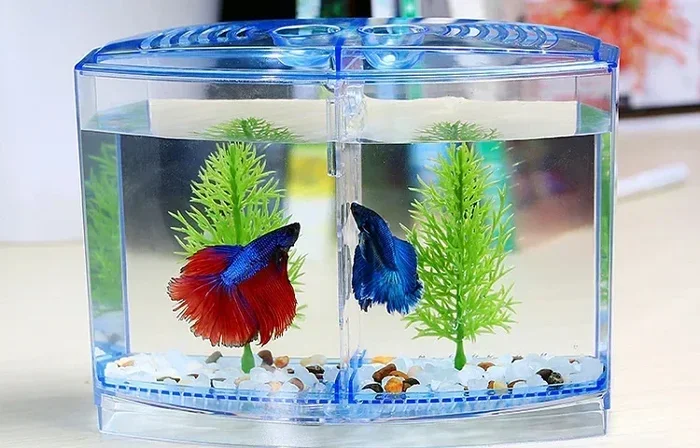
Even though bettas are small, they need space. A minimum of 5 gallons is ideal. Larger tanks, like 10 gallons, give your betta more room to explore and better water conditions stability. Avoid tiny bowls. They limit movement and make water quality harder to maintain.
Here is a checklist for a great betta fish tank:
- Filter: A gentle filter keeps water clean without creating strong currents. Bettas are weak swimmers and hate fast water flow.
- Heater: Keep the temperature between 76°F and 82°F (24°C to 28°C). Are betta fish warm or cold blooded? They are cold-blooded, meaning their body temperature matches their environment. A heater is essential.
- Substrate: Fine gravel or soft sand works well. Avoid sharp decorations.
- Plants: Live or silk plants give hiding spots and reduce stress. Avoid plastic plants with rough edges that can tear fins.
- Lighting: Moderate lighting helps plants grow and lets you enjoy your betta’s colors.
Water Treatment and Maintenance
Always treat tap water with a conditioner before adding it to the tank. Tap water contains chlorine and chloramines that are toxic to fish. A good water conditioner removes these harmful chemicals instantly.
Test your water chemistry regularly. Keep pH between 6.5 and 7.5. Ammonia and nitrite should always be at zero. Nitrate should stay below 20 ppm. Weekly partial water changes of 25% to 50% keep everything in balance.
Do not add salt to the tank unless a fish veterinarian specifically tells you to. Regular betta fish care does not include salt in the water.
Common Myths About Betta Fish and Saltwater
Myth 1: “Bettas Can Live in Saltwater If They Acclimate Slowly”
This is completely false. No amount of slow acclimation makes saltwater safe for bettas. Their biology simply does not support it. Are betta fish warm or cold blooded, and does that relate? Yes. As cold-blooded animals, their internal processes are tightly linked to water chemistry. Changing salinity is not like adjusting temperature. It attacks their core organ function.
Myth 2: “All Fish Can Survive in Both Fresh and Salt Water”
Some species, like salmon, can migrate between fresh and salt water. These are called euryhaline fish. Bettas are freshwater species and are strictly stenohaline, meaning they can only survive within a narrow salinity range. Do not compare your betta to a salmon.
Myth 3: “Adding Salt Prevents All Diseases”
While aquarium salt can help with certain treatments, it is not a cure-all. Overusing salt causes more harm than good. It can damage beneficial bacteria in your tank and stress your betta. Focus on clean water, proper nutrition, and a stress-free environment instead. If you are curious about can you use table salt for betta fish, the answer is no. Use only products specifically designed for aquarium use.
Myth 4: “There Are Saltwater Betta Species”
There are not. Are there saltwater betta fish? No. All bettas sold in pet stores are freshwater. Some people confuse bettas with other colorful marine fish, but true bettas (genus Betta) are exclusively freshwater. If someone tries to sell you a “saltwater betta,” walk away.
Myth 5: “Bettas Are Low Maintenance, So Water Type Does Not Matter”
Bettas are relatively easy to care for, but they still need proper habitat requirements. Water quality matters a lot. Neglecting water conditions leads to fin rot, ich, and shortened lifespan. Treat your betta with the same respect you would give any pet.
Expert Tips for Keeping Your Betta Happy and Healthy
Feed the Right Diet
Bettas are carnivores by nature. They need protein-rich foods. High-quality pellets designed for bettas should be the staple. Supplement with frozen or live foods like bloodworms and brine shrimp occasionally. Avoid overfeeding. Feed 2 to 3 small meals per day rather than one large one.
Wondering are pellets or flakes better for betta fish? Pellets are generally the better choice. They sink, which matches the betta’s natural feeding behavior. Flakes often float and can be harder for bettas to eat.
Choose Tank Mates Wisely
Bettas are known for their aggression, especially males. Are betta fish solitary or social? In most cases, they prefer to be alone. However, some peaceful tank mates can coexist. Consider snails, shrimp, or very docile community fish. Always research before adding any companion. If you are unsure, check resources on are there other fish that can go with a betta for guidance.
Watch for Stress Signals
Watch your betta daily. Early signs of stress include clamped fins, hiding constantly, refusing food, or erratic swimming. Address the cause quickly. Check water parameters first. Then evaluate tank setup, feeding habits, and any recent changes.
Keep the Tank Clean
A dirty tank leads to health problems. Clean the glass, remove debris, and do regular water changes. A water filter helps, but it does not replace manual maintenance. Are water filters necessary for betta fish? Yes, absolutely. They help maintain stable water quality, which is critical for your betta’s long-term health.
Conclusion: Know Your Betta, Give Them the Right Water
So, are betta fish salt or freshwater? The answer is clear. Betta fish are freshwater fish through and through. They come from warm, tropical freshwater habitats in Southeast Asia. Their bodies are built for low-salinity environments. Saltwater is dangerous and potentially deadly for them.
As a responsible betta owner, your job is to recreate their natural betta fish environment as closely as possible. Keep the water fresh, warm, clean, and well-filtered. Skip the salt unless a vet recommends it for treatment. Provide proper nutrition, plenty of hiding spots, and regular tank maintenance.
Your betta deserves a happy, healthy life. And it all starts with the right water. Now that you know the truth about are betta fish salt or freshwater, go give your finned companion the care it deserves. You have got this.
Frequently Asked Questions
Are Betta Fish Salt or Freshwater?
Betta fish are freshwater fish by nature. They originate from the slow-moving rivers, canals, and rice paddies of Southeast Asia, which are low-salidity environments. Keeping them in freshwater tanks with stable parameters is the best way to ensure they stay healthy and happy.
Can Betta Fish Survive in Saltwater?
No, betta fish cannot survive long-term in saltwater environments. Their bodies are not adapted to handle high salinity levels, which can cause serious stress, organ damage, and eventually death. Always stick to freshwater setups for your betta.
Do Betta Fish Need Salt Added to Their Tank?
Betta fish do not require salt in their freshwater tank for normal health. However, some aquarium owners use small amounts of aquarium salt during treatment for certain illnesses or injuries. If you choose to use salt, always research proper dosages carefully and monitor your fish closely.
What Type of Water Do Betta Fish Prefer?
Betta fish prefer clean, warm freshwater that is gently filtered and free of harsh chemicals. They thrive best in water temperatures between 76°F and 82°F with a neutral to slightly acidic pH. Dechlorinated tap water or conditioned bottled water works well for most betta setups.
Can Betta Fish Live in Brackish Water Conditions?
While betta fish are freshwater creatures, some wild betta species can tolerate slightly brackish conditions in their natural habitats. However, the common pet store betta should not be kept in brackish water long-term. Mixing saltwater and freshwater environments can weaken their immune system and lead to health problems.
Why Do Some People Add Salt to Betta Fish Tanks?
Aquarium salt is sometimes added to betta tanks as a mild treatment for parasites, fungal infections, or fin rot. It helps reduce osmotic stress and supports the fish’s natural slime coat during recovery. That said, salt should only be used as a short-term remedy and never as a regular part of a betta’s freshwater environment.