
Do Betta Fish Sleep at the Top of the Tank
Yes, it is very common and often normal for betta fish to sleep or rest at the top of the tank. This behavior is primarily linked to their unique labyrinth organ, which requires them to gulp air from the surface. However, while frequently normal, it can also indicate poor water quality, insufficient oxygen in the water column, or underlying health issues. Owners should learn to distinguish between peaceful resting and distressed gasping to ensure their betta’s well-being.
Key Takeaways
- Normal Behavior: Sleeping at the surface is a natural instinct for bettas due to their labyrinth organ, which allows them to breathe atmospheric air.
- Oxygen Indicator: A betta consistently at the top may be trying to access more oxygen-rich surface water, signaling poor water aeration or quality.
- Stress vs. Rest: Learn the difference between a betta calmly resting (fins relaxed, slow movements) and one gasping desperately (frantic, rapid gill movement).
- Tank Setup Matters: Water temperature, lack of plants/cover, and strong water flow can all influence where your betta chooses to sleep.
- Health Red Flag: Persistent surface resting combined with lethargy, loss of appetite, or fading colors often points to illness like swim bladder disorder or dropsy.
- Observation is Key: Regularly monitor your betta’s behavior throughout the day and night to establish a healthy baseline for your specific fish.
📑 Table of Contents
- Understanding Betta Fish Sleep Patterns
- The Labyrinth Organ and Surface Breathing
- Why Bettas Choose the Top of the Tank: Common Reasons
- When Sleeping at the Top Signals a Problem
- Creating the Ideal Sleep Environment for Your Betta
- Monitoring Your Betta’s Health and Behavior
- Conclusion: Embracing Normalcy, Vigilance, and Care
Understanding Betta Fish Sleep Patterns
Have you ever glanced at your betta fish tank late at night or early in the morning and seen your vibrant companion floating almost motionless near the water’s surface? Your first thought might be, “Is my betta okay?” This sight can be alarming for new owners, but it’s one of the most frequently asked questions in the betta-keeping world: do betta fish sleep at the top of the tank? The answer is a definitive yes, they often do, and it’s usually not a cause for immediate panic. To understand why, we need to dive into the fascinating biology and natural instincts of the betta splendens.
Unlike humans, fish do not have eyelids, so they do not “close” their eyes to sleep. Instead, they enter periods of rest where their metabolism slows, and they become less responsive to stimuli. For bettas, this rest can happen in various locations—among plant leaves, on the tank bottom, or, most notably, at the water’s surface. Their sleep is more like a deep rest, and where they choose to take it is a direct window into their physical needs and environmental comfort.
The Myth of Constant Activity
A common misconception is that betta fish are hyper-active, always flaring and exploring. While they are curious and territorial, they are also creatures of habit that need proper rest. A healthy betta will have active periods, especially during the day when they patrol their territory, and quieter, restful periods, often at dawn, dusk, or during the night. Observing your betta at the top during these quiet hours is typically part of its natural sleep-wake cycle.
The Labyrinth Organ and Surface Breathing
The single most important reason bettas are often found at the top is a unique biological gift: the labyrinth organ. This is a specialized, folded structure located in the fish’s head that allows it to breathe atmospheric air directly. It’s an evolutionary adaptation from their native slow-moving, warm, and often oxygen-poor waters of Southeast Asia, like rice paddies and stagnant ponds.

Visual guide about Do Betta Fish Sleep at the Top of the Tank
Image source: petshun.com
While bettas do extract some oxygen from the water through their gills, their labyrinth organ is a vital accessory breathing organ. They must regularly swim to the surface to gulp a bubble of air. This isn’t a sign of distress; it’s a fundamental, life-sustaining behavior. During rest, a betta may simply remain at the surface after taking a breath, entering a state of rest while buoyant, rather than sinking back down.
How the Labyrinth Organ Works
Imagine a complex, maze-like structure (hence “labyrinth”) lined with blood vessels. When a betta gulps air, it travels to this organ, where oxygen diffuses directly into the bloodstream. This ability makes them incredibly hardy in low-oxygen environments where other fish would suffocate. However, it also means they are physiologically drawn to the air-water interface. So, when you see your betta hanging out at the top, especially if it’s taking occasional gentle gulps, it is often simply utilizing its built-in adaptation.
Why Bettas Choose the Top of the Tank: Common Reasons
Beyond their biological need for air, several environmental and behavioral factors make the tank’s surface an attractive—or necessary—place for a betta to sleep.
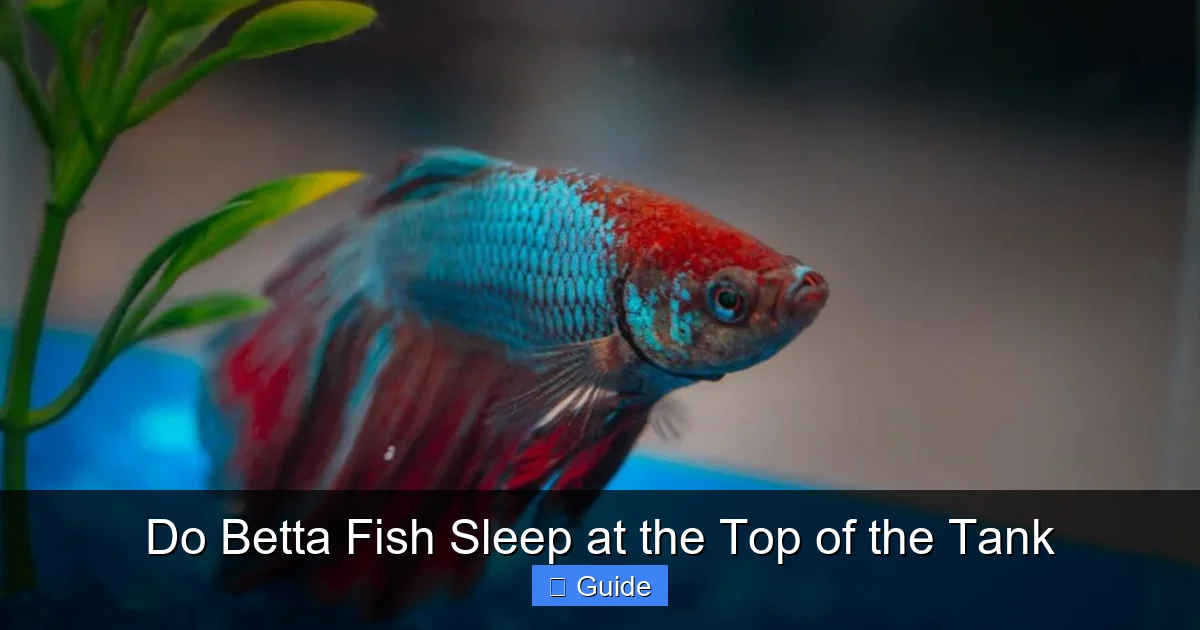
Visual guide about Do Betta Fish Sleep at the Top of the Tank
Image source: aquariumbuddies.com
Oxygen-Rich Surface Layer
The very top layer of water in an aquarium typically holds the highest concentration of dissolved oxygen. This is because of the gas exchange that happens at the surface. If your tank’s water column is poorly oxygenated due to lack of water movement, no surface agitation, or high water temperature (which holds less oxygen), your betta will be forced to spend more time at the surface to get the air it needs. In this case, surface resting becomes a survival tactic, not just a preference.
Instinctual Behavior from the Wild
In their natural habitat, the water surface is a strategic location. It offers a vantage point to spot potential threats and prey, and it’s where the warmest water often resides (since heat rises). A betta in a tank may instinctively seek the top for these same reasons, feeling safer and more in control of its domain from that elevated perch.
Comfort and Buoyancy
Some bettas simply find it comfortable. Floating near the top requires less energy to maintain position than swimming against gravity in mid-water or on the bottom. For a resting fish, conserving energy is key. If your betta looks relaxed—fins slightly flared or gently folded, body horizontal or at a slight angle—and is not frantically gulping, it is likely just enjoying a peaceful nap in its preferred spot.
The Role of Tank Decor and Plants
Bettas love to rest on broad leaves, rocks, or other structures near the surface. In a well-decorated tank with live or silk plants (like Anubias or Java fern that have large leaves), you’ll often see your betta sleeping on a leaf just below the surface. If your tank lacks this mid- and top-level resting spots, the open surface itself becomes the only available “platform,” making the behavior more noticeable.
When Sleeping at the Top Signals a Problem
While common, constant or distressed presence at the top is a red flag that requires immediate attention. The key is to assess the context and the fish’s demeanor.
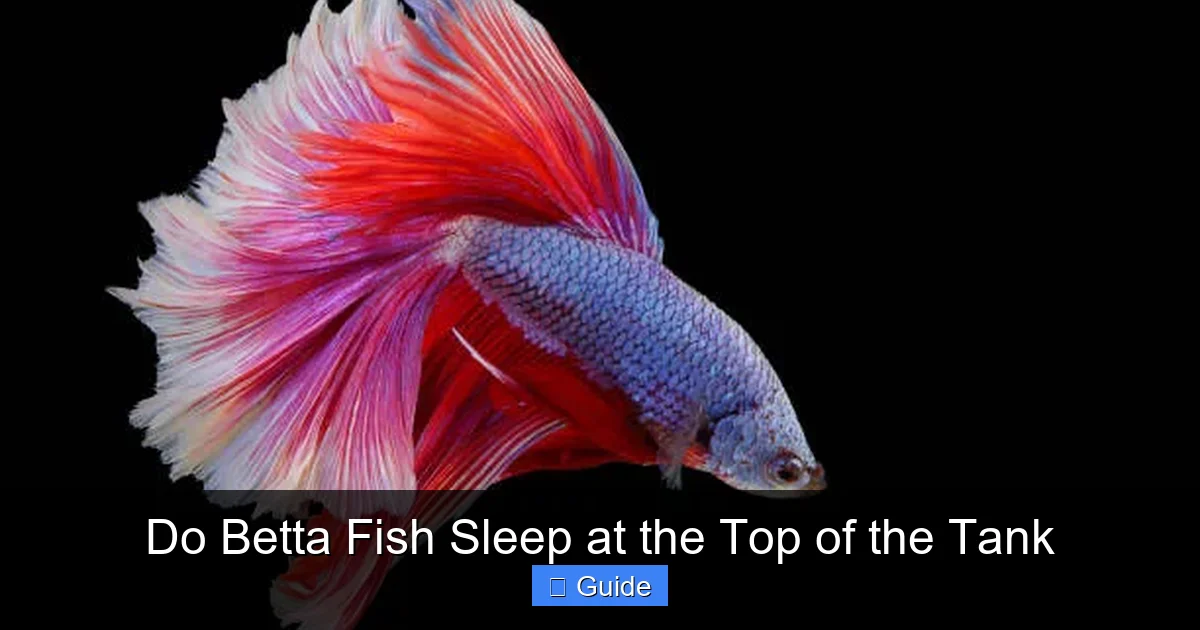
Visual guide about Do Betta Fish Sleep at the Top of the Tank
Image source: thegoldfishtank.com
Distinguishing Rest from Distress: Key Signs
Peaceful Resting: The betta is relatively still, maybe with gentle fin movements. Its gills are moving at a normal, slow rate. It may respond slowly if you approach. It returns to normal activity after its rest.
Distressed Gasping: The fish is frantically darting to the surface, gulping air rapidly and repeatedly. Its gill covers (opercula) are flared open and moving very quickly. It may appear weak, struggle to stay upright, or float upside down. This is a sign of acute oxygen deprivation or severe stress.
Primary Environmental Culprits
- Poor Water Quality: High levels of ammonia, nitrite, or nitrate are toxic and irritate gills, making it harder for the fish to extract oxygen from the water, forcing it to the surface. This is the #1 cause of distress.
- Inadequate Filtration/Aeration: A filter that is too weak or turned off, or a tank with no surface agitation, leads to stagnant, oxygen-poor water.
- Incorrect Water Temperature: Water that is too cold (< 74°F/23°C) slows a betta's metabolism and can impair its labyrinth organ function. Water that is too warm (> 82°F/28°C) holds far less dissolved oxygen, creating a scramble for surface air.
- Overcrowding: Too many fish in the tank depletes oxygen quickly and increases waste, degrading water quality.
Common Health Issues That Cause Surface Resting
If water parameters are perfect (ammonia and nitrite at 0 ppm, nitrates under 20 ppm), the issue is likely internal:
- Swim Bladder Disorder (SBD): This affects buoyancy control. A betta with SBD may float uncontrollably to the top (or sink to the bottom) and be unable to maintain a normal position. It’s often caused by overfeeding, constipation, or infection.
- Dropsy: A severe symptom of internal infection or organ failure, causing fluid buildup and scales to protrude. The fish becomes extremely buoyant and lethargic, often stuck at the top.
- Velvet or Other Parasitic Diseases: These cause extreme lethargy and respiratory distress. The fish will gasp at the surface and rub against objects.
- Internal Bacterial Infections: Can lead to organ damage and similar gasping behavior.
Creating the Ideal Sleep Environment for Your Betta
Proactive tank management is the best way to ensure your betta’s surface sleeping is a choice, not a necessity. A comfortable betta is a healthy, active, and colorful betta.
Optimal Water Parameters and Temperature
Maintain a stable water temperature between 78°F and 80°F (25.5°C – 26.5°C). Use a reliable aquarium heater and a separate thermometer to verify. Perform weekly water changes of 25-50% (depending on tank size) with a water conditioner to remove toxins. Test water regularly with a liquid test kit. Ideal parameters: Ammonia = 0 ppm, Nitrite = 0 ppm, Nitrate < 20 ppm.
Providing Proper Filtration and Flow
Every betta tank needs a filter. Choose one with an adjustable flow setting. Bettas originate from still waters and have delicate fins; strong currents exhaust them and make it hard to rest. The filter output should be gentle enough that your betta can swim against it without straining. Use a sponge filter or baffle a hang-on-back filter with a sponge to reduce flow. Crucially, the filter must create some surface agitation to promote gas exchange, but not a torrent.
The Importance of Plants and Hiding Spots
Decorate your tank with live or silk plants, especially those with broad leaves (Betta leaves, Anubias, Amazon swords) near the surface. Floating plants like Duckweed or Frogbit are fantastic as they naturally shade the surface, reduce light penetration, and provide a sense of security. Add caves, driftwood, and other ornaments to break up sightlines and give your betta places to claim as its own territory. This reduces stress and provides designated resting areas away from the open water column.
Lighting and Day/Night Cycles
Bettas need a consistent day/night cycle. Use an aquarium light timer to provide 8-10 hours of light and 14-16 hours of darkness. Never leave the tank light on 24/7. During the dark period, your betta will be most active in its sleep/rest behavior. Ensure the tank is in a quiet location away from sudden disturbances at night.
Monitoring Your Betta’s Health and Behavior
Your daily observation is the most powerful diagnostic tool you have. Get to know your betta’s “normal.”
Establishing a Behavioral Baseline
Spend a few minutes each day watching your betta. Note where it typically rests, how active it is, how it eats, and the condition of its fins. A healthy betta will show interest in you (or its reflection), eat eagerly, and have long, flowing, undamaged fins. Any deviation from this baseline—like suddenly spending all day at the top, clamped fins, loss of appetite—is a signal to check your water and inspect the fish closely.
Action Plan: What to Do If Your Betta is at the Top
- Test the Water Immediately: Use your test kit. If any parameter is out of range, perform an urgent water change with properly conditioned water.
- Check the Flow: Is the filter too strong? Reduce it. Add a pre-filter sponge to the intake or output.
- Verify Temperature: Ensure the heater is working and the temperature is in the safe range.
- Fast for 24-48 Hours: If you suspect swim bladder issues from overfeeding or constipation, stop feeding for a day or two to let the digestive system clear. Then offer a small, peeled, cooked pea.
- Isolate if Necessary: If you have a community tank and only one betta is showing symptoms, move it to a bare “hospital tank” with clean, warm water for observation and treatment.
- Consult a Vet or Expert: For persistent symptoms like dropsy, severe SBD, or signs of infection (spots, sores, velvet), seek advice from an aquatic veterinarian or a highly reputable aquarium store. Early intervention with appropriate medication (e.g., antibiotics, antiparasitics) is critical.
Conclusion: Embracing Normalcy, Vigilance, and Care
So, do betta fish sleep at the top of the tank? The resounding answer is yes, and for the vast majority of bettas, it is a perfectly normal, even expected, part of their behavior rooted in millions of years of evolution. Their labyrinth organ compels them to the surface for air, and the calm, warm, oxygen-rich layer provides a restful spot. As a caretaker, your goal is to create an environment where this resting behavior is a sign of contentment, not a cry for help. By providing pristine water, a gentle filter, a stable tropical temperature, and abundant plants for security, you allow your betta to choose its resting spot from a place of comfort. Always remember, context is king. A betta floating serenely at the top with slow gill movements in a well-maintained tank is likely just dreaming. A betta frantically gasping at the surface in a tank with cloudy water is in crisis. Your attentive observation and responsive care are what transform a simple glass box into a thriving home for your aquatic companion.
Frequently Asked Questions
Is it normal for my betta fish to always stay at the top of the tank?
No, constant presence at the top is not normal. While resting at the surface periodically is fine, a betta that always stays there is likely experiencing poor water quality, insufficient oxygen, or a health problem that requires investigation.
Can a betta fish die from sleeping at the top?
The act of sleeping at the top itself won’t kill a betta. However, the underlying reasons can be fatal. If the behavior is due to severe oxygen deprivation from bad water or a critical illness like advanced dropsy, and the issue isn’t corrected, the fish will die.
How can I tell if my betta is sleeping or dying?
A sleeping/resting betta will have slow, steady gill movements and respond slowly to stimuli. A dying or severely distressed betta will have rapidly flared gills, frantic gasping, be unresponsive, and likely show other signs like extreme lethargy, clamped fins, or discoloration. Erratic, panicked swimming is also a sign of acute distress.
Should I add an air stone to help my betta get oxygen?
>An air stone can help oxygenate the water, but it’s not always the best solution for a betta. Strong bubble flow can create excessive surface agitation and current, which stresses bettas. First, ensure your filter provides gentle surface agitation. If water quality is poor, an air stone won’t fix that. Focus on water changes and filter maintenance first.
What temperature is best to prevent my betta from gasping at the top?
Maintain a consistent tropical temperature between 78°F and 80°F (25.5°C – 26.5°C). Water that is too cold slows metabolism and can impair breathing. Water that is too warm (above 82°F/28°C) holds drastically less oxygen, forcing your betta to gasp for air at the surface.
My betta sleeps on a plant leaf near the top—is that okay?
Yes, that is ideal! A broad-leafed plant near the surface is a perfect, natural resting spot for a betta. It provides a sense of security and a comfortable place to rest while still being close to the air it needs to gulp. This is a sign of a well-decorated, stress-free tank.