What Fish Can Live with Bettas in a Tank
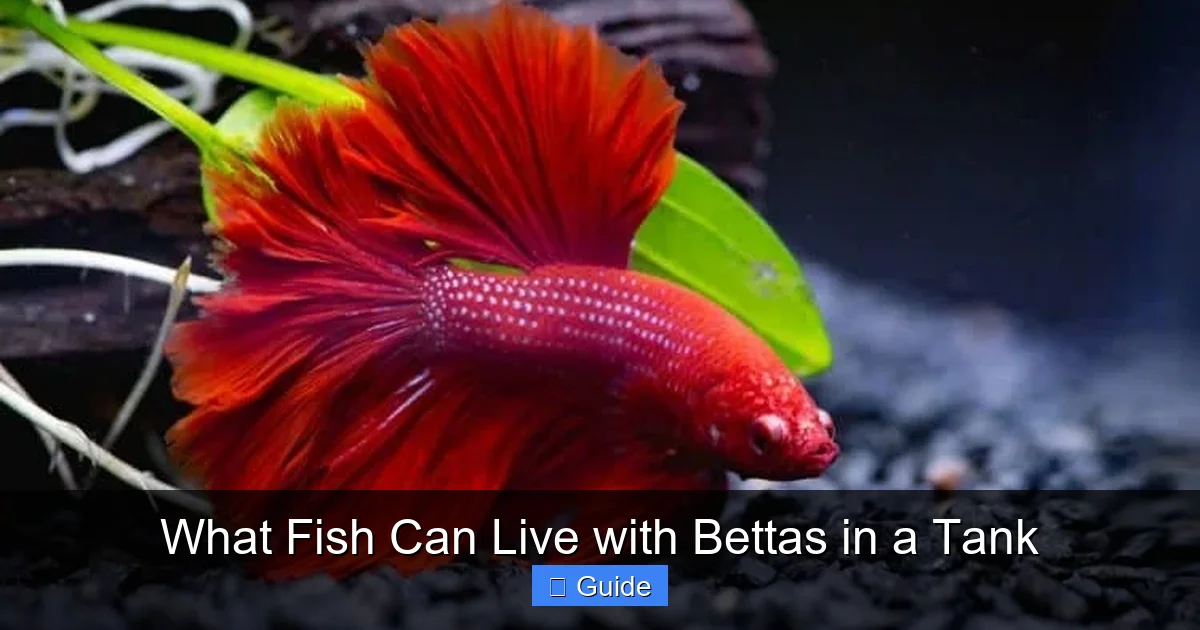
Bettas, with their stunning fins and personalities, can often share a tank with the right companions. Success depends on choosing peaceful, non-fin-nipping species and providing a spacious, well-decorated environment. Careful selection and a proper introduction process are absolutely critical to prevent aggression and ensure all inhabitants thrive. This guide details the safest tank mates, essential tank setup, and step-by-step methods for a peaceful community aquarium.
Key Takeaways
- Betta Temperament is Key: Your betta’s individual personality is the biggest factor. Some are aggressive, others more tolerant. Always observe your specific betta first.
- Tank Size is Non-Negotiable: A minimum of 10 gallons is strongly recommended for any community tank with a betta to provide enough space and reduce territorial disputes.
- Avoid Fin-Nippers and Flashy Fish: Steer clear of fish with long, flowing fins (like fancy guppies) or those known to nip fins (like tiger barbs), as they will provoke your betta.
- Prioritize Bottom-Dwellers & Schoolers: Peaceful bottom feeders (corydoras, Kuhli loaches) and fast, schooling fish (neon tetras, harlequin rasboras) in proper groups are often the safest bets.
- Invertebrates Can Work, But Aren’t Guaranteed: Snails and ghost shrimp are good starter options, but larger, colored shrimp (like cherry shrimp) may be seen as food.
- Setup & Introduction Process is Crucial: A tank with abundant plants, hiding spots, and established territory lines, combined with a slow, quarantined introduction, dramatically increases success rates.
- Always Have a Backup Plan: Be prepared to separate fish immediately if aggression occurs. Have a second tank or a breeder box ready as a safe haven.
📑 Table of Contents
- Understanding Your Betta: The First Step to a Peaceful Community
- Ideal Tank Mate Characteristics: What to Look For
- Top Tank Mate Categories & Specific Recommendations
- Setting Up the Tank for Success: It’s All About the Environment
- The Introduction Process: Patience is Not Optional
- Common Mistakes & Pitfalls to Avoid
- Conclusion: A Rewarding Journey with Patience
Understanding Your Betta: The First Step to a Peaceful Community
So, you’ve got a beautiful betta fish, also known as a Siamese fighting fish, and you’re captivated by its vibrant colors and flowing fins. You’re dreaming of a lively community tank, but you’ve heard the warnings: “Bettas are aggressive!” “They must live alone!” While it’s true that bettas have a reputation for being solitary and territorial—a legacy of their days fighting in rice paddies—the reality for most modern hobbyists is far more nuanced. The question of what fish can live with bettas in a tank isn’t about a simple yes or no list; it’s about understanding your individual betta and creating the right environment.
Bettas are labyrinth fish, meaning they breathe air from the surface. This makes them prone to jumping, so a secure lid is essential. Their aggression is primarily directed at other male bettas (they should never be housed together) and any fish they perceive as a threat. This threat can be a flashy, long-finned fish that looks like a rival male, or a slow-moving fish that invades their bubble nest territory. Female bettas are generally less aggressive but can still be territorial, especially in smaller spaces. The core principle is this: you are not just adding a fish to a betta’s tank; you are carefully curating a community where your betta feels secure and has no reason to attack.
The Role of Tank Size: Why Bigger is Infinitely Better
This cannot be stressed enough. The single biggest mistake aspiring community tank owners make is starting with a tank that is too small. A 5-gallon tank is the absolute minimum for a single betta, but it is not suitable for tank mates. Why? In a small space, your betta’s territory encompasses the entire tank. Any other fish is an intruder in its living room, leading to constant stress and inevitable conflict.
A 10-gallon tank is the widely accepted starting point for a betta community. This provides enough horizontal space for your betta to establish a preferred zone (often near the surface) and for other fish to occupy different strata—the bottom and middle levels. Larger is always better. A 20-gallon long tank offers even more separation of territories and is an excellent choice. Think of it like roommates: in a studio apartment, personal space is nonexistent, but in a house with multiple rooms, coexistence is much easier.
Ideal Tank Mate Characteristics: What to Look For
Before we dive into specific species, let’s establish the universal profile of a good betta tank mate. This checklist will help you evaluate any fish you’re considering:
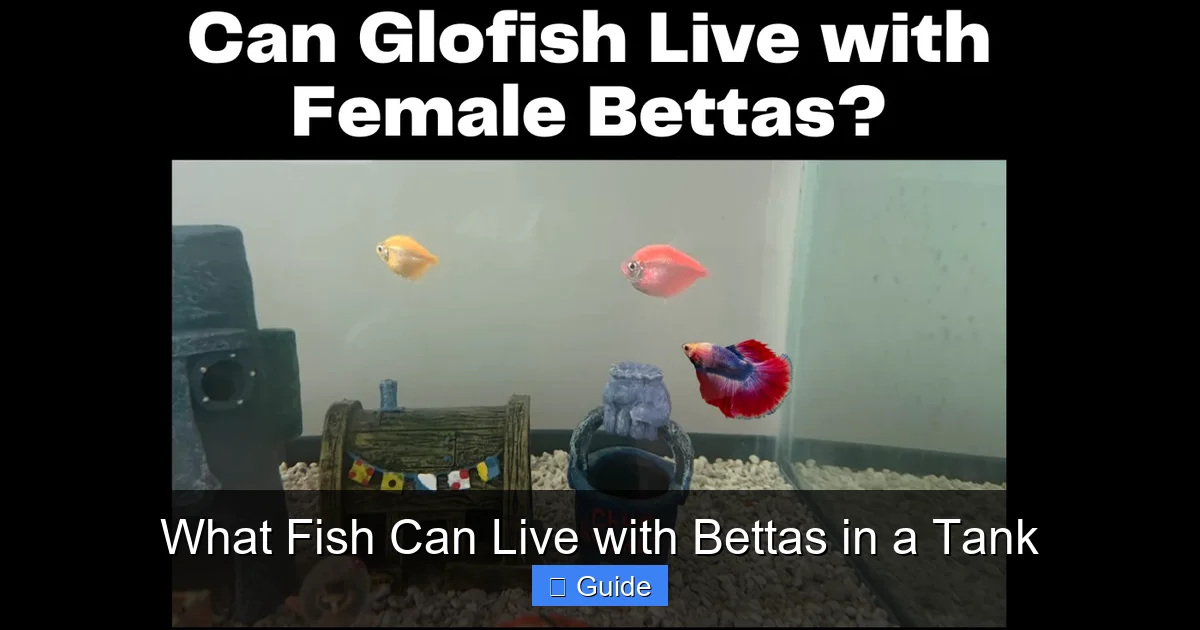
Visual guide about What Fish Can Live with Bettas in a Tank
Image source: fishtankexpert.com
- Peaceful and Non-Aggressive: The candidate should be a community fish known for its calm demeanor. No fin-nippers, no bullies, no fish that establish their own rigid territories in the same space as your betta.
- Prefers Different Tank Levels: The best tank mates occupy the bottom or middle levels of the tank. This reduces direct encounters with your betta, who will primarily patrol the top and mid-water column. Bottom-dwellers are perfect.
- No Long, Flowing Fins: This is critical. Fish with elaborate fins like male guppies, fancy goldfish, or angelfish will trigger your betta’s instinct to attack a rival male. They look like competition.
- Fast and Agile (Optional but Helpful): Fish that are quick swimmers and schooling in nature can often dart away if a betta gives a tentative chase. A single, slow fish is an easy target.
- Hardy and Adaptable: Bettas prefer warm water (78-80°F / 25.5-26.5°C). Your tank mates must thrive in this temperature range. They should also be tolerant of the slightly softer, acidic water parameters bettas often enjoy.
- Not Brightly Colored or Flashy (Caution): While not a hard rule, extremely vibrant fish (especially with red or blue hues, like some male guppies) can be mistaken for another betta and provoke aggression. Proceed with caution.
Top Tank Mate Categories & Specific Recommendations
Now for the fun part! Let’s break down the most compatible species into three reliable categories: peaceful schooling fish, bottom-dwelling cleanup crews, and invertebrates. Remember: always research the specific care requirements of any fish before purchase to ensure it matches your tank’s parameters and your experience level.
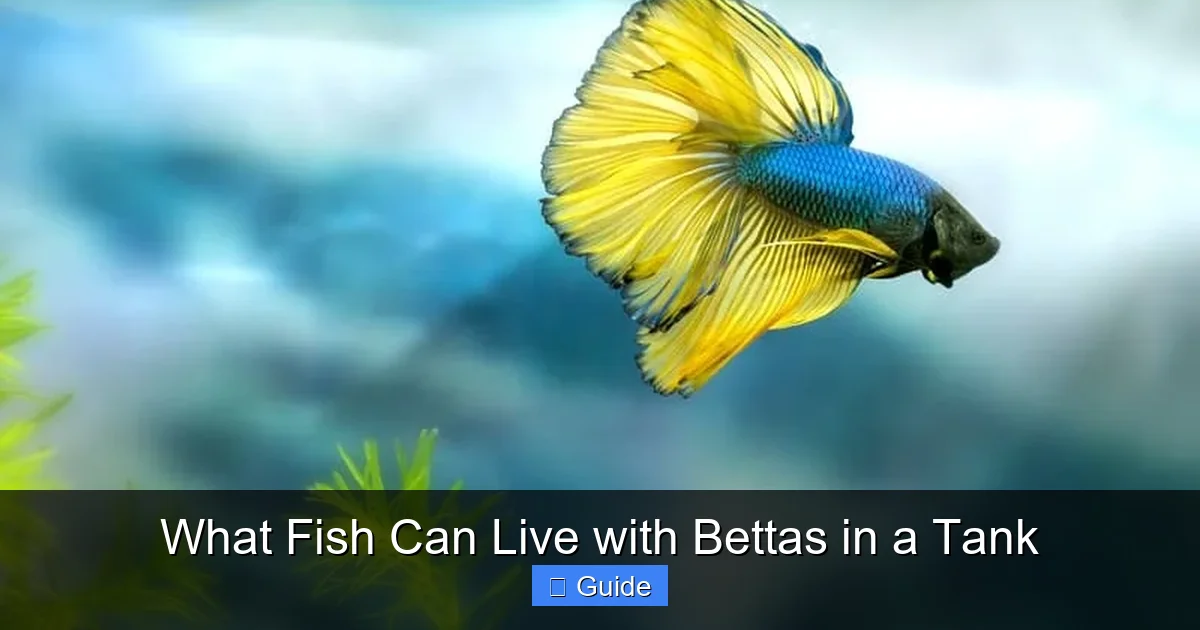
Visual guide about What Fish Can Live with Bettas in a Tank
Image source: fishtankmaster.com
1. Peaceful Schooling Fish (Middle & Top Levels)
These fish are excellent choices because they are naturally peaceful, prefer to be in groups of 6 or more, and their constant, synchronized movement seems to confuse bettas rather than trigger aggression. They occupy the mid-level, leaving the surface to your betta.
- Neon Tetras & Cardinal Tetras: The classic choice. These tiny, shimmering blue and red fish are peaceful, hardy, and thrive in the same warm, soft water as bettas. They must be kept in a school of at least 6, preferably 10+, to feel secure and display natural behavior. Their small size (1.5 inches) means they are not seen as a threat.
- Harlequin Rasboras: Slightly larger than neons (up to 2 inches), with a distinctive black triangle on their orange body. They are incredibly peaceful, active schoolers that do very well in betta communities. A group of 6+ is essential.
- Ember Tetras: Perfect for a smaller 10-gallon tank. These miniature tetras (max 0.8 inches) are a beautiful fiery orange. Their tiny size and schooling nature make them unlikely targets. Keep them in groups of 8+.
- Celestial Pearl Danios (CPDs): A more recent favorite. These tiny, jewel-like fish with striking orange fins are active but not aggressive. They prefer slightly cooler water (72-78°F), so ensure your betta is comfortable at the lower end of its range. A group of 6+ is recommended.
Pro Tip: When adding any schooling fish, add them to the tank before introducing your betta if possible. This allows the school to establish its territory and routine, making the betta the “newcomer” who must adapt, often leading to less initial aggression.
2. Bottom-Dwelling & Oddball Fish (Bottom Level)
These are arguably the safest and most recommended tank mates for bettas. They occupy a completely different niche, often being nocturnal or spending all day sifting through the substrate, completely ignoring the betta above.
- Corydoras Catfish (“Cories”): The undisputed champion of betta tank mates. These small, armored catfish are social, peaceful, and come in many varieties (Pygmy, Panda, Bronze, Albino). They are constant, comic motion on the bottom, cleaning up leftover food. They MUST be kept in groups of at least 5-6. A group of 6 Pygmy Cories in a 10-gallon tank is a perfect, low-risk combination.
- Kuhli Loaches: These fascinating, eel-like fish are masters of camouflage and spend daylight hours burrowed in the substrate or hiding under decorations. They are completely nocturnal, so you might only see them at night. They are extremely peaceful and an excellent, unique addition. Keep them in groups of 3+.
- Bristlenose Plecos (Ancistrus): If you have an algae problem, a single, small Bristlenose Pleco can be a good fit. They are much smaller and more peaceful than common plecos. Ensure you have a well-fed pleco with plenty of driftwood, as they are omnivores and need more than just algae. Size is a factor—a full-grown Bristlenose (4-5 inches) in a 10-gallon might be too crowded, so consider a 15+ gallon tank.
- Otocinclus Catfish (“Otos”): The smallest and most delicate pleco relative. These tiny algae-eaters (1-2 inches) are gentle, schooling fish that cling to glass and leaves. They are best for established tanks with plenty of algae and biofilm. They are sensitive to water quality, so only add them to a mature, stable tank. Keep in groups of 6+.
3. Invertebrates: Shrimp & Snails
Invertebrates add a different dynamic and can be great cleanup crew members. However, their success with bettas is a gamble, as your betta may simply view them as a snack.
- Mystery Snails & Nerite Snails: These are your safest invertebrate bet. They are large, slow, and have hard shells. A betta might investigate, but it’s unlikely to injure a snail. They are excellent algae-eaters (Nerites) and come in beautiful colors. Mystery snails also clean the glass. They are low-maintenance and a great starting point.
- Ghost Shrimp / Glass Shrimp: The most transparent and inexpensive shrimp. Their near-invisibility often allows them to coexist with bettas, as the betta may not even recognize them as food consistently. They are hardy, great scavengers, and can breed in the tank. A small group (5-10) is a good idea, as some will likely be lost.
- Amano Shrimp: Larger (2-3 inches) and more robust than ghost shrimp. They are excellent algae-eaters and are less likely to be seen as a snack due to their size and cryptic behavior. They are a great, slightly more expensive option.
- Cherry Shrimp / Other Colored Shrimp: Here’s where the risk increases. Their bright red, blue, or yellow colors make them highly visible and appetizing. A curious or hungry betta will almost certainly eat them. Some very mellow bettas may ignore them, but it’s not guaranteed. Only attempt this with a proven, non-aggressive betta in a large, heavily planted tank where the shrimp have endless hiding places.
Setting Up the Tank for Success: It’s All About the Environment
You could have the perfect, peaceful school of neon tetras, but if you put them in a bare, 5-gallon tank with a flamboyant betta, it will end in disaster. The aquarium environment is your most powerful tool for preventing aggression. The goal is to break lines of sight, provide escape routes, and ensure your betta feels its domain is secure.
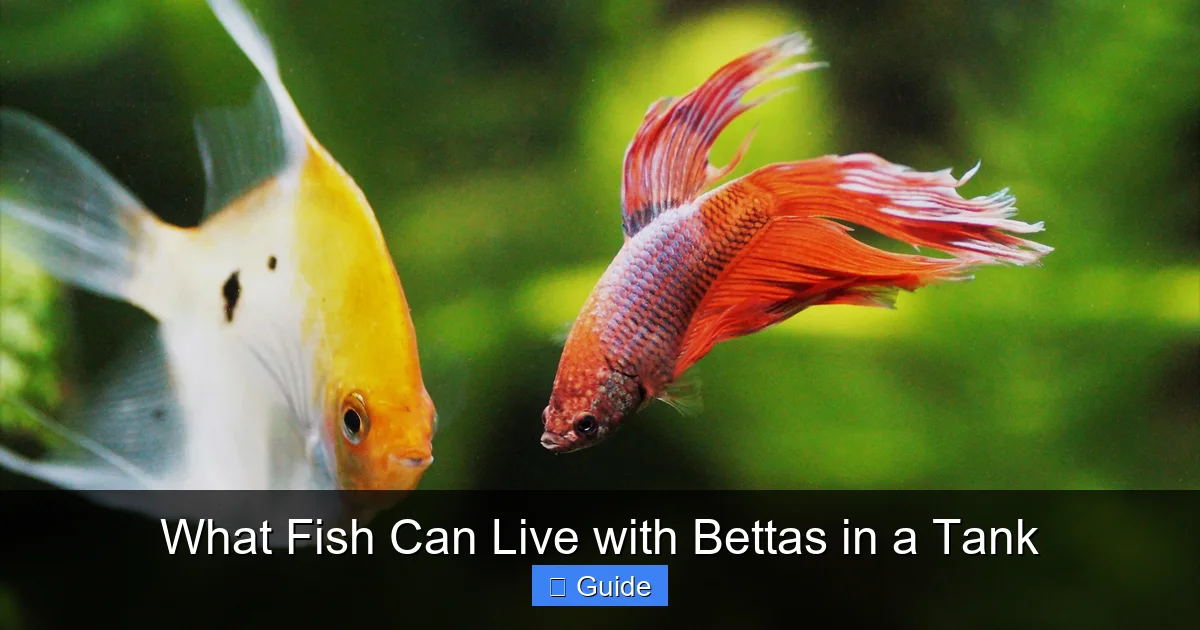
Visual guide about What Fish Can Live with Bettas in a Tank
Image source: yoyipet.com
Tank Layout: Creating a Complex Landscape
Forget the minimalist look. Your tank needs dense planting and decorations to create a three-dimensional jungle.
- Live Plants are King: Live plants (like Java fern, Anubias, Amazon swords, Cryptocorynes, floating plants like Salvinia or Frogbit) are ideal. They improve water quality, provide grazing grounds for shrimp, and, most importantly, offer dense thickets for fish to hide in and break visual contact. Floating plants are especially valuable as they create a shaded upper layer, mimicking the betta’s natural murky habitat and reducing stress.
- Hardscape is Essential: Use driftwood, rock formations, and ceramic castles to create caves, overhangs, and tunnels. This gives bottom-dwellers their own专属 territory and provides visual barriers. A well-placed piece of driftwood can split the tank into distinct zones.
- Substrate Choice: Soft, sandy substrate is best for Corydoras and Kuhli loaches, who like to sift. Fine gravel works too. Avoid large, sharp gravel that can damage their barbels.
Filtration and Water Quality
A gentle filter is a must. Bettas dislike strong currents, as their long fins make swimming difficult. Use a sponge filter (excellent for shrimp tanks too) or a hang-on-back filter with a flow diffuser. Cycle your tank fully before adding any fish. Stable, clean water (ammonia and nitrite at 0) is critical for the health of all inhabitants, especially sensitive invertebrates and cories. Perform regular water changes (25% weekly) and test parameters regularly.
The Introduction Process: Patience is Not Optional
You’ve got your 15-gallon long tank fully cycled, planted, and populated with a school of 8 ember tetras and 6 Pygmy cories. Now what? You cannot just drop your betta in and hope for the best. A structured, patient introduction is the difference between success and failure.
Step 1: The Quarantine and Setup Order
Ideally, set up and stock the community tank first, letting it run for a week or two to establish a routine. Then, introduce your betta last. This makes the betta the “guest” in an established community, which is often less threatening than having a new fish invade its home. Always quarantine any new fish (including your betta if it was from a store) for 2-4 weeks in a separate tank to prevent introducing diseases to your main display.
Step 2: The Acclimation and Initial Observation
When you’re ready, use a drip acclimation method to equalize water parameters. Gently net your betta and place it in a clear breeder box or a large jar inside the main tank. This allows it to see and be seen by its new tank mates without physical contact for 24-48 hours. Observe closely.
- Good Signs: Your betta flares its gills briefly but then ignores the other fish. It swims calmly. The other fish go about their business, maybe keeping a slight distance but not hiding in terror.
- Bad Signs: relentless chasing, fin nipping (on either side), your betta spending all its time pressed against the glass trying to get at a specific fish, or other fish hiding constantly and not coming out to eat. If you see persistent bad signs, the combination may not work. Consider a different tank mate or a single-species betta tank.
Step 3: The Release and Monitoring
If the initial observation goes well, release your betta into the tank, ideally at night when the other fish are less active. For the first week, monitor the tank several times a day, especially during feeding. Ensure your betta is not chasing anyone to exhaustion and that all fish are eating. Have a backup breeder box ready to remove either the betta or the targeted fish if aggression flares up suddenly after release.
Common Mistakes & Pitfalls to Avoid
Even with the best intentions, hobbyists often fall into these traps. Here’s what to watch out for:
Mistake 1: Overcrowding with “Small” Fish
“They’re tiny, so I can have 20 of them!” This is a dangerous fallacy. A school of 20 neon tetras still has a biological load equivalent to several larger fish. Overcrowding creates toxic ammonia spikes and causes chronic stress for all fish, making aggression more likely. Always research the adult size and recommended school size, and stick to a sensible stocking level for your tank volume.
Mistake 2: Ignoring Individual Personality
The lists in this guide are guidelines, not guarantees. You might have a particularly feisty betta that will not tolerate any other fish, no matter how peaceful. Or you might have a exceptionally docile one. Be prepared to accept that your specific betta may simply prefer to be a solo showpiece. Forcing a community on an incompatible betta is cruel and stressful for all involved.
Mistake 3: Adding Tank Mates During Breeding Behavior
If your male betta is building a bubble nest, it is in a heightened territorial and protective state. This is the worst possible time to introduce new fish. Wait until the breeding behavior subsides.
Mistake 4: Poor Feeding Strategy
A hungry betta is an aggressive betta. Feed your betta its high-quality pellets first, in a corner of the tank, before adding the community food. This satisfies its initial hunger and reduces the chance it will see darting tank mates as food. Ensure all fish are well-fed with appropriate diets.
Conclusion: A Rewarding Journey with Patience
Creating a successful betta community tank is one of the most rewarding projects in the freshwater aquarium hobby. It transforms a single, beautiful fish into a dynamic ecosystem. The key, as we’ve outlined, is a combination of informed species selection, generous tank size, meticulous aquascaping, and a slow, observant introduction process. Start with the most reliable pairings: a peaceful betta in a 10+ gallon tank with a school of neon tetras or harlequin rasboras and a group of corydoras catfish. This combination provides activity at all levels and has a high success rate.
Embrace the role of a detective. Watch your betta’s body language. Is it flaring but then swimming away? That’s normal posturing. Is it locked in a death chase with a specific fish? That’s a problem. Be ready to adapt. Sometimes, the most harmonious community is a single betta with a few snails and shrimp. Other times, it’s a bustling neighborhood of tetras and catfish. By respecting your betta’s nature as a territorial but intelligent creature, and by providing an environment that meets its needs, you can unlock a vibrant, peaceful underwater world that brings joy for years to come. Happy fish-keeping!
Frequently Asked Questions
Can betta fish live with shrimp?
It depends. Larger, more robust shrimp like Amano or Ghost shrimp have a good chance of cohabiting, especially in a heavily planted tank. However, small, colorful shrimp like Cherry shrimp are often seen as food by bettas and may be eaten. There are no guarantees, as it depends on your individual betta’s personality.
Can I put a betta with a snail?
Yes, snails are generally one of the safest tank mates for bettas. Their hard shells protect them, and they move too slowly to trigger a betta’s chase instinct. Mystery snails and Nerite snails are excellent choices that also help clean the tank.
Can female bettas live with other fish?
Yes, female bettas are typically less aggressive than males and can often be kept in community tanks more successfully. However, they can still be territorial, especially in small spaces. The same rules apply: peaceful tank mates, a large tank (10+ gallons), and plenty of hiding spots are essential. Female bettas can also sometimes be kept in small groups (a “sorority”) but this requires even more space and expertise.
Can two betta fish live together?
Two male bettas should never be housed together; they will fight to the death. A male and female can only be kept together temporarily for breeding under strict supervision. Female bettas can sometimes be kept in small groups (5 or more) in a very large, heavily planted tank, but this is an advanced setup with a high risk of aggression and is not recommended for beginners.
What are the absolute worst fish to put with a betta?
Avoid any fish with long, flowing fins (fancy guppies, male swordtails, some angelfish) as they look like rival bettas. Also avoid known fin-nippers (tiger barbs, serpae tetras, some barb species), large or aggressive fish (cichlids, gouramis—which are betta relatives and often squabble), and fish that prefer different water conditions (goldfish, which need cold water).
My betta is attacking its tank mate. What should I do?
Act immediately. Have a backup plan (a separate hospital tank or breeder box) ready. Remove the victim fish right away to prevent injury or death. You can try re-introducing them later using a tank divider for permanent separation, which allows them to see each other without contact. Ultimately, you may need to accept that your betta needs to be a solitary fish. Its well-being and the safety of its tank mates must come first.