Can Betta Fish Be with Other Fish
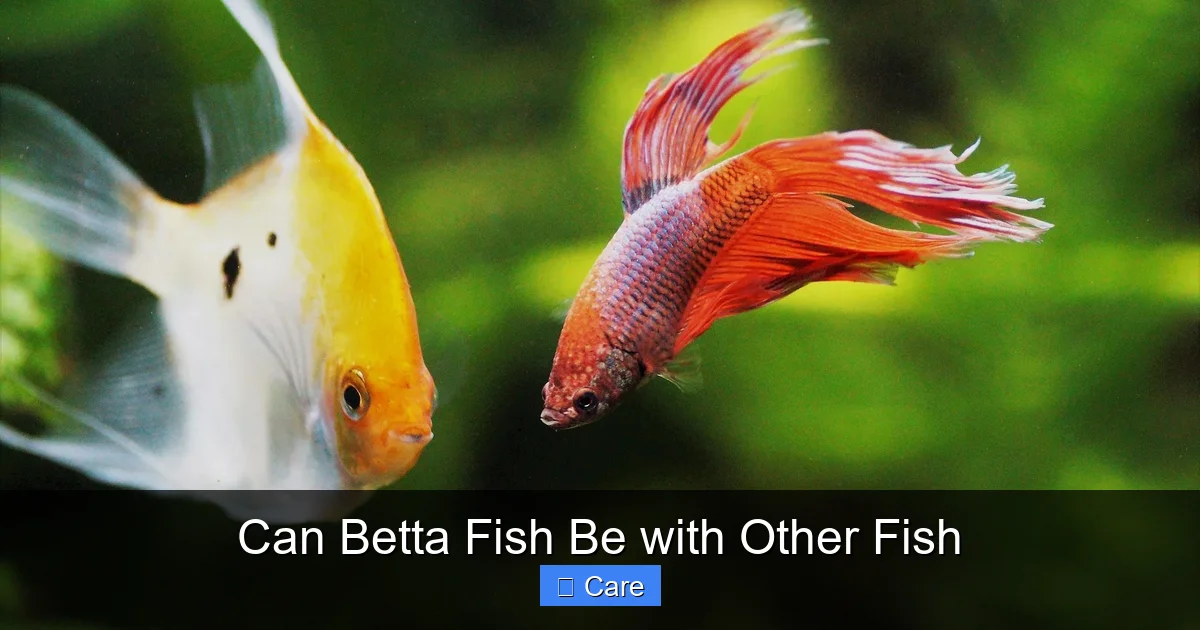
Yes, betta fish can sometimes live with other fish, but it’s not guaranteed and requires careful planning. Success depends heavily on your individual betta’s temperament, a sufficiently large and well-decorated tank, and choosing peaceful, appropriate tank mates. Never assume your betta will be friendly; always have a backup plan and be prepared to separate fish if aggression occurs. It’s a rewarding challenge for dedicated hobbyists who prioritize observation and patience.
Key Takeaways
- Individual Temperament is Everything: Your betta’s personality is the biggest factor. Some are peaceful, most are territorial, and all are unpredictable. Never house a betta based solely on species guidelines.
- Tank Size is Non-Negotiable: A minimum of 20 gallons is strongly recommended for a community tank with a betta. More space reduces territorial disputes and provides ample escape routes.
- Choose tank mates with Care: Select small, fast, non-flashy, and non-aggressive fish like certain rasboras, tetras, or corydoras. Invertebrates like shrimp or snails can also work with caution.
- Avoid Fin-Nippers and Look-Alikes: Never house bettas with fish known for nipping fins (e.g., tiger barbs) or other fish with long, flowing fins (guppies, fancy goldfish) which trigger aggression.
- The Introduction Process is Critical: Always quarantine new fish first. Use a divider or separate tank for initial visual contact. Rearrange tank decor before adding the betta to disrupt territory.
- Constant Observation is Required: Monitor all fish closely for the first 72 hours and indefinitely. Be ready to remove the betta or the tank mate at the first sign of persistent chasing, flaring, or fin damage.
- Have a Backup Plan: Always have a second cycled tank or a large, secure divider ready. The betta’s safety and the safety of other fish depend on your ability to separate them quickly if needed.
📑 Table of Contents
- Can Betta Fish Be with Other Fish? The Truth About Betta Tank Mates
- Understanding the Betta: More Than Just a Fighter
- The Foundation: Creating a Perfect Betta Tank
- Safe and Suitable Tank Mate Choices
- Fish to Absolutely Avoid with Bettas
- The Step-by-Step Guide to Introducing a Betta to Tank Mates
- Common Mistakes and How to Troubleshoot
- The Verdict: Is It Worth It?
Can Betta Fish Be with Other Fish? The Truth About Betta Tank Mates
So, you’ve got that stunning betta fish, with its flowing fins and vibrant colors, proudly swimming in its own tank. It’s a lonely sight, isn’t it? You might wonder, can betta fish be with other fish? The popular myth that bettas, or Siamese fighting fish, must live alone is only half true. The full answer is a nuanced, exciting, and sometimes challenging “yes, but…”
For decades, bettas were labeled as solitary, aggressive monsters that would kill any tankmate. While this can absolutely happen, modern aquarium keeping has shown that with the right setup, the right fish, and a deep understanding of your individual betta’s personality, a peaceful community tank is possible. This guide will dive deep into the realities, risks, and rewards of creating a mixed-species aquarium with a betta. We’ll move beyond simple lists to explore the “why” behind compatibility, giving you the tools to make an informed, safe decision for your aquatic family.
Understanding the Betta: More Than Just a Fighter
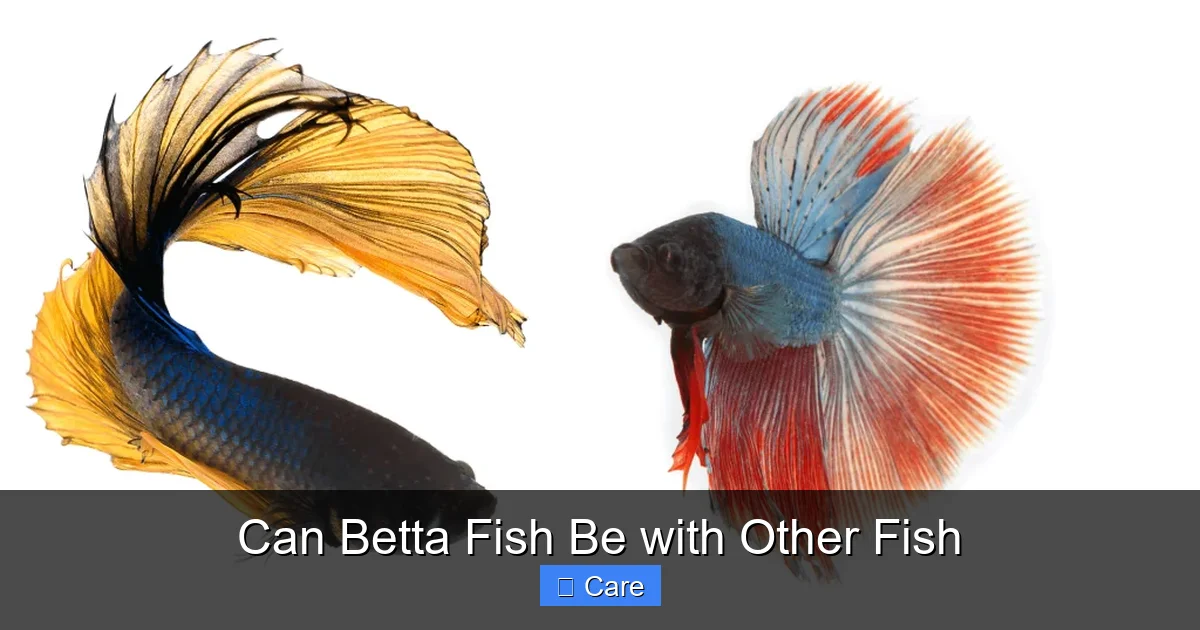
To answer can betta fish be with other fish, we must first understand the betta itself. Its reputation comes from its wild history. In the shallow rice paddies of Thailand, male bettas were bred for aggression, fighting for territory and mates. This history shaped their biology, giving them a labyrinth organ to breathe air and a fierce territorial instinct. However, centuries of selective breeding for the aquarium trade have produced a wide range of temperaments.
Visual guide about Can Betta Fish Be with Other Fish
Image source: aniimad.com
Male vs. Female: It’s Not Just About Gender
Many believe female bettas are always calmer. This is a dangerous oversimplification. While females are generally less intensely territorial than males, they can still be aggressive, especially in small tanks or with the wrong company. A large, dominant female may harass other fish just as a male would. Never assume gender equals compatibility. You must evaluate each fish as an individual.
The Spectrum of Betta Personalities
Think of betta temperament on a spectrum. On one end, you have the “placid plakat” who might ignore other fish entirely. On the other, the “velociraptor” who will flare at his own reflection and attack anything that moves. Most bettas fall somewhere in the middle—they may tolerate certain fish but will chase others. Your job is to discover where your betta lies on this spectrum through careful, patient observation.
The Foundation: Creating a Perfect Betta Tank
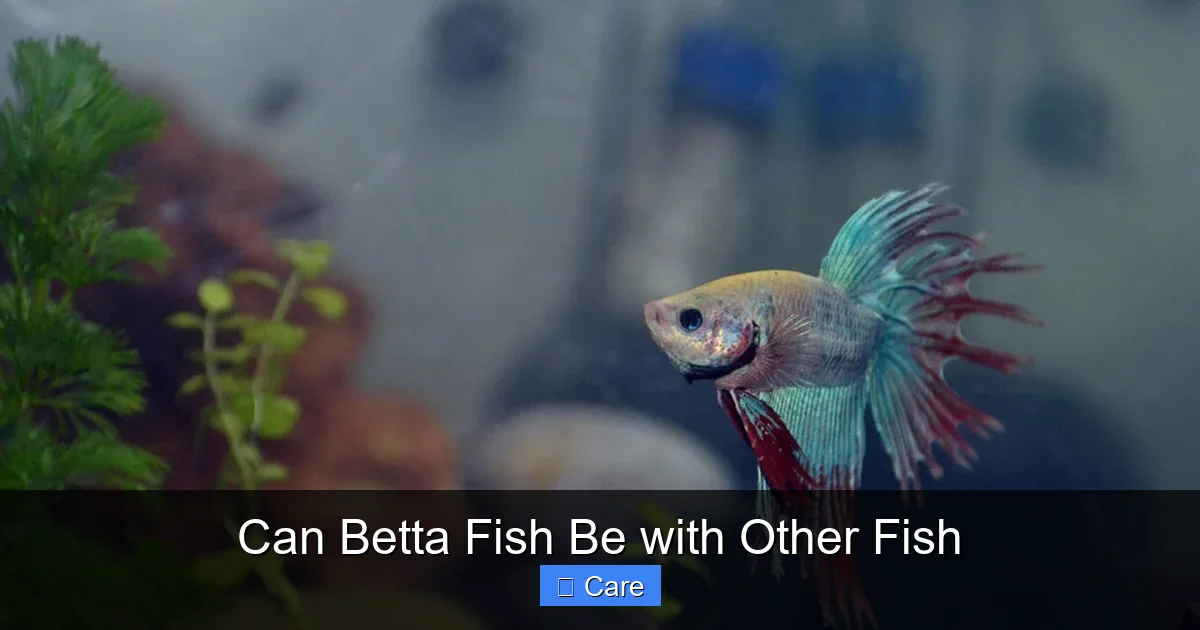
You cannot discuss can betta fish be with other fish without first discussing the tank itself. The environment is your primary tool for managing betta aggression. A poor setup guarantees failure, no matter how peaceful the tank mates seem.
Visual guide about Can Betta Fish Be with Other Fish
Image source: fishkeepingadvice.com
Tank Size: Bigger is Infinitely Better
The #1 mistake is a small tank. A 5-gallon tank is the absolute minimum for a solitary betta. For a community tank, start at 20 gallons and go larger. Why? Space dilutes territory. In a 20-gallon long, your betta’s “domain” is a small section. Other fish can establish their own spaces. In a 5-gallon, the entire tank is the betta’s territory, and any intruder is a direct threat. More water volume also means more stable water parameters, which reduces stress for all fish.
Strategic Aquascaping: The Art of Breaking Lines of Sight
Your tank must be a labyrinth, not an arena. The goal is to prevent your betta from seeing another fish as a constant, looming rival. Use a combination of:
- Dense Planting: Live plants like Java fern, Anubias, and floating plants (duckweed, frogbit) are gold. They create visual barriers and reduce stress.
- Hardscape: Driftwood, large rocks, and ceramic caves provide physical barriers and hiding spots.
- Vertical Layers: Populate all water levels. Bettas are top/mid-level swimmers. Fill the middle with schools of tetras and the bottom with corydoras or loaches. This uses the tank’s space efficiently and keeps fish out of each other’s primary zones.
Water Parameters: The Non-Negotiable Basics
A healthy betta is a more tolerant betta. Maintain pristine water conditions: temperature between 78-80°F (25.5-26.5°C), pH around 7.0, and ammonia/nitrite at 0 ppm. Use a gentle filter (like a sponge filter) to provide flow without creating a strong current, which stresses bettas and makes it hard for other fish to swim.
Safe and Suitable Tank Mate Choices
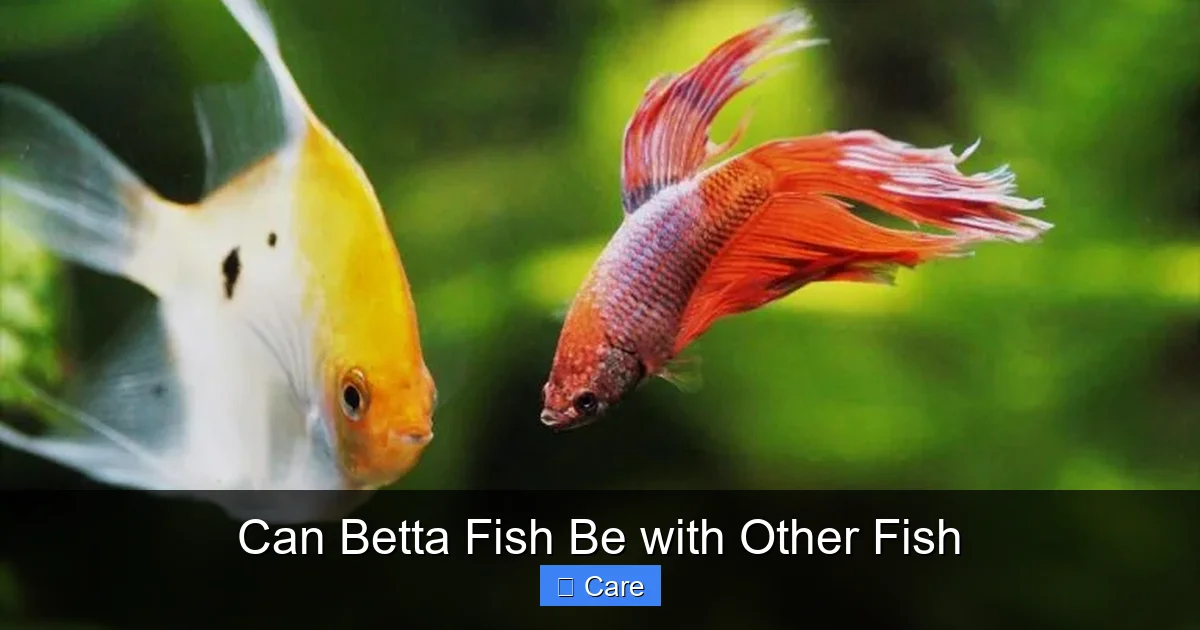
If the tank is the foundation, tank mates are the carefully chosen bricks. The rule of thumb is: small, fast, non-flashy, and non-aggressive. Let’s break down the best categories.
Visual guide about Can Betta Fish Be with Other Fish
Image source: fishkeepingadvice.com
Peaceful Schooling Fish: The Top Recommendation
These are your best first choices. A school of 6-8 small, active fish that keep to themselves in the mid-water column is ideal. Their constant, gentle movement often doesn’t register as a threat to a betta. Excellent options include:
- Rasboras: Harlequin rasboras (Trigonostigma heteromorpha) are a classic. Their subtle orange and black markings are not flashy, and they are peaceful, active swimmers.
- Small Tetras: Neon tetras, ember tetras, or cardinal tetras (in a larger group). Important: Avoid larger, more boisterous tetras like black skirts or serpae, which can nip fins.
- Danios: Celestial pearl danios (Danio margaritatus) or leopard danios are hardy, active, and stay small.
Bottom-Dwellers: The Perfect Clean-Up Crew
Fish that occupy the bottom layer usually have no interaction with a top-dwelling betta. They also help clean the substrate.
- Corydoras Catfish: The quintessential community fish. A school of 6 pygmy corydoras (Corydoras pygmaeus) or three larger species like bronze corys is an excellent choice. They are peaceful, social, and fun to watch.
- Kuhli Loaches: These eel-like, nocturnal loaches are quirky and completely harmless. They burrow and stay out of sight most of the day.
- Otocinclus Catfish: Great algae eaters, but they are sensitive and need a well-established tank with biofilm and algae to graze on.
Invertebrate Tank Mates: A Calculated Risk
Shrimp and snails can add interest but come with significant caveats.
- Ghost/Glass Shrimp: These transparent shrimp are often seen as food first, pets second. A curious betta may eat one, especially a small juvenile. Larger, more experienced shrimp like Amano shrimp have a better chance but are not 100% safe.
- Cherry Shrimp: Their bright red color is a major trigger for bettas. Not recommended.
- Nerite Snails: Excellent algae eaters with a hard shell. A betta may nudge or peck at them, but it cannot eat the snail. They are one of the safest invertebrate choices.
- Mystery/Apple Snails: Their large size and slow movement make them less likely to be harassed, but they produce a lot of waste. Ensure your filtration can handle it.
Fish to Absolutely Avoid with Bettas
Just as important as knowing who to try is knowing who to avoid at all costs. These pairings are recipes for disaster, stress, and death.
Aggressive or Fin-Nipping Species
These fish will either fight your betta for dominance or relentlessly nip at its beautiful, flowing fins, leading to infection and death.
- Tiger Barbs, Tinfoil Barbs, and other “fin-nippers”: Their name says it all. They are notorious for this behavior.
- Some Cichlids: Even small African cichlids like convicts or yellow labs are far too aggressive and territorial.
- Some Gouramis: Other anabantoids like dwarf gouramis, paradise fish, or three-spot gouramis can be very territorial and may fight the betta for dominance.
Fish with Long, Flowing Fins
This is a classic trigger. A betta sees another fish with fancy fins and interprets it as a rival male betta. This is an almost guaranteed fight.
- Fancy Guppies: The males’ large caudal fins are a red flag.
- Fancy Goldfish: Besides the fin issue, goldfish have incompatible temperature and waste requirements.
- Betta Splendens (Other Bettas): Never, ever house two male bettas together. They will fight to the death. Female-only sororities require expert-level setup (minimum 40+ gallons, 6+ females, heavy planting) and still carry high risk. Male and female should only be together for controlled breeding, and even then, supervision is key.
The Step-by-Step Guide to Introducing a Betta to Tank Mates
You have the perfect 20-gallon long, heavily planted with Java fern and driftwood. You’ve chosen a school of harlequin rasboras and a trio of pygmy corydoras. Now what? Rushing this process is the fastest way to failure.
Step 1: Quarantine the New Fish
Always, always quarantine new fish in a separate tank for at least 4 weeks. This prevents introducing diseases into your main display tank, which would stress your betta and make any aggression worse. This step is for the health of your entire ecosystem.
Step 2: Rearrange the Tank Before the Betta Meets Anyone
This is a crucial psychological trick. After your tank mates have been in the main tank for a few days (without the betta present), do a major rearrange. Move all the plants, rocks, and decorations. This disrupts any territory the other fish have claimed and makes the tank feel “new” to everyone. Then, using a net or cup, gently transfer your betta into the tank. Do not use the cup water from its old tank. This “reset” helps prevent the betta from attacking the first fish it sees as an intruder in an established home.
Step 3: The Divider Method (Highly Recommended)
The safest method is to use a tank divider. Place the betta in one section and the new tank mates in the other for several days to a week. This allows them to see each other without physical contact. Observe: does your betta flare its gills and chase the divider constantly? That’s a strong sign of aggression. Does it ignore them? That’s a good sign. This method gives you a preview before committing to full integration.
Step 4: The Drip Acclimation and Initial Monitoring
When you’re ready to remove the divider, do a slow drip acclimation of the betta into the community section (or vice versa) to equalize water parameters. For the first 72 hours, be a hawk. Watch for:
- Persistent Chasing: A quick chase is normal; constant harassment is not.
- Flaring: The betta puffing out its gills is a major threat display.
- Hiding: If any fish, including the betta, is constantly hiding and not eating, the stress level is too high.
- Fin Damage: Any torn or ragged fins on any fish mean you must separate immediately.
Common Mistakes and How to Troubleshoot
Even with the best planning, things can go wrong. Here’s how to identify and fix the most common issues.
Mistake 1: Choosing Tank Mates Based Only on a List
Just because a fish is on a “safe list” doesn’t mean your specific betta will tolerate it. Your betta is an individual. That peaceful betta you read about might hate neon tetras. Always start with the most docile, hardy options (like corydoras) and introduce one species at a time, observing for weeks before adding more.
Mistake 2: Underestimating Space Needs
“I have a 10-gallon, can I try a betta with a shrimp?” The answer is almost certainly no. While it *might* work, the risk of aggression and the lack of space for the shrimp to escape make it unfair to both animals. Invest in the space. Your future self will thank you.
Mistake 3: Ignoring the Signs of Stress
Stress is a silent killer. A stressed betta may become lethargic, lose its appetite, or develop clamp fin (fins held tightly to the body). Stressed tank mates will also hide and not eat. If you see these signs, even without overt fighting, the social experiment is failing. You must separate the fish to save their health.
What To Do If Fighting Erupts
If you see your betta relentlessly chasing another fish, or two fish fighting, act immediately. Have a hospital tank or a divider ready. Use a net to remove the aggressor (often the betta, but not always) or the victim. Never hope it will “work itself out.” It won’t. Separate them and reassess. Can you add more hiding spots? Was one fish sick? Sometimes, some species just aren’t compatible with your specific betta, and that’s okay.
The Verdict: Is It Worth It?
So, can betta fish be with other fish? The honest answer is: sometimes, for some bettas, in some setups. It is not a right, but a privilege you must earn through research, investment, and vigilant care. The reward is a stunning, active community tank where your betta is just one fascinating character in a vibrant story. The risk is the injury or death of your betta or its tank mates.
For a beginner or someone wanting a low-maintenance tank, a solitary betta in a well-planted 5-10 gallon is a perfect, beautiful choice. For the dedicated hobbyist willing to provide a 20+ gallon kingdom, who enjoys the process of aquascaping and observing animal behavior, the challenge of creating a peaceful betta community can be one of the most rewarding achievements in the aquarium hobby. Start with the right equipment, choose your tank mates with extreme caution, and above all, know your fish. Your patience and observation are the most important tools you have.
Frequently Asked Questions
Can a male and female betta fish live together?
No, not long-term. Male and female bettas can only be housed together for controlled breeding under close supervision, as the male may become aggressive toward the female after spawning. For a permanent community tank, only one betta should be present.
What is the smallest tank size for a betta with tank mates?
While a solitary betta can live in a 5-gallon tank, adding any tank mate requires a significant increase. A 20-gallon long is the absolute minimum recommended starting point to provide enough space for territories and to dilute aggression.
What are the first signs my betta is stressed by tank mates?
Look for constant hiding, loss of appetite, clamped fins (held tightly to the body), lethargy, or frantic, constant chasing of a specific fish. If your betta is flaring its gills at another fish every time it sees it, that is also a clear sign of severe stress and aggression.
Can betta fish live with shrimp?
It’s a high-risk gamble. Larger, more robust shrimp like Amano shrimp have a better chance, but a curious or aggressive betta may still nip at them or eat smaller shrimp. Ghost shrimp are often viewed as snacks. Never introduce expensive or rare shrimp to a tank with an unproven betta.
Do I need a tank divider to start?
Using a divider for the first week or two is one of the safest and most recommended methods. It allows the fish to see each other without physical contact, giving you a clear preview of potential aggression before you permanently house them together.
What should I do if my betta starts chasing another fish?
Act immediately. Have a separate hospital tank ready. Remove the aggressor (usually the betta) or the victim using a net. Do not hope the behavior will stop. Re-evaluate your tank setup—add more plants and hiding spots. If aggression persists, you must permanently separate the fish. The safety of all your fish is the priority.