Do Betta Fish Need Filtered Tanks
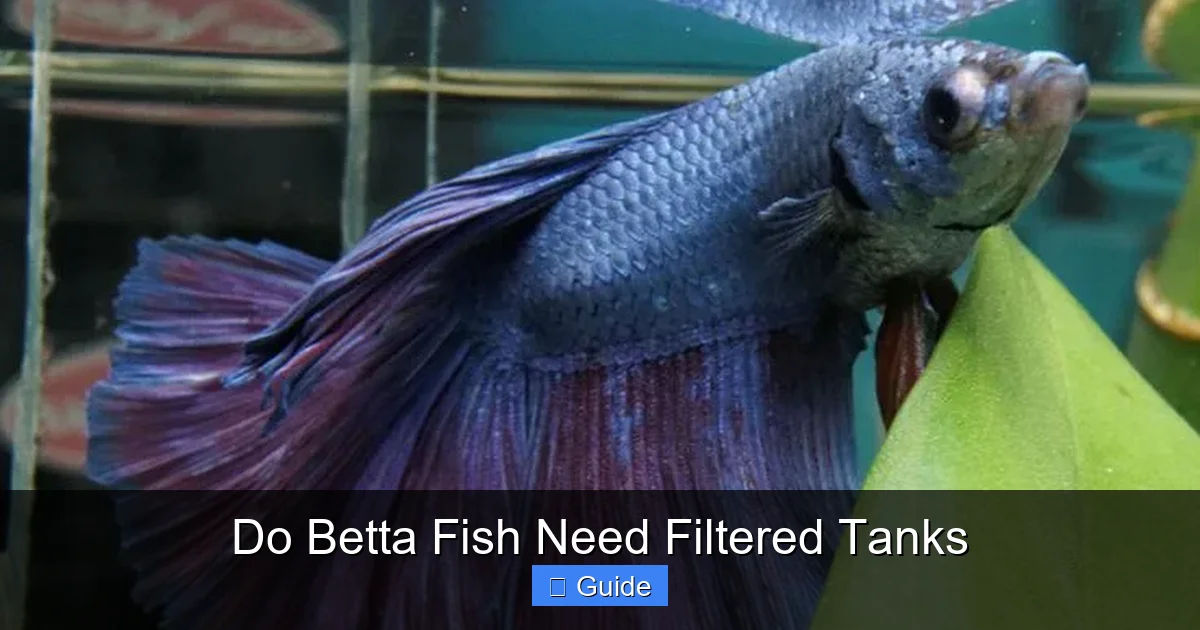
Contrary to popular belief, betta fish absolutely require filtered aquariums for long-term health and vitality. A filter is not optional equipment; it’s a critical life-support system that cycles harmful waste, provides beneficial bacteria, and maintains stable water parameters. Without a filter, bettas slowly poison themselves with their own ammonia, leading to stress, disease, and a shortened lifespan. The goal is to choose a gentle, adjustable filter that creates clear water without stressing your betta’s delicate fins.
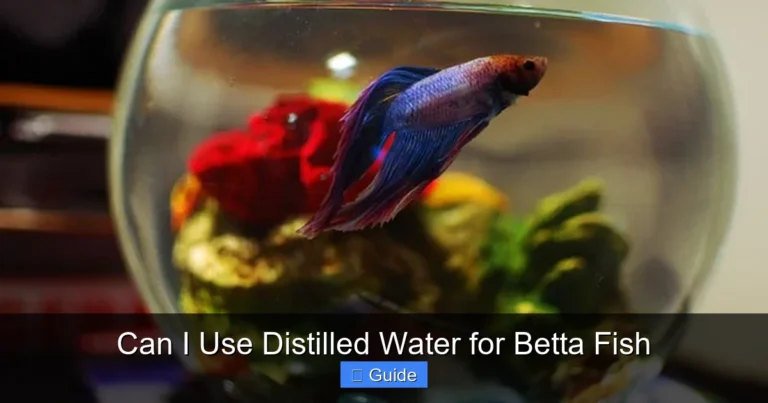
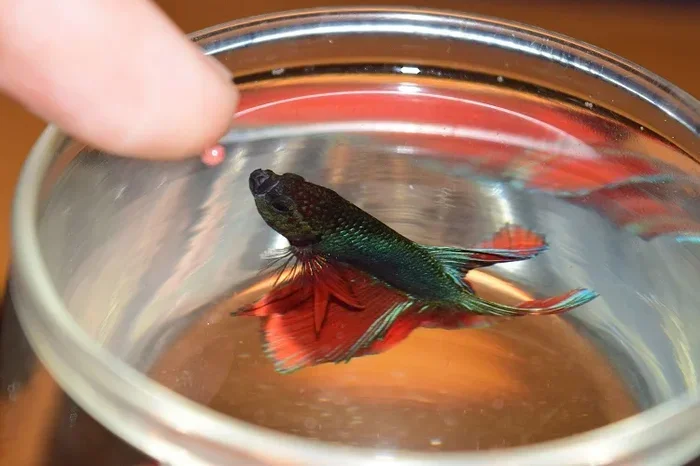
You’ve seen them everywhere: the beautiful, solitary betta fish, often displayed in a small, clear vase or a decorative bowl on a desk or shelf. This iconic image has perpetuated one of the most persistent and harmful myths in the aquarium hobby: that betta fish, with their famous ability to survive in shallow, stagnant puddles in the wild, don’t need a filter. It’s a compelling story, but it’s a story that confuses survival with thriving. As a dedicated betta enthusiast and aquarist, my goal here is to provide a complete, evidence-based answer to the question: Do betta fish need filtered tanks? The unequivocal, science-backed answer is yes. A filtered tank is not a luxury for a betta; it is the single most important piece of equipment for ensuring a long, healthy, and vibrant life. This guide will unpack why, explore the unique needs of bettas, and provide actionable steps for setting up the perfect filtered environment for your finned friend.
Key Takeaways
- Filters are non-negotiable for betta health: They house the beneficial bacteria that break down toxic fish waste (ammonia and nitrite) into less harmful nitrate, a process called the nitrogen cycle that is impossible without a filter.
- The “bowl myth” is deadly: The idea that bettas can live in small, unfiltered containers is a dangerous misconception that leads to poor water quality, chronic stress, and premature death.
- Gentle flow is paramount: Bettas are weak swimmers with large, flowing fins. The filter must create minimal current; look for sponge filters, adjustable hang-on-back (HOB) filters, or canister filters with flow diffusers.
- Filtration improves oxygen levels: While bettas have a labyrinth organ to breathe air, surface agitation from a filter increases gas exchange, providing more dissolved oxygen in the water column.
- Stability is key: A proper filter creates a stable biological environment, preventing the dangerous spikes in ammonia and nitrite that can kill a betta within hours.
- Filter media must be maintained correctly: Never rinse all filter media in tap water, as it kills beneficial bacteria. Only rinse in old tank water during monthly maintenance to preserve the bio-load.
- A filtered tank is the foundation of all other care: Clean water from a filter reduces stress, making your betta more resistant to diseases like fin rot and velvet, and allows its colors to display brilliantly.
📑 Table of Contents
- The Biology of a Betta: More Than Just a Labyrinth Organ
- Why a Filter is Non-Negotiable for Your Betta’s Health
- Choosing the RIGHT Filter for Your Betta: Flow is Everything
- Setting Up and Cycling a Filter for Your Betta
- The “No-Filter” Scenario: Is It Ever Acceptable?
- Common Mistakes and Final Recommendations
The Biology of a Betta: More Than Just a Labyrinth Organ
To understand the need for filtered tanks, we must first appreciate the betta fish on its own terms. The betta splendens, or Siamese fighting fish, is a marvel of adaptation. Its most famous feature is the labyrinth organ, a specialized structure that allows it to gulp atmospheric air from the surface. This adaptation lets them survive in oxygen-poor, shallow, and even temporary bodies of water in their native rice paddies and slow-moving streams of Southeast Asia. This survival trait, however, has been dangerously misinterpreted.
Surviving vs. Thriving: A Critical Distinction
In the wild, a betta’s habitat is not a pristine, self-sustaining ecosystem. It’s a dynamic environment where water is refreshed by rain, diluted by inflow, and where waste is processed by a vast, complex web of microorganisms, plants, and sediment. The key difference is water volume and turnover. A puddle may be small, but it’s part of a larger watershed. In a confined, static bowl, there is no dilution, no turnover, and no processing of waste. The betta’s labyrinth organ helps it survive in low-oxygen water, but it does nothing to remove the fish’s own toxic waste products. That is the critical job of a biological filter, which simply cannot establish in a tiny, unfiltered vessel.
The Invisible Killer: Ammonia and the Nitrogen Cycle
Every time your betta eats, breathes, or excretes, it releases ammonia (NH3/NH4+) into the water. Ammonia is a deadly toxin. Even at low concentrations (0.25 ppm), it burns gills and skin, causes internal organ damage, and suppresses the immune system. In a small, unfiltered bowl, ammonia levels can become lethal within days. The only way to remove ammonia is through the nitrogen cycle, a biological process where specific bacteria (Nitrosomonas) convert ammonia to nitrite (also toxic), and then a second set of bacteria (Nitrospira) convert nitrite to nitrate, which is far less harmful and can be removed with water changes.
This bacterial colony—the biofilter—needs a surface to grow on and a constant flow of oxygenated water. That surface is provided by filter media (ceramic rings, sponge, bio-balls) inside a filter. Without a filter providing this media and water flow, the nitrogen cycle cannot establish. You are left with a bowl of steadily accumulating poison. This is the core, scientific reason betta fish need filtered tanks. The filter is the engine that runs the life-support system.
Why a Filter is Non-Negotiable for Your Betta’s Health
Now that we understand the biological imperative, let’s break down the concrete, day-to-day benefits a proper filter provides for your betta.
Visual guide about Do Betta Fish Need Filtered Tanks
Image source: thegoldfishtank.com
1. Continuous Toxin Removal and Water Stability
A cycled filter provides 24/7 ammonia and nitrite removal. This creates a stable chemical environment. In an unfiltered tank, parameters swing wildly with every feeding and every breath. This chronic, low-level poisoning causes immense stress. Stress is the gateway to disease. A stable, filtered environment means your betta’s immune system can function optimally, fighting off pathogens like Pseudomonas (causing fin rot) or parasitic velvet. You’ll notice brighter colors, more active exploration, and flowing fins that indicate a happy, healthy fish.
2. Physical Debris and Particulate Matter
Filters mechanically remove uneaten food, dead plant matter, and fish waste before it decays and further pollutes the water. Decaying solids on the substrate release ammonia and create a murky, unsightly tank. Mechanical filtration (usually a sponge or floss pad in the filter) catches this debris, keeping the water crystal clear and reducing the load on the biological and chemical stages.
3. Crucial Surface Agitation and Oxygenation
While bettas can breathe air, they still rely on dissolved oxygen in the water for their gills. Surface agitation from a filter’s outflow dramatically increases gas exchange at the water’s surface, infusing the entire water column with oxygen. This is especially important at night when plants and algae consume oxygen. A still water surface in a warm betta tank can become dangerously hypoxic. Good oxygenation supports all aquatic life, including the beneficial bacteria in your filter.
4. Reduction of Harmful Bacteria and Pathogens
Proper flow through filter media, especially if it includes activated carbon or certain resins, can help reduce the load of free-floating bacteria and parasites in the water column. While not a cure-all, it contributes to a healthier overall ecosystem. Furthermore, a clean, filtered tank is less likely to develop unsightly and potentially harmful algal blooms caused by excess nutrients (nitrates and phosphates) that aren’t being managed.
Choosing the RIGHT Filter for Your Betta: Flow is Everything
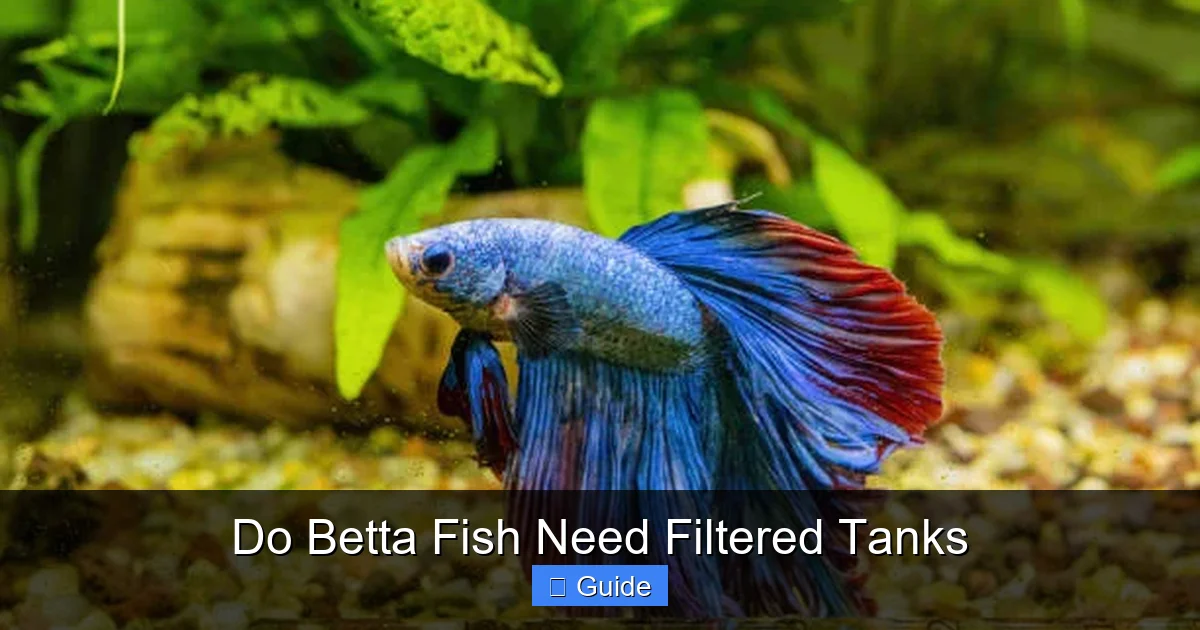
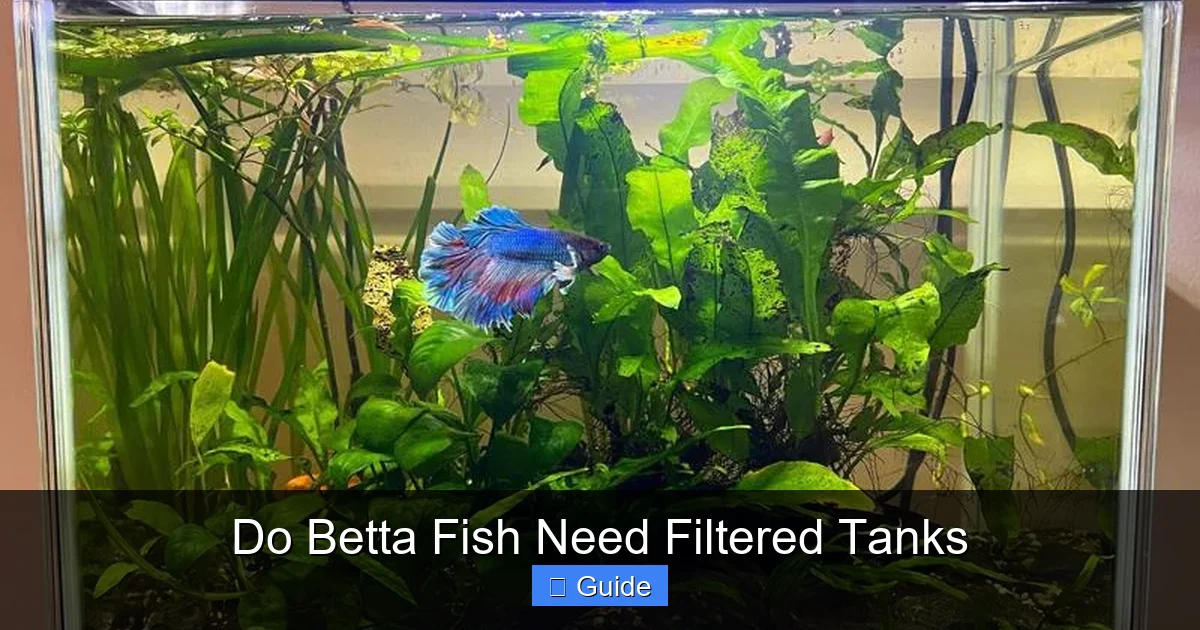
Here is the most crucial practical consideration: betta fish hate strong currents. Their long, flowing fins are like dragging a silk scarf through a river. A powerful filter will exhaust your betta, stress it, and can even cause physical damage as the fins are battered against the intake or output. The perfect betta filter is one that provides excellent biological and mechanical filtration with a flow so gentle you barely see a ripple.
Visual guide about Do Betta Fish Need Filtered Tanks
Image source: acaquarium.com
Top Filter Types for Bettas
- Sponge Filters: The gold standard for bettas, especially in smaller tanks (2.5-10 gallons). Air-driven, they create a gentle, bubbling flow and provide immense surface area for beneficial bacteria. They are cheap, quiet, and impossible to “over-power.” The sponge also acts as a pre-filter, protecting fins from being sucked in. Tip: Use an air stone inside the sponge for even gentler, more diffused bubbles.
- Adjustable Hang-On-Back (HOB) Filters: A great choice for tanks 5 gallons and up. Look for models with a fully adjustable flow rate (like the AquaClear or Tetra Whisper series). You can often further diffuse the flow by adding a pre-filter sponge over the intake tube and directing the outflow toward the tank wall or using a spray bar. Ensure the water level is high enough so the filter doesn’t create a loud, splashing waterfall.
- Internal Power Filters (IPFs): These can work if they are specifically designed for low flow or have an adjustable setting. They are fully submersible. The same rules apply: check for adjustability, use a pre-filter sponge, and point the output toward a plant or wall to break up the current.
- Canister Filters: The powerhouse option for large, heavily planted betta tanks (20+ gallons). They offer superb filtration and can be customized with spray bars for a very gentle, wide-flow output. They are more expensive and require more maintenance but are excellent for creating crystal-clear, stable water in larger setups.
Filters to AVOID for Bettas
Standard, non-adjustable power filters (like many small, cheap internal filters) often create a current too strong for a betta. Undergravel filters can be problematic as they create strong suction at the gravel surface and are difficult to clean properly. The mantra is: when in doubt, choose a sponge filter or an HOB with a dial you can turn down to nearly zero.
Setting Up and Cycling a Filter for Your Betta
Simply hanging a filter on the tank is not enough. It must be properly cycled before your betta ever sees the water. A “cycled” tank means the beneficial bacteria population is established and large enough to handle the ammonia produced by your fish.
Visual guide about Do Betta Fish Need Filtered Tanks
Image source: ouraquariumlife.com
The Nitrogen Cycle: A Step-by-Step Process
1. Setup: Fill your clean tank with dechlorinated water, add substrate, plants, and your chosen filter. Add a water conditioner to remove chlorine/chloramines. Do not add your betta yet.
2. Ammonia Source: You need to feed the bacteria. Add a few drops of pure ammonia (no surfactants) or a piece of shrimp/food and let it decay. Alternatively, you can “fishless cycle” by adding a small amount of fish food daily.
3. Testing: Use a liquid water test kit (API Freshwater Master Test Kit is the industry standard). Test daily. You will first see ammonia spike (0-5+ ppm).
4. Nitrite: After 5-10 days, ammonia will drop as bacteria consume it, and nitrite will spike. Nitrite is also toxic. This is the trickiest stage.
5. Nitrate: After another 5-10 days, nitrite will drop to zero, and nitrate will appear. Once you can add ammonia and see it convert to nitrite and then to nitrate within 24 hours, your tank is cycled.
6. Water Change: Do a large water change (75-100%) to lower nitrate before adding your betta.
Important: Filter Maintenance Without Killing Your Cycle
Never, under any circumstances, rinse your filter media in tap water. Chlorine will instantly kill the beneficial bacteria. During your monthly maintenance, rinse the mechanical media (sponges, floss) in a bucket of old tank water (the water you just took out during a water change). This removes debris while preserving the bacterial colony. Replace only 25-50% of the biological media (ceramic rings, bio-balls) per year, and never all at once. The golden rule: if it’s brown and slimy, that’s your good bacteria—just gently wring it out in old tank water.
The “No-Filter” Scenario: Is It Ever Acceptable?
There is one, and only one, scenario where a betta might be kept without a traditional filter: a heavily planted, soil-substrate, “natural” or “Walstad” tank of 10+ gallons. In these setups, dense root-feeding plants (like Amazon swords, cryptocorynes) and fast-growing stem plants (like hornwort, anacharis) absorb ammonia and nitrates directly from the water and substrate as fertilizer. The soil provides a huge surface area for bacteria. The tank is essentially a self-sustaining micro-ecosystem.
However, this is not for beginners. It requires expert-level knowledge of plant selection, lighting, and soil chemistry. Even in these tanks, a small, gentle sponge filter is often added as a “safety net” to provide extra water movement and oxygenation. For 99% of keepers, especially those with a standard tank under 10 gallons, a filter is 100% required. Do not attempt a filter-less tank based on internet advice unless you are prepared for frequent, large water changes (daily 25-50%) and the high likelihood of eventual water quality issues.
Common Mistakes and Final Recommendations
Let’s address the final hurdles to getting your filtered betta tank right.
Mistake 1: “I Have a Filter, So I Don’t Need to Do Water Changes.”
False. A filter processes toxins but does not remove nitrate. Nitrate builds up over time and must be diluted with regular water changes (25-50% weekly for a 5-gallon tank). Water changes also replenish trace minerals and remove other dissolved organics. The filter and water changes work in tandem.
Mistake 2: Over-Cleaning the Filter
As mentioned, cleaning all your filter media in tap water monthly will crash your cycle, causing a deadly ammonia spike. Clean it minimally and in old tank water.
Mistake 3: Using the Wrong Filter Media
Don’t just use the flimsy cartridge that comes with some HOB filters. Upgrade to a combination: a pre-filter sponge on the intake, a layer of fine floss for mechanical, and porous ceramic rings or porous plastic bio-media for biological filtration. This maximizes efficiency.
Final Recommendation: The Ideal Setup
For a beginner, the perfect betta home is a 5-gallon (or larger) glass aquarium with a gentle sponge filter or an adjustable HOB filter set to low. Include a secure lid (bettas are jumpers!), a heater to maintain 78-80°F (25.5-26.5°C), a thermometer, live or silk plants for hiding, and a smooth substrate. Cycle this tank fully for 4-6 weeks before introducing your betta. Perform weekly 25-50% water changes with dechlorinated water, and clean your filter media in old tank water once a month.
The question “Do betta fish need filtered tanks?” is not one of opinion, but of biology. The filter is the heart of a stable aquatic ecosystem. Providing your betta with a cycled, filtered environment is the most profound act of care you can perform. It moves you from being a spectator in a slow-motion tragedy (the bowl) to being a guardian of a vibrant, thriving life. Your betta will reward you with years of mesmerizing beauty and personality, a direct result of the clean, stable water that a proper filter provides.
Frequently Asked Questions
Can a betta fish live in a bowl without a filter?
While a betta might survive for a short time in an unfiltered bowl, it will suffer from poor water quality, toxic ammonia buildup, and constant stress, leading to a significantly shortened lifespan and increased susceptibility to disease. A bowl is not a suitable long-term home.
What is the best type of filter for a betta fish?
The best filters for bettas are those with a very gentle, adjustable flow. Sponge filters are the top recommendation for most tanks, especially under 10 gallons, as they provide excellent biological filtration with no risk of fin damage. Adjustable hang-on-back (HOB) filters are also excellent for larger setups when set to their lowest setting and with a pre-filter sponge.
How do I make a filter safe for my betta’s long fins?
Always use a pre-filter sponge or mesh over the filter intake to prevent fins from being sucked in. Diffuse the outflow by pointing it at the tank wall, using a spray bar, or adding a decorative item like a sponge or moss ball to break up the current. The water surface should have only a slight ripple, not waves.
Do I still need to do water changes if I have a filter?
Yes, absolutely. Filters process toxins like ammonia but do not remove nitrate, which accumulates over time. Weekly water changes (25-50% depending on tank size) are essential to dilute nitrate, remove other dissolved wastes, and maintain a healthy environment.
Can I put my betta in the tank immediately after setting up the filter?
No. The filter must first be “cycled,” meaning a colony of beneficial bacteria must establish on the filter media to process fish waste. This takes 4-6 weeks. Adding a betta to an uncycled tank will cause “new tank syndrome,” where ammonia and nitrite spike to lethal levels. You must cycle the tank fully before introducing any fish.
My filter current seems too strong even on the lowest setting. What can I do?
First, add a pre-filter sponge to the intake. Second, baffle the output: attach a spray bar, point the outflow directly at a solid wall or a large plant, or create a DIY baffle with a piece of sponge or filter floss secured over the output. You can also lower the water level slightly so the filter’s outflow dumps into the water rather than creating a waterfall effect.