Do Betta Fish Need a Light at Night

Betta fish don’t require a bright nightlight, but a gentle dim glow can help mimic natural conditions and reduce stress. Understanding their sleep patterns, tank setup, and lighting needs ensures a thriving, vibrant betta both day and night.
Key Takeaways
- Natural darkness is best: Betta fish thrive in a regular light‑dark cycle that mirrors their native habitats.
- Dim nightlights are optional: A low‑intensity, amber‑hued light can be used without harming the fish.
- Consistent schedule matters: Keep on/off times steady to support the betta’s circadian rhythm.
- Tank mates and décor influence lighting: Live plants and hiding spots reduce the need for artificial night lighting.
- Temperature and filtration are more critical: Proper heat and water quality outweigh the benefits of a nightlight.
- Monitor behavior: Changes in swimming, color, or breathing can signal that the lighting setup is wrong.
- Use internal links for deeper care info: Read about tank size, heaters, and filters to round out your betta’s environment.
📑 Table of Contents
Introduction: Why the Question Matters
If you’ve ever set up a betta tank, you’ve probably stared at the ceiling lamp and wondered, do betta fish need a light at night? The answer isn’t a simple yes or no. It depends on the fish’s natural instincts, the environment you create, and the equipment you already have.
Betta fish (Betta splendens) come from shallow, slow‑moving waters in Thailand where sunlight filters through dense vegetation. At night, the water becomes dim, and the fish rest near the surface or among plants. Replicating that rhythm in a home aquarium helps your betta stay vibrant, eat well, and show off its brilliant colors.
How Betta Fish Perceive Light
Vision in a Dim World
Betta fish have well‑developed eyes that can detect movement even in low light. Their cones are tuned for bright, colorful surroundings, while rods help them navigate darkness. In the wild, they experience a gradual fade to dusk, not an abrupt switch‑off.
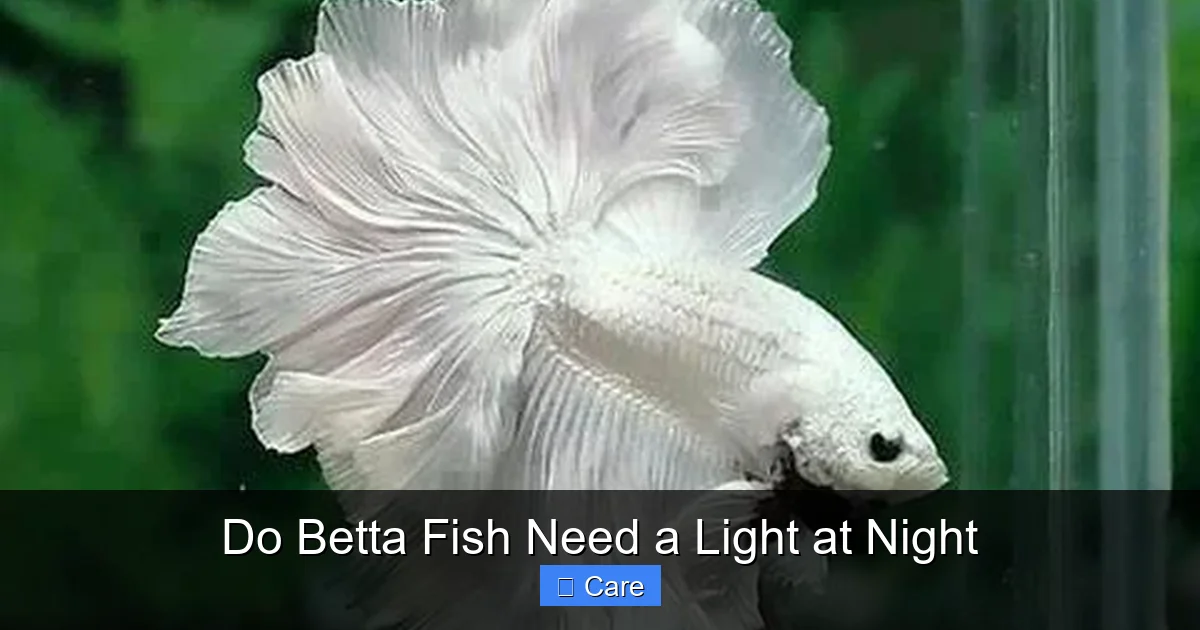
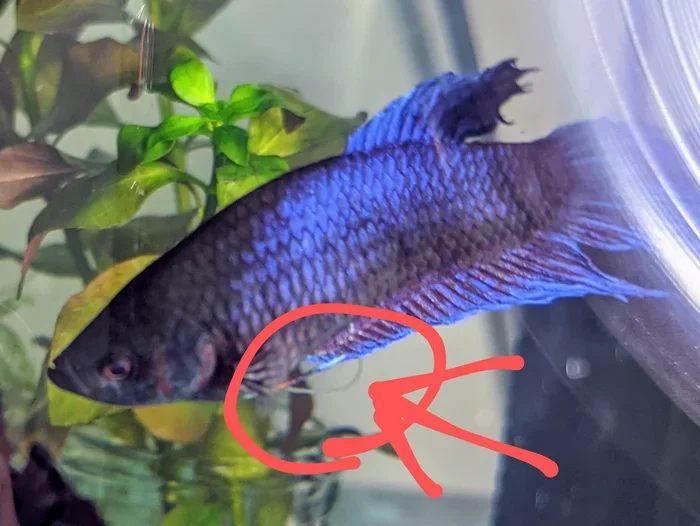
Visual guide about Do Betta Fish Need a Light at Night
Image source: bettalove.com
Natural Day‑Night Cycle
In nature, bettas receive about 12‑14 hours of sunlight, followed by a gentle twilight and then darkness. This cycle regulates hormones that control growth, coloration, and breeding behavior. Disrupting it can lead to stress, faded fins, and a weakened immune system.
Do Betta Fish Need a Light at Night?
The Short Answer
Strictly speaking, do betta fish need a light at night? No, they do not require illumination to survive. A completely dark tank is perfectly safe, provided the water temperature remains stable and the fish has places to hide.
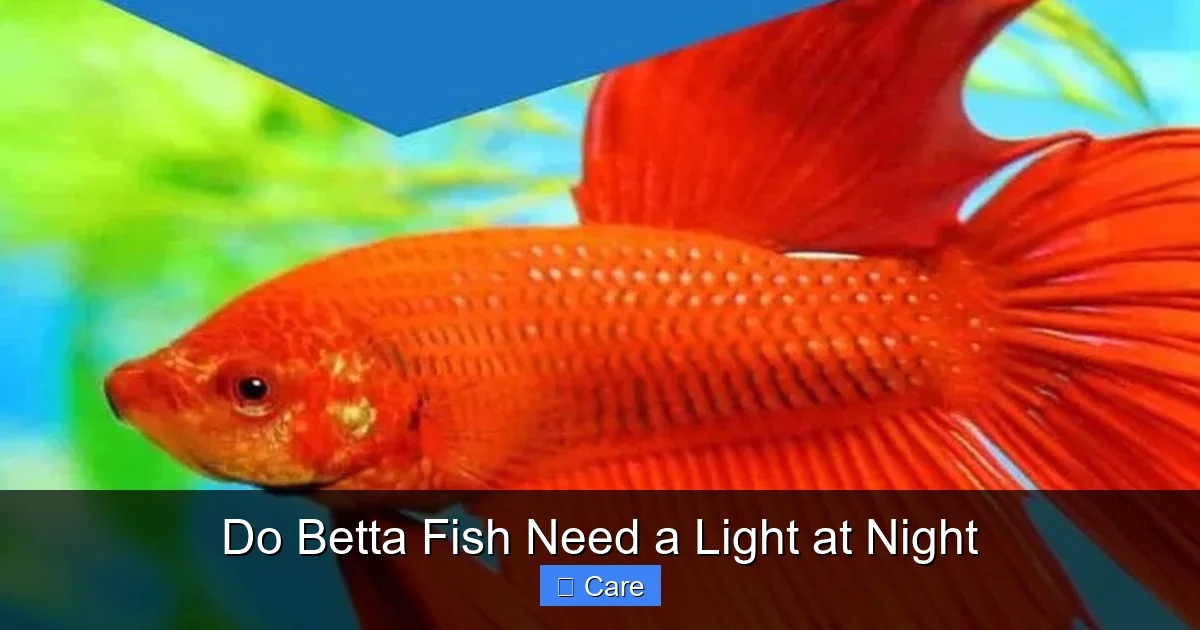
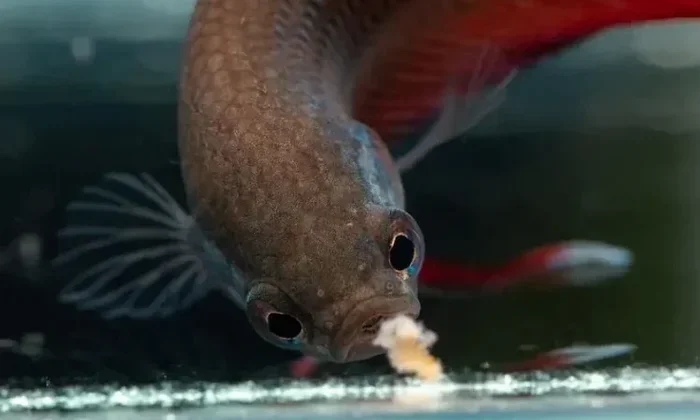
Visual guide about Do Betta Fish Need a Light at Night
Image source: i.pinimg.com
When a Night Light Can Help
There are a few scenarios where a low‑intensity night light is beneficial:
- Viewing the fish: A dim, amber LED lets you admire your betta without waking it.
- Live plants: Some plants need a minimal light period to continue photosynthesizing.
- New tanks: A gentle glow can reduce the shock of sudden darkness for fish that have been on strong lighting all day.
In all cases, the light should be no brighter than 0.5–1 lux and on a timer to ensure a consistent schedule.
Choosing the Right Night Light
Color Temperature
Warm, amber‑tinted LEDs (around 2,700–3,000 K) are ideal. They mimic the natural sunset glow and are less likely to interfere with melatonin production.

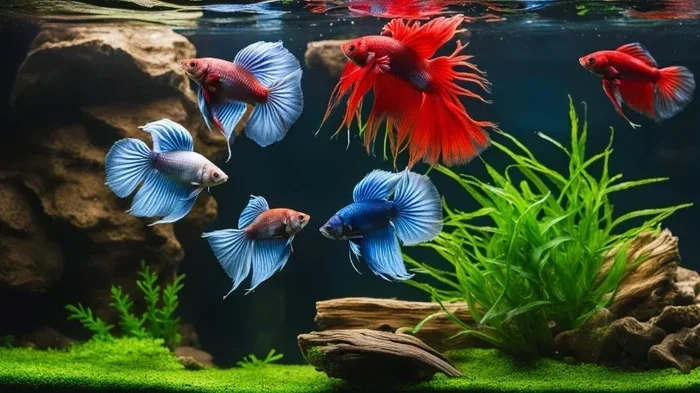
Visual guide about Do Betta Fish Need a Light at Night
Image source: thegoldfishtank.com
Brightness Levels
Look for lights labeled “night mode” or “moonlight.” These usually emit 0.5–1 lux—just enough to see the tank’s interior without startling the fish.
Placement and Safety
Mount the light on the tank’s lid or on a nearby stand. Avoid submersible lights that could leak or create heat spots. Ensure any cords are out of reach of curious paws.
Setting Up a Healthy Light Schedule
Consistent On/Off Times
Use a programmable timer to keep the day light on for 10–12 hours and the night light (or darkness) for the remaining 12–14 hours. Consistency trains the betta’s internal clock.
Gradual Dimming
If you’re transitioning from bright to dark, consider a “sunset” mode that slowly reduces intensity over 30 minutes. This mimics the natural fade‑out and eases the fish into rest.
Seasonal Adjustments
In winter, many owners shorten daylight hours. It’s okay to adjust the timer to 9‑10 hours of bright light, but keep the dark period long enough for proper rest.
Other Factors That Matter More Than Night Light
Temperature Control
Betta fish are tropical and need a stable temperature of 76‑82 °F (24‑28 °C). A heater with a reliable thermostat is essential. If you’re curious about heating, see our guide on Do Betta Fish Need A Heater.
Water Quality and Filtration
Clean, well‑filtered water prevents disease. While bettas can live in low‑flow setups, a gentle sponge filter helps maintain nitrate levels. Learn more in Do Betta Fish Need A Filter.
Tank Size and Decoration
A minimum of 5 gallons gives your betta room to explore and reduces stress. Add live plants or silk hides so the fish can retreat when the lights go out. For sizing tips, read How Big Of A Tank Do Betta Fish Need.
Practical Tips for Nighttime Care
Monitor Behavior
During the dark period, watch for signs of stress when you briefly turn the lights on: frantic swimming, clamped fins, or excessive hiding may indicate the night light is too bright.
Use a Timer
Set both the main aquarium light and any night light on the same timer. This removes guesswork and ensures the fish never experiences an unexpected change.
Keep the Tank Covered
A tight‑fitting lid prevents sudden light leaks from room lamps and helps maintain temperature stability.
Adjust Feeding Times
Feed your betta during the daylight period, preferably 1–2 hours before the lights go off. This gives the fish time to digest before rest.
Conclusion: Light Up the Right Way
So, do betta fish need a light at night? The short answer is no, but a soft, amber night light can be a helpful tool for viewing, plant health, and easing transitions. The most important factors for a happy betta remain a stable temperature, clean water, adequate space, and a consistent day‑night rhythm.
By following the guidelines above, you’ll create an environment that feels natural to your betta, promotes vibrant colors, and keeps stress at bay. Remember, the goal isn’t to flood the tank with illumination after dark, but to respect the gentle darkness that bettas love.
Frequently Asked Questions
Do betta fish need any light at all?
Yes. Betta fish need a regular light cycle during the day to stimulate natural behavior and color expression. A 10‑12 hour period of moderate light is ideal.
Can a night light cause stress for bettas?
If the night light is too bright or the wrong color (e.g., blue or white), it can disrupt the fish’s sleep and cause stress. Use a dim, amber light instead.
How long should the night period be for a betta?
Betta fish should have at least 10‑12 hours of darkness each day. This mimics their natural environment and supports healthy hormone cycles.
Will a night light affect plant growth?
Yes, low‑intensity amber lights can support slow‑growing live plants without encouraging algae. For heavy‑leafed plants, a longer light period may be needed.
Is it safe to leave a night light on 24/7?
Leaving a night light on constantly can reduce the quality of rest for your betta. Use a timer to ensure a true dark period each night.
What should I do if my betta stops swimming at night?
Betta fish often rest near the surface or hide among plants during darkness. If the fish appears lethargic during the day, check water parameters and temperature first.