How to Take Care a Betta Fish for a Happy Healthy Life
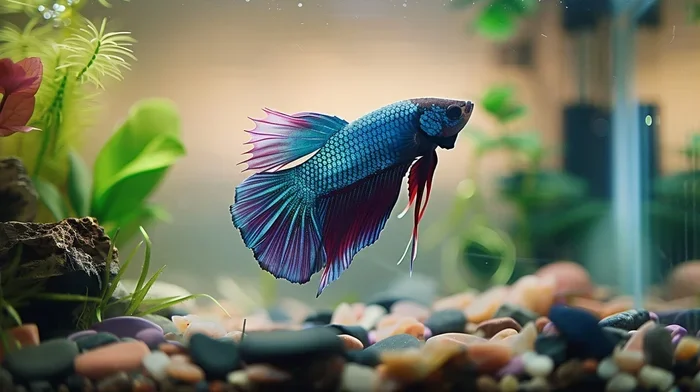
Taking proper care of your betta fish starts with a clean, warm tank and the right food. You must maintain stable water conditions and avoid common mistakes that cause stress. When you follow basic care rules, your betta will show vibrant colors and active behavior every day.
How to take care a betta fish is one of the most common questions new owners ask. These beautiful fish look stunning in small cups at the store, but they need much more than a tiny bowl to truly thrive. Many people think bettas survive in any small container because they breathe air from the surface. That idea is only partly true. They can survive for a short time in poor conditions, but they will not live a full, healthy life without proper care.
Your betta deserves a setup that matches its natural habits. In the wild, these fish live in slow-moving streams, rice paddies, and shallow ponds with plenty of plants. They need warm water, clean space, and a steady routine. When you give them the right environment, they show off their bright colors, explore their tank, and even recognize you over time. This guide will walk you through every step you need to follow.
You will learn how to pick the right tank, set up the water, choose safe food, and spot health problems early. We will also cover common mistakes that new owners make and simple tricks to keep your fish active. By the end, you will feel confident about betta fish care and ready to build a happy home for your new pet.
Key Takeaways
- Tank size matters: A minimum 5-gallon tank gives your betta enough room to swim and reduces water quality issues.
- Stable temperature is critical: Keep water between 78-80 degrees Fahrenheit using a reliable heater.
- Water quality saves lives: Perform weekly water changes and use a gentle filter to remove toxins.
- Feed a balanced diet: Offer high-quality pellets plus occasional treats like frozen bloodworms.
- Reduce stress factors: Add hiding spots, avoid bright lights, and keep tank mates compatible.
- Monitor health daily: Watch for faded colors, lethargy, or clamped fins as early warning signs.
- Avoid quick fixes: Never use soap or tap water without treatment, as these can harm your fish.
📑 Table of Contents
Setting Up the Right Tank for Your Betta
The first step in how to take care a betta fish is choosing a tank that fits its needs. Many beginners start with a tiny bowl because it looks cute and takes up little space. Unfortunately, small bowls cause rapid temperature swings and poor water quality. Your betta will feel stressed and sick in a cramped space. A larger tank gives you more stable water and room for plants and decorations.
A 5-gallon tank is the best starting point for most bettas. This size holds enough water to buffer temperature changes and dilute waste. You can also add a gentle filter without creating strong currents that tire your fish out. If you want to know whether your betta needs a filter, you can read more about filtered tank requirements to understand why filtration helps maintain clean water.
Choosing Safe Decorations and Substrate
Your tank setup should include smooth decorations and soft substrate. Rough plastic plants can tear delicate fins, so look for silk plants or live aquarium plants instead. Live plants like java fern, anubias, and moss balls are excellent choices because they help absorb waste and give your betta places to hide. Smooth gravel or sand works well as a bottom layer. Avoid sharp rocks or broken ceramic pieces that could injure your fish.
You should also leave open swimming space in the center of the tank. Bettas enjoy exploring, but they need clear paths to move around. Too many decorations can make the tank feel crowded and limit movement. A balanced layout keeps your fish active and comfortable.
Maintaining Water Quality and Temperature
Clean water is the foundation of betta fish care. Poor water quality causes stress, weakens the immune system, and leads to common diseases. You need to monitor temperature, pH, and toxin levels regularly. A simple test kit will help you check ammonia, nitrite, and nitrate levels. These three waste products build up quickly and can harm your fish if left unchecked.
Temperature control is just as important as water cleanliness. Bettas come from warm tropical environments, so they need stable heat. The ideal range sits between 78 and 80 degrees Fahrenheit. A small aquarium heater with a thermostat works best for this job. You should also avoid sudden temperature drops, which can shock your fish and cause illness.
Weekly Water Changes and Filtration
Regular water changes keep your tank healthy without stripping away beneficial bacteria. Aim to replace about 25 to 30 percent of the water each week. Use a gravel vacuum to remove waste from the bottom, and always treat new water with a dechlorinator before adding it to the tank. Tap water contains chlorine and chloramines that can burn your fish gills.
A gentle filter supports your cleaning routine by circulating water and trapping debris. Make sure the flow is not too strong, since bettas prefer calm water. If you are unsure about filter needs, you can check out filtered tank guidance to learn how filtration fits into daily care. Proper filtration reduces the workload of water changes and keeps the environment stable.
You should also test your water before adding your betta to a new tank. Cycling the tank first allows helpful bacteria to grow and break down waste. This process takes a few weeks, but it prevents dangerous ammonia spikes. A cycled tank is one of the safest homes for your fish.
Feeding Your Betta the Right Diet
Feeding is another major part of how to take care a betta fish. These fish are carnivorous by nature, so they need protein-rich food. High-quality betta pellets should form the base of their diet. Look for pellets with whole fish or fish meal as the first ingredient. Avoid fillers like wheat or corn that offer little nutrition.
You should feed small portions once or twice a day. A good rule is to offer only what your fish can eat in two minutes. Overfeeding causes leftover food to sink and decay, which pollutes the water. It also leads to obesity and digestive problems in bettas. If you notice cloudy water or uneaten food, reduce the portion size.
Safe Treats and Foods to Avoid
Occasional treats add variety and keep your betta interested in mealtime. Frozen bloodworms, brine shrimp, and daphnia are excellent choices. You can also offer a small piece of cooked, shelled pea if your fish seems constipated. Some owners wonder about human foods, but you should never feed peanut butter or bread to your betta. These foods lack proper nutrients and can cloud the water. If you want to learn more about unsafe snacks, read why peanut butter is unsafe and avoid similar mistakes.
Treats should stay occasional, not a daily habit. Too many treats can upset the balance of your betta diet and cause bloating. Stick to a consistent feeding schedule and watch how your fish responds. A healthy betta will show a rounded belly after eating, not a swollen or distended one.
Creating a Stress-Free Environment
Stress is a silent problem that affects betta fish health in many ways. A stressed fish may hide, lose color, or stop eating. You can prevent stress by giving your betta a calm, predictable routine. Keep the tank in a quiet area away from loud music, constant foot traffic, or direct sunlight. Too much noise and movement can make your fish feel unsafe.
Lighting also plays a big role in comfort. Bettas need a day and night cycle, so use a timer if possible. Provide about 8 to 10 hours of light each day, then let the tank rest in darkness. Bright lights that stay on too long can cause agitation and disturb sleep. If you notice your fish darting around or hiding more than usual, check your light setup. You can learn more about lighting concerns in bright light effects to keep your tank balanced.
Hiding Spots and Tank Mates
Hiding places give your betta a sense of security. Plants, caves, and smooth tunnels let your fish retreat when it wants privacy. This is especially helpful during water changes or when the tank is nearby noisy areas. A secure fish will still come out to explore, but it will feel safer knowing it has a quiet corner.
Many people ask whether bettas must live alone. In most cases, yes, because males fight with other males and may stress out certain tank mates. If you want to understand social needs, you can read keeping bettas alone for more details. Some peaceful species can coexist in larger tanks, but you should always monitor behavior closely. A stressed betta will show clamped fins, faded color, or reduced appetite.
Recognizing Health Issues Early
Healthy bettas are active, curious, and eager to eat. They swim with purpose and flare their gills when they see movement near the tank. When something changes, you should pay attention right away. Early detection makes treatment much easier and gives your fish a better chance of recovery. Look for signs like lethargy, white spots, torn fins, or rapid breathing.
Fin rot is one of the most common problems in poor water conditions. It starts at the edges of the fins and can spread if left untreated. Dropsy is another serious issue that causes a swollen belly and raised scales. Both conditions often connect to dirty water, temperature swings, or overfeeding. If you notice these symptoms, test your water immediately and improve your maintenance routine.
When to Seek Professional Help
Sometimes home care is not enough, and you need expert advice. If your betta stops eating for several days, floats oddly, or shows severe wounds, you should consider professional support. Many people wonder whether they can take their fish to a vet. You can explore vet options for bettas to understand when medical help makes sense. A knowledgeable specialist can recommend medication or treatment steps that fit your fish condition.
You should also keep a simple care log. Write down feeding times, water changes, and any unusual behavior. This record helps you spot patterns and explain problems clearly if you need advice. A proactive approach is one of the best ways to protect betta lifespan and keep your fish comfortable.
Building a Consistent Care Routine
Good betta fish care comes down to consistency. A routine helps you stay organized and prevents small problems from becoming big ones. Set reminders for water changes, filter checks, and feeding times. Keep your supplies nearby so you can clean the tank without rushing. The more regular your care becomes, the easier it is to maintain a healthy environment.
You should also observe your betta every day. Watch how it swims, eats, and reacts to you. These daily checks help you notice subtle changes before they turn serious. A fish that suddenly hides more, loses interest in food, or breathes heavily needs attention. Quick action often prevents larger health issues later.
Common Mistakes to Avoid
New owners sometimes make avoidable errors that harm their fish. One common mistake is using soap or harsh chemicals to clean the tank. These products leave residues that can poison your betta. If you want to know why this is dangerous, review soap cleaning risks before washing any tank items. Always rinse equipment with warm water only.
Another mistake is ignoring water temperature or skipping dechlorination. Cold water slows your betta metabolism and weakens its immune system. Untreated tap water damages gills and causes irritation. You should also avoid moving your fish between tanks too often, since sudden changes create stress. A stable routine gives your betta the best chance to live a long, vibrant life.
Conclusion
Learning how to take care a betta fish is simpler than many people expect, but it does require attention and consistency. A proper tank, clean water, warm temperature, and balanced food form the core of good care. When you add hiding spots, gentle lighting, and regular observation, your betta will feel secure and active. These small habits make a huge difference over time.
Remember that your betta is not a decoration. It is a living animal that depends on you for a safe home. Avoid quick fixes, skip harmful products, and stick to a steady routine. If you stay patient and watch your fish closely, you will enjoy a beautiful, healthy companion for years. With the right care, your betta can show off its full color, personality, and energy every day.
Frequently Asked Questions
How often should I change the water in a betta tank?
You should change about 25 to 30 percent of the water once a week. Regular partial changes keep toxins low and maintain stable conditions for your fish.
What temperature is best for a betta fish?
The ideal temperature range is 78 to 80 degrees Fahrenheit. A reliable heater helps keep the water warm and prevents stressful temperature swings.
Can I keep two betta fish together in one tank?
Male bettas should not share a tank because they often fight. Females may sometimes live in carefully managed groups, but close monitoring is still required.
What should I feed my betta fish each day?
Feed high-quality betta pellets once or twice daily in small portions. You can offer frozen treats like bloodworms occasionally, but avoid overfeeding.
How do I know if my betta fish is stressed?
Stress signs include hiding, faded color, clamped fins, and loss of appetite. Poor water quality, bright lights, and loud noise often cause stress.
Do betta fish need a filter in their tank?
Yes, a gentle filter helps keep water clean and reduces waste buildup. Just make sure the current is not too strong for your betta to swim comfortably.