Do Betta Fish Jump
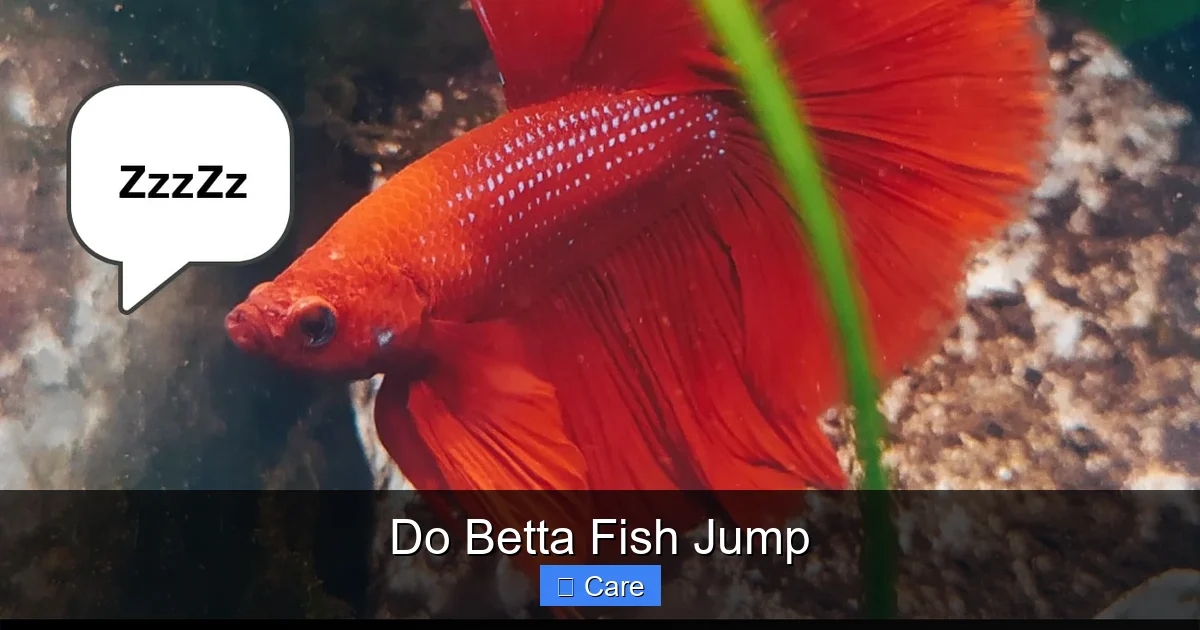
Betta fish can jump, especially when stressed or curious, and a simple tank setup can stop unwanted escapes. Understanding the reasons behind jumping helps you create a safer home for your vibrant companion.
Key Takeaways
- Jumping is natural: Betta fish may leap to explore or escape perceived threats.
- Stress triggers jumps: Poor water quality, temperature swings, or aggressive tank mates increase jumping.
- Cover your tank: A lid or mesh prevents escapes and protects the fish.
- Water parameters matter: Stable temperature and clean water reduce anxiety.
- Enrichment reduces boredom: Plants, caves, and toys give bettas places to hide and explore.
- Watch for health signs: Frequent jumps can indicate illness; check for disease.
- Quick fixes: Adjust lighting, add a floating cover, and perform regular water changes.
📑 Table of Contents
- Introduction: Why the Question “Do Betta Fish Jump?” Pops Up
- 1. The Biology Behind Betta Jumping
- 2. Common Triggers That Make Betta Fish Jump
- 3. How to Prevent Your Betta from Jumping
- 4. What to Do If Your Betta Has Already Jumped
- 5. Frequently Asked Questions About Betta Jumping
- Conclusion: Keep the Jump in the Water, Not the Room
Introduction: Why the Question “Do Betta Fish Jump?” Pops Up
If you’ve ever watched a bright‑red betta flick its fins and then suddenly disappear over the edge of the tank, you know the panic that follows. The question “do betta fish jump?” isn’t just a curiosity—it’s a real concern for anyone who wants a healthy, happy pet.
Betta fish (Betta splendens) are famous for their flamboyant colors and feisty personalities. Those same traits can lead them to test the limits of their environment. In this article we’ll explore the science behind jumping, the situations that make it more likely, and the practical steps you can take to keep your betta safely inside its home.
1. The Biology Behind Betta Jumping
1.1 Natural instincts
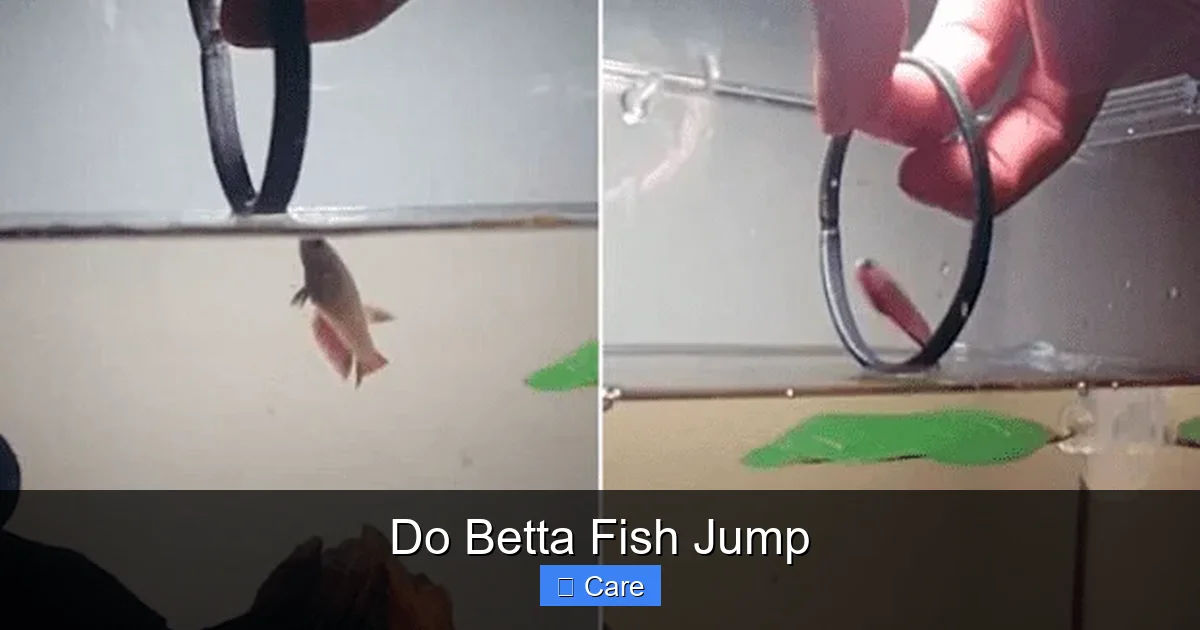
Betta fish originate from shallow, slow‑moving waters in Thailand and Cambodia. In the wild, they often encounter surface ripples, falling leaves, and small insects that land on the water. Their instinct to dart upward and seize food has evolved into a quick, powerful burst of movement—sometimes enough to clear the edge of a small aquarium.

Visual guide about Do Betta Fish Jump
Image source: aquariumnexus.com
1.2 Anatomy that helps them leap
Betta muscles are built for short, explosive bursts. The “gill‑cover” (operculum) can open wide, allowing them to gulp air from the surface. When they push off the bottom, the same muscular force propels them upward. This is why a betta can jump several inches—enough to clear a typical 5‑gallon tank rim.
1.3 Air‑breathing advantage
Unlike many tropical fish, bettas are “labyrinth” fish. They possess a special organ that lets them breathe atmospheric oxygen. This ability means they are comfortable near the surface and can even jump out to get a quick breath of air. Knowing this helps you understand why they sometimes “test” the water line.
2. Common Triggers That Make Betta Fish Jump
2.1 Stress from water conditions
Fluctuating temperature, high ammonia, or a dirty tank can cause a betta to become agitated. A sudden change of a few degrees can feel like a shock, prompting the fish to leap in search of better water. Maintaining stable parameters—see our guide on what temperatures do betta fish like—is essential.
Visual guide about Do Betta Fish Jump
Image source: memfish.net
2.2 Aggressive tank mates
Betas are territorial. If you keep them with fin‑nipping species or overly active fish, the betta may try to escape the perceived threat. Even a curious goldfish can cause a jump reaction.
2.3 Boredom and lack of enrichment
In a barren tank, a betta may “explore” by jumping. Adding live plants, caves, or floating logs gives them places to hide and reduces the urge to leap.
2.4 Light and sudden shadows
Bright, direct lighting or a sudden shadow passing over the tank can startle a betta. The instinctive response is to dart upward—sometimes out of the water.
2.5 Health issues
Parasites, gill disease, or internal infections can make a fish gasp for oxygen, leading to frantic jumps. If your betta jumps frequently, consult a vet or check our article on how do you know if your betta fish is dying.
3. How to Prevent Your Betta from Jumping
3.1 Secure the tank with a lid
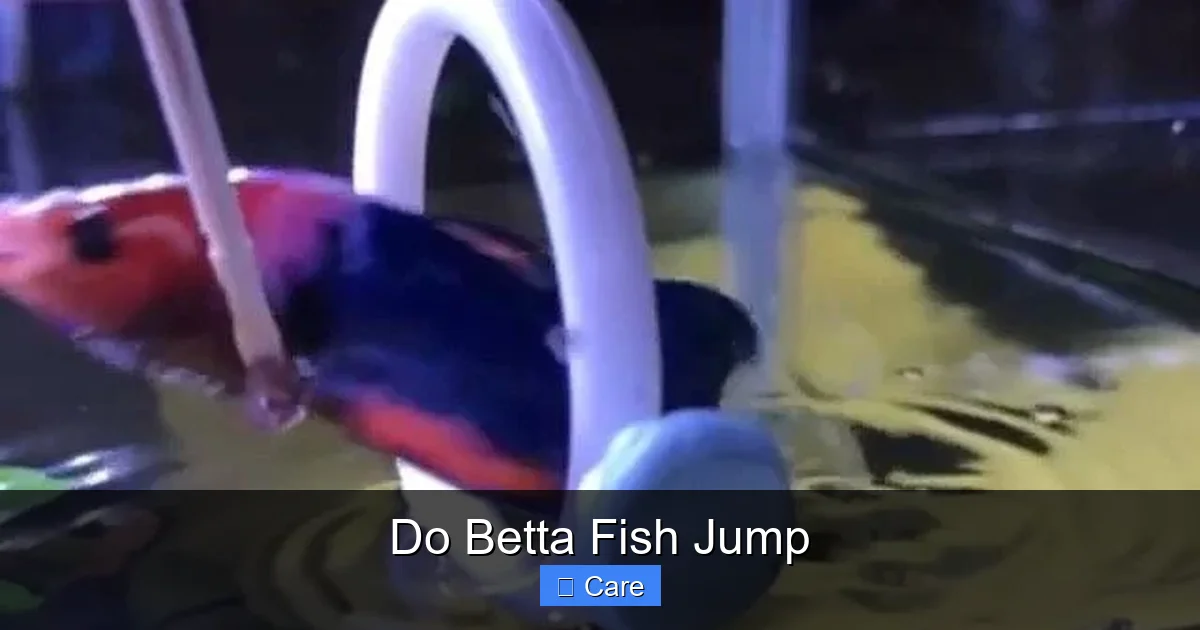
The simplest solution is a tight‑fitting lid or mesh cover. It blocks the escape route while still allowing airflow. If you use a glass aquarium, a piece of acrylic that fits snugly works well.
Visual guide about Do Betta Fish Jump
Image source: i.pinimg.com
3.2 Adjust water temperature
Betta fish thrive in water that stays between 76°F and 82°F (24‑28°C). A heater with an accurate thermostat prevents sudden drops that might trigger jumping. Learn more about temperature needs in our piece on what temperature do betta fish need.
3.3 Maintain water quality
- Test weekly for ammonia, nitrite, and nitrate.
- Perform 25‑30% water changes every 5‑7 days.
- Use a gentle filter that does not create strong currents.
Clean water keeps stress low and reduces the urge to jump.
3.4 Provide hiding spots
Live plants like Java moss, or artificial caves, give the betta a sense of security. When they feel safe, they are less likely to try a daring escape.
3.5 Control lighting
Use a dimmable LED that mimics natural sunrise and sunset. Avoid direct overhead lights that cast harsh shadows.
3.6 Monitor feeding and activity
Overfeeding can foul the water quickly, while underfeeding may cause the fish to search for food at the surface. Follow a feeding schedule—about 2‑3 small meals per day—and see our guide on how do you feed a betta fish for details.
4. What to Do If Your Betta Has Already Jumped
4.1 Quick rescue steps
- Turn off any lights to reduce stress.
- Gently scoop the fish with a soft net and place it back in the tank.
- Check the water temperature and quality immediately.
4.2 Assess for injury
Look for torn fins, ragged edges, or bruises. Minor injuries often heal on their own, but severe damage may need treatment with a betta‑safe antiseptic.
4.3 Re‑evaluate the tank setup
After a jump, it’s a good time to add a tighter lid, improve filtration, or rearrange décor to eliminate hiding spots that might encourage leaping.
5. Frequently Asked Questions About Betta Jumping
Why do betta fish sometimes jump out of the tank?
Jumping is usually a response to stress, curiosity, or the need for oxygen. Poor water conditions, sudden temperature changes, or aggressive tank mates are common triggers.
Can a betta survive outside water for a short time?
Betta fish can breathe air thanks to their labyrinth organ, so they can survive a brief period out of water. However, prolonged exposure dries their skin and can be fatal.
Is a lid necessary for a betta tank?
Yes. A secure lid prevents escape, reduces evaporation, and keeps dust out. It’s the single most effective measure to stop jumping.
Do bettas jump more when they are hungry?
Hunger can make a betta more active, but jumping is more closely linked to stress than to feeding. Still, feeding on a regular schedule helps keep them calm.
Can water temperature cause a betta to jump?
Sudden drops or spikes in temperature can shock a betta, prompting a jump. Keep the water within the 76‑82°F range for stability.
What should I do if my betta keeps jumping despite a lid?
Check for hidden gaps, ensure the lid fits tightly, and review water parameters. Persistent jumping may indicate illness—consult a vet.
Conclusion: Keep the Jump in the Water, Not the Room
Betta fish do jump, but with a few simple steps you can make that behavior a rare exception rather than a daily drama. Secure a lid, stabilize temperature, keep the water clean, and provide plenty of enrichment, and your betta will be more likely to stay where it belongs—gliding gracefully beneath the surface.
Remember, a happy betta is a healthy betta. By paying attention to the signs and maintaining a stress‑free environment, you’ll enjoy the vivid colors and lively personality of your fish without the heart‑stopping moments of a sudden leap.
Frequently Asked Questions
Why do betta fish sometimes jump out of the tank?
Jumping is usually a response to stress, curiosity, or the need for oxygen. Poor water conditions, sudden temperature changes, or aggressive tank mates are common triggers.
Can a betta survive outside water for a short time?
Betta fish can breathe air thanks to their labyrinth organ, so they can survive a brief period out of water. However, prolonged exposure dries their skin and can be fatal.
Is a lid necessary for a betta tank?
Yes. A secure lid prevents escape, reduces evaporation, and keeps dust out. It’s the single most effective measure to stop jumping.
Do bettas jump more when they are hungry?
Hunger can make a betta more active, but jumping is more closely linked to stress than to feeding. Still, feeding on a regular schedule helps keep them calm.
Can water temperature cause a betta to jump?
Sudden drops or spikes in temperature can shock a betta, prompting a jump. Keep the water within the 76‑82°F range for stability.
What should I do if my betta keeps jumping despite a lid?
Check for hidden gaps, ensure the lid fits tightly, and review water parameters. Persistent jumping may indicate illness—consult a vet.