Do Betta Fish Need a Filter
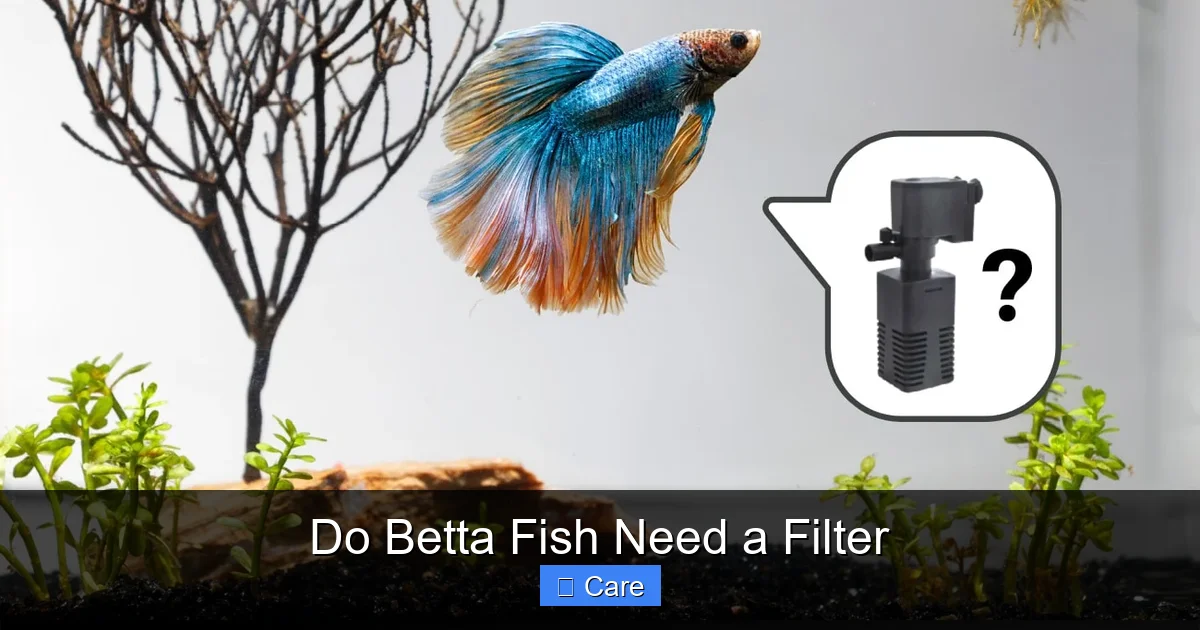
The definitive answer is yes, betta fish absolutely need a filter for long-term health and survival. While popular myth suggests they can live in unfiltered bowls due to their labyrinth organ, this ignores the critical need for stable water chemistry. A properly selected and maintained filter removes toxic waste, establishes beneficial bacteria, and creates a stable ecosystem. The key is choosing a gentle, adjustable filter that won’t damage their delicate fins, making it a non-negotiable component of responsible betta ownership.
Key Takeaways
- Betta fish need a filter for biological filtration, not just clarity. The primary job of a filter is to host beneficial bacteria that convert toxic ammonia and nitrite into less harmful nitrate, a process impossible without a filter media bed.
- The “labyrinth organ” myth is dangerous and misleading. While bettas can gulp air, this adaptation is for surviving in low-oxygen *wild* puddles, not for coping with the high ammonia levels produced in a closed, unfiltered aquarium.
- Filter flow must be gentle and adjustable. Bettas are weak swimmers with large, flowing fins. A filter with a strong current causes stress, exhaustion, and fin damage. Sponge filters or hang-on-back filters with flow diffusers are ideal.
- An unfiltered tank requires impossible maintenance. To match a filter’s waste processing in a small, unfiltered bowl, you would need to perform 50% water changes daily—a burden that leads to neglect and poor water quality.
- A filter is the foundation of the nitrogen cycle. Cycling a tank with a filter for 4-6 weeks before adding a betta establishes a safe biological balance, preventing “new tank syndrome” and sudden death.
- Filter media must be preserved and cleaned correctly. Never rinse filter media in tap water, as chlorine kills beneficial bacteria. Only gently rinse it in old tank water during monthly maintenance to preserve the bacterial colony.
- The smallest, most filtered tank is better than the largest bowl. A 5-gallon filtered and heated tank is the absolute minimum standard for a healthy betta, vastly superior to a 1-gallon unfiltered “bowl.”
[FEATURED_IMAGE_PLACEHOLDER]
📑 Table of Contents
- The Great Betta Debate: Unpacking a Persistent Myth
- Understanding Your Betta: Physiology and Natural Habitat
- The Critical Role of Water Quality: The Invisible Killer
- Debunking the “No Filter Needed” Myth: A Closer Look
- Choosing the Right Filter for Your Betta Fish
- Setting Up and Maintaining Your Betta’s Filter
- When a Filter Might Not Be Necessary (And the Serious Risks)
- The Verdict: A Resounding Yes, With Conditions
The Great Betta Debate: Unpacking a Persistent Myth
Walk into any pet store, and you’ll likely see them: small, ornate cups or bowls holding a single, brilliantly colored betta fish. The implication is clear—this fish is low-maintenance, a perfect “desk pet” that thrives in isolation. Central to this myth is the burning question: do betta fish need a filter? The casual answer, repeated for decades, is “no.” But as our understanding of aquatic animal welfare has evolved, so must our answer. The truth is far more nuanced and critically important for the health of your betta. A filter is not a optional luxury; it is a fundamental piece of life-support equipment for any properly kept betta fish. This article will dive deep into the science of water quality, the physiology of the betta, and the practical realities of aquarium husbandry to provide a definitive, evidence-based answer.
Where the Myth Comes From
The idea that bettas don’t need filters stems from two key observations about their wild counterparts. First, they are native to the shallow, warm, slow-moving rice paddies and stagnant ponds of Thailand. Second, they possess a specialized organ called a labyrinth organ, which allows them to breathe atmospheric air. The flawed logic then follows: “They live in puddles in the wild and can breathe air, so they must be fine in a small, unfiltered bowl.” This is a classic case of confusing survival with thriving. A wild betta’s puddle is part of a vast, complex ecosystem with plants, microorganisms, rainfall, and natural water turnover. Your glass bowl is a sealed, static, toxic soup waiting to happen.
Understanding Your Betta: Physiology and Natural Habitat
To understand why a filter is essential, we must first appreciate the biological needs of the betta splendens. This isn’t about anthropomorphizing our pets; it’s about respecting their biology.
Visual guide about Do Betta Fish Need a Filter
Image source: bettafishnest.com
The Labyrinth Organ: An Adaptation, Not a Superpower
The labyrinth organ is a folded piece of vascularized tissue located in a chamber above the gills. It allows bettas (and other anabantoids like gouramis) to take a gulp of air from the surface and absorb oxygen directly into their bloodstream. This is a brilliant evolutionary adaptation for surviving in warm, oxygen-poor water. However, it has a crucial limitation: it does nothing to remove the fish’s own waste products. A betta in a bowl is not suffocating from lack of oxygen (assuming the water is warm enough and the surface is accessible); it is being poisoned by its own excrement. The labyrinth organ is a backup system for oxygen intake, not a magic solution for water quality.
Wild vs. Captive Environments: A World of Difference
In the wild, a betta’s habitat is not a sterile, closed system. Decomposing plant matter, insect larvae, microorganisms, rain, and groundwater input all play a role in a complex nutrient cycle. Waste is diluted, processed, and removed by the environment. In your home aquarium, the fish, its food, and any decaying matter are the sole sources of pollution. There is no rain, no river, no vast volume of water to dilute toxins. The waste your betta produces—primarily ammonia—accumulates rapidly. In a 1-gallon bowl, a single betta’s daily waste can push ammonia to lethal levels in under a week. A filter is the mechanical engine that drives the natural processes needed to make this closed system safe.
The Critical Role of Water Quality: The Invisible Killer
This is the heart of the matter. “Water quality” is not a vague, aesthetic concern. It is a precise chemical balance that determines life or death. The primary pollutants in an aquarium are nitrogenous wastes: ammonia, nitrite, and nitrate.
Visual guide about Do Betta Fish Need a Filter
Image source: japanesefightingfish.org
The Nitrogen Cycle: Your Tank’s Life-Support System
The nitrogen cycle is the biological process that converts fish waste into less toxic substances. It is not optional. Here’s how it works:
- Ammonia (NH3/NH4+): Directly excreted by fish through their gills and via waste. It is extremely toxic, burning gills and skin even at low concentrations (0.25 ppm).
- Nitrite (NO2-): Produced by bacteria (Nitrosomonas) that consume ammonia. It is also highly toxic, causing “brown blood disease” by preventing oxygen transport in the blood.
- Nitrate (NO3-): Produced by a second set of bacteria (Nitrospira) that consume nitrite. It is far less toxic but must still be controlled through regular water changes (ideally kept below 20-40 ppm).
Where does this bacterial colony live? Almost entirely on the surface area of your filter media—the sponge, ceramic rings, or bio-balls inside your filter. A filter provides an enormous, oxygenated surface area for these essential bacteria to colonize. Without a filter media bed, you cannot establish a stable, long-term biological filter. You are left with only “instant” solutions like water changes and chemical media (e.g., zeolite), which are temporary, expensive, and do not address the root cause.
What Happens in an Unfiltered Tank?
In an unfiltered betta “bowl,” the cycle is broken. Ammonia spikes quickly, followed by nitrite. The betta’s gills are damaged, its immune system is suppressed, and it becomes susceptible to diseases like fin rot and dropsy. You might see it gasp at the surface (not for air, but because damaged gills can’t extract oxygen), clamp its fins, lose its vibrant color, and become lethargic. This is not a healthy fish; it is a slowly dying one. Proponents of unfiltered bowls often point to “frequent water changes” as the solution. To keep ammonia at zero in a 1-gallon unfiltered bowl, you would need to perform 50% water changes every single day. This is an unsustainable, stressful regimen for both fish and owner, and any lapse leads to a rapid toxic buildup.
Debunking the “No Filter Needed” Myth: A Closer Look
Let’s directly address the common arguments used to justify keeping bettas without filters.
Visual guide about Do Betta Fish Need a Filter
Image source: happypetpets.com
“But I’ve Seen Bettas Live for Years in Bowls!”
This is an anecdotal survivorship bias. A betta can survive in poor conditions for a surprising amount of time, much like a human can survive on a diet of junk food. Survival does not equal health. A betta living in chronic low-grade ammonia stress has a permanently compromised immune system, stunted growth, faded colors, and a shortened lifespan (often 1-2 years instead of 4-7). The goal is not to keep a fish alive; it is to provide an environment where it can thrive, displaying natural behaviors like building bubble nests, exploring, and flaring.
“The Flow Will Be Too Strong for Its Fins”
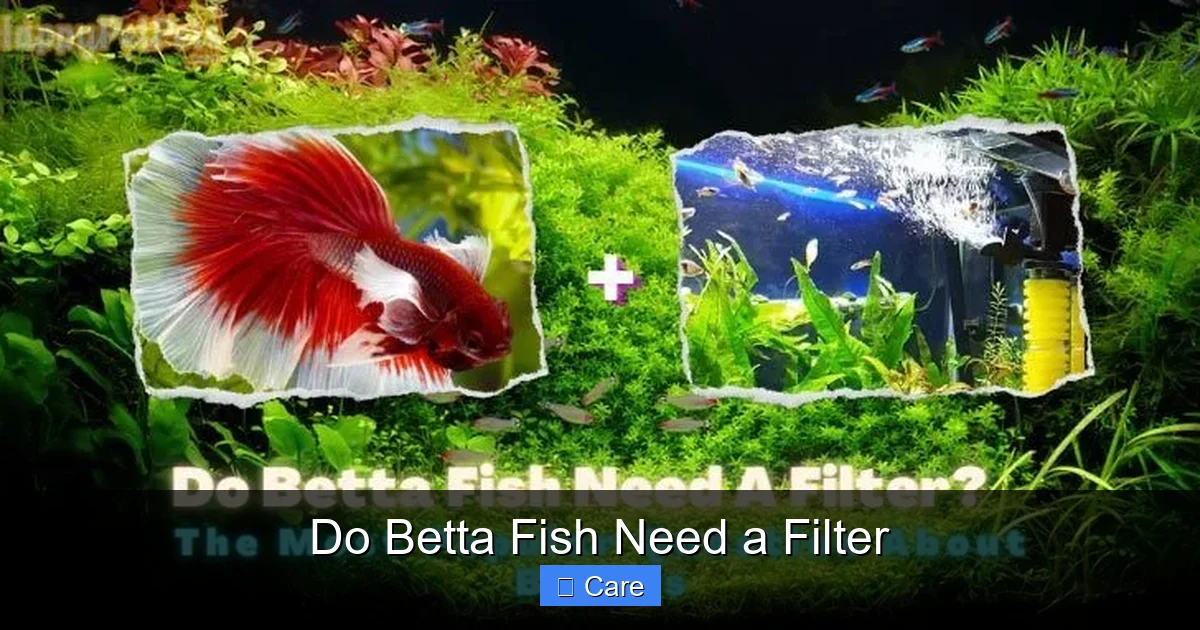
This is a valid concern, but it points to a solution, not an excuse to skip filtration. The answer is not “no filter,” but “the right filter.” Bettas are indeed weak swimmers with large, delicate fins. A strong current from a standard hang-on-back (HOB) filter will indeed cause stress and physical damage. However, this is easily mitigated. Sponge filters, powered by an air pump, provide excellent biological and mechanical filtration with a gentle, diffused flow that bettas often swim happily through. For HOB filters, you can use a spray bar to diffuse the output, add a pre-filter sponge over the intake, or simply baffle the outflow with a sponge or decorative object. Many modern filters also have adjustable flow settings. The solution is filter selection and modification, not filtration elimination.
“A Filter Will Suck the Betta’s Fins In”
This is a risk with poorly chosen or uncovered filter intakes. A betta’s long fins can indeed be drawn into a powerful intake slit. The fix is simple: always use a filter with a pre-filter sponge or a mesh intake cover. These cheap accessories protect fins while still allowing water flow for the filter media. This is a standard part of responsible betta tank setup.
Choosing the Right Filter for Your Betta Fish
Assuming you’re now convinced a filter is necessary, let’s talk specifics. Not all filters are created equal for the betta.
Filter Types Ranked for Betta Suitability
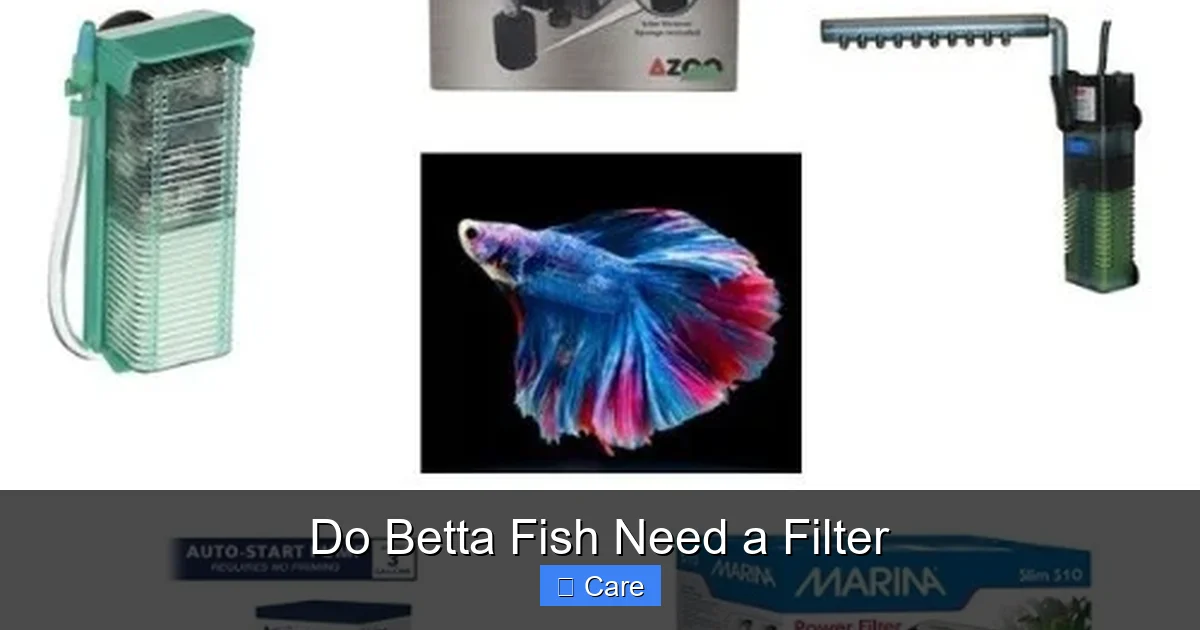
- Sponge Filter: The gold standard for bettas. It provides superb biological filtration, gentle flow, and creates surface agitation for gas exchange without a strong current. It’s also cheap, easy to clean, and provides a surface for the betta to rest on. Perfect for small tanks (2.5-10 gallons).
- Internal Power Filter (IPF) / Bubbler Filter: A good option for very small tanks (2.5-5 gallons). These are compact units that sit inside the tank. Look for models with adjustable output and a gentle, wide dispersion. They can sometimes create a more focused flow than a sponge.
- Hang-On-Back (HOB) Filter with Modification: Excellent for tanks 5 gallons and up, offering strong mechanical and biological capacity. Must be baffled. Use the filter’s own flow adjustment, add a pre-filter sponge on the intake, and definitely baffle the outflow with a sponge or by positioning decorations to break the current.
- Canister Filter: Overkill for a single betta but excellent for large, heavily planted community tanks. They offer immense filtration capacity and can be plumbed for a very gentle return flow using a spray bar. Not recommended for a standard betta-only tank due to cost and complexity.
- Undergravel Filter (UGF): Generally not recommended. The flow can create strong currents under the gravel, and they are difficult to clean properly, often becoming clogged and anaerobic.
Key Features to Look For
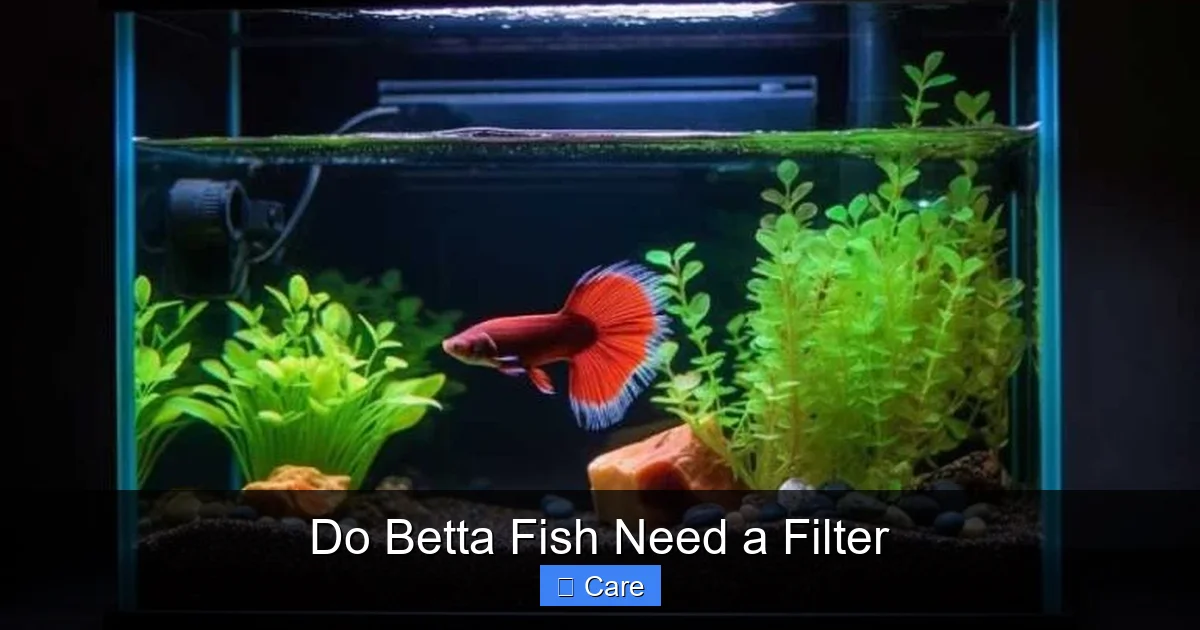
When shopping, prioritize: Adjustable Flow Rate (a must), Gentle Output Design (wide dispersion, spray bar compatibility), and Ample Space for Biological Media (ceramic rings, bio-balls). Avoid filters designed for high-flow, high-oxygen environments like African cichlid tanks. For a 5-gallon tank, a small sponge filter or a mini HOB filter (like the Fluval AquaClear 20) set to its lowest setting with a baffle is a perfect combination.
Setting Up and Maintaining Your Betta’s Filter
Installation is only step one. Proper ongoing maintenance is what makes a filter effective and safe.
The Nitrogen Cycle: You Must Cycle First
This is non-negotiable. You cannot add your betta to a tank with a brand-new filter. You must cycle the tank for 4-6 weeks before introducing the fish. This means setting up the tank with filter, heater, and decor, adding a source of ammonia (pure ammonia, fish food, or a bacteria starter), and testing the water daily. You will watch ammonia spike, then drop to zero as nitrite rises, then nitrite drops to zero as nitrate appears. Only when ammonia and nitrite are consistently at 0 ppm for a week is the tank safe for your betta. This establishes the bacterial colony on your filter media. Adding a betta to an uncycled tank is a guaranteed case of new tank syndrome, leading to rapid ammonia poisoning.
Adding the Betta and Initial Adjustments
Once cycled, acclimate your betta properly. Then, observe it closely with the filter on. Does it struggle against the current? Is it hiding? If so, you need to further reduce the flow. Add more baffling material, point the output toward a tank wall, or consider switching to a sponge filter. The betta should be able to swim effortlessly anywhere in the tank and rest on leaves or the tank bottom without being pushed around.
Filter Maintenance: The Don’ts
The biggest mistake is over-cleaning. Your filter media is a living bacterial city.
- NEVER rinse filter media under tap water. Chlorine and chloramine will sterilize it, crashing your cycle and causing ammonia to spike.
- NEVER change all your filter media at once. This removes the vast majority of your beneficial bacteria.
- NEVER use soap or detergents on any filter parts.
Filter Maintenance: The Do’s
Once a month (or when you notice reduced flow), perform partial maintenance:
- Unplug the filter. Take the media out and place it in a bucket with old tank water (the water you just changed).
- Gently swish and squeeze (for sponge media) the media in this old tank water to remove solid debris. You are rinsing, not sterilizing. The water will get dirty—that’s the gunk you’re removing.
- Reassemble the filter and restart it.
- Always use the old tank water from your water change for this process. It preserves the bacteria and conserves water.
Replace mechanical media (like filter floss) when it’s falling apart, but keep the biological media (ceramic rings, bio-sponge) until it physically deteriorates.
When a Filter Might Not Be Necessary (And the Serious Risks)
Is there any scenario where a betta could be kept without a filter? Technically, yes, but it is an advanced, high-maintenance, and risky practice that contradicts all modern best practices.
The “Planted Walstad Tank” Exception
In a heavily planted, soil-substrate “Walstad” tank, the plants themselves can consume ammonia and nitrates at a rate that matches a small betta’s output. This creates a balanced, filtered ecosystem. However, this requires: a deep, nutrient-rich substrate, a very high density of fast-growing stem plants (like hornwort, anacharis, water sprite), careful lighting, and no overfeeding. It is a delicate balance that can collapse easily. For a beginner, attempting this is a recipe for disaster. It also still requires frequent water changes to manage nitrates and replenish minerals.
The “Hospital Tank” or Temporary Quarantine
For a short-term (1-2 week) hospital tank for a sick betta, where you are performing 100% daily water changes with perfectly conditioned water, a filter might be omitted to prevent any water flow stress. But this is a temporary medical setup, not a permanent home.
Why These Exceptions Aren’t for the Average Owner
For 99% of betta keepers, especially beginners, these methods are impractical and dangerous. The daily commitment of massive water changes in an unfiltered tank is high, the risk of a cycle crash is immense, and the fish’s quality of life is severely diminished. The message is clear: if you are asking “do betta fish need a filter?” because you want to avoid the work or cost of one, you are setting yourself up for failure and potentially causing an animal to suffer. A simple sponge filter costs less than $20 and requires minutes of maintenance per month. It is the single most impactful thing you can do for your betta’s health.
The Verdict: A Resounding Yes, With Conditions
So, do betta fish need a filter? The scientific, ethical, and practical answer is a firm yes. The labyrinth organ is not a substitute for water filtration. The “bowl” is an outdated and cruel form of housing. A filter is the cornerstone of the nitrogen cycle, the process that converts your betta’s deadly waste into manageable nitrate. Without it, you are managing a toxic waste dump, not an aquarium.
The conditions are simple: choose a filter with a gentle, adjustable flow (a sponge filter is the safest bet), cycle the tank fully before adding your betta, and perform correct, bacteria-safe monthly maintenance. Pair this with a tank of at least 5 gallons, a heater to maintain 78-80°F (25.5-26.5°C), and regular 25% weekly water changes to control nitrates, and you will provide an environment where your betta can display its full personality, develop its magnificent fins, and live a long, healthy life. Choosing to provide a filter is not a matter of opinion; it is the baseline standard of care for a responsible betta owner. It’s the difference between your fish merely existing and truly thriving.
Frequently Asked Questions
Can a betta fish live without a filter?
A betta can survive for a time in an unfiltered tank, but it will live in chronic stress and poor health due to accumulating ammonia and nitrite. Long-term survival and thriving are nearly impossible without a filter to establish the nitrogen cycle.
What is the best type of filter for a betta fish?
A sponge filter is widely considered the best and safest option for bettas. It provides excellent biological filtration with a very gentle flow that won’t damage fins. Modified hang-on-back filters with baffled outputs are also suitable for larger tanks.
How do I make a filter safe for my betta’s long fins?
Choose a filter with an adjustable flow and set it to the lowest setting. Always use a pre-filter sponge over the intake to prevent fin damage. For the outflow, baffle it with a decorative sponge, a spray bar, or by positioning plants or decorations to break the current.
Do I still need to do water changes if I have a filter?
Yes, absolutely. A filter processes waste but does not remove nitrates, which accumulate over time. You must still perform weekly 25-50% water changes to dilute nitrates, remove other pollutants, and replenish essential minerals in the water.
How often should I clean my betta’s filter?
Once a month, or when you notice a significant reduction in water flow. Never rinse the filter media in tap water. Instead, gently swish it in a bucket of old tank water (from your water change) to remove solid debris while preserving the beneficial bacteria.
What size tank does a betta need with a filter?
The absolute minimum is a 5-gallon (19-liter) tank equipped with a gentle filter and a heater. This provides a stable volume of water where the filter can effectively process waste. Anything smaller, like a “bowl,” is unsuitable even with a filter due to rapid parameter swings.